
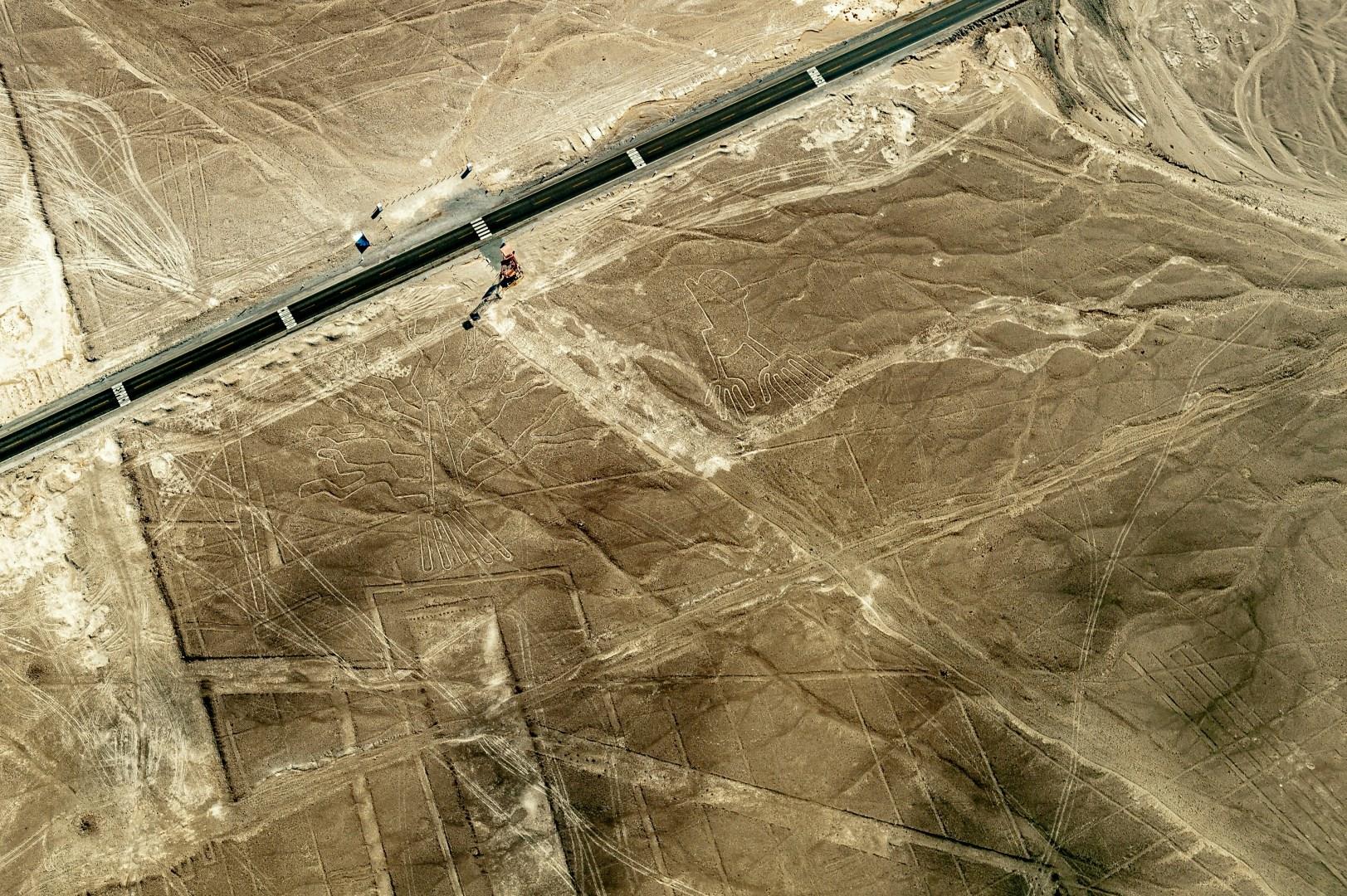
Nazca
In the southern deserts of Peru, Nazca invites visitors to look beyond the horizon. This small city is world-famous for the mysterious Nazca Lines, enormous geoglyphs etched into the desert floor more than 1,500 years ago. From the air, shapes like hummingbirds, monkeys, and even a stylized astronaut come into view, some stretching over 300 meters. Their exact purpose remains a mystery, fueling decades of theories.
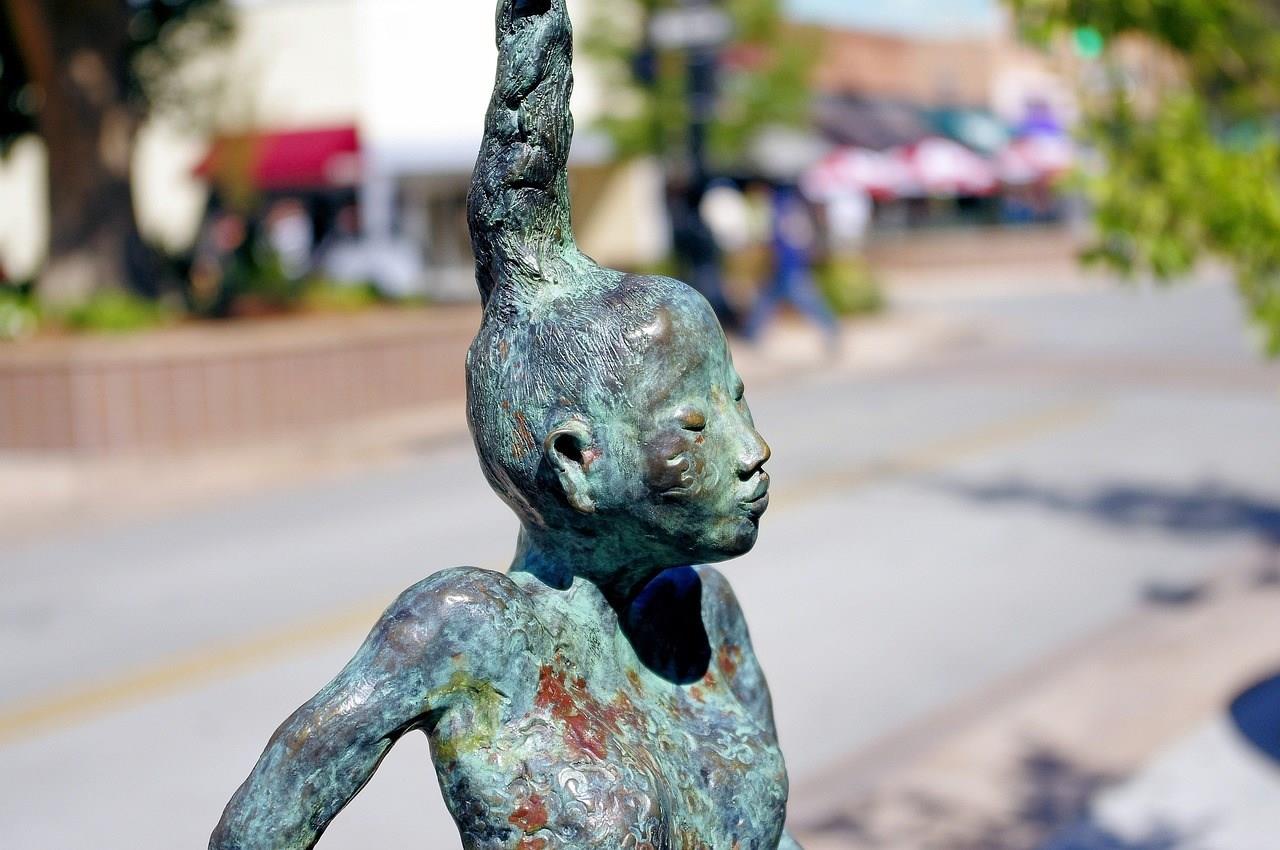
Grand Junction
Grand Junction, located on Colorado’s Western Slope, is a destination where desert canyons meet fertile vineyards and rugged plateaus overlook winding rivers. The town sits at the junction of the Colorado and Gunnison Rivers, which historically made it a vital meeting point for Native American tribes, trappers, and settlers. Today, visitors come for its striking landscapes, laid-back pace, and a growing food and wine scene that's putting this region on the map for more than just its scenery.
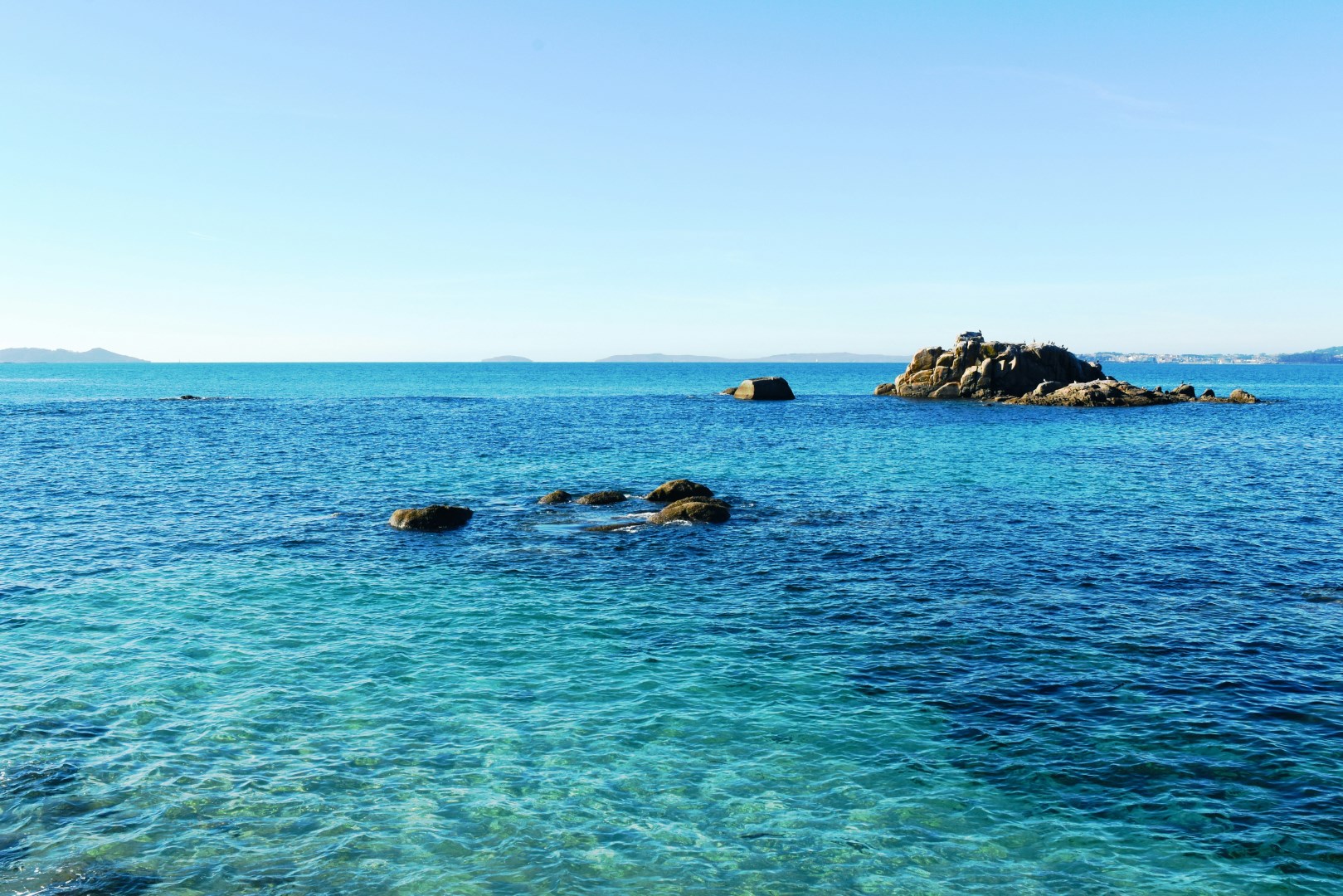
Pontevedra
Pontevedra is a historic city in Galicia, in northwestern Spain, set along the Lérez River near the Atlantic coast. It is known for its well-preserved old town and a layout that favors pedestrians, giving the center a calm and accessible feel.
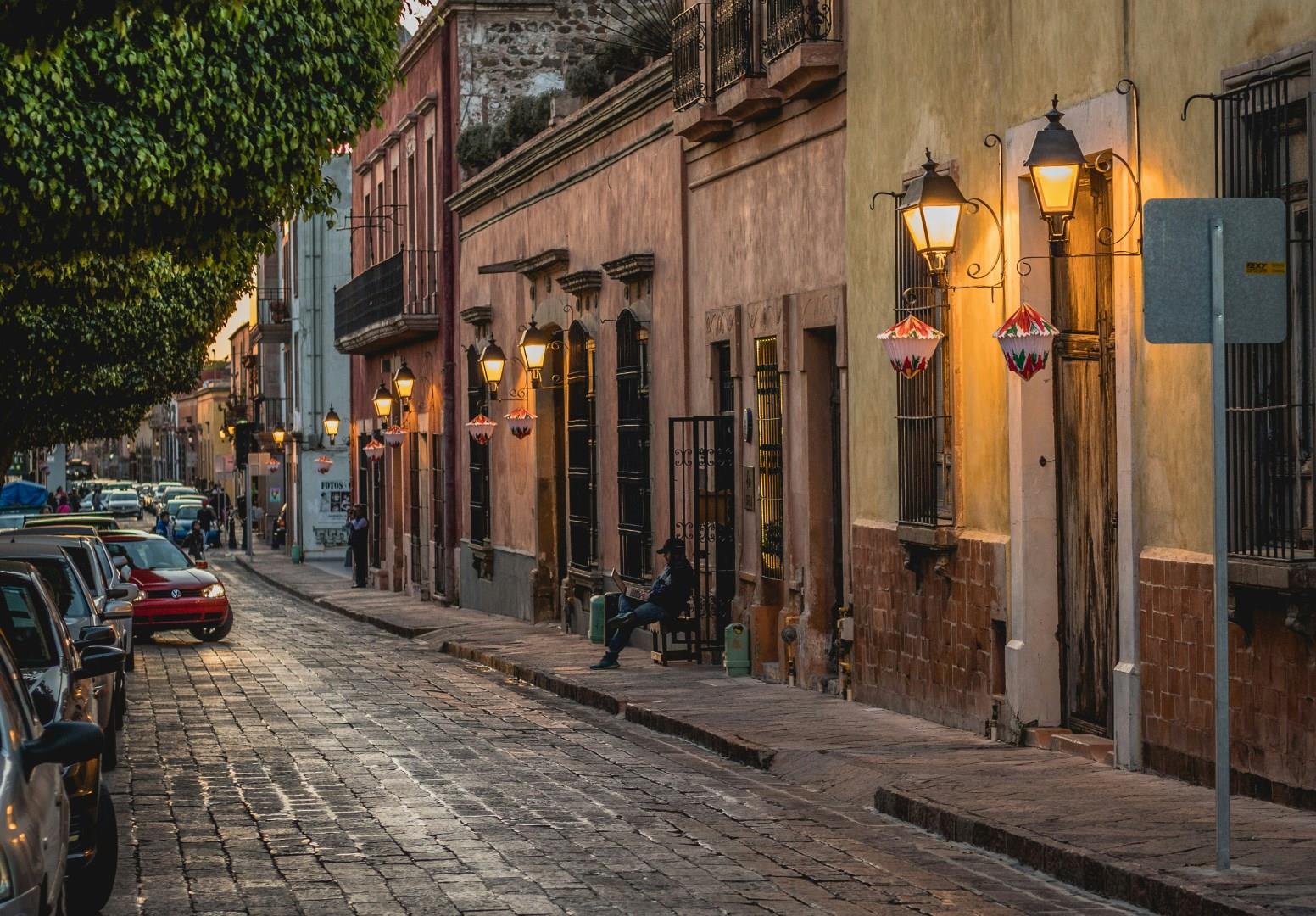
Querétaro
Querétaro, located in the heart of central Mexico, is a city where centuries of history are still visible in daily life. Its historic center, a UNESCO World Heritage Site, features narrow streets, elegant plazas, and baroque churches that reflect its colonial past. One of the city’s most iconic landmarks is the massive aqueduct, built in the 18th century with 74 stone arches stretching nearly a mile across the landscape.

Calvi Corsica
Calvi, a picturesque gem on the northwest coast of Corsica, France, enchants visitors with its blend of rich history, rugged landscapes, and sparkling Mediterranean waters. This charming seaside town is dominated by its iconic citadel, a formidable 15th-century fortress that stands sentinel over the turquoise bay.


