Dominica
Dominica, known as the “Nature Island of the Caribbean,” is a haven for eco-tourists and adventure seekers. Nestled between the French islands of Guadeloupe and Martinique, this lush island boasts a remarkable landscape of volcanic mountains, dense rainforests, and stunning waterfalls. Dominica’s most iconic natural wonder is the Boiling Lake, the second-largest hot spring in the world.
Phinda Private Game Reserve
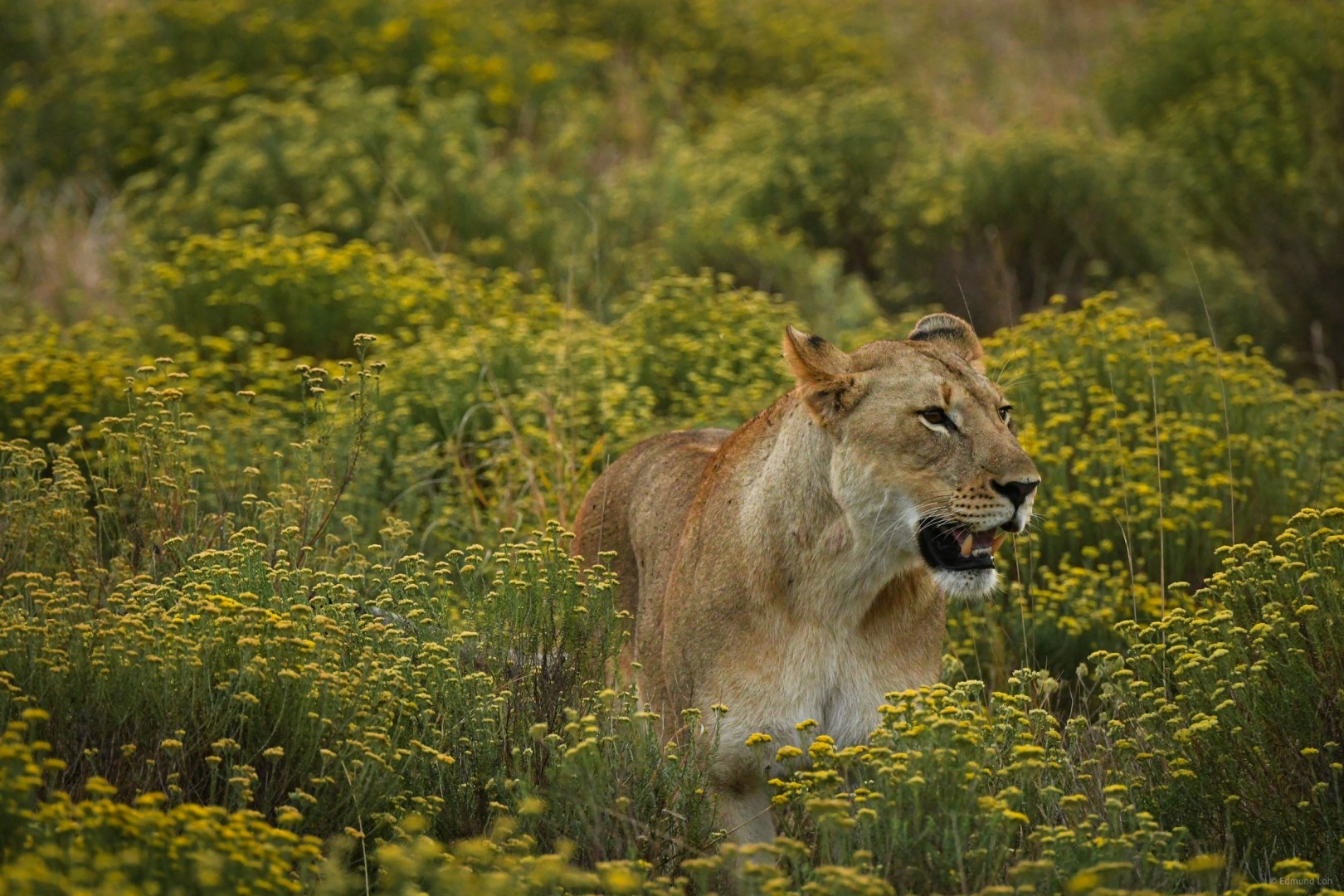
Phinda Private Game Reserve is a protected wildlife area in northern KwaZulu-Natal, within the broader Zululand region near the Indian Ocean coast. Its landscape is unusually varied for a single reserve, combining dry sand forest, open grassland, woodland, wetlands, and low mountain ranges
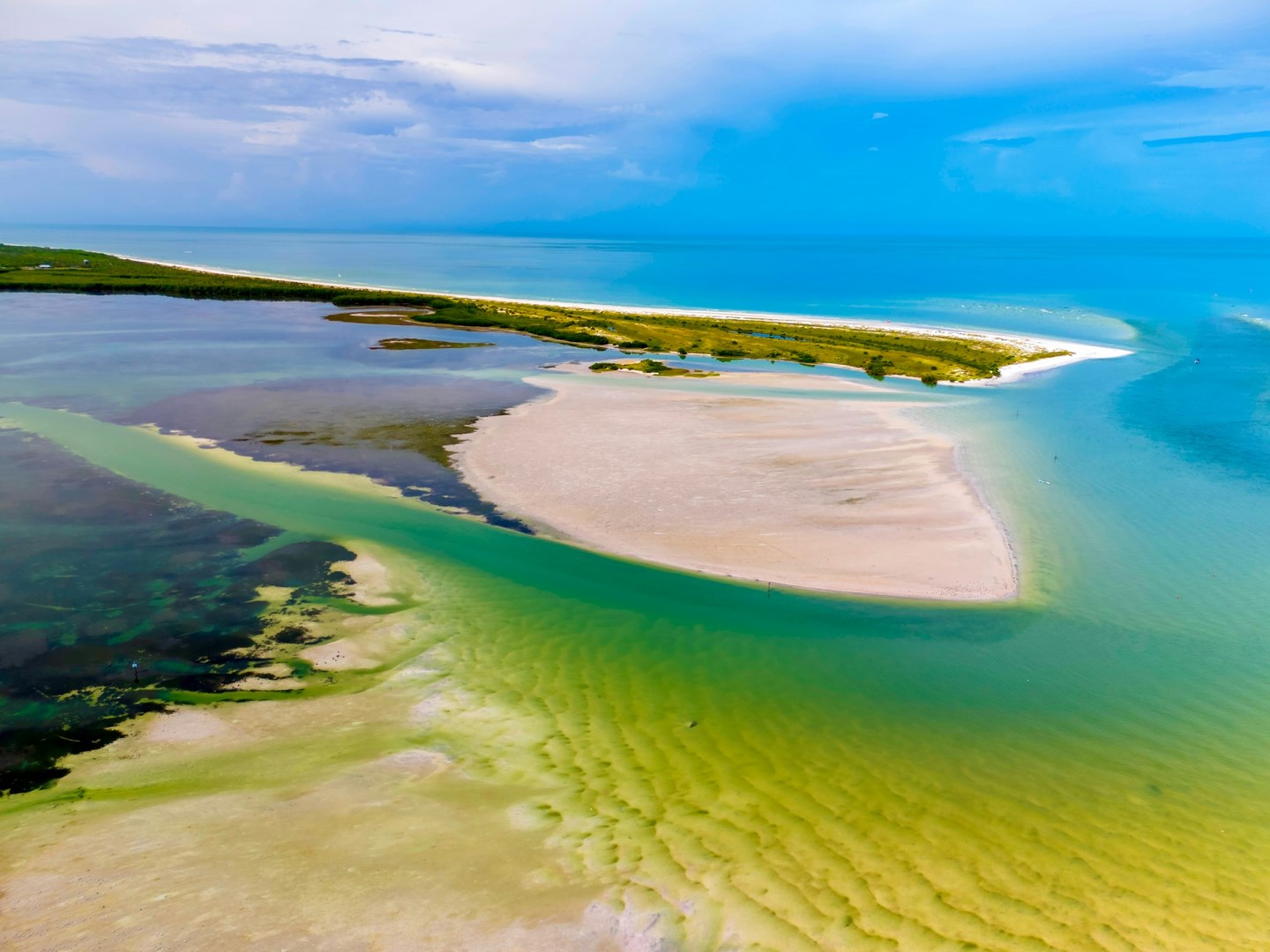
Dunedin
Dunedin is a coastal city on Florida’s Gulf Coast in Pinellas County, positioned along St. Joseph Sound and surrounded by barrier islands, beaches, and waterways. Its compact downtown is known for independent shops, restaurants, breweries, galleries, and a walkable main street, while the Pinellas Trail provides a popular route for cycling and walking through the community.
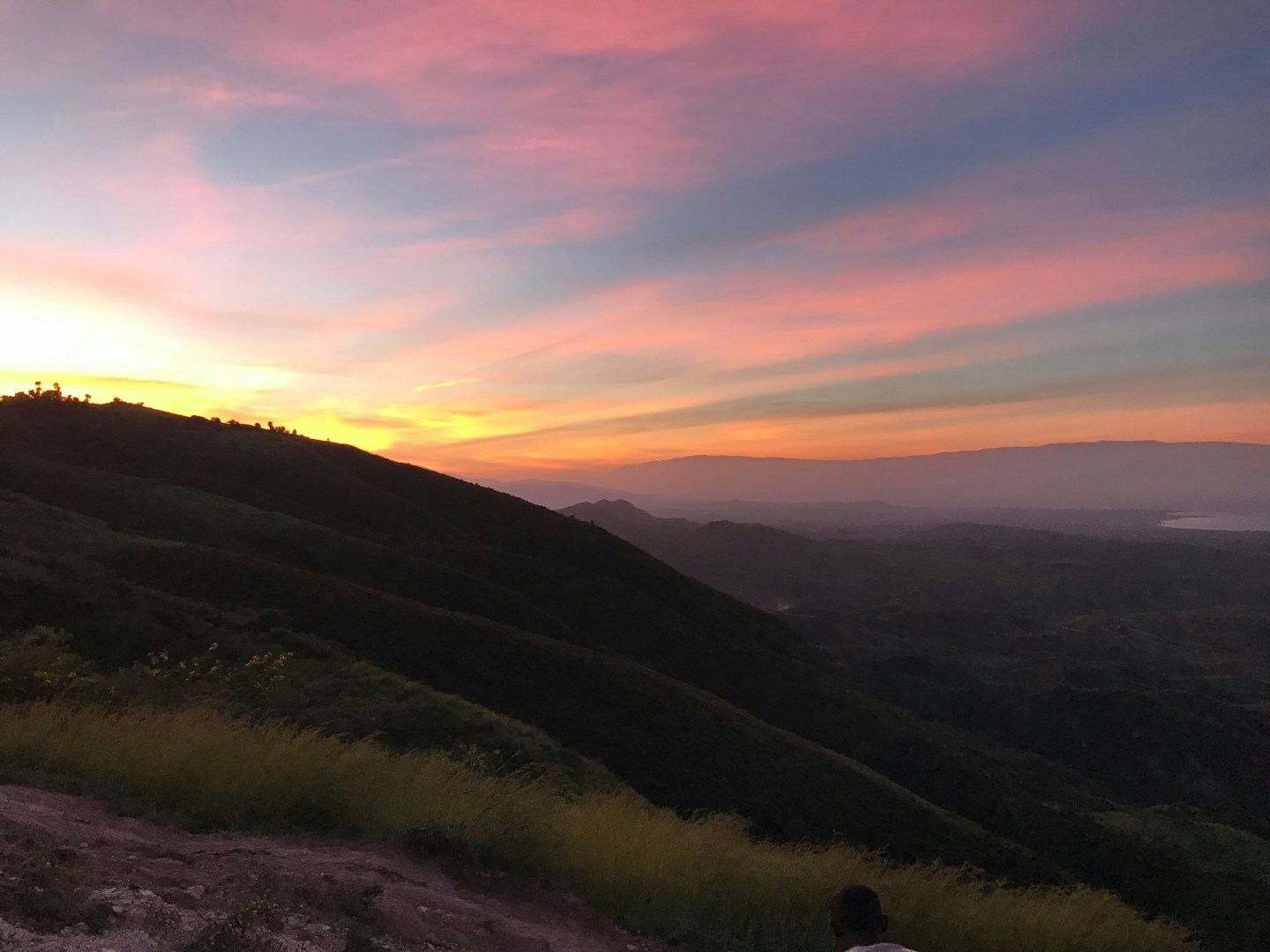
Port-au-Prince
Port-au-Prince in Southwest Haiti is the capital. The country's largest city, commercial center, and chief seaport, it is laid out like an amphitheater around a bay. Founded in 1749 by French sugar planters, it became the colonial capital in 1770, replacing Cap-Haïtien.
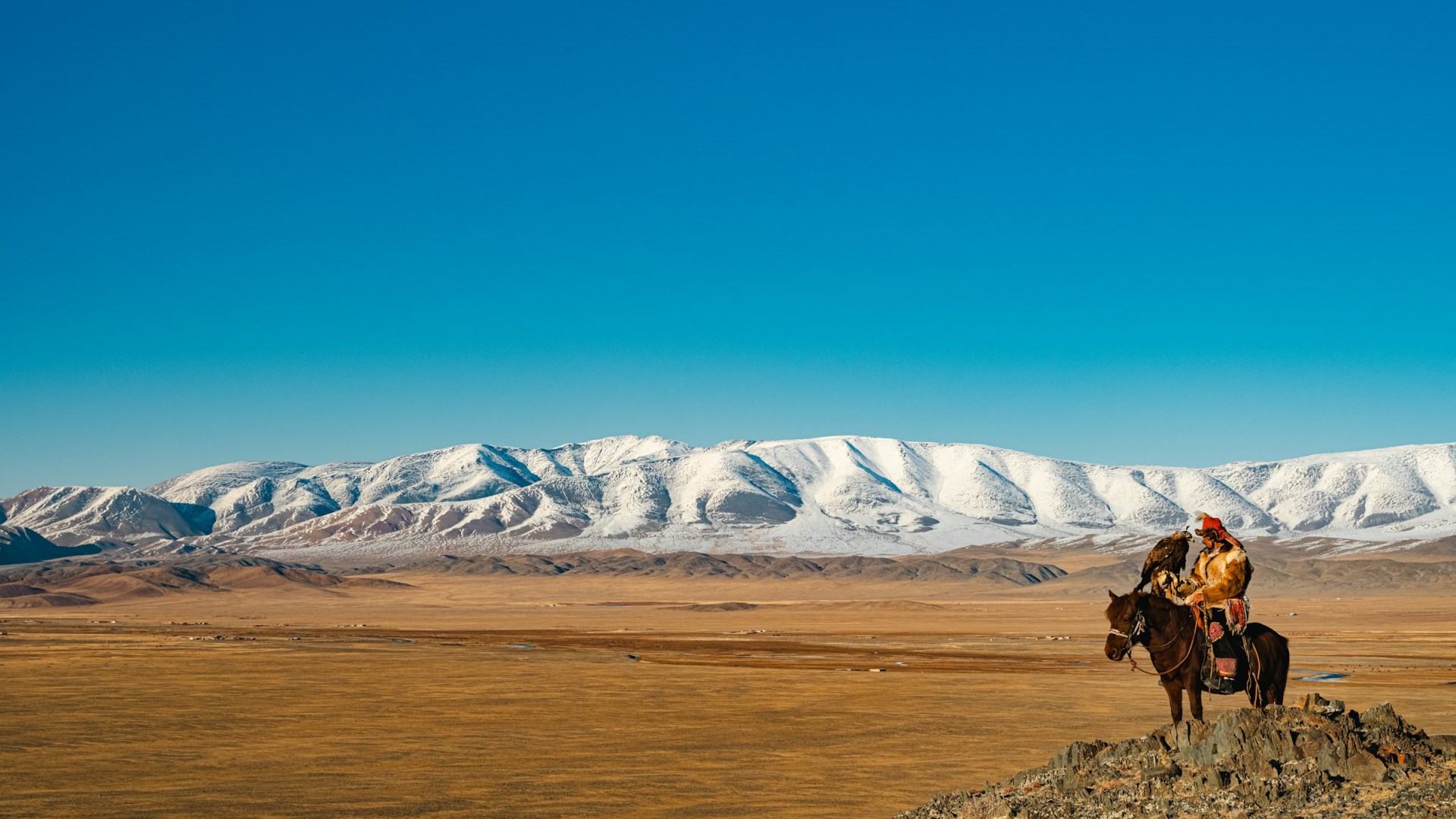
Mongolia
Mongolia, a landlocked nation between Russia and China, is defined by vast steppes, dramatic mountain ranges, and the sweeping expanse of the Gobi Desert. Known for its nomadic traditions, the country preserves a way of life that has endured for centuries.