

Cancún
Cancún sits on the northeastern tip of Mexico’s Yucatán Peninsula, where the Caribbean Sea meets a narrow stretch of sand shaped by ancient Maya trade routes and modern development. While widely known as a resort destination, Cancún’s roots trace back to a quiet fishing area near important pre-Hispanic sites, with nearby Isla Mujeres and the mainland serving as part of a broader coastal network connected to inland Maya cities.

Jurassic Coast
The Jurassic Coast, a UNESCO World Heritage Site, is a breathtaking stretch of England’s southern coastline that spans 95 miles from Exmouth in Devon to Studland Bay in Dorset. It is renowned for its dramatic cliffs, stunning beaches, and incredible geological history, offering visitors the chance to explore 185 million years of Earth’s evolution.

Winnipeg
Winnipeg sits at the meeting point of the Red and Assiniboine rivers, a location that has shaped its role as a gathering place for thousands of years. Long before it became a modern city, the area was central to Indigenous trade networks, a legacy that remains visible today through institutions like The Forks and the Canadian Museum for Human Rights.
Progreso
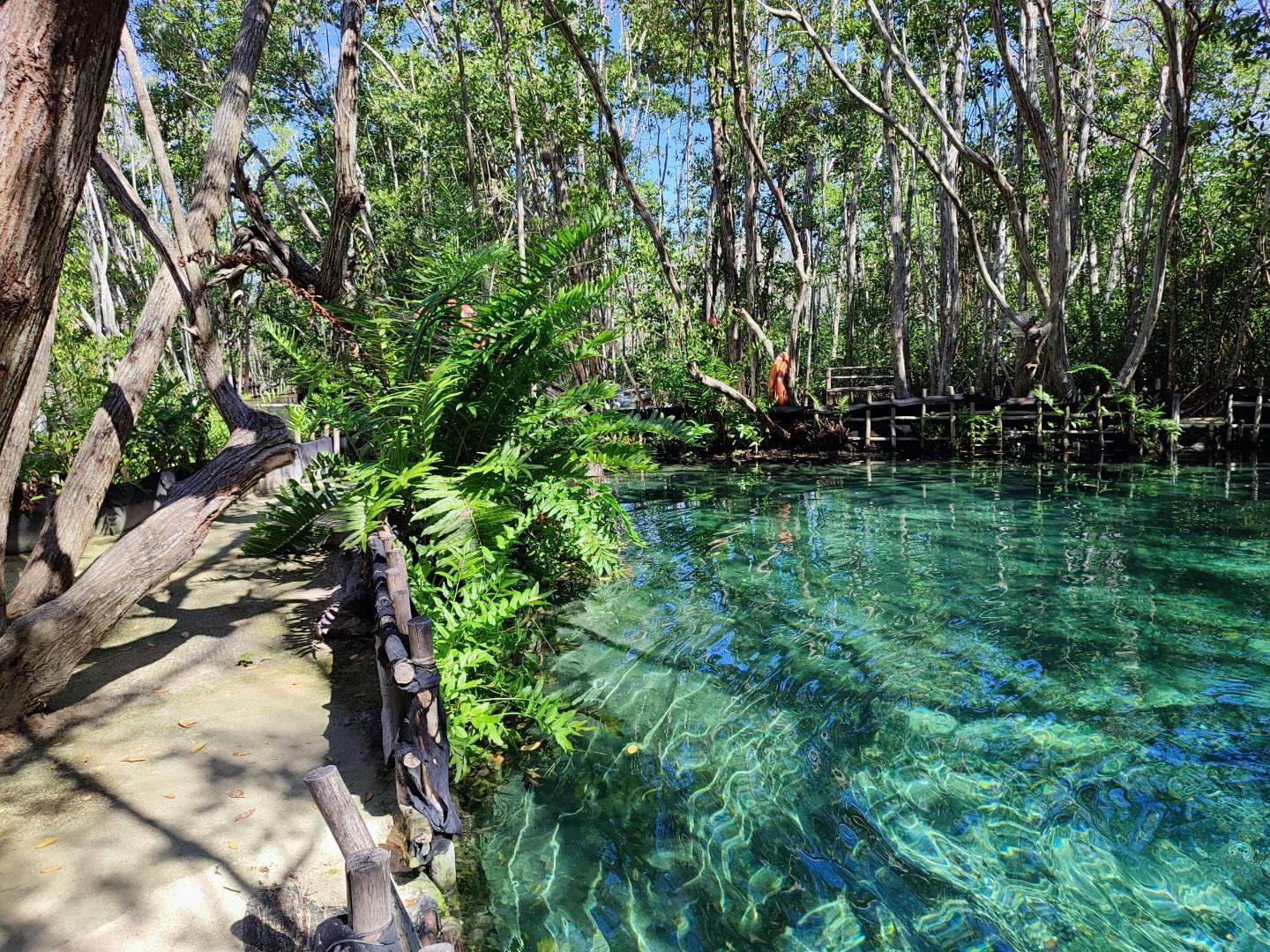
Progreso, a coastal city in the state of Yucatán, offers travelers a relaxed atmosphere with strong ties to the sea. Founded in 1871 as a port to support trade in the region, Progreso now welcomes both cargo ships and cruise liners to its shores. Its most defining feature is the Progreso Pier, one of the longest in the world, stretching over 6 kilometers into the Gulf of Mexico.

Arusha
Arusha, Tanzania is a destination for adventurers! Situated between Mount Kilimanjaro National Park and Serengeti National Park, Arusha is an ideal starting point for your next Tanzanian safari trip and is a gateway city for climbers interested in summiting Mount Kilimanjaro, Africa's highest peak.


