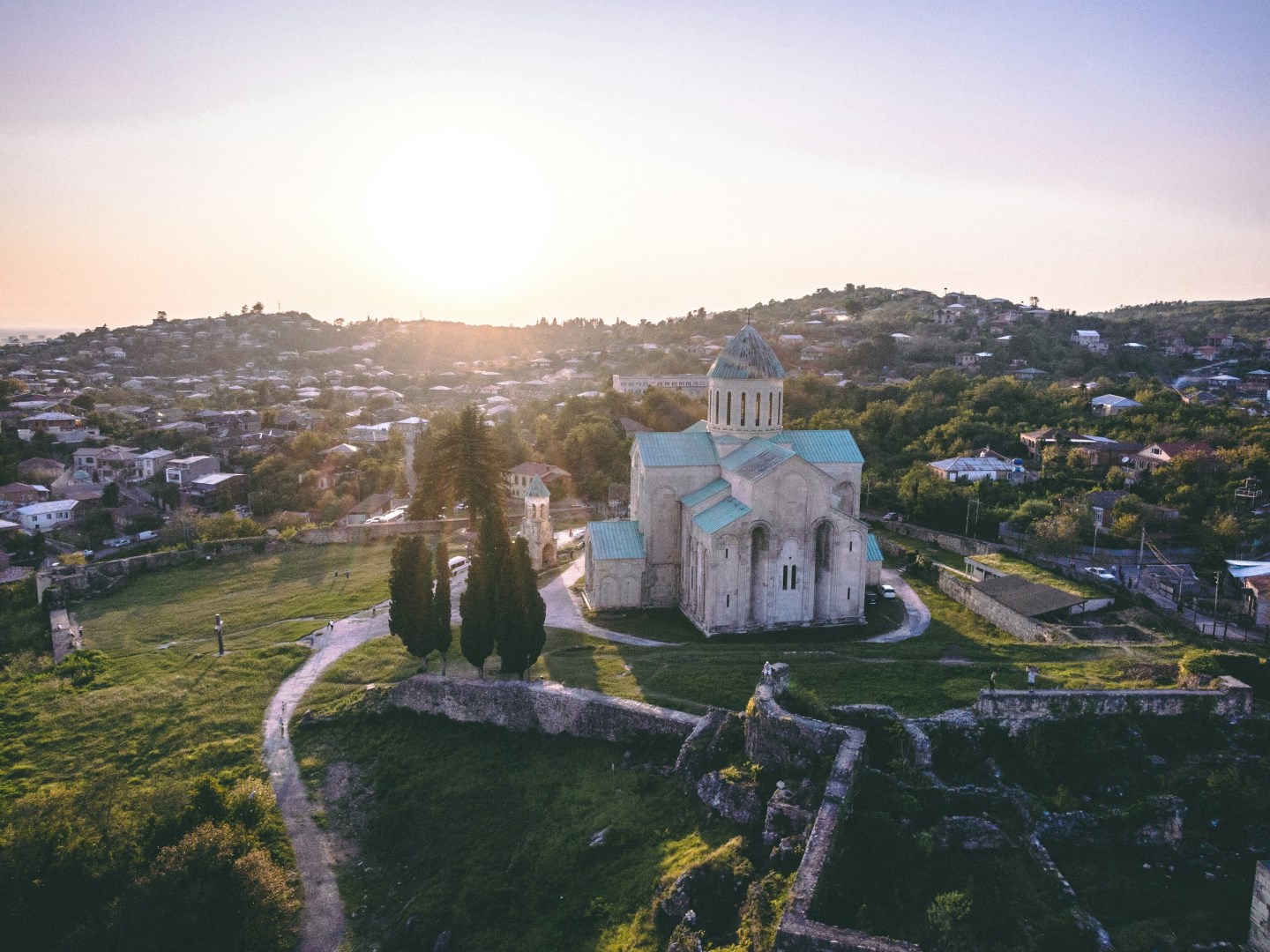
Alexandria
Located northwest of Cairo on the Mediterranean coast, Alexandria is one of Egypt's most spectacular cities and an important historical, industrial, and economic center for the country.
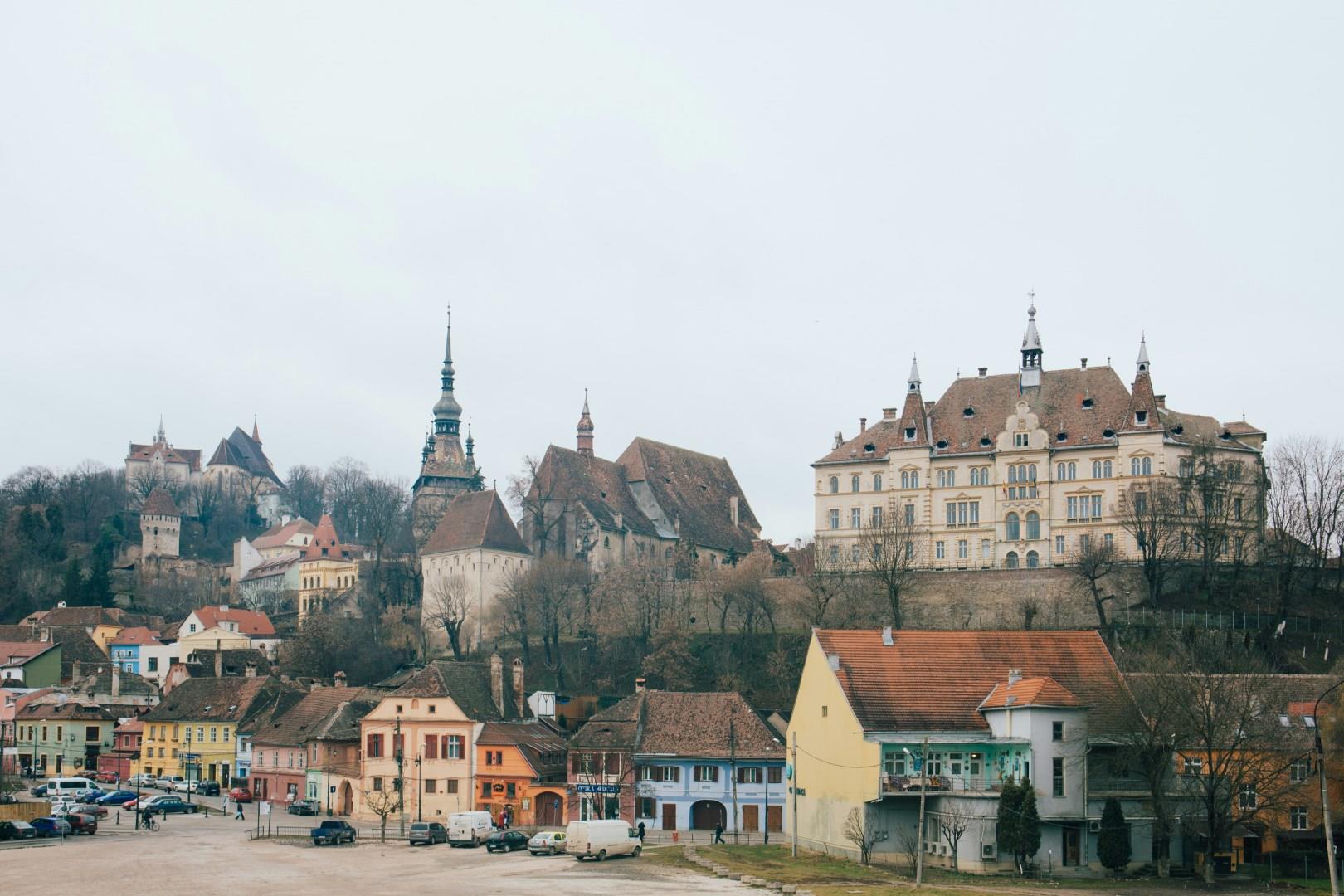
Sighisoara
Sighisoara rises above the Târnava Mare River as one of the few medieval citadels in Europe that is still lived in and admired today. Its historic center has been on the UNESCO World Heritage List since 1999, recognized for its long history as a fortified Saxon settlement and its role in trade and defense on the edges of central Europe. Wander through cobbled alleys framed by pastel-colored houses, and the layers of time feel close at hand, from the city walls and guild towers to busy cafés.

Oslo
Oslo, Norway’s capital, stands at the crossroads of Nordic history and forward-thinking design. Originally founded over a thousand years ago by Viking King Harald Hardrada, the city has evolved from a medieval trading hub into one of Europe’s most modern capitals. Visitors can explore its layered past at the Akershus Fortress, a 13th-century stronghold still standing guard over Oslofjord, or walk through the preserved wooden homes of Damstredet.
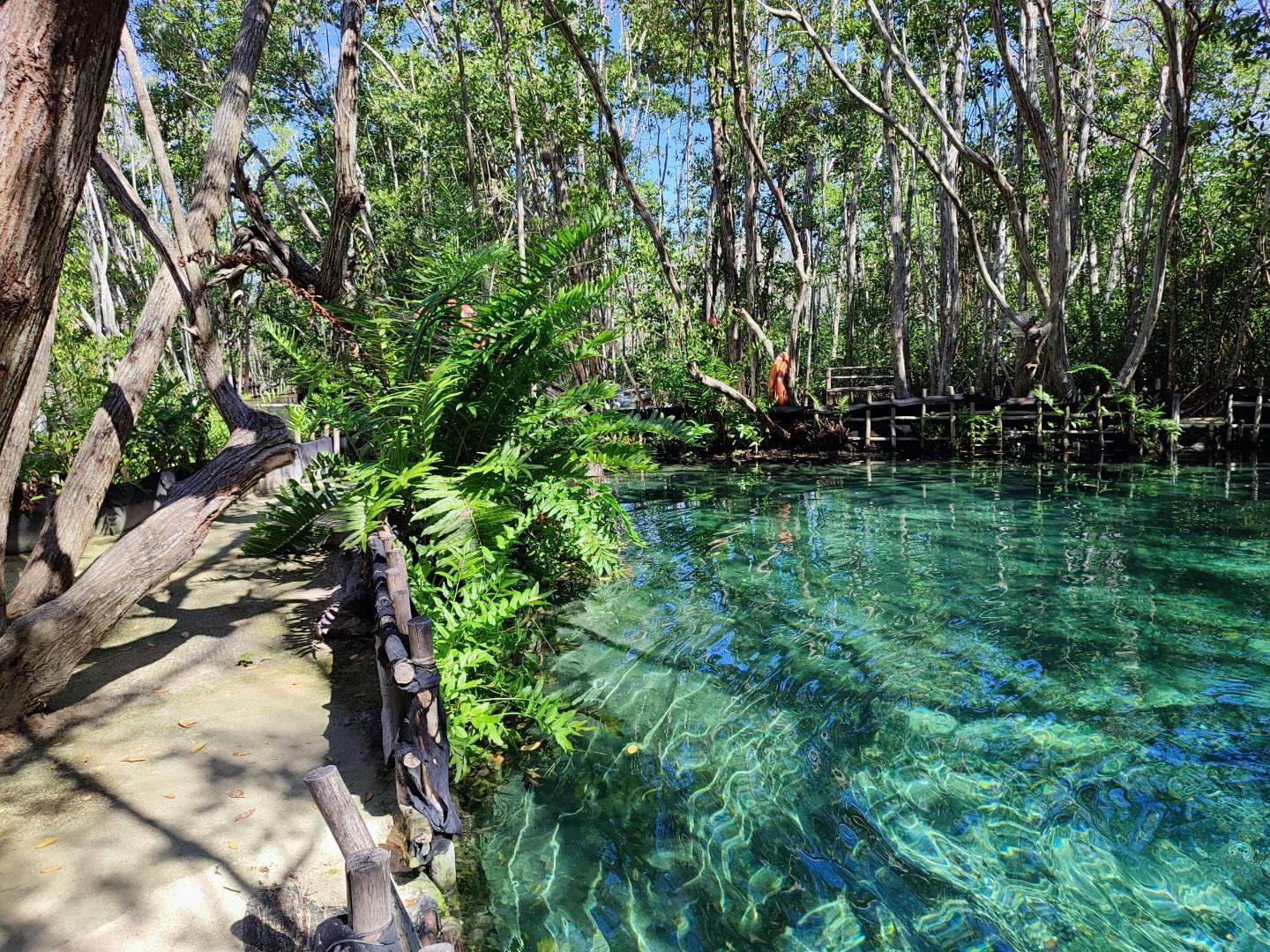
Progreso
Progreso, a coastal city in the state of Yucatán, offers travelers a relaxed atmosphere with strong ties to the sea. Founded in 1871 as a port to support trade in the region, Progreso now welcomes both cargo ships and cruise liners to its shores. Its most defining feature is the Progreso Pier, one of the longest in the world, stretching over 6 kilometers into the Gulf of Mexico.
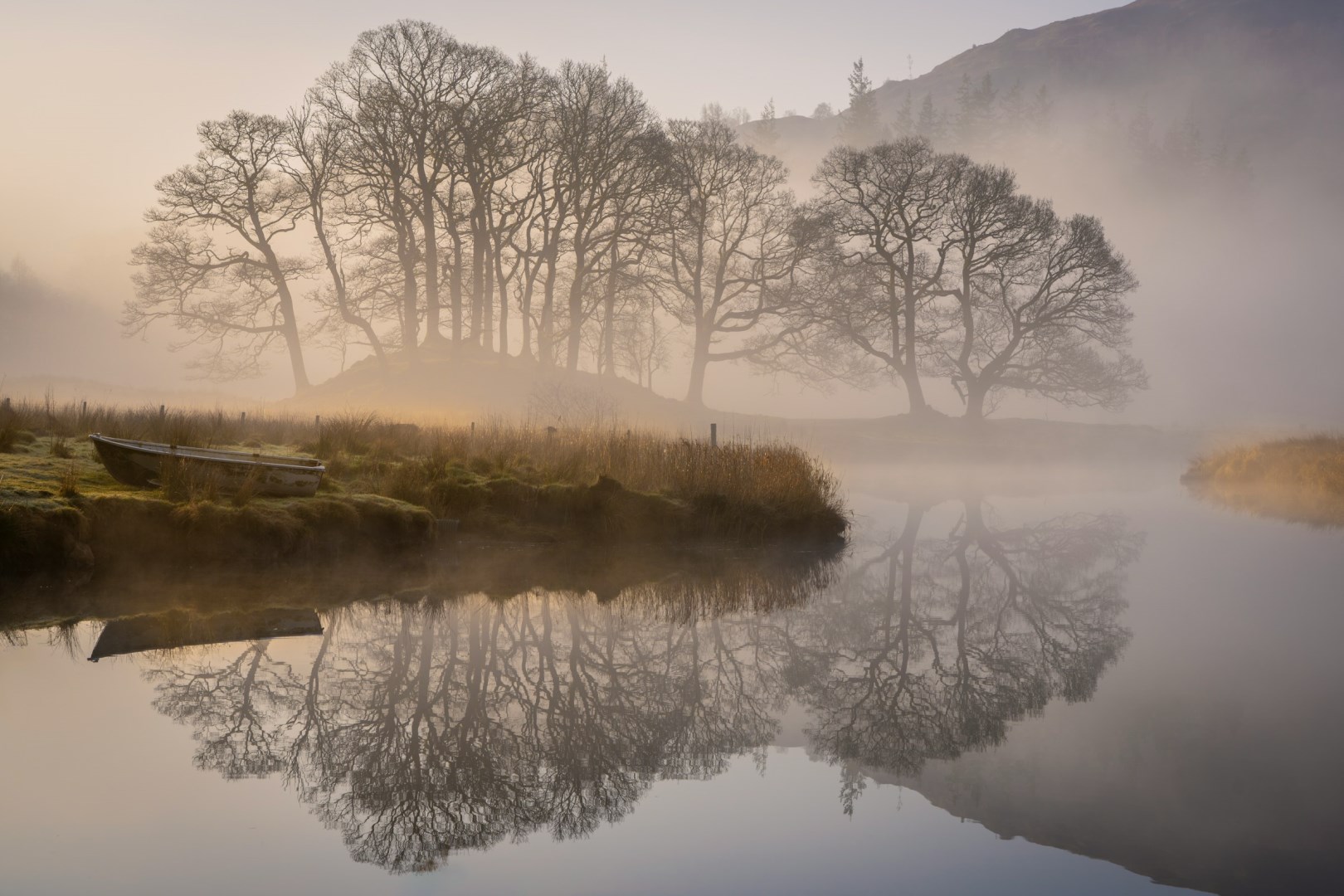
Ambleside
Ambleside lies on the main north/south road through the central lakes (A591) at the northern end of Lake Windermere. Its central location makes it an ideal base for walking, climbing or touring. Various attractions include St. Mary's Church, the Dolls House Museum, and The Lake District History Centre.