Antipaxos
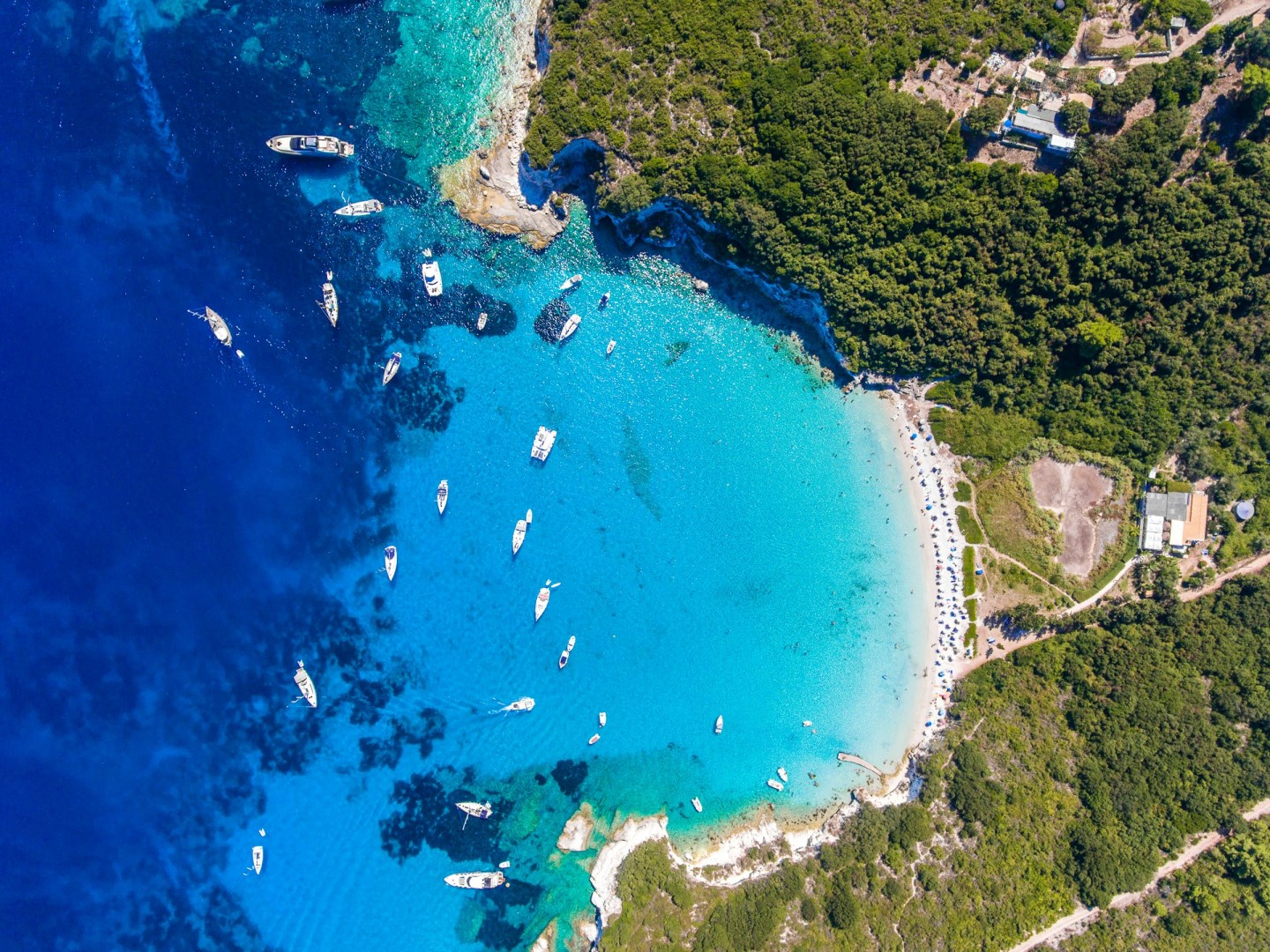
Antipaxos is a small Ionian island southeast of Paxos, separated from its larger neighbor by a short boat journey from Gaios. Covering roughly 4.5 square kilometers, it has a gently rolling landscape of vineyards, olive groves, pine trees, and low Mediterranean vegetation. The island has no large settlement and is known mainly for its beaches, particularly Voutoumi and Vrika, where white sand or pale pebbles meet clear blue-green water.
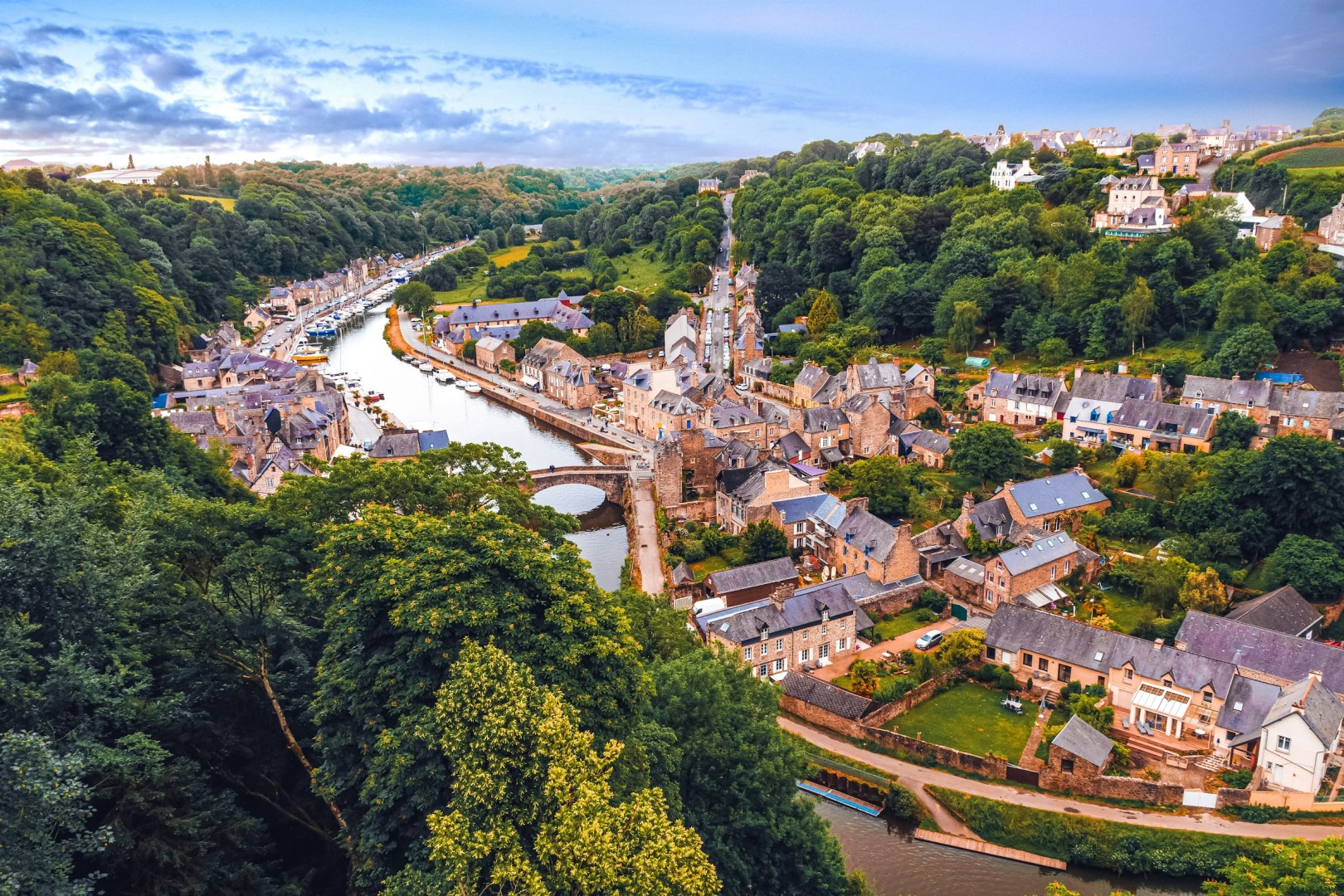
Dinan
Medieval half-timbered houses decorated with vibrant flower displays line the cobblestone streets of this picturesque and charming French town. Whether you're perusing the artisan shops, exploring the historic buildings, taking a leisurely walk along the riverbanks, or enjoying the lively markets or festivals, you'll find yourself immersed in its timeless beauty.

Kehl
Originating as a tiny fishing village in 1038, modern Kehl has become an important link between Germany and France. Rhine River cruises most often use Kehl as their gateway to the much larger and better-known Strasbourg. The savvy traveler, though, might choose to skip the jaunt across the river and enjoy many similar sights, shopping and cuisine as those offered in the teeming French city.

Nicaragua
Nicaragua offers travelers a look into centuries of layered history set against striking natural backdrops. Visitors can tour the baroque-style Granada Cathedral, take a boat ride through Las Isletas (a chain of small, volcanic islands in Lake Nicaragua), or climb the bell tower of Iglesia La Merced for sweeping city views.
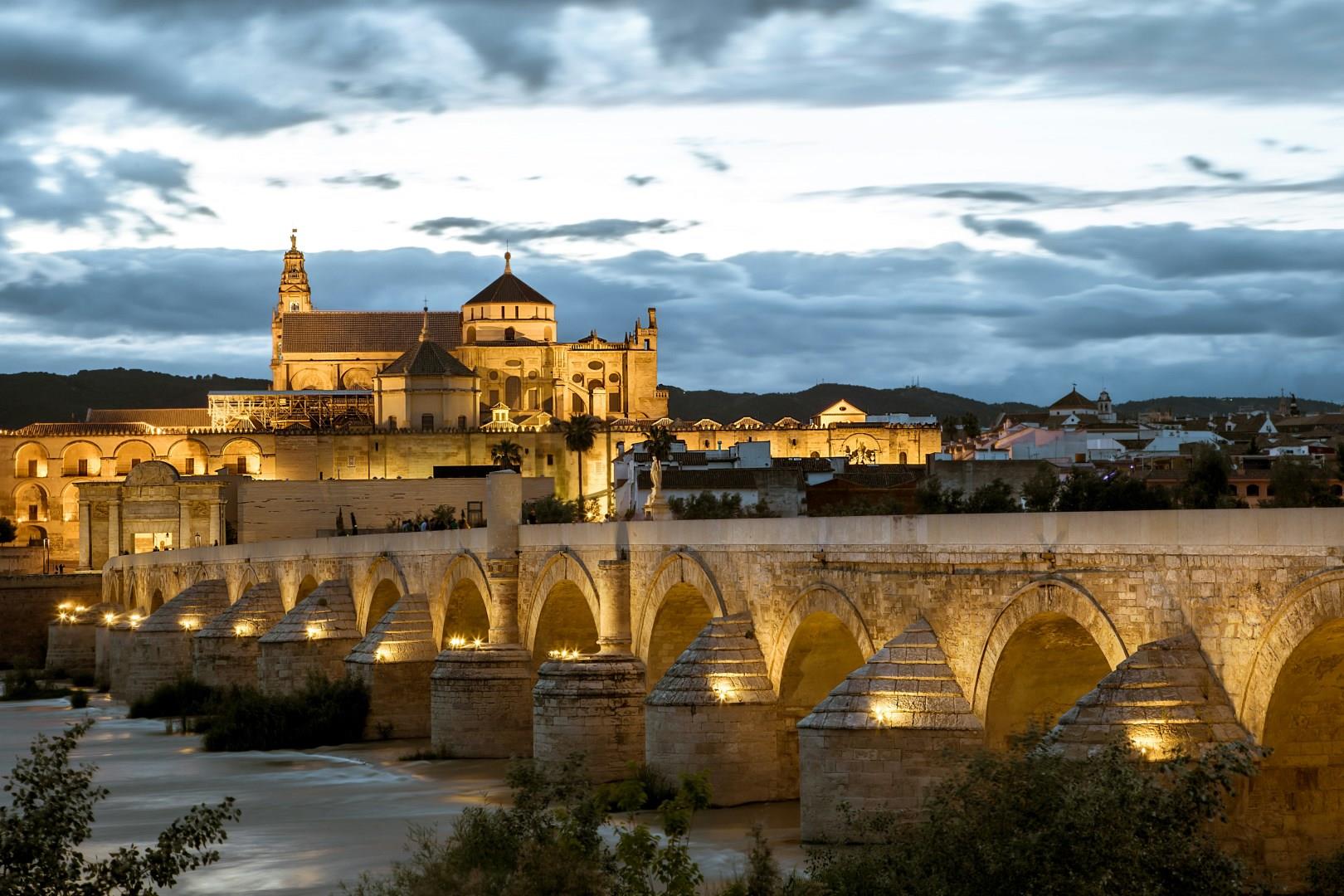
Córdoba
Córdoba, located in the heart of Andalusia, was once the most advanced city in Western Europe. During the 10th century, it served as the capital of Al-Andalus and was a center for learning, science, and art. Today, visitors walk the same streets that philosophers, poets, and physicians once crossed. The city’s most famous landmark, the Mezquita-Catedral, reflects its layered past. The red and white horseshoe arches inside are one of the most photographed interiors in Spain.