Luxembourg
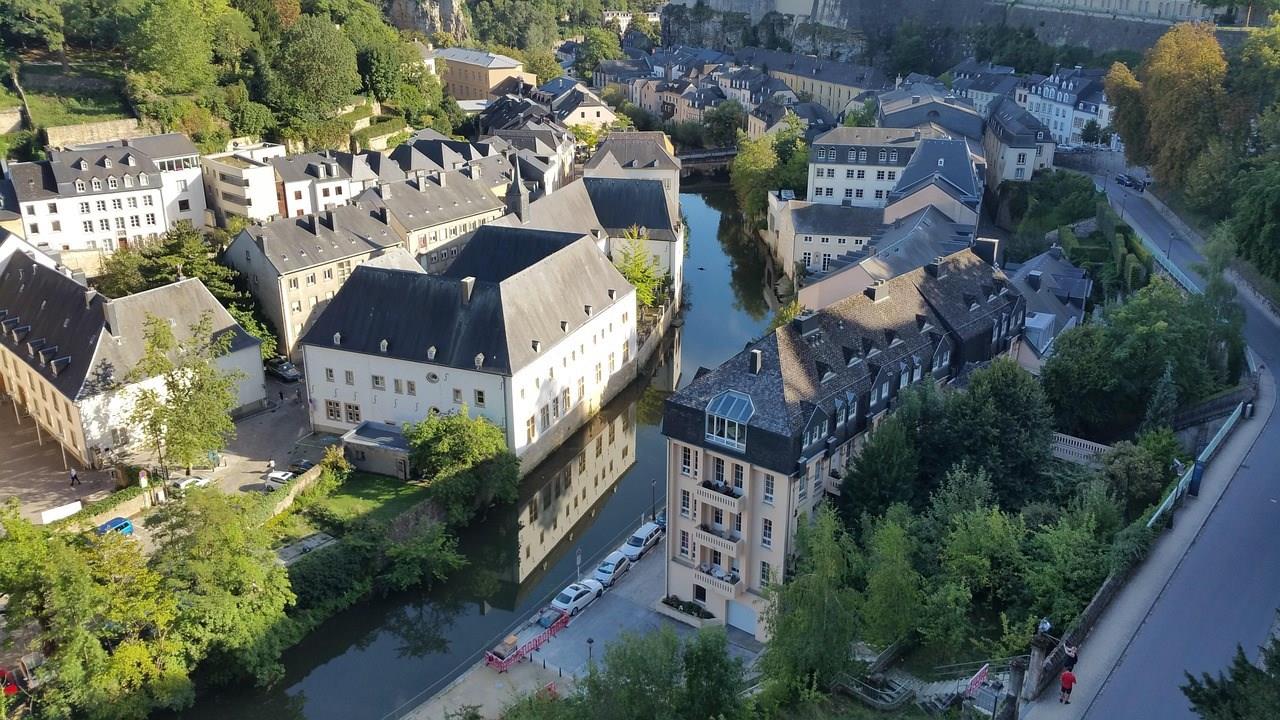
Luxembourg, a small yet influential country in the heart of Europe, offers visitors a rich blend of historic sites and contemporary culture. The capital city, Luxembourg City, is famous for its dramatic cliffs and ancient fortifications that have earned it a UNESCO World Heritage status. Walking through the old quarters, visitors can explore the casemates that reveal layers of the city’s military past.
Corsica
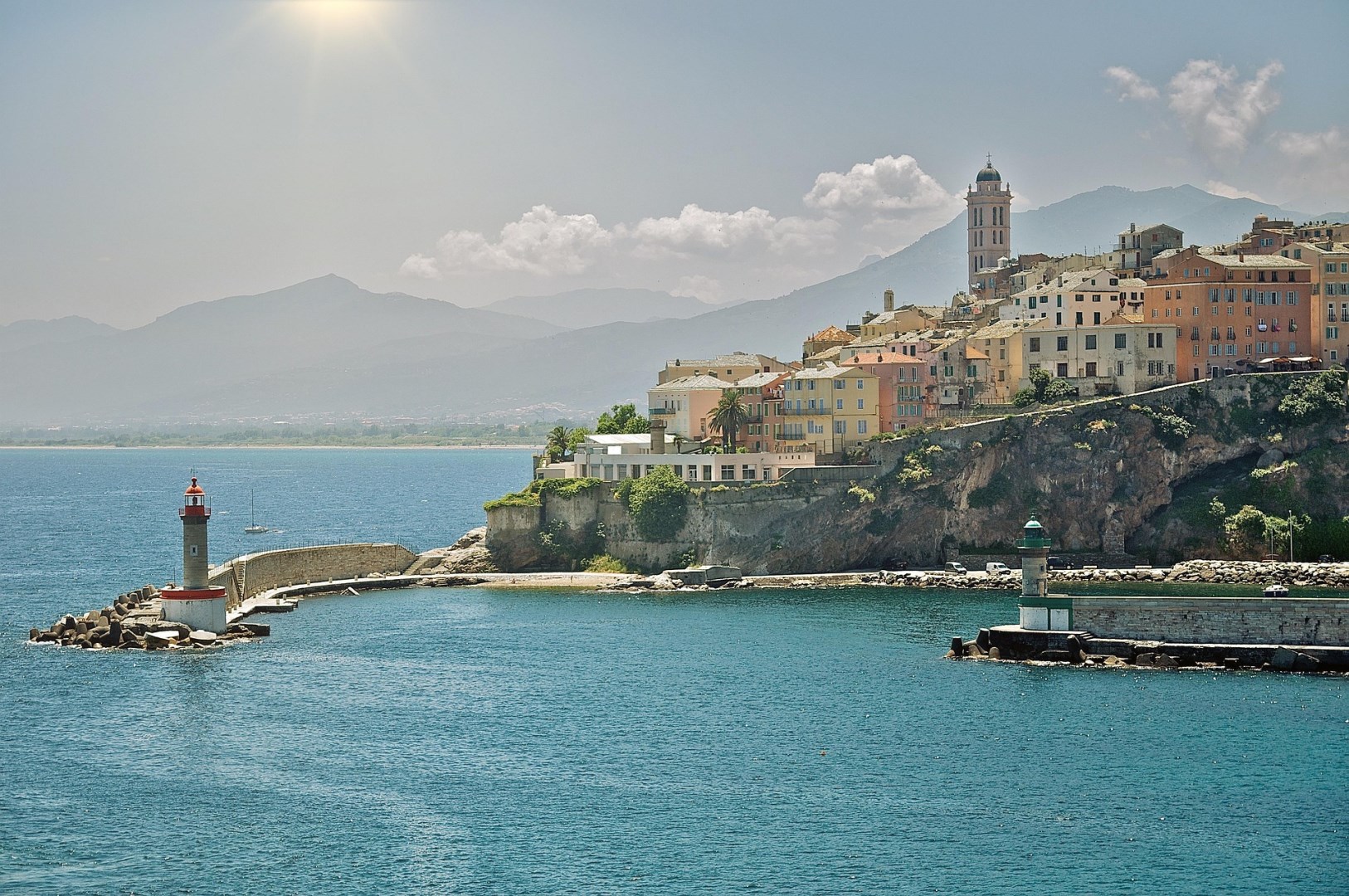
Corsica is a Mediterranean island and territorial collectivity of France known for a landscape that changes quickly from rocky coastlines to forested mountains and inland valleys. Its main towns include Ajaccio, Bastia, Bonifacio, Calvi, and Porto-Vecchio, while smaller villages are scattered through the interior. The island’s geography gives it a strong regional identity, with the sea, mountains, and maquis scrubland shaping both settlement and daily life.
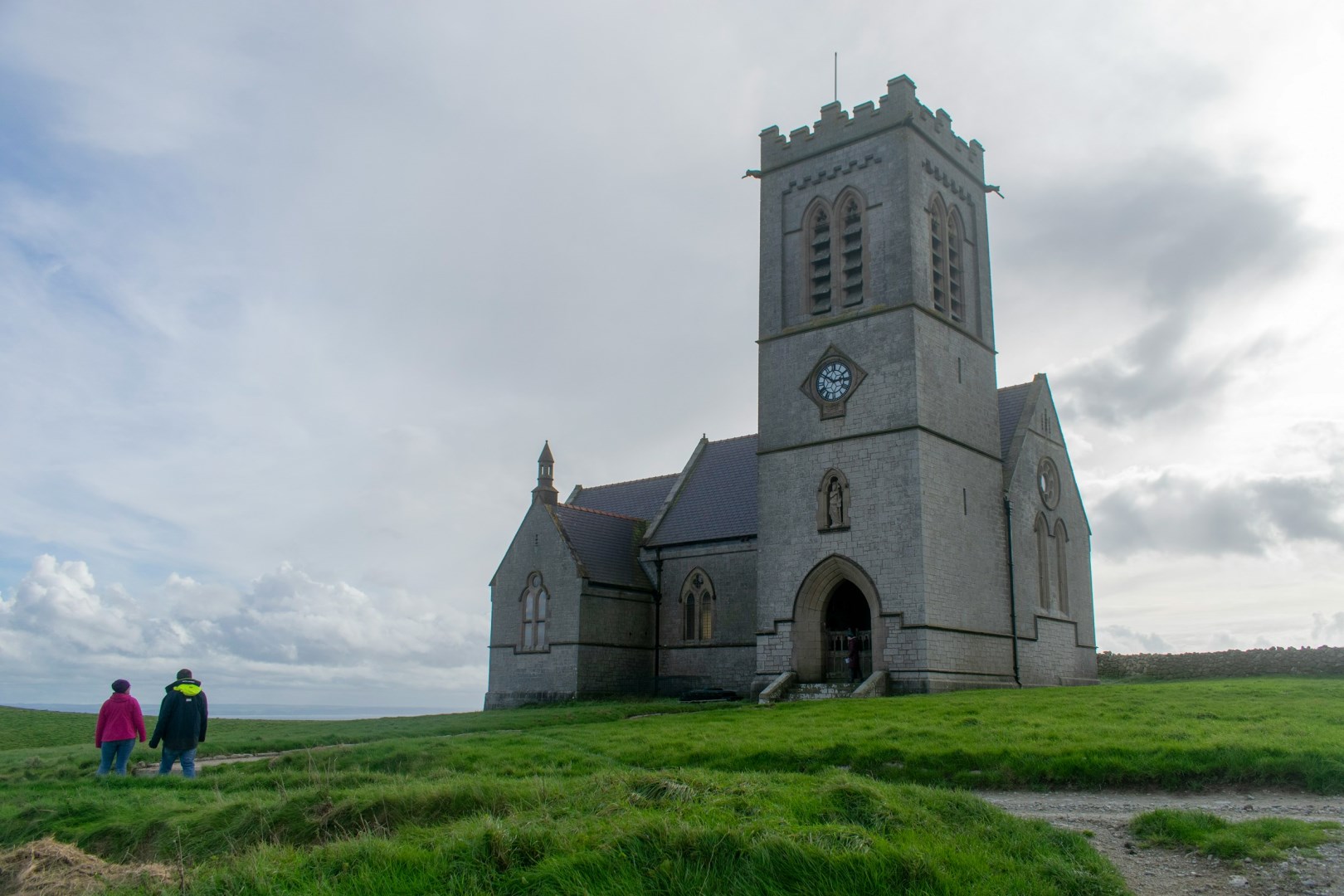
Isle Of Lundy
Lundy is a small granite island in the Bristol Channel, about 12 miles off the coast of North Devon. Roughly three miles long and half a mile wide, it has a rugged western coastline of cliffs and a more sheltered eastern side with grassy slopes and Landing Bay. The island is owned by the National Trust and managed by the Landmark Trust, with a small resident community and no cars.

Haiti
Haiti offers visitors a unique glimpse into a proud and resilient heritage. Its vibrant art, music, and traditions make it a destination unlike any other in the Caribbean.
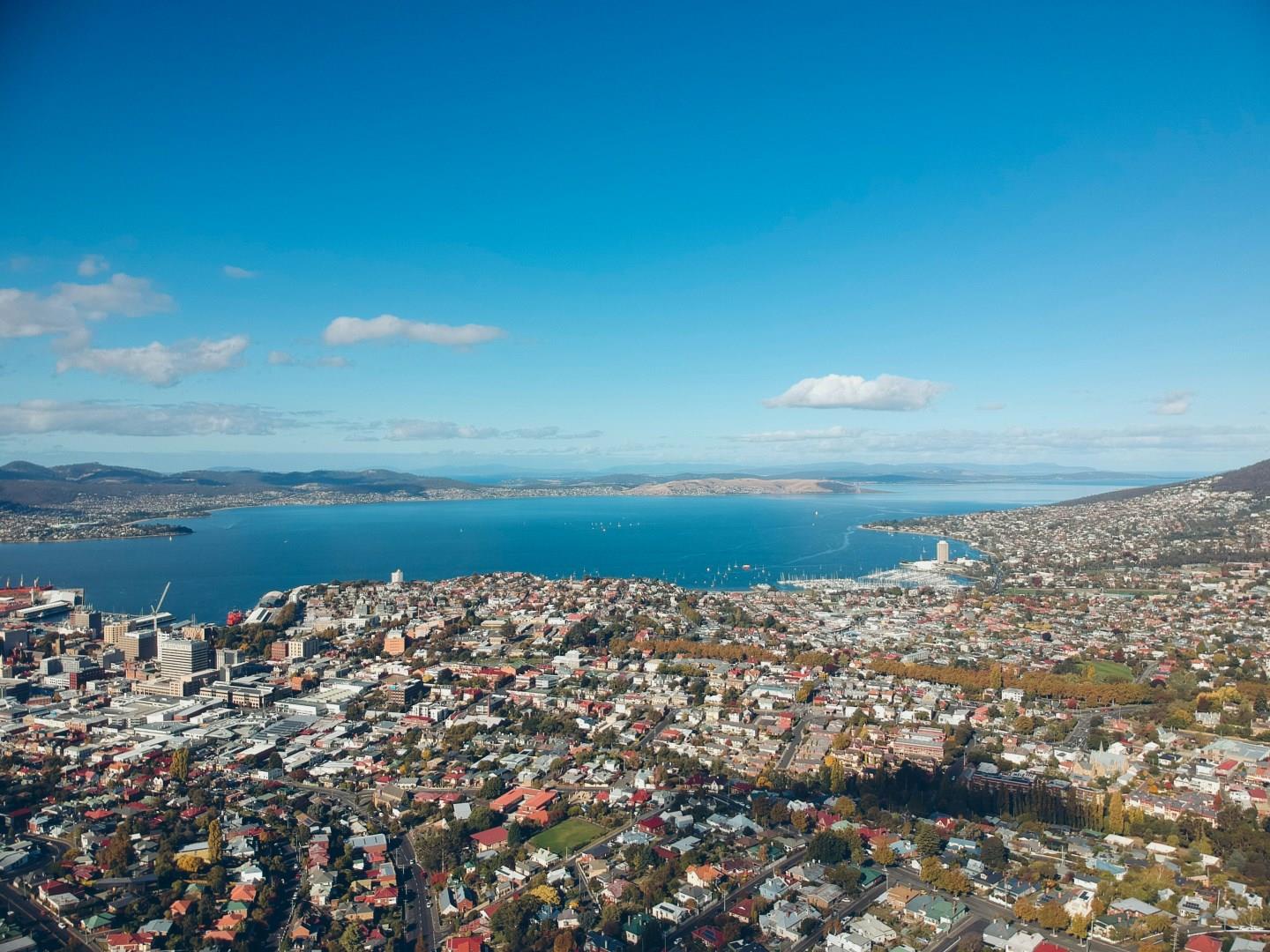
Hobart Tasmania
Hobart, the vibrant capital of Tasmania, Australia, is a city where history and natural beauty intertwine seamlessly. Nestled on the banks of the Derwent River and framed by the rugged peaks of Mount Wellington, Hobart is a captivating destination for those seeking both cultural richness and stunning landscapes.