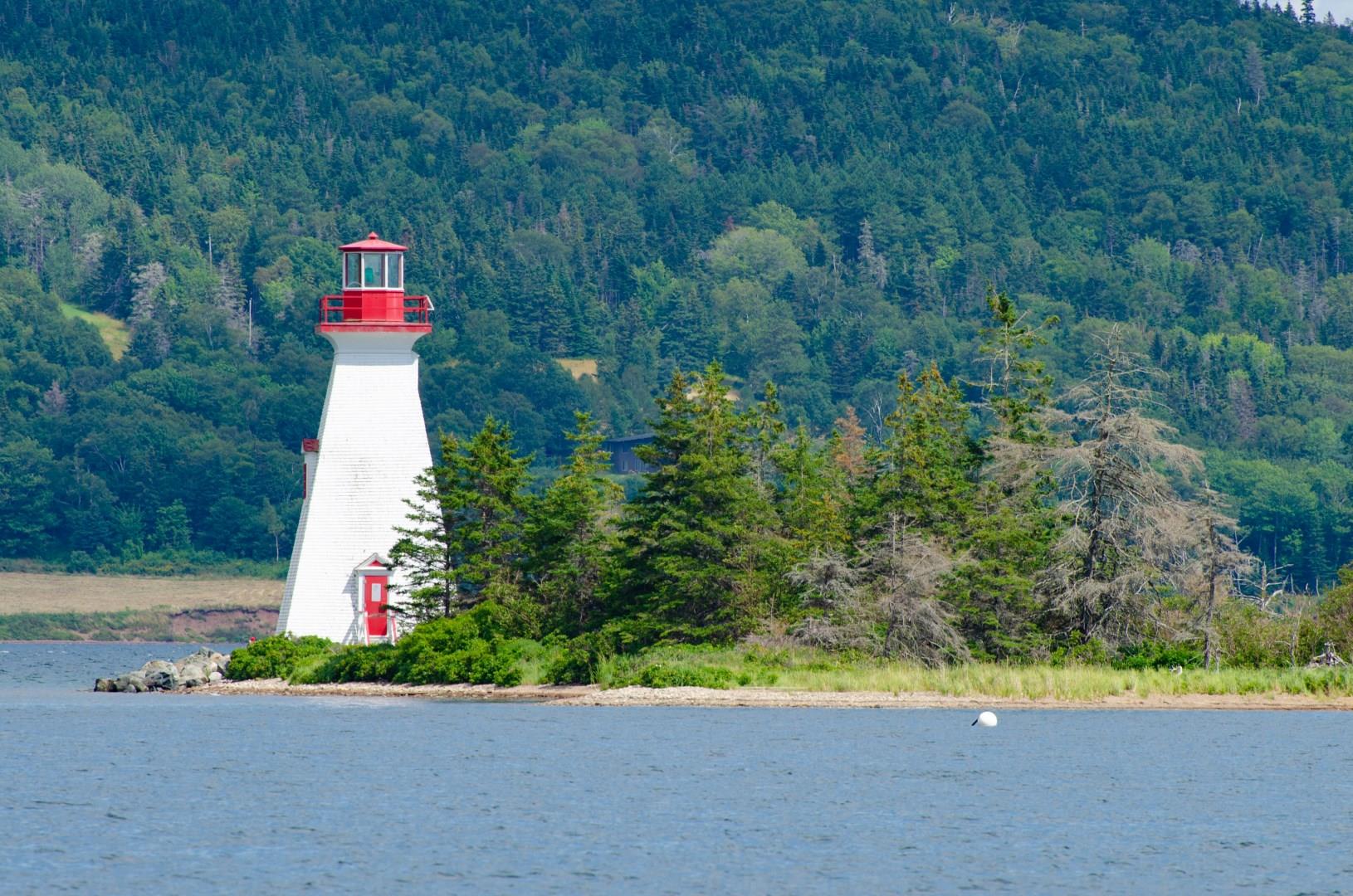
Baddeck, Cape Breton Island
Baddeck sits along the calm waters of the Bras d’Or Lake on Cape Breton Island in Nova Scotia, a village with deep roots and stories to tell. Its name comes from an Indigenous word thought to mean “place with an island near,” a nod to nearby Kidston Island and the long history of the Mi’kmaq people in the area. A highlight for many visitors is the Alexander Graham Bell National Historic Site, where the legacy of one of history’s most inventive minds comes alive.

Alexandria
Located northwest of Cairo on the Mediterranean coast, Alexandria is one of Egypt's most spectacular cities and an important historical, industrial, and economic center for the country.

Alberobello
Alberobello in southern Italy’s Puglia region captures the imagination with its distinctive trulli houses. These structures were built using a dry-stone technique passed down over centuries, without mortar or cement, and their unique form comes from layer upon layer of limestone nestled from nearby fields. Alberobello’s trulli are so remarkable that in 1996 the historic center was inscribed as a UNESCO World Heritage Site, where more than 1,600 of these buildings still stand.
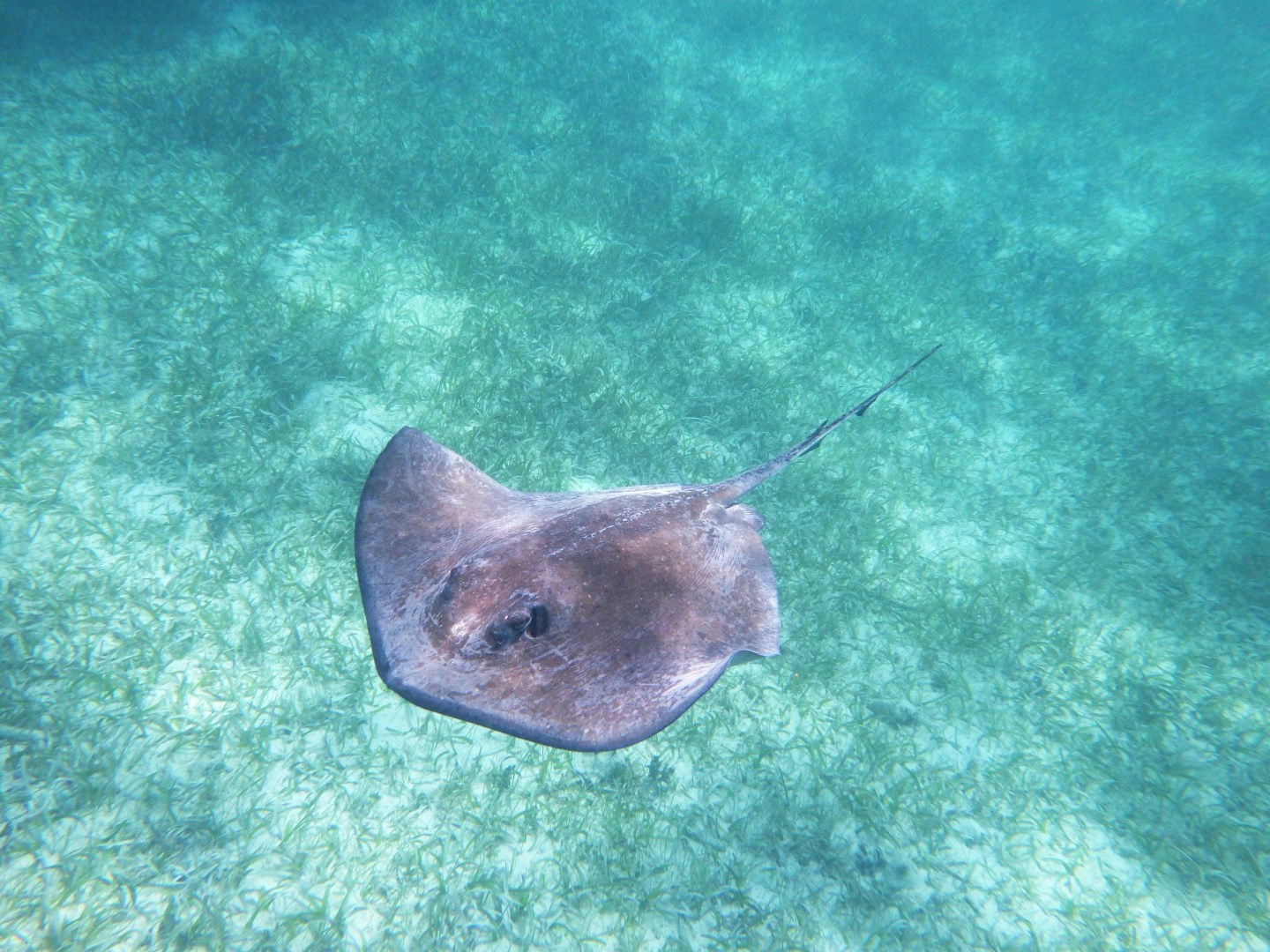
Hol Chan Marine Reserve
Hol Chan Marine Reserve lies off the southern coast of Ambergris Caye, near San Pedro in northern Belize. The protected area covers coral reefs, seagrass beds, mangroves, and channels that form part of the Belize Barrier Reef. Its name comes from the Maya words for “little channel,” referring to a natural break in the reef that allows water to move between the Caribbean Sea and the shallow lagoon.
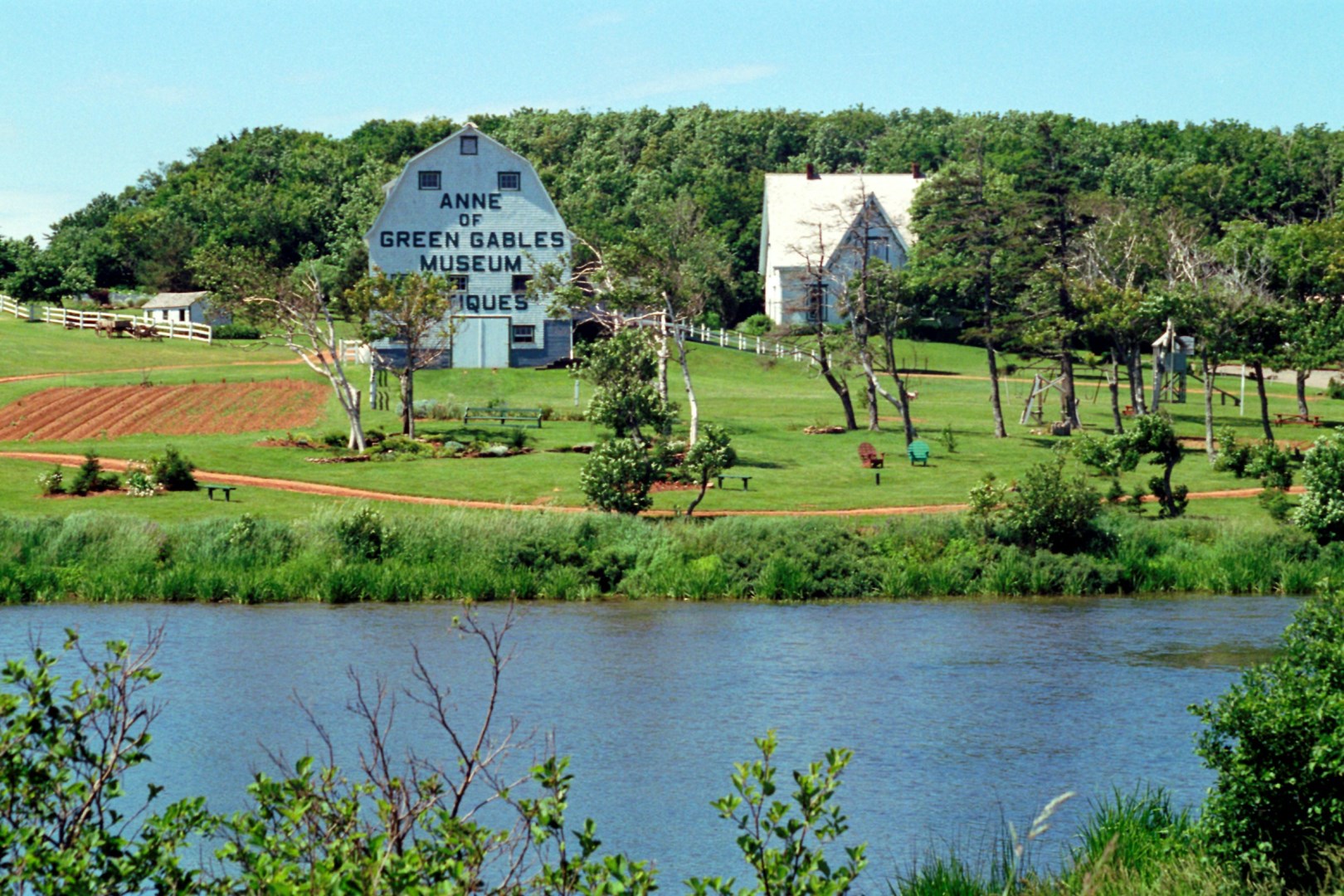
Park Corner
Park Corner is a rural community in Prince Edward Island's Queens County, situated near the shores of New London Bay. The area is closely associated with Lucy Maud Montgomery, the Island author whose Anne of Green Gables stories drew on the landscapes and communities of Prince Edward Island. Park Corner is surrounded by farmland, woodland, and coastal scenery, with the nearby Lake of Shining Waters forming part of the setting connected to Montgomery's writing.