Mt. Rushmore
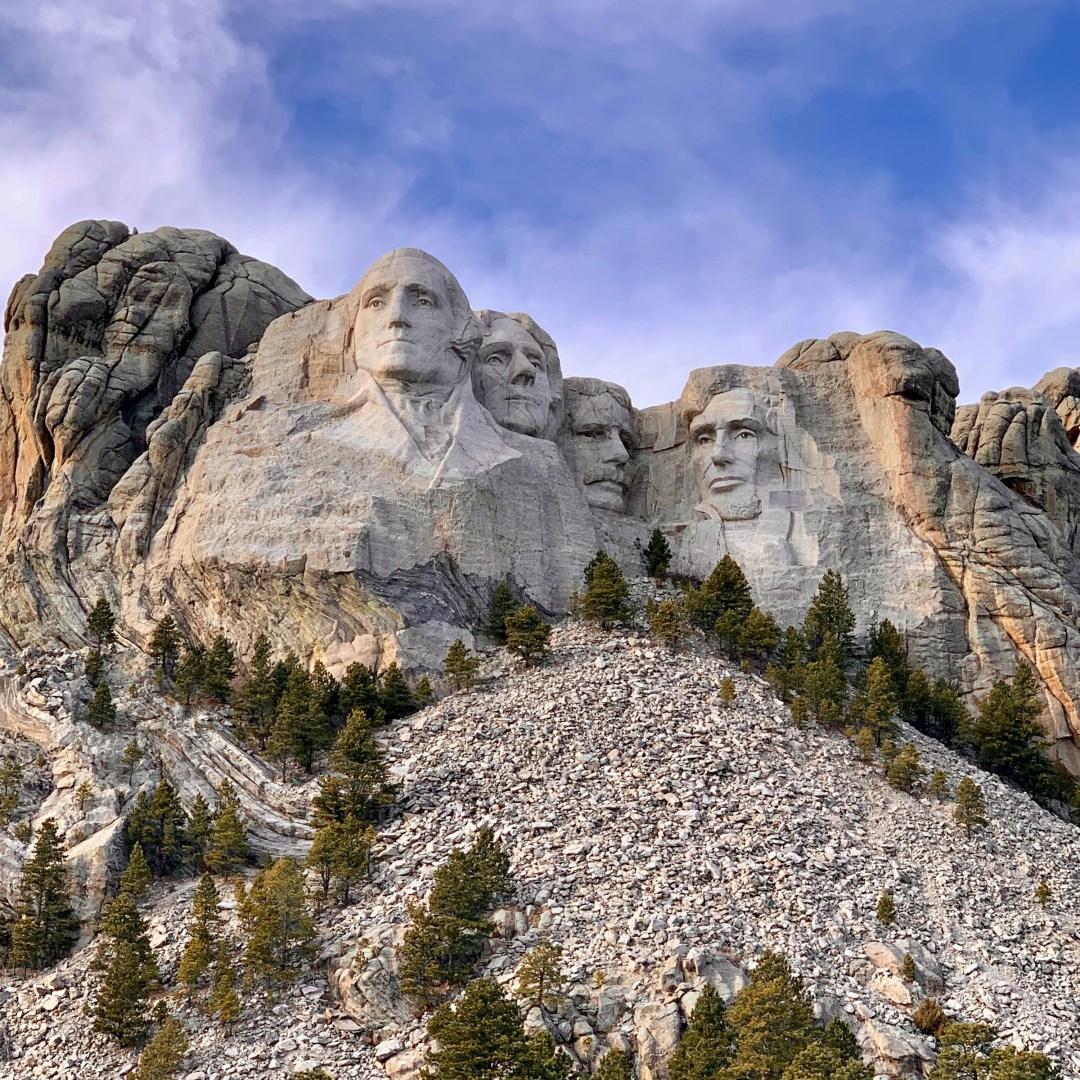
Located about twenty-five miles southwest of Rapid City, South Dakota, lies Mount Rushmore. Following Highway 244 from the west leads to the orientation center. There exhibits tell how sculptor Gutzon Borglum carved away twice the rock needed to construct Egypt's Great Sphinx (which isn't even as tall as Washington's nose).
Walla Walla
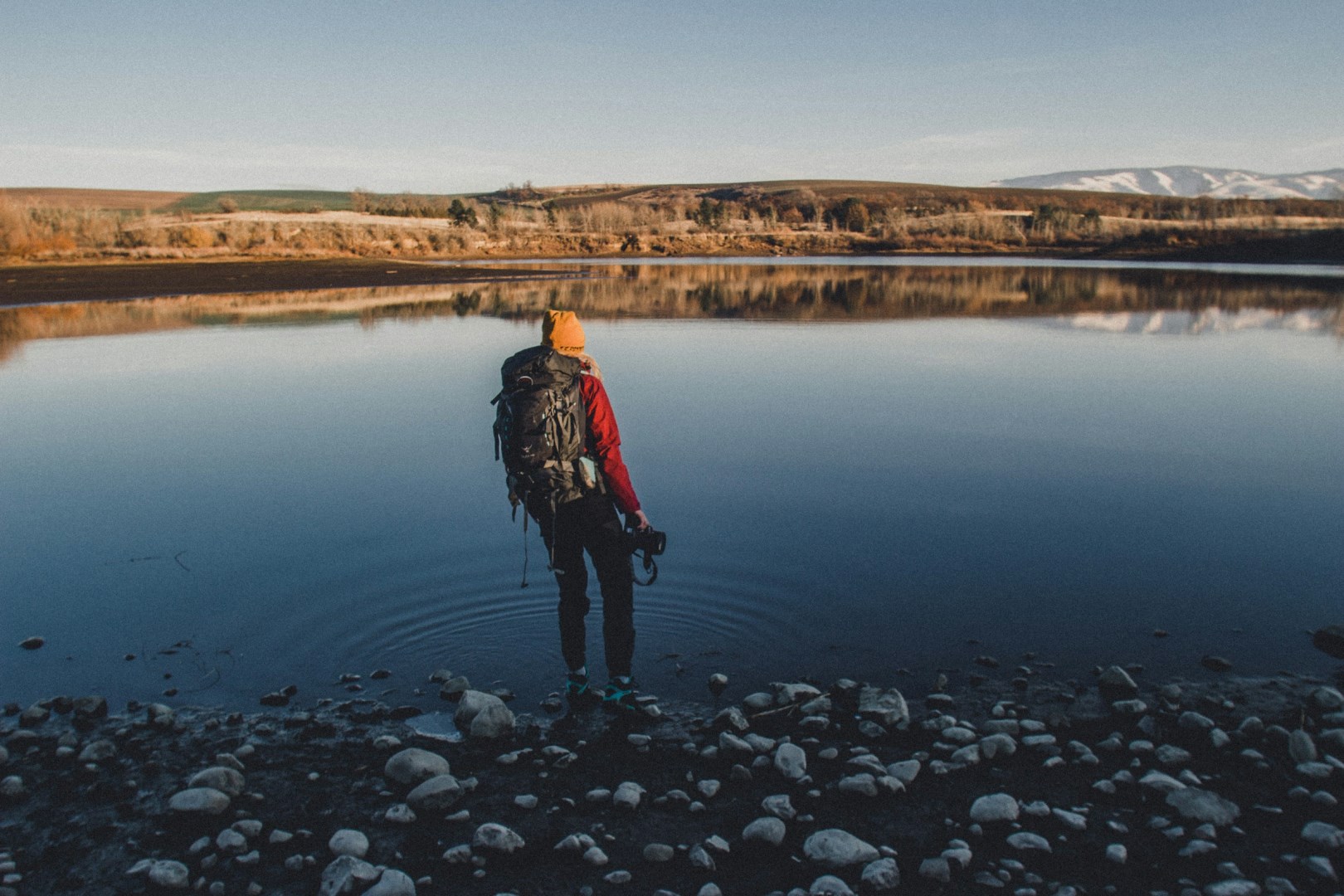
Walla Walla, Washington, is a hidden gem in the Pacific Northwest, renowned for its stunning vineyards and rich history. This charming city is nestled in the heart of the Walla Walla Valley, an area celebrated for its world-class wine production. The region’s wineries, offer exquisite tastings and picturesque settings, making Walla Walla a must-visit for wine enthusiasts.
Geelong
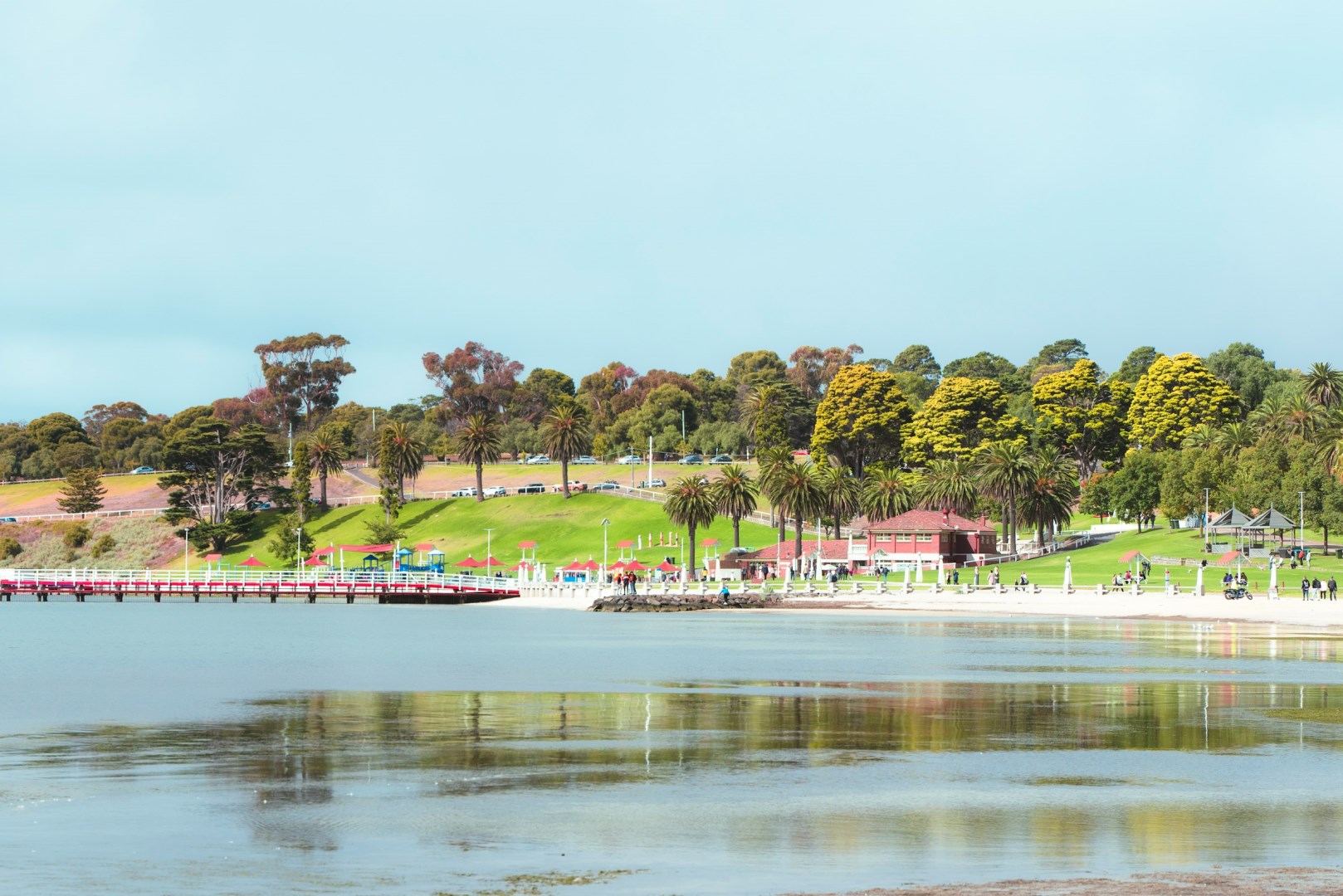
Geelong, located on the southwestern shore of Port Phillip Bay in Victoria, Australia, is a vibrant regional city with a rich maritime and industrial heritage. Once a hub for wool export and manufacturing, Geelong has transformed into a center for arts, culture, and tourism while retaining its historical charm.

Bimini Islands
The Bimini Islands, the westernmost point of the Bahamas, are a tiny chain of islands steeped in history, legend, and natural wonder. Bimini has long been celebrated as the “Gateway to the Bahamas,” blending fishing traditions, maritime lore, and a laid-back island culture.
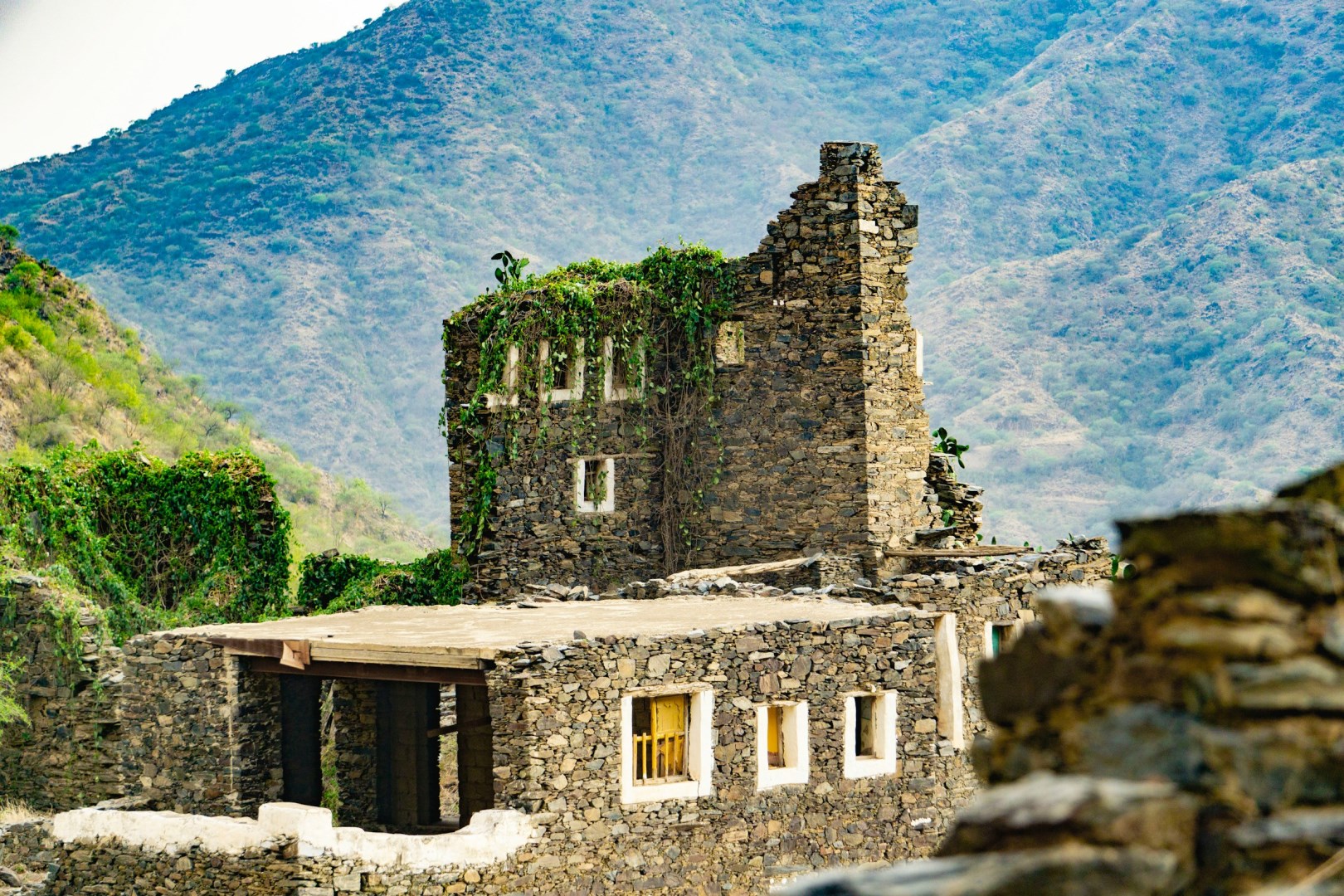
Abha
Abha, the capital of Saudi Arabia’s Asir Province, is a scenic mountain city set nearly 2,200 meters (7,200 feet) above sea level in the Sarawat Mountains. Known for its mild climate, lush green hills, and misty peaks, it stands in striking contrast to the country’s desert landscapes.