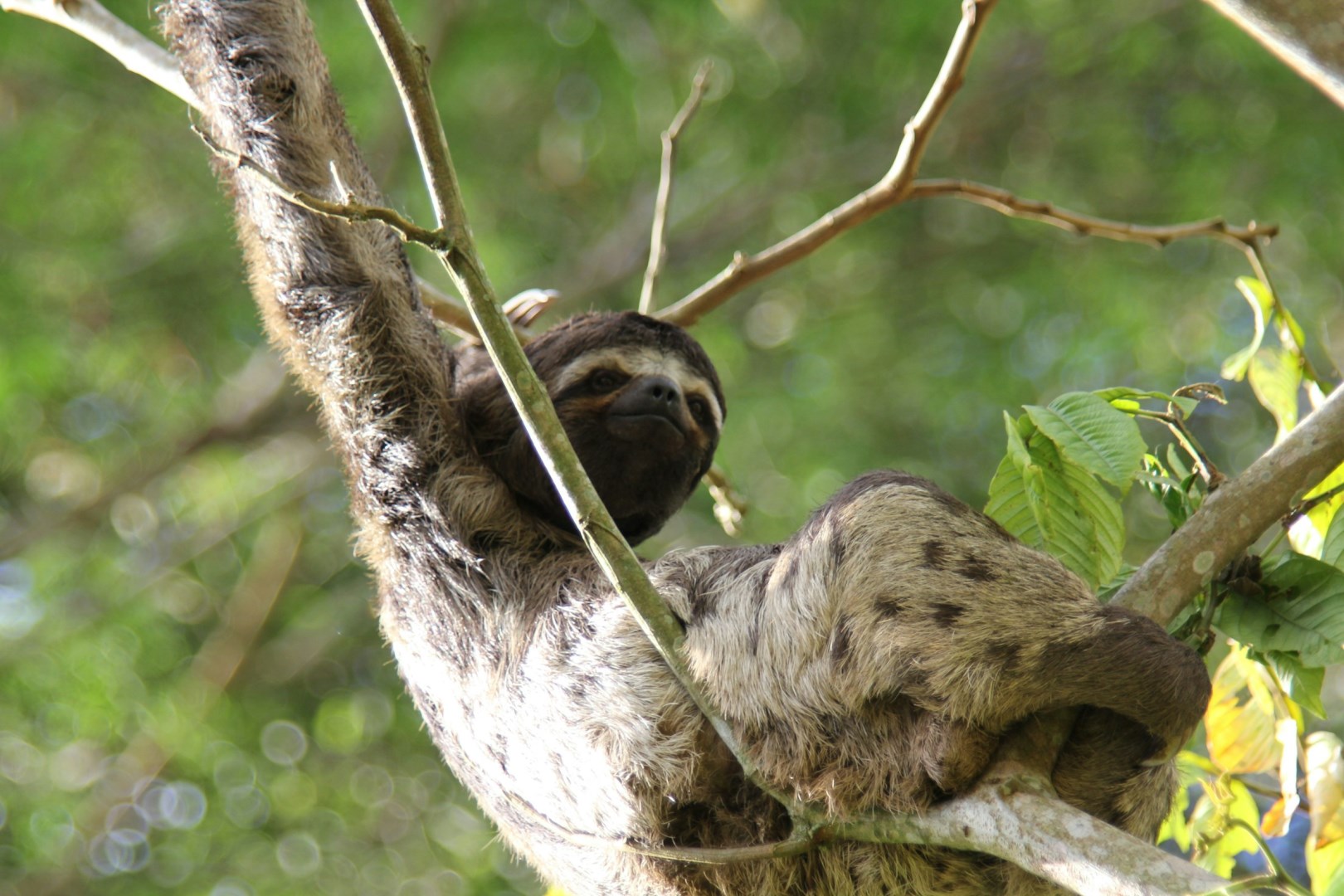
Tauranga
Tauranga, New Zealand, lies southeast of Auckland and is an adventure-lover's paradise. Originally settled by the Māori peoples, this vibrant city is a popular destination for hiking, kayaking, biking, golfing, and everything active. Hike up Mount Maunganui for stunning panoramic views of the city below, then hit nearby Mount Maunganui Beach to soak up the sun or play in the sand.
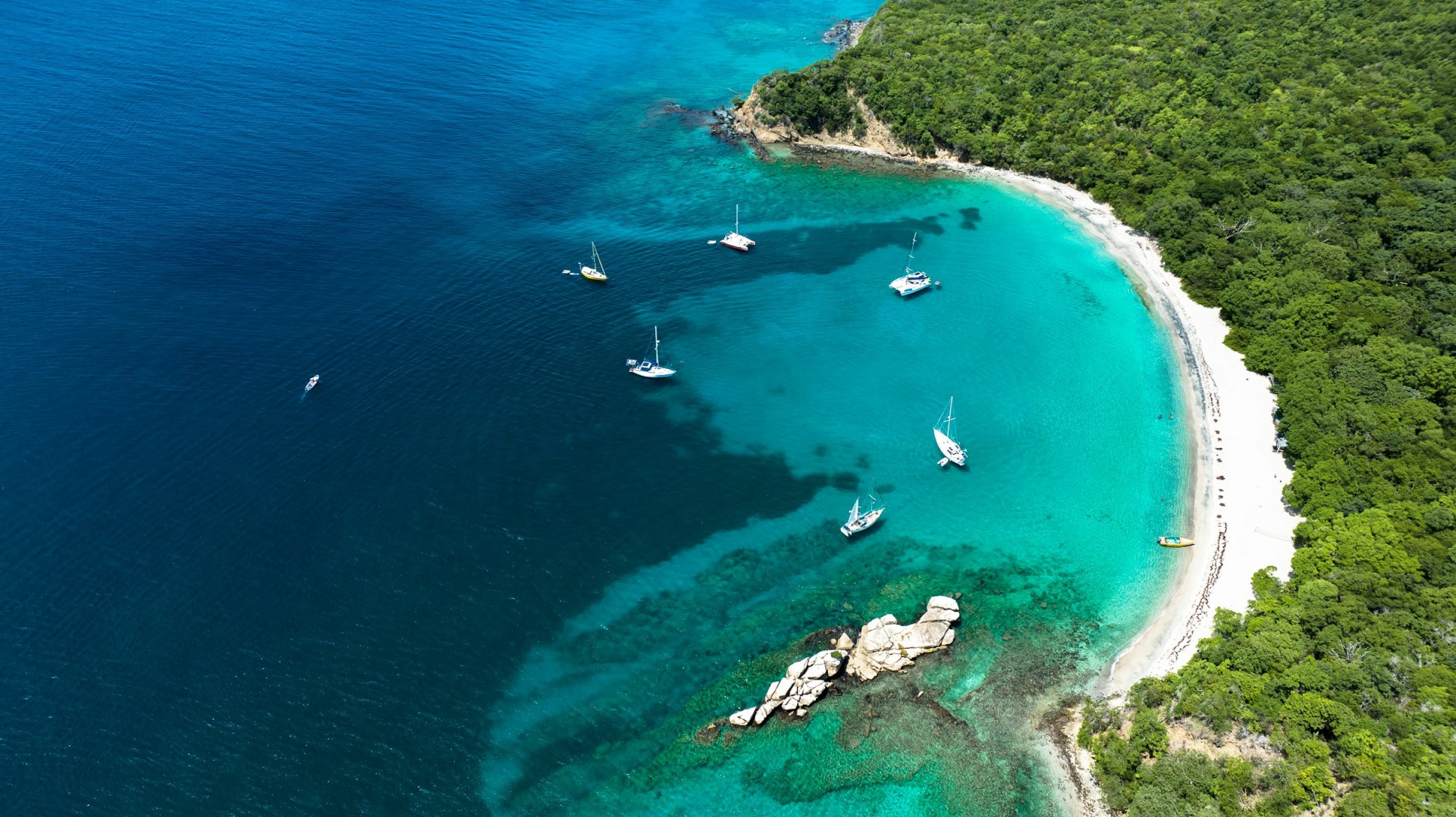
Carriacou
Carriacou is the largest of Grenada’s sister islands and part of the Grenadines, lying north of mainland Grenada between the Caribbean Sea and Atlantic Ocean. The island has a relatively dry climate and a landscape of low hills, rocky headlands, coral reefs, beaches, and small valleys used for farming. Hillsborough is the main settlement, while Windward, L’Esterre, and Tyrell Bay are among the island’s other communities.
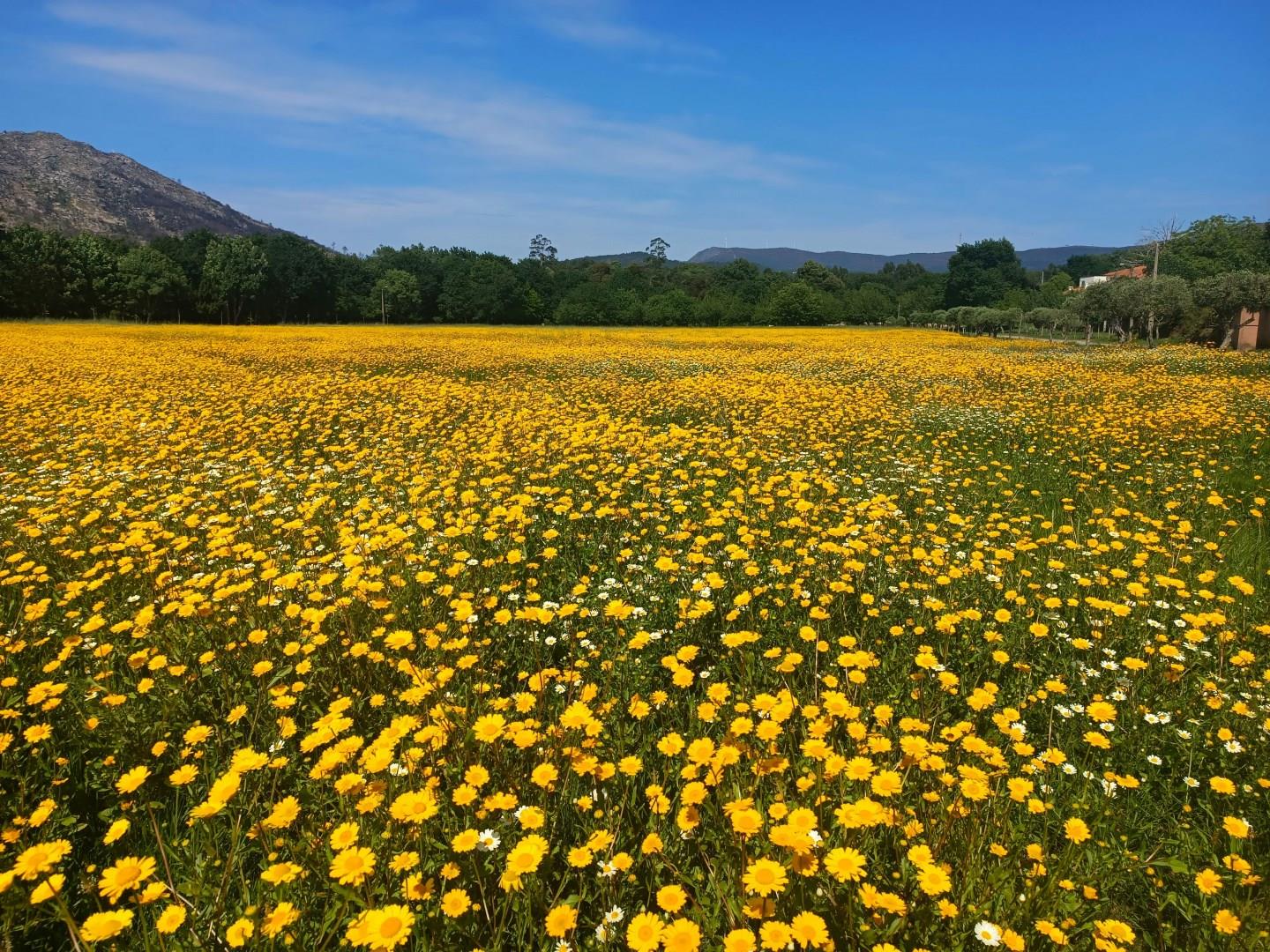
Caminha
Caminha sits at Portugal’s northern edge, where the Minho River meets the Atlantic and marks the border with Spain. Its history is closely tied to defense and trade, visible in remnants of medieval walls and a compact historic center that once guarded the river mouth.
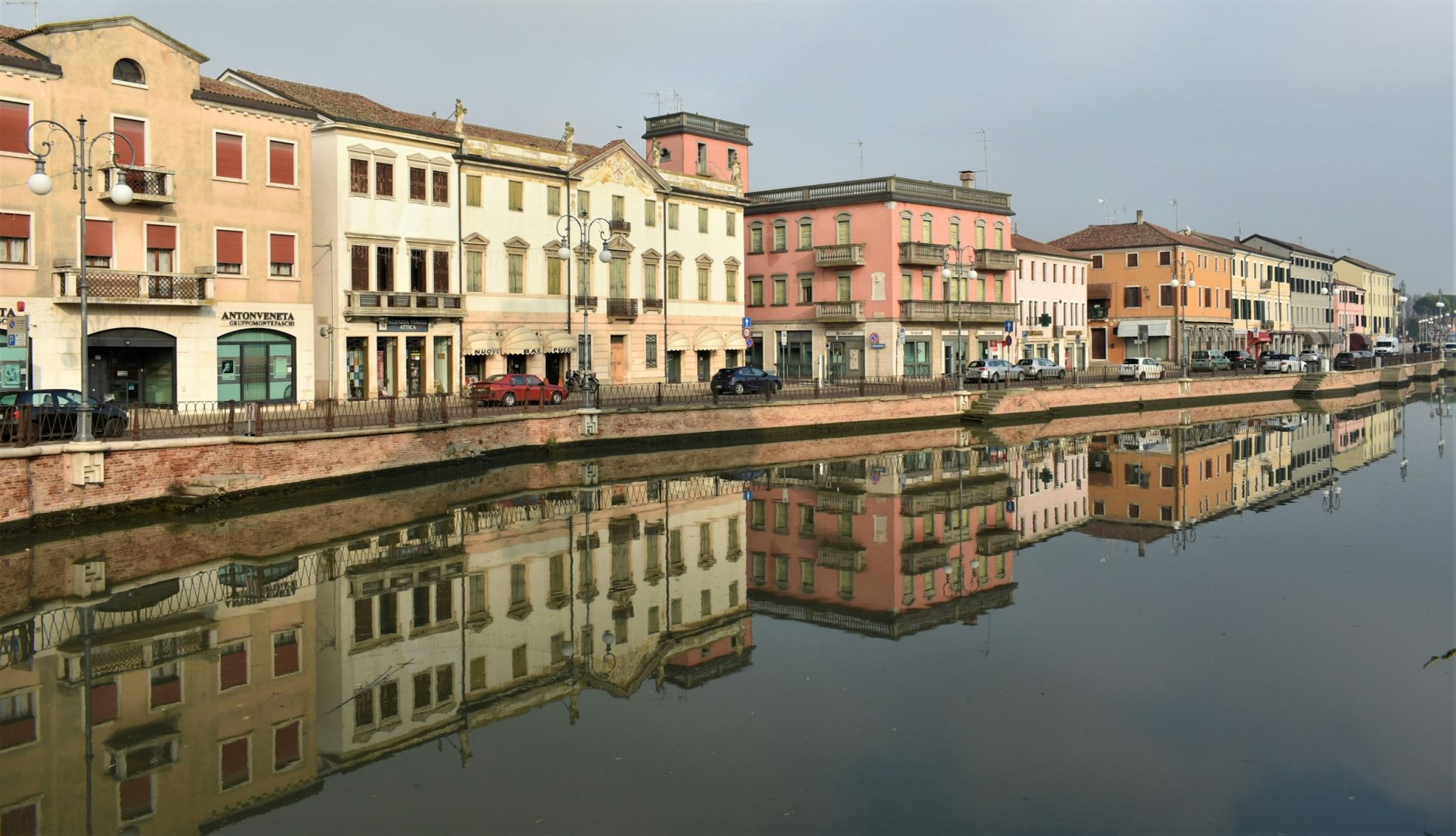
Adria
Adria is a historic town in the Veneto region of northeastern Italy, situated between the Po River and the Adriatic coast. Its name is closely associated with the Adriatic Sea, while its modern landscape lies within the flat, water-rich countryside of the Po Delta. The town developed around waterways that have long supported agriculture, trade, and transport.
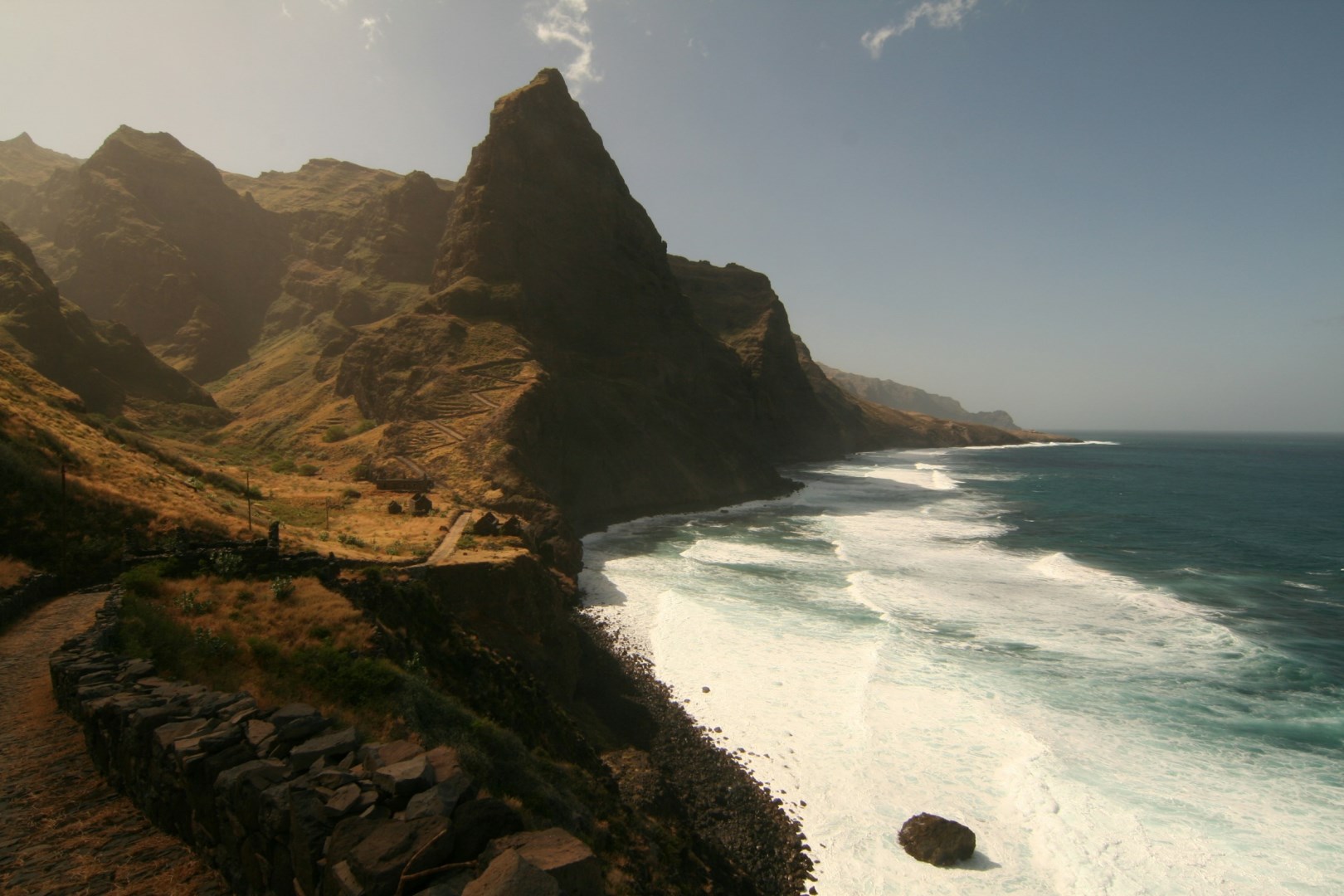
Ponta do Sol
Ponta do Sol is a small coastal town on the northern shore of Santo Antão, one of Cabo Verde’s most mountainous islands. The settlement sits between steep valleys and the Atlantic Ocean, with colorful buildings clustered around narrow streets and a waterfront used by local fishermen. Its position makes it an important starting point for exploring Santo Antão’s rugged northern coast and inland valleys.