Skopelos
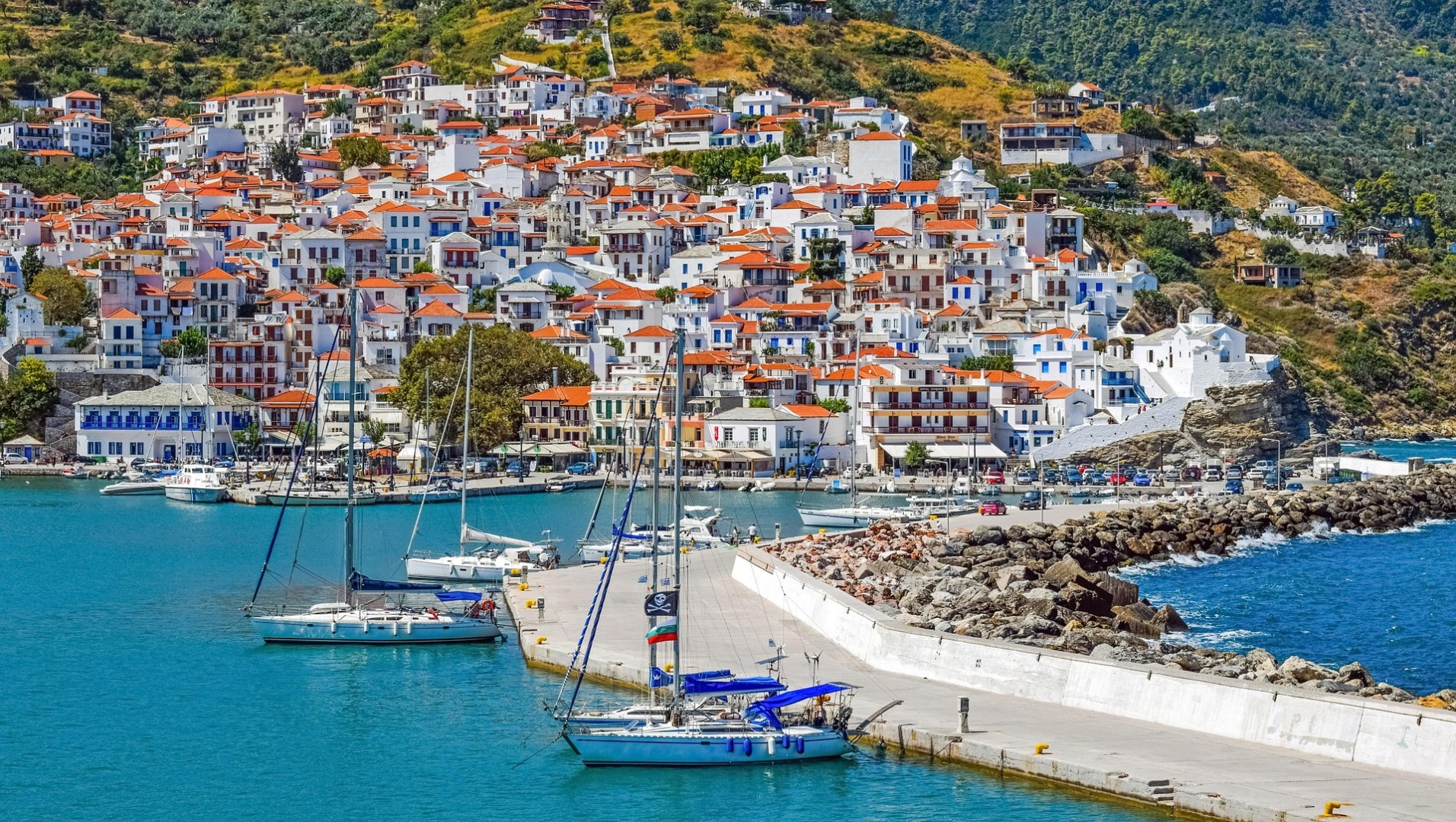
Skopelos is the largest island of the Northern Sporades, situated between Skiathos and Alonissos in the Aegean Sea. It is notably green, with pine forests and olive groves covering much of the island and reaching close to the coast. Skopelos Town, the island’s main settlement, rises amphitheatrically above the harbor, with white houses, tiled roofs, stone lanes, and numerous churches.
Jellyfish Lake
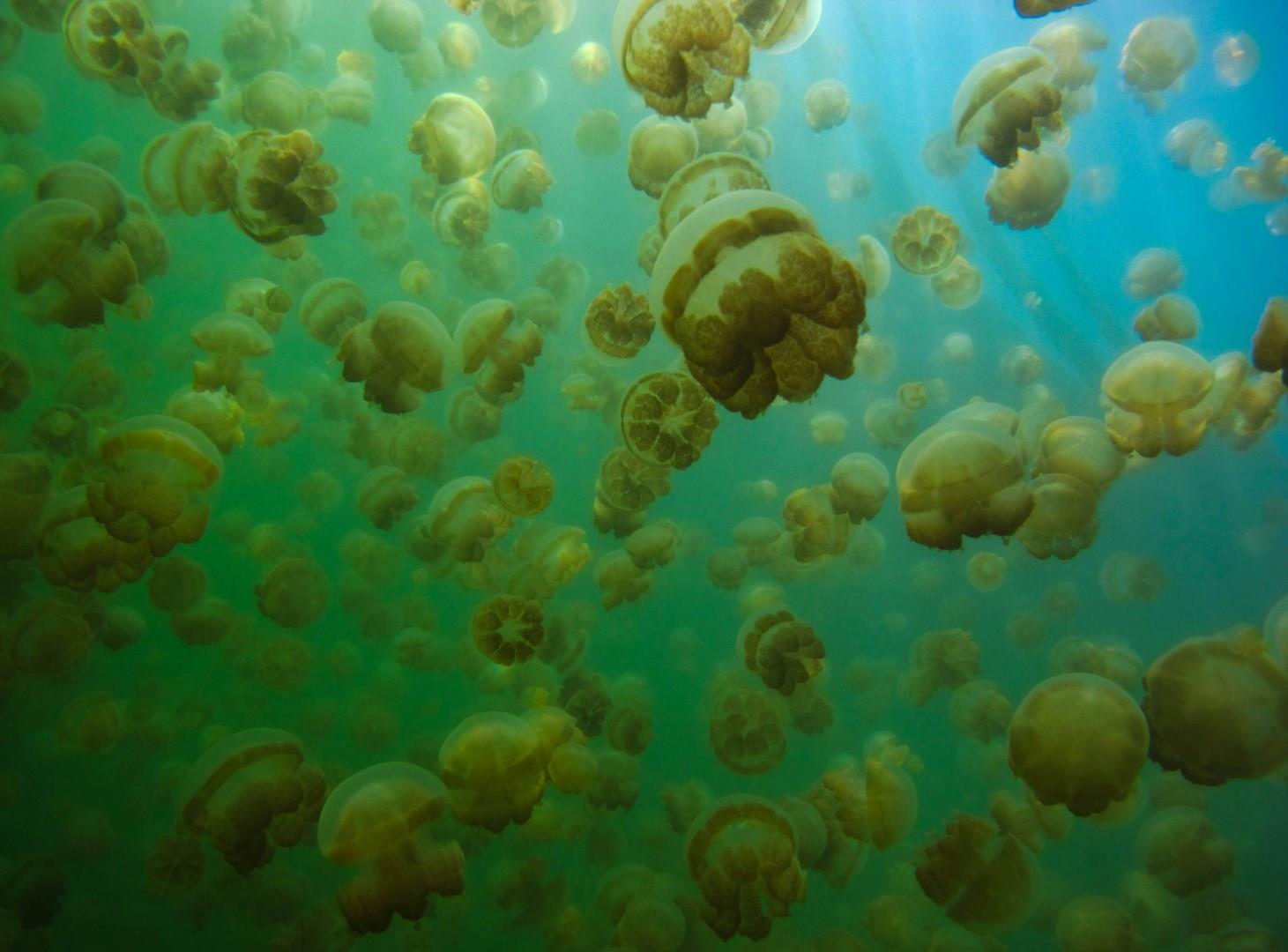
Jellyfish Lake is a shadowed oasis hidden among the mushroom-like Rock Islands of Palau. This forest‑fringed saltwater lake invites visitors to float with millions of gentle, stingless jellyfish that glow like drifting amber clouds under emerald light. The lake formed about 12,000 years ago, when rising seas flooded an ancient reef basin that was gradually cut off from the ocean. Over centuries, its jellyfish evolved in isolation, shedding their stings and multiplying without predators in sight.
Campo Grande
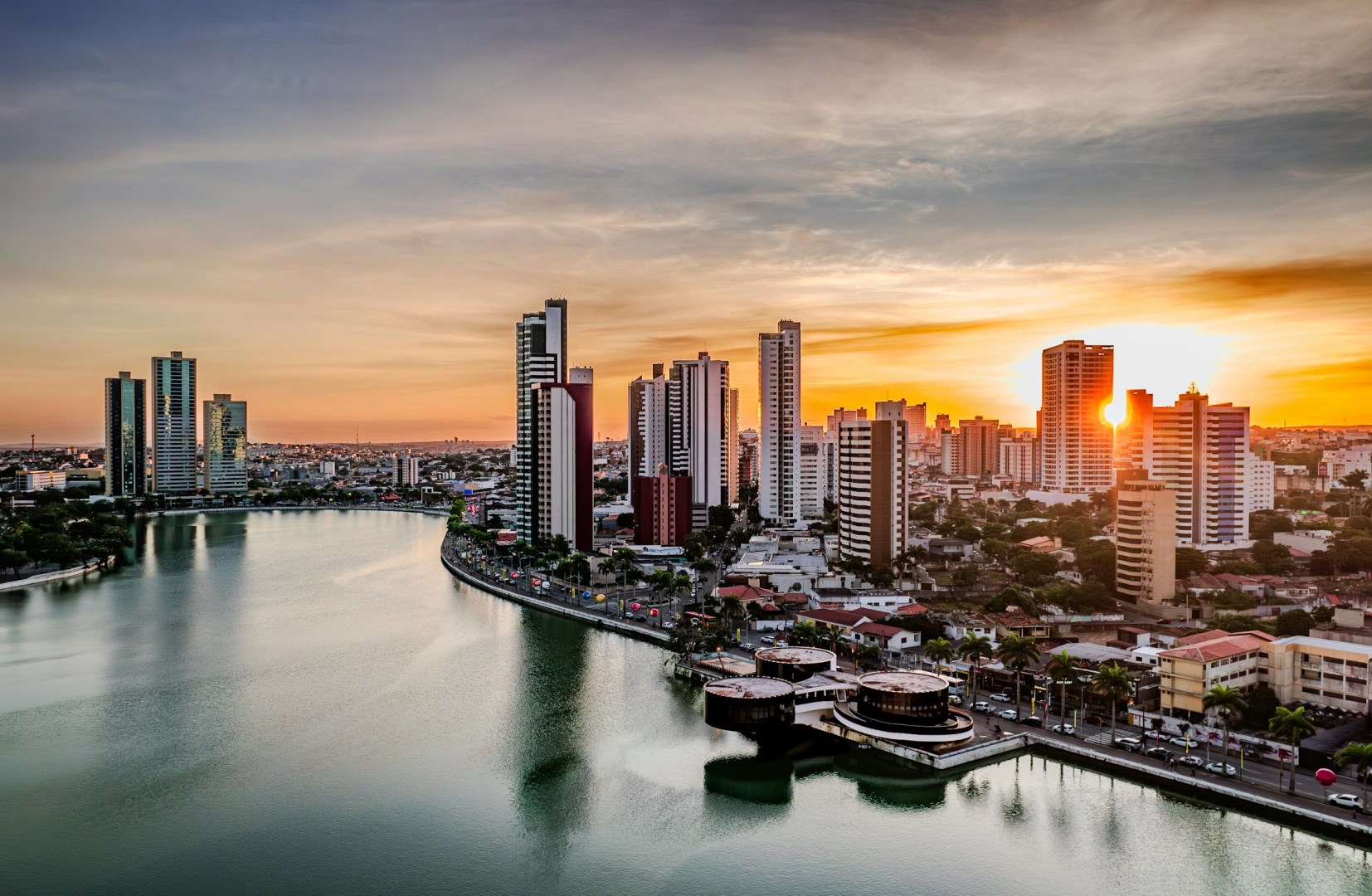
Campo Grande is the capital of Mato Grosso do Sul in central-western Brazil and an important urban gateway to the southern Pantanal and destinations such as Bonito. The city is often known as Cidade Morena, a reference to the reddish soil found across the region. Its broad avenues, parks, and low-density neighborhoods reflect its location on the edge of the Brazilian interior, where urban life meets ranching country and cerrado landscapes.
Manama
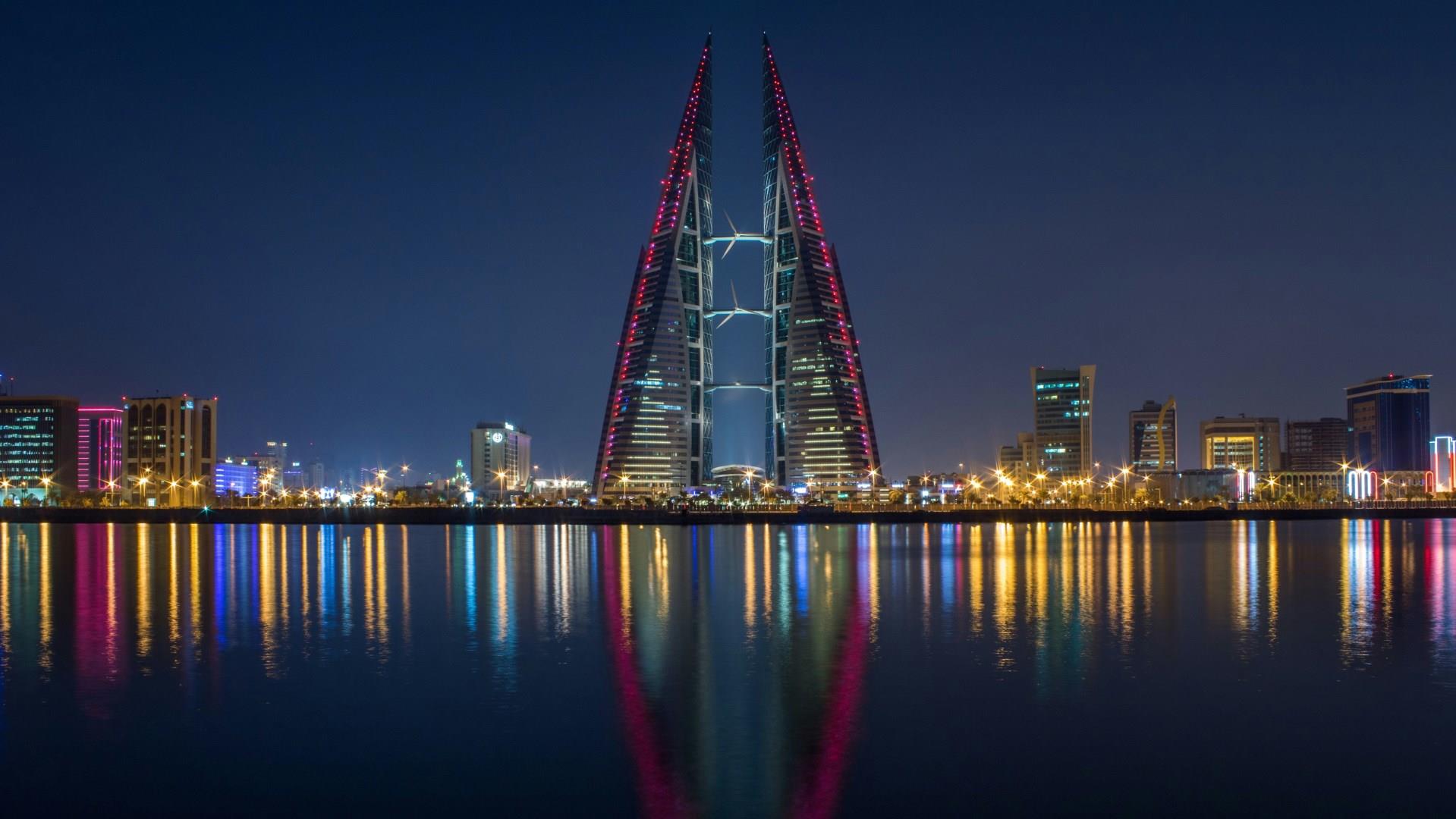
Manama pulses with stories from long ago and today. Just beyond the modern skyline lies Qal’at al‑Bahrain, a layered mound once the capital of Dilmun, used by societies from the Kassites to the Portuguese. Visitors can climb its crumbling stairways and imagine life across centuries there. Nearby, the Bahrain National Museum, opened in 1988 in a stately waterside building, displays archaeological finds from ancient Dilmun to modern-day artifacts and is one of the Gulf's first modern museums.
Chitwan National Park
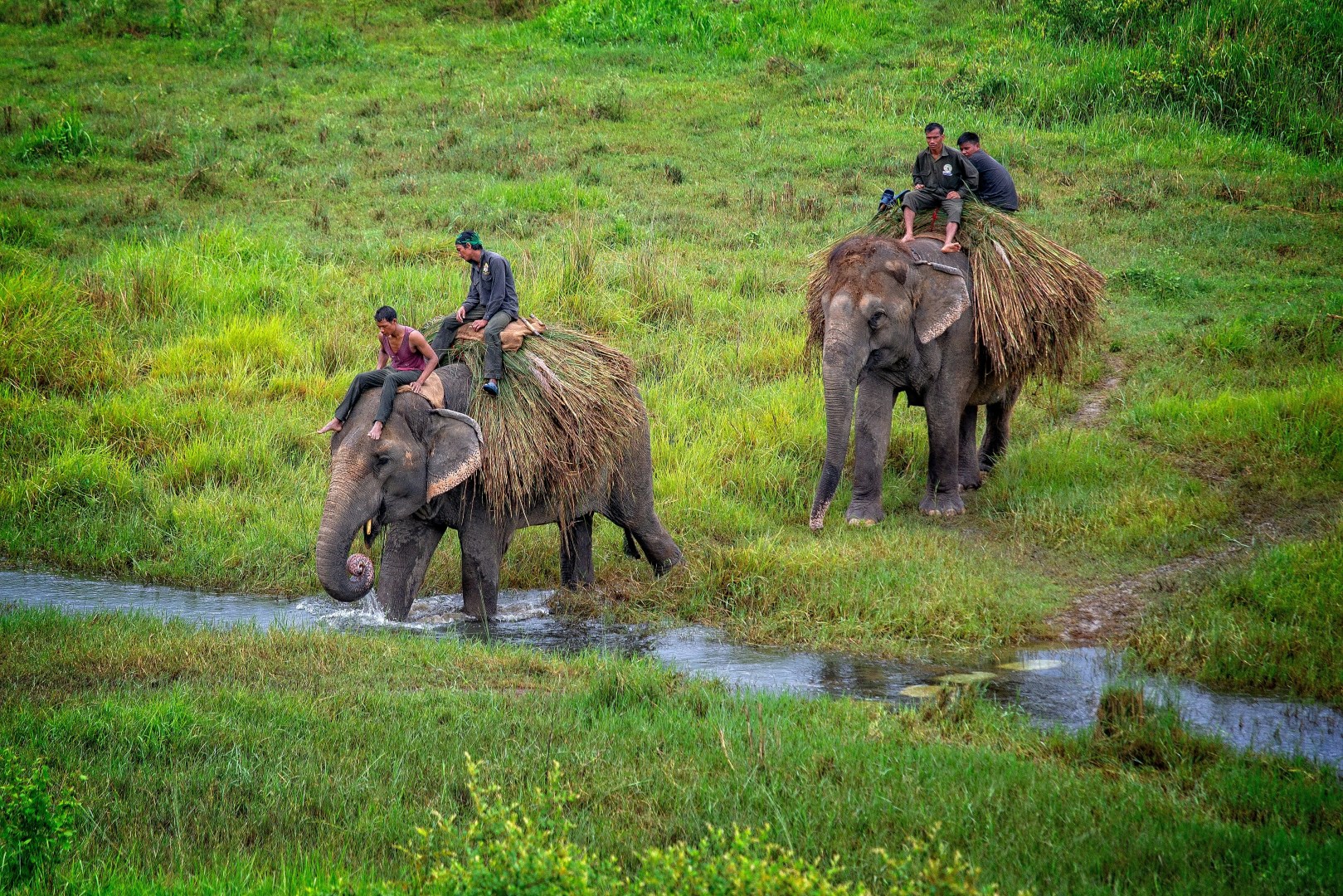
Chitwan National Park is one of Nepal’s most important protected natural areas. Located in the subtropical lowlands of southern Nepal, the park is known for dense sal forests, grasslands, rivers, and a large concentration of wildlife.