Kananaskis, located in the foothills and front ranges of the Canadian Rockies in Alberta, is a vast region celebrated for its rugged mountains, alpine lakes, and outdoor recreation opportunities. Unlike nearby Banff or Jasper, Kananaskis is less developed and offers a quieter, more wilderness-focused experience while still being easily accessible from Calgary.
Dotted with lighthouses along its shoreline, Portland, Maine is a coastal gem in the northeastern United States and a veritable paradise for lovers of fresh seafood, craft breweries, and small-town charm. At the center of downtown Portland, the Old Port neighborhood boasts a number of unique and historical buildings, trendy restaurants and bars, and picturesque views of the Portland Harbor.
St. Vincent & the Grenadines is a Caribbean nation that feels both adventurous and serene, a chain of lush islands and tiny cays scattered across turquoise waters. The main island of St. Vincent is dominated by volcanic landscapes, including the active La Soufrière volcano, whose slopes are covered in rainforest and dotted with waterfalls.
Denver, Colorado, known as the “Mile High City” for its elevation exactly 5,280 feet above sea level, offers far more than a mountain backdrop. It’s a city where old saloons, Victorian homes, and vintage brick warehouses sit beside sleek skyscrapers and buzzing food halls. While the nearby Rocky Mountains are visible from almost anywhere in the city, places like City Park and Washington Park offer wide green spaces right in town.
North Conway, located in New Hampshire’s Mount Washington Valley, has drawn visitors since the mid-19th century, when artists from the White Mountain School began painting its dramatic landscapes. Today, the area still offers scenic appeal, anchored by the towering presence of Mount Washington, the tallest peak in the northeastern U.S. Historic photographs and lithographs of North Conway hang in galleries downtown, showing just how little the iconic views have changed in over 150 years.
Iguassu Falls, straddling the border between Brazil and Argentina, is a breathtaking natural wonder that captivates visitors with its sheer scale and beauty. This UNESCO World Heritage Site boasts the largest waterfall system in the world, with nearly 275 individual falls cascading over a rugged landscape. The Brazilian side of the falls offers stunning panoramic views, where visitors can marvel at the thundering torrents and the vibrant rainbows that often form in the mist.
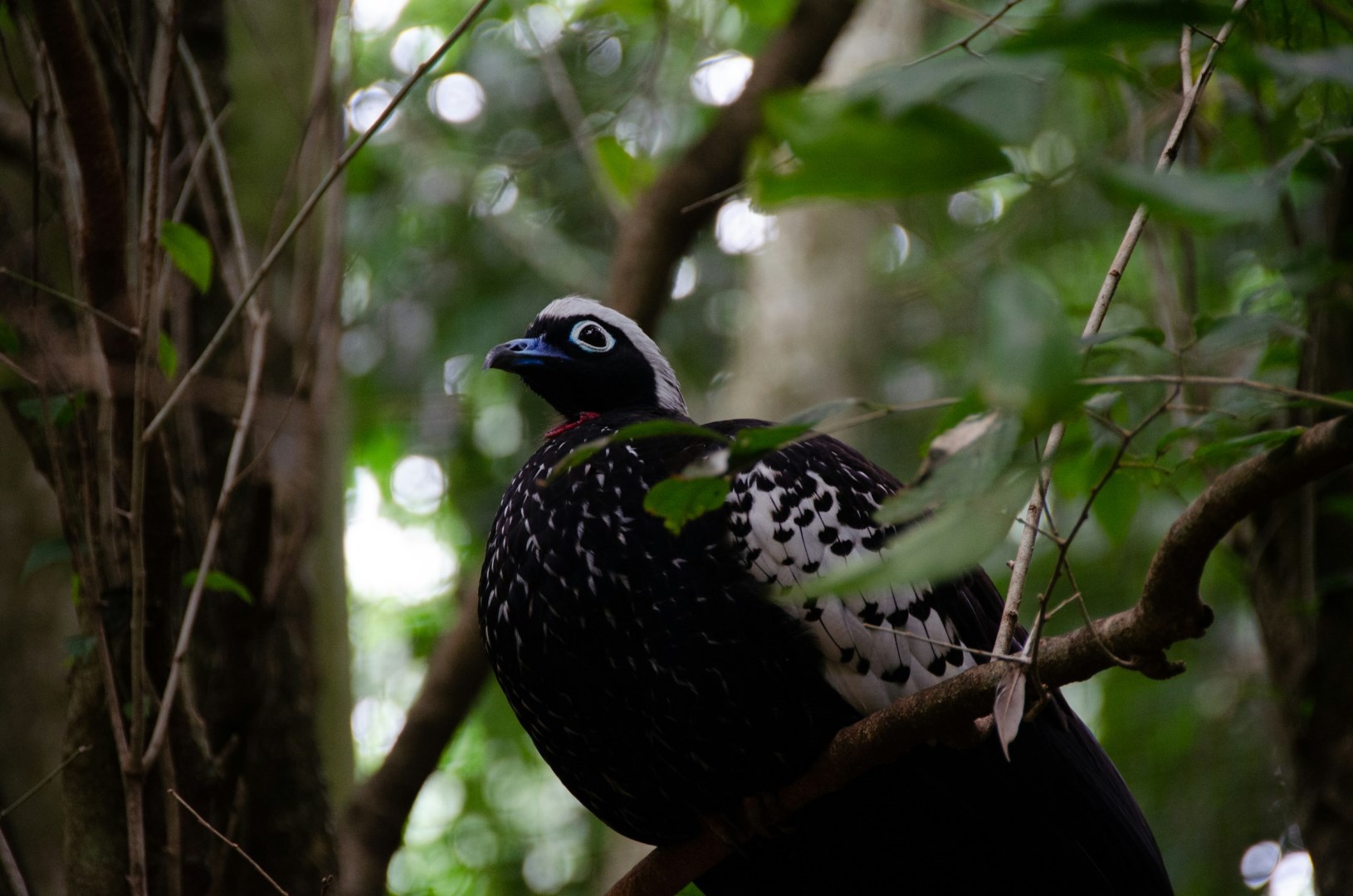
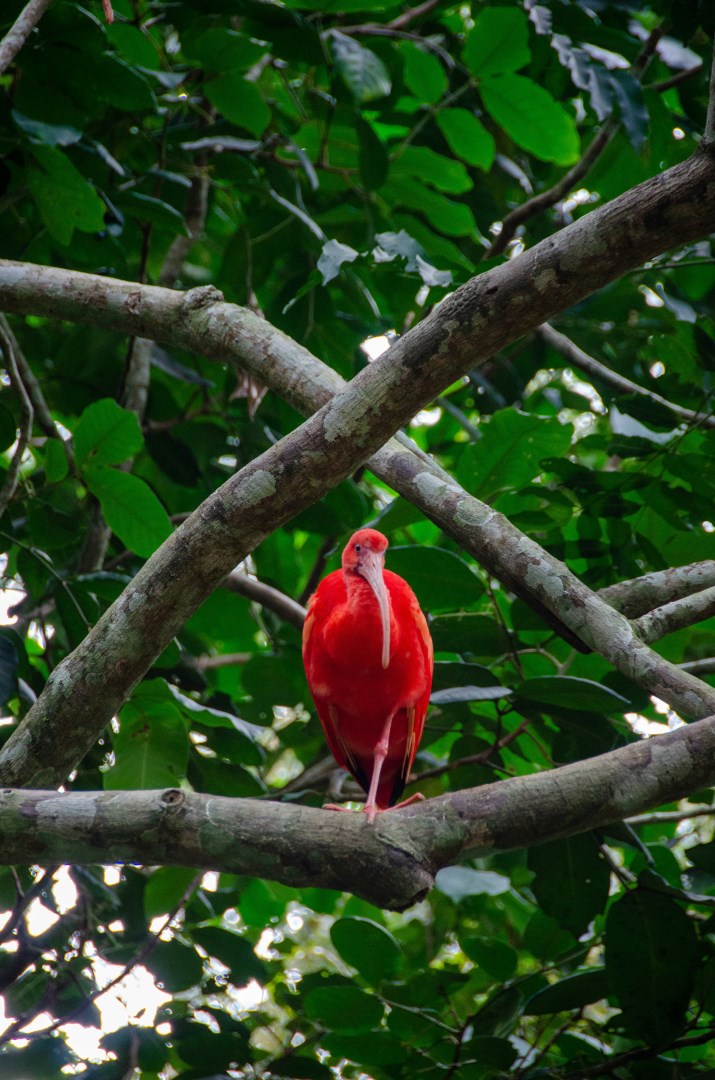
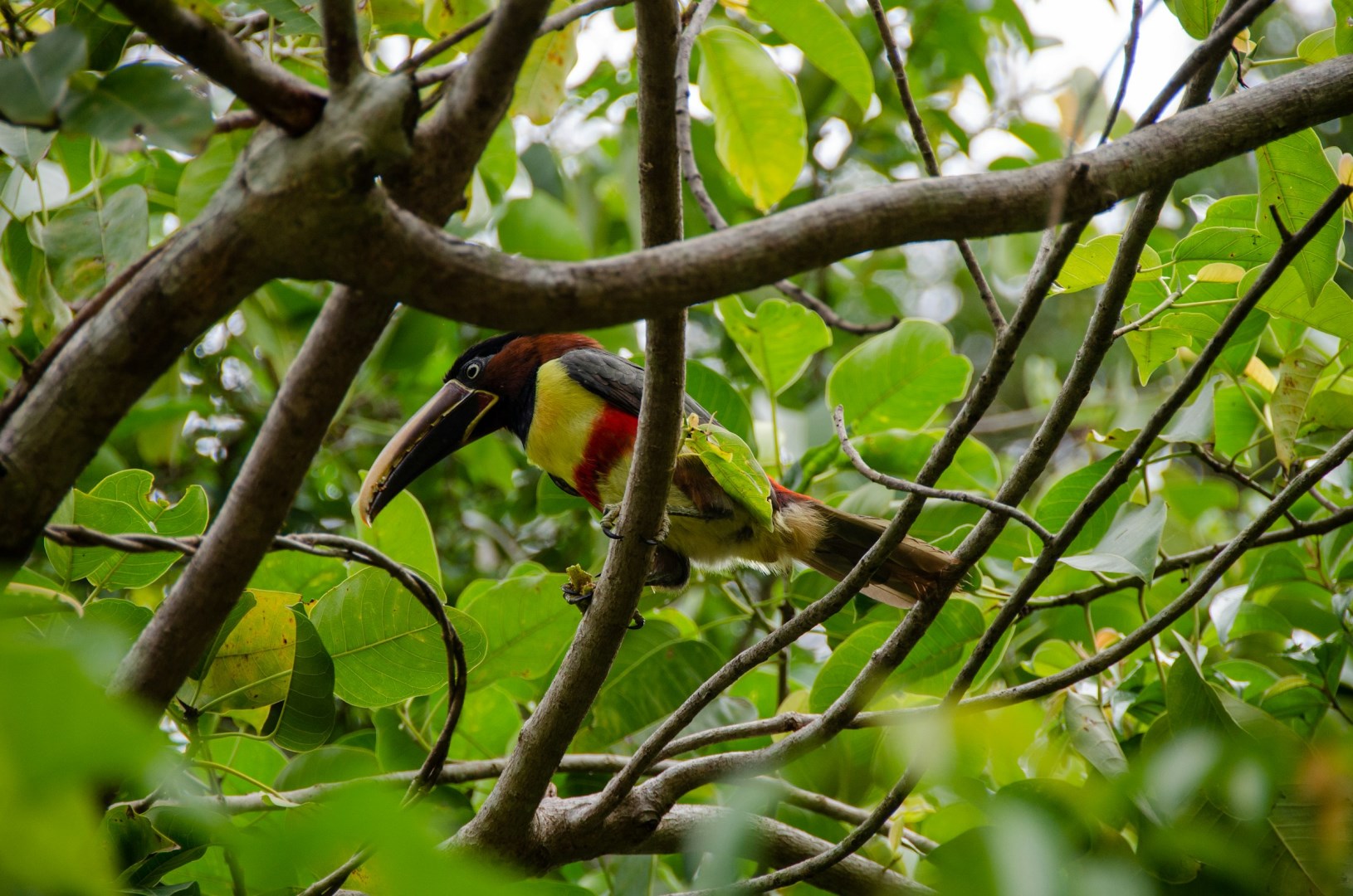
The Iguassu National Park, which encompasses the falls, is a lush haven of biodiversity. Here, travelers can embark on a series of thrilling activities, including boat rides that take you close to the base of the falls, where you’ll feel the raw power of the water as it crashes down. For a more serene experience, the park's extensive network of trails provides opportunities for observing diverse wildlife, including toucans, jaguars, and capuchin monkeys.
A visit to the falls also offers a unique chance to explore the Argentinian side, where the Garganta del Diablo (Devil's Throat) viewpoint provides an unparalleled perspective of the falls' most dramatic and powerful section. The extensive network of walkways on this side allows visitors to get up close to the thundering cascades, enhancing the sensory experience.
A fun fact about Iguassu Falls is that the local name "Iguassu" means "big water" in the Tupi-Guarani language, reflecting the grandeur of this natural wonder. The falls were also featured in the 2016 film The Jungle Book as a backdrop for the cinematic adventures of Mowgli. Whether you’re an adventure seeker or a nature enthusiast, Iguassu Falls offers an awe-inspiring experience that truly embodies the splendor of South America's natural heritage.