Zagreb, the vibrant capital of Croatia, is a city where history, culture, and a youthful spirit collide in an unforgettable way. Wander through the cobblestone streets of the Upper Town (Gornji Grad) and marvel at its medieval architecture, such as the iconic St. Mark's Church, known for its colorful tiled roof depicting the coat of arms of Zagreb and the Kingdom of Croatia.
Ishigaki, the vibrant hub of the Yaeyama Islands in Japan, is a tropical paradise renowned for its stunning natural beauty and unique cultural heritage. As the largest island in the Yaeyama group, Ishigaki is celebrated for its breathtaking beaches and crystal-clear waters, such as the pristine Kabira Bay, famous for its turquoise hues and coral reefs.
County Kerry, located in Ireland’s southwest corner, is a landscape of dramatic contrasts, where rugged mountains meet serene lakes and Atlantic waves crash against wild peninsulas. Known as “The Kingdom,” Kerry holds deep cultural and historical significance, with ancient ring forts, medieval monasteries, and Gaelic traditions that endure in everyday life.
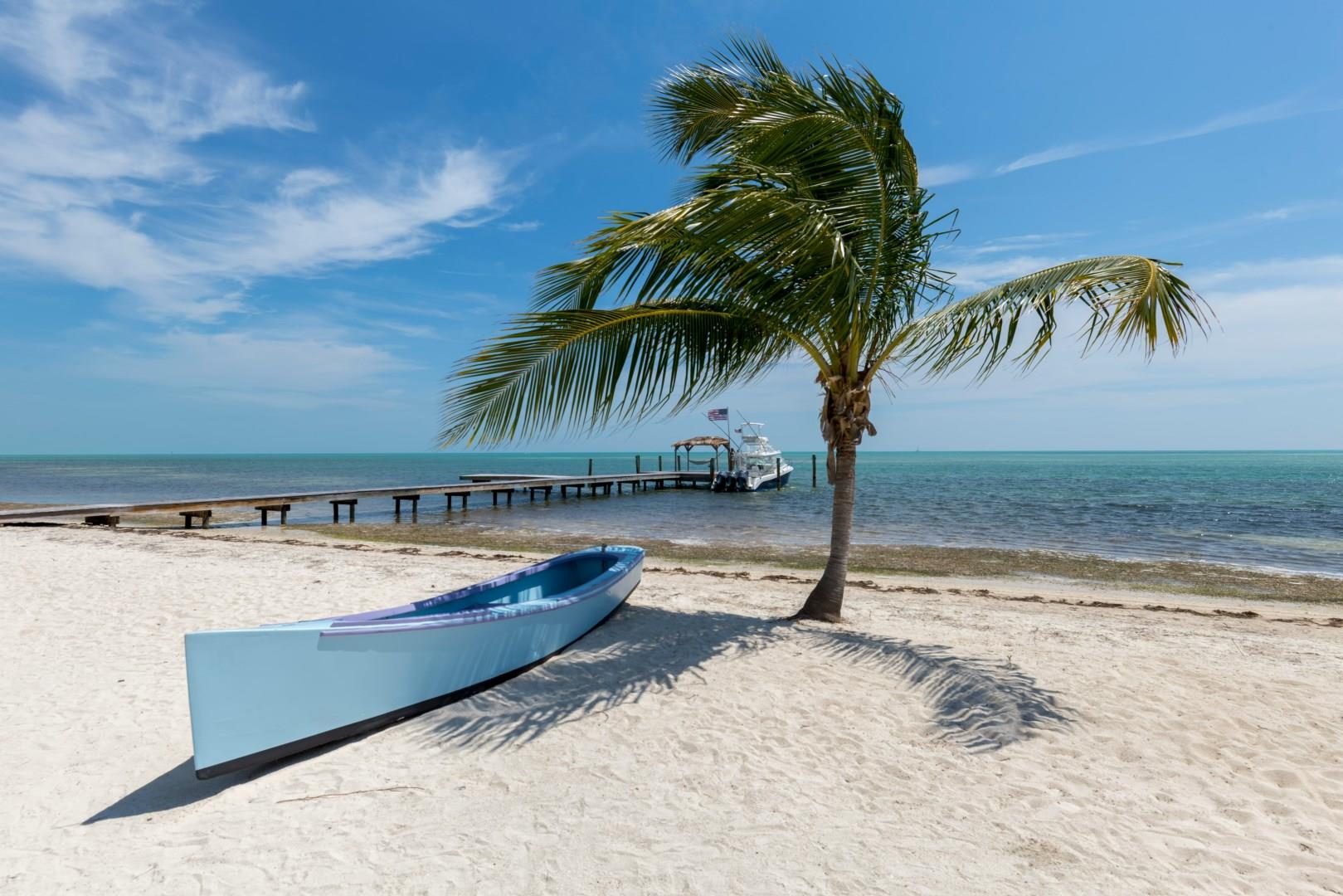
Tahiti is a veritable paradise in the South Pacific. The largest and most populous island of French Polynesia's Society Islands, Tahiti is known for its iconic overwater bungalows, crystal-clear cerulean water, and lush, tropical rainforests.
Tonga is distinctly different to its neighboring island nations. This Polynesian kingdom, made up of 170 islands, carries a proud history that dates back over 3,000 years. On the main island of Tongatapu, travelers can explore ancient stone structures like the Haʻamonga ʻa Maui Trilithon—sometimes called the Stonehenge of the Pacific. Royal tombs in Lapaha offer a glimpse into the lineage of Tonga’s kings, while village life remains guided by customs that have changed little over centuries.
Iguassu Falls, straddling the border between Brazil and Argentina, is a breathtaking natural wonder that captivates visitors with its sheer scale and beauty. This UNESCO World Heritage Site boasts the largest waterfall system in the world, with nearly 275 individual falls cascading over a rugged landscape. The Brazilian side of the falls offers stunning panoramic views, where visitors can marvel at the thundering torrents and the vibrant rainbows that often form in the mist.
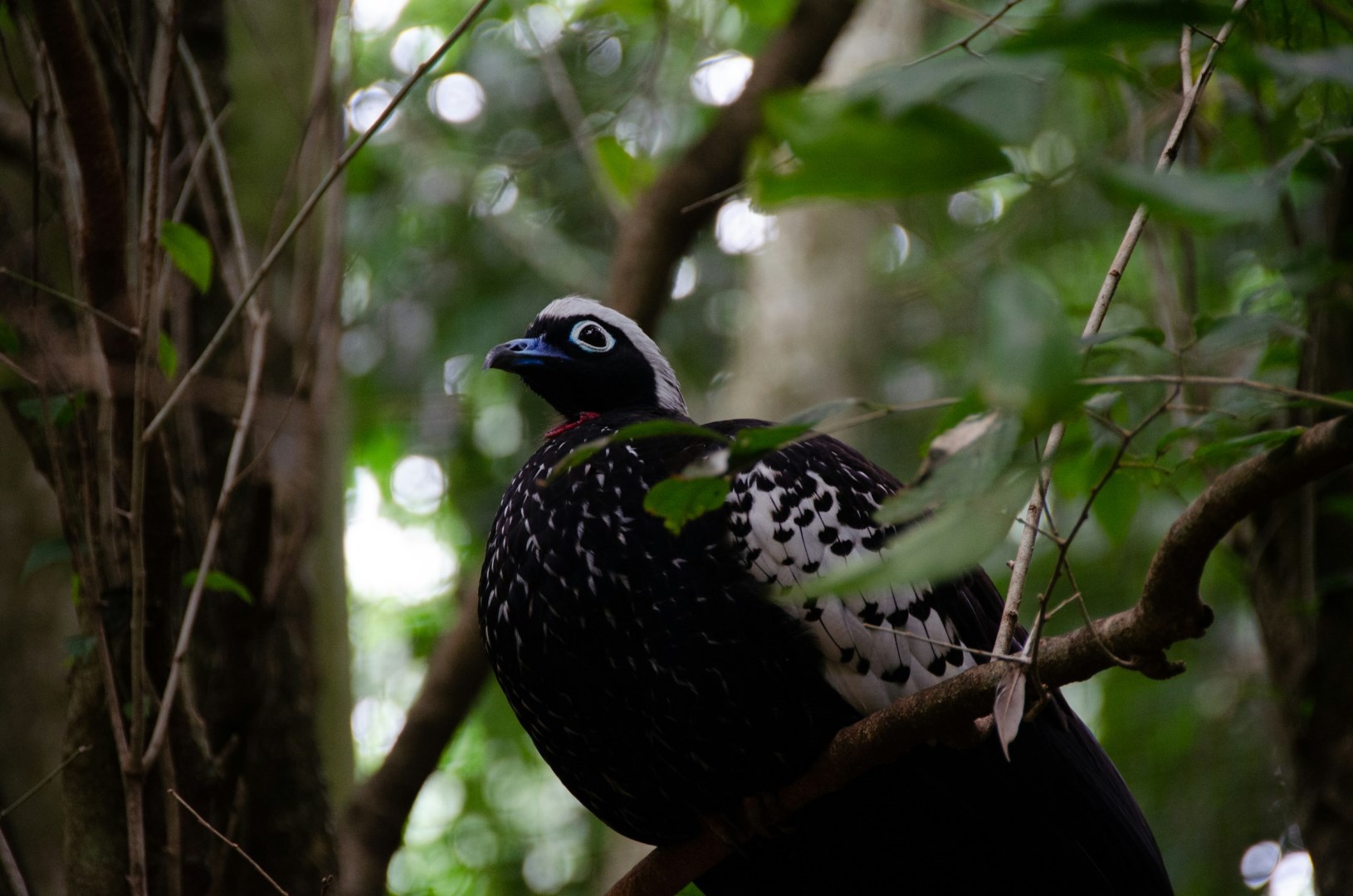
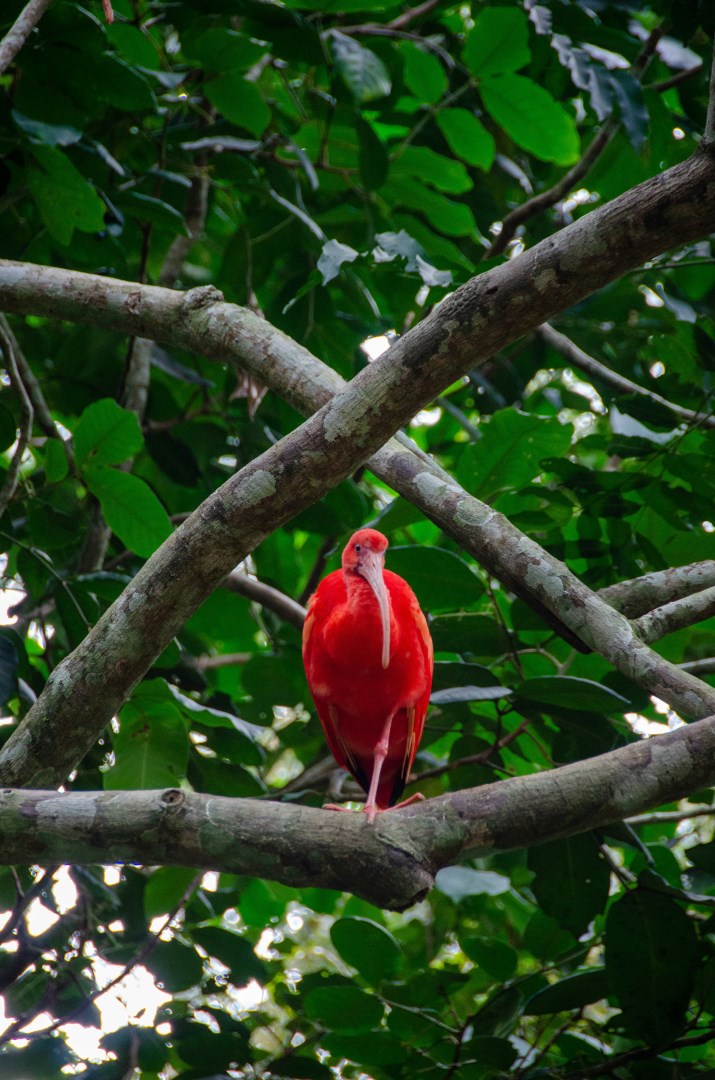
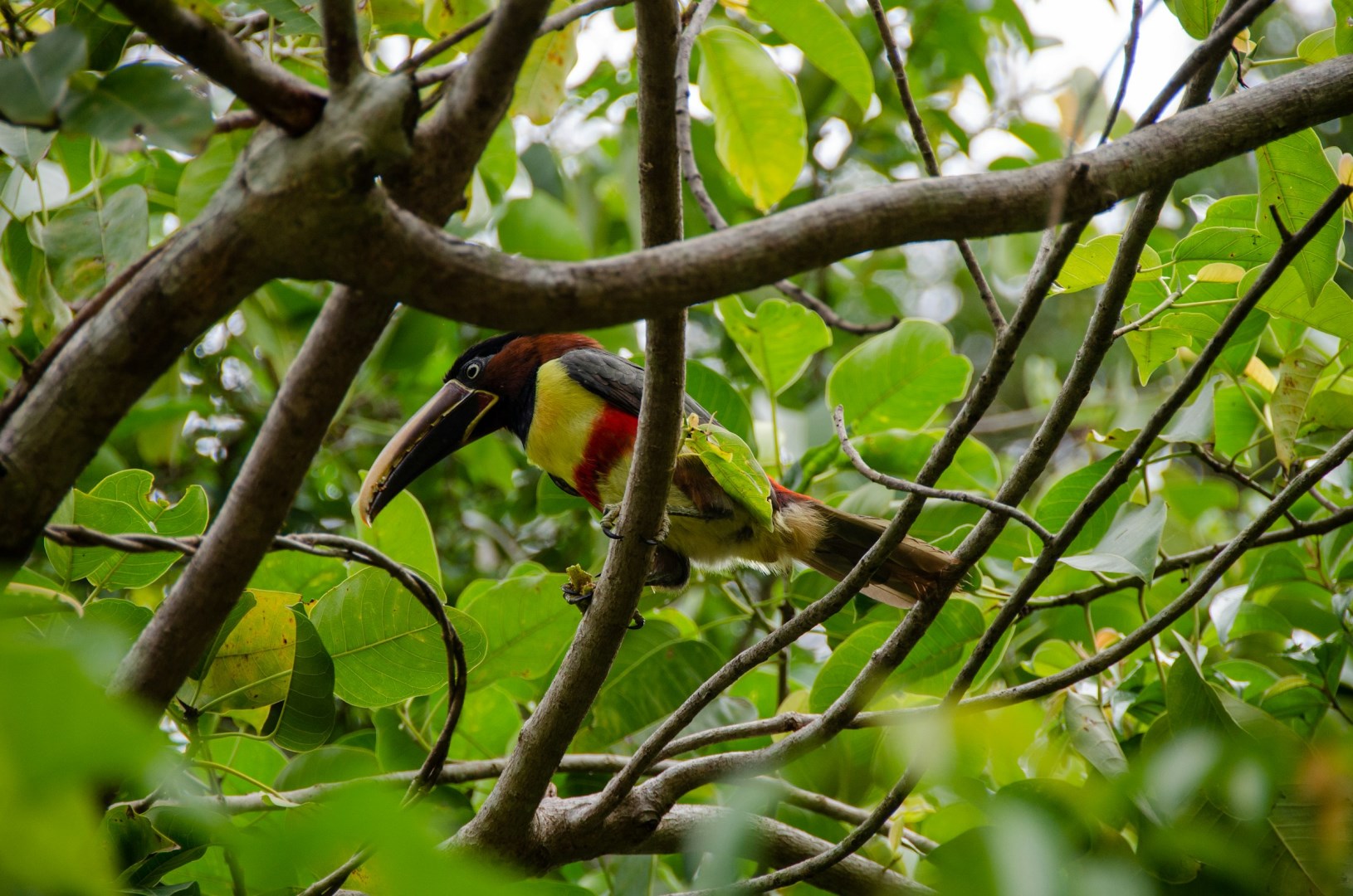
The Iguassu National Park, which encompasses the falls, is a lush haven of biodiversity. Here, travelers can embark on a series of thrilling activities, including boat rides that take you close to the base of the falls, where you’ll feel the raw power of the water as it crashes down. For a more serene experience, the park's extensive network of trails provides opportunities for observing diverse wildlife, including toucans, jaguars, and capuchin monkeys.
A visit to the falls also offers a unique chance to explore the Argentinian side, where the Garganta del Diablo (Devil's Throat) viewpoint provides an unparalleled perspective of the falls' most dramatic and powerful section. The extensive network of walkways on this side allows visitors to get up close to the thundering cascades, enhancing the sensory experience.
A fun fact about Iguassu Falls is that the local name "Iguassu" means "big water" in the Tupi-Guarani language, reflecting the grandeur of this natural wonder. The falls were also featured in the 2016 film The Jungle Book as a backdrop for the cinematic adventures of Mowgli. Whether you’re an adventure seeker or a nature enthusiast, Iguassu Falls offers an awe-inspiring experience that truly embodies the splendor of South America's natural heritage.