Ogunquit
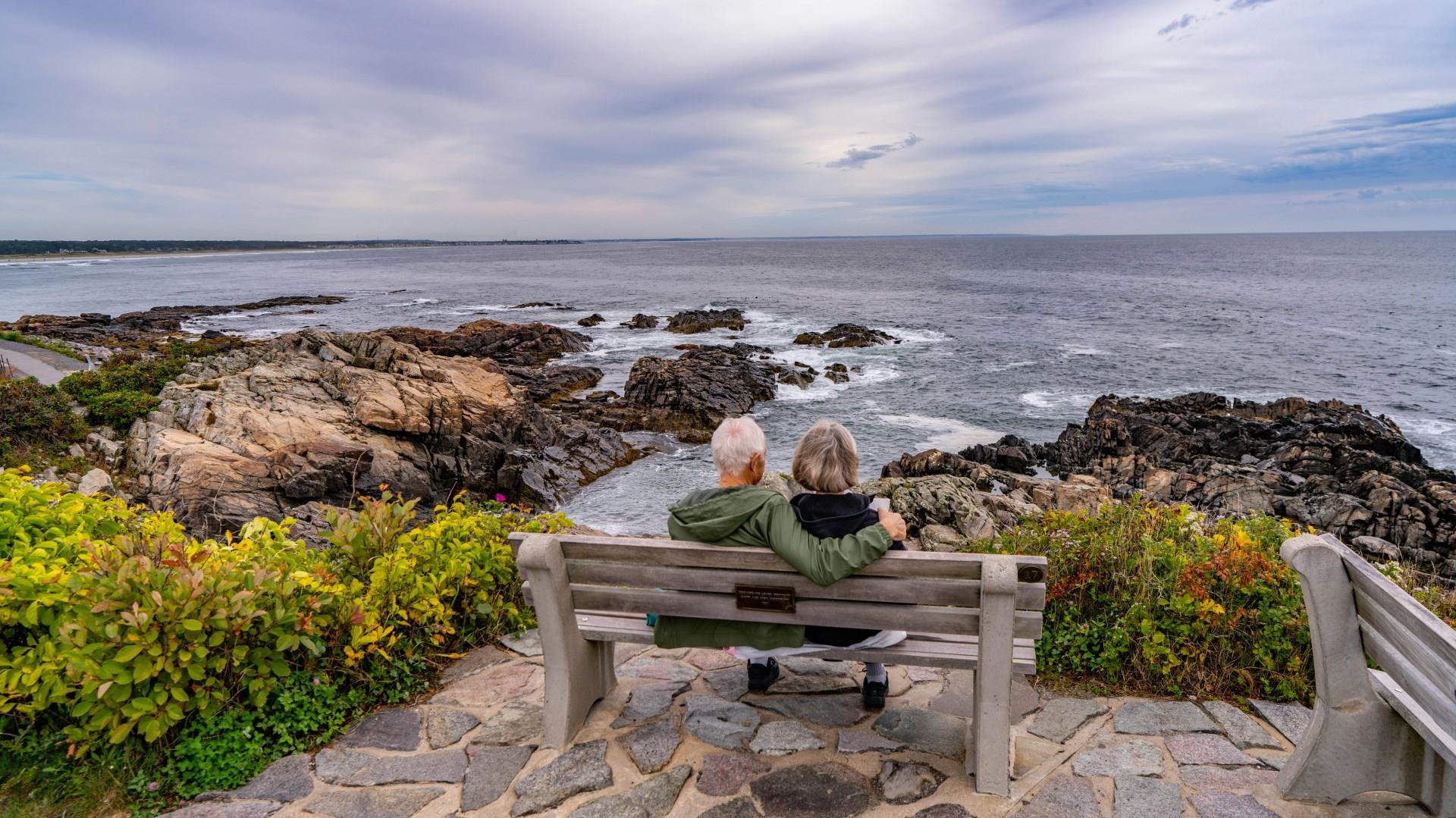
Ogunquit is a beautiful place by the sea. Offering quaint New England flavor of the Village Center, Ogunquit is a bustling holiday haven to visitors from all over the world. Ogunquit today remains a tranquil, small village that continues to offer almost everything to almost everyone as perhaps nowhere else in the country can.

Trieste
Trieste, located in the northeastern corner of Italy, is a city that beautifully blends Italian, Slavic, and Central European influences, making it one of the most culturally rich destinations in the country. Situated along the Adriatic Sea, the city boasts a stunning waterfront, with the iconic Piazza Unità d'Italia, one of the largest European squares facing the sea, at its heart.

Kailua-Kona
Kailua-Kona, a picturesque seaside town on the west coast of Hawaii's Big Island, is a haven for travelers seeking both adventure and tranquility. Known simply as "Kona" to locals, this vibrant destination is celebrated for its rich history, volcanic landscapes, and inviting beaches. Kailua-Kona's iconic oceanfront Ali'i Drive is the heartbeat of the town, lined with charming shops, art galleries, and a plethora of dining options that range from fresh seafood to authentic Hawaiian cuisine.

Whitsunday Island
The Whitsunday Islands sit in the heart of Australia’s Great Barrier Reef, where more than 70 islands rise from wide blue seas and offer an invitation to explore. Whitsunday Island itself is the largest of this group, known internationally for its ribbon of white silica sand stretching over seven kilometers at Whitehaven Beach. This sand feels cool underfoot even in warm sunshine because it’s made of nearly pure silica carried there by ancient ocean currents.
Zeebrugge
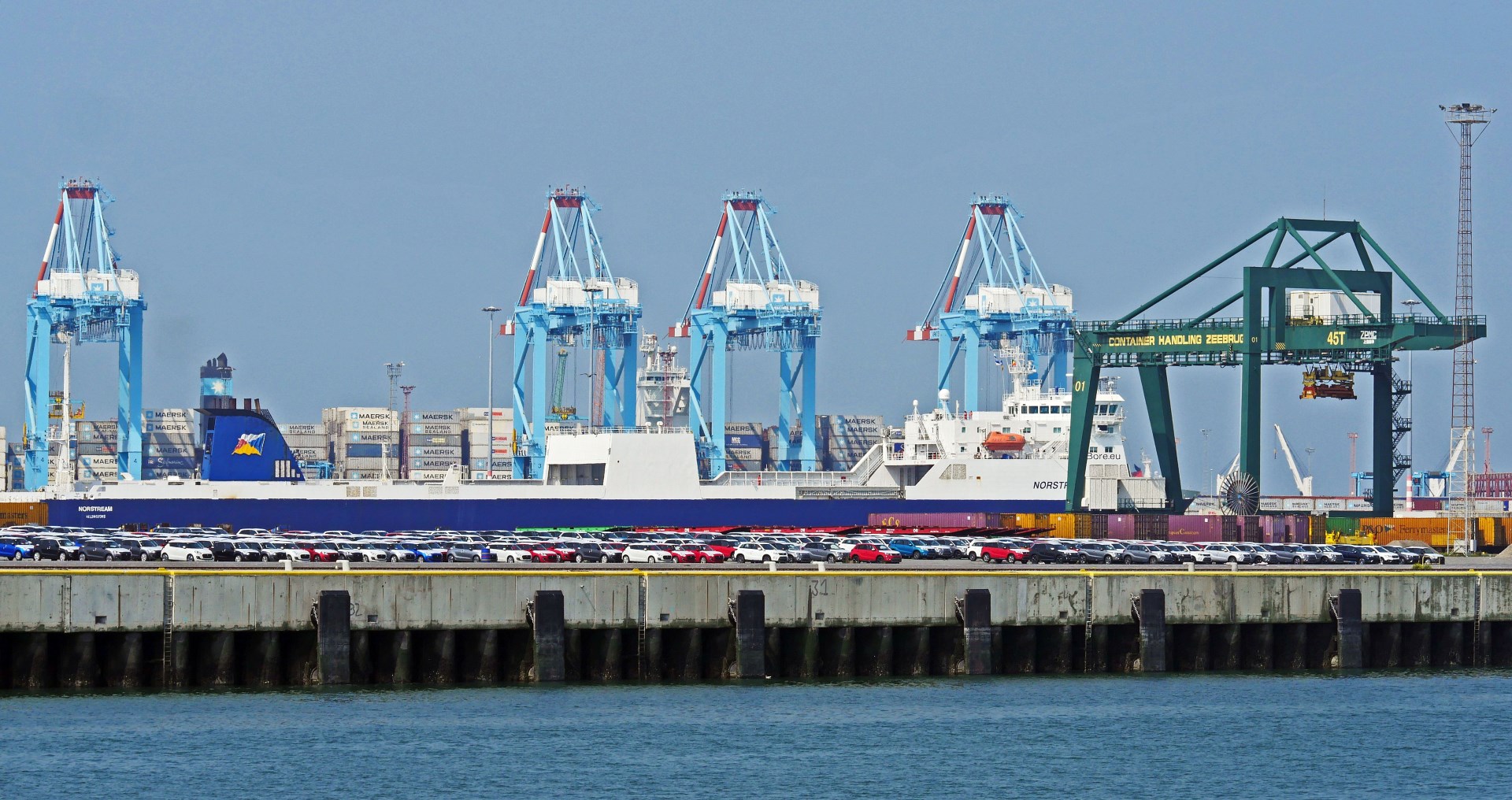
Zeebrugge is a coastal district of Bruges in West Flanders, Belgium, located on the North Sea coast. It is best known as one of Europe’s major ports, handling international cargo, passenger ferries, and fishing activities.