Queen Elizabeth National Park, in western Uganda, is one of East Africa’s most diverse and scenic protected areas. Stretching from the Rwenzori Mountains to the shores of Lake Edward, the park encompasses savannah, wetlands, and dense forests, making it a sanctuary for an incredible array of wildlife.
Nunavut comprises a major portion of Northern Canada, and most of the Canadian Arctic Archipelago. Its vast territory makes it the fifth-largest country subdivision in the world, as well as the largest in North America.
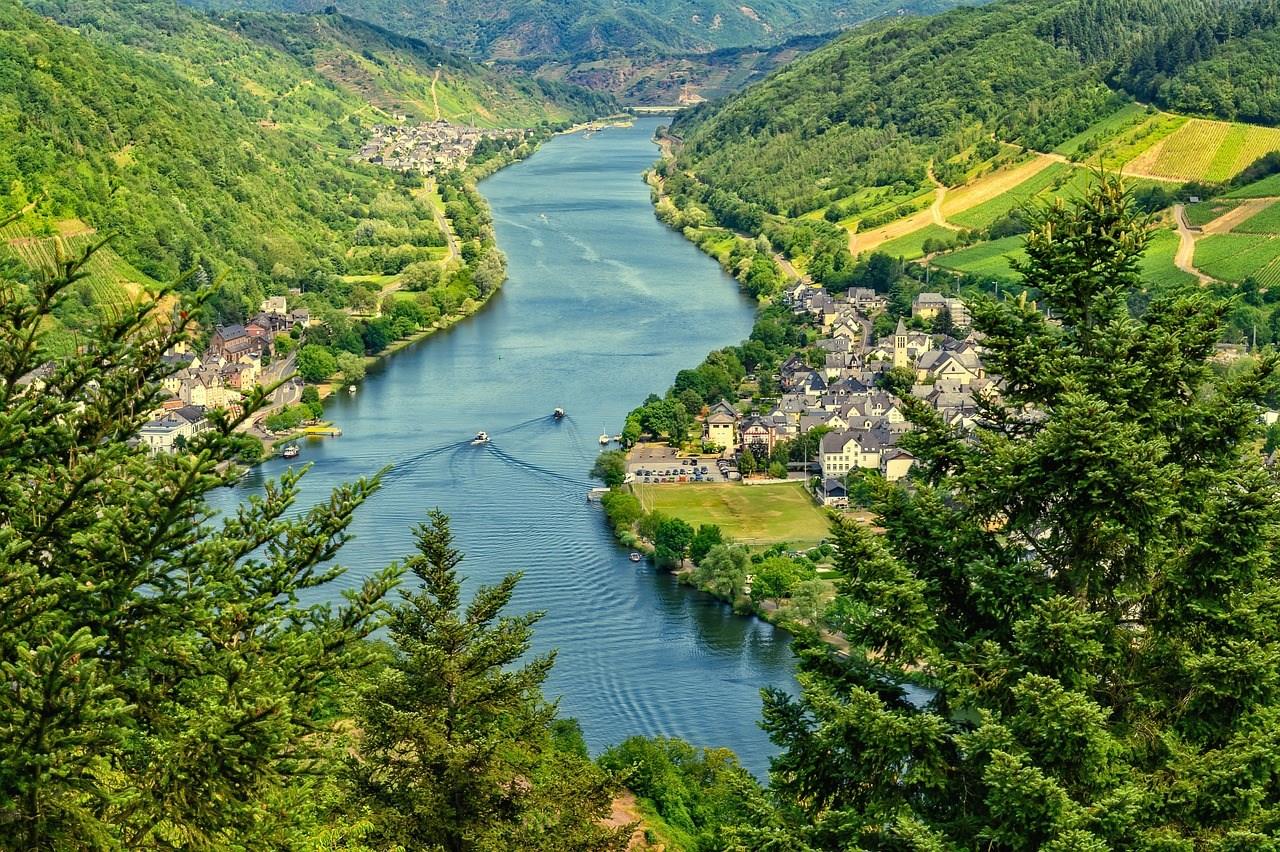
A tributary of the Rhine, the Moselle River flows through France, Luxembourg and Germany. The Moselle also lends its name to a region of France, a valley which it bisects, and a wine produced along its banks.
A dynamic island escape, Penang, Malaysia, is chock-full of exciting attractions, beautiful beaches, and stunning architecture. Head to the George Town neighborhood, a UNESCO World Heritage Site, to explore the island's best colonial architecture and historical landmarks, including the Penang Town Hall, Fort Cornwallis, and Queen Victoria Memorial Clock Tower.
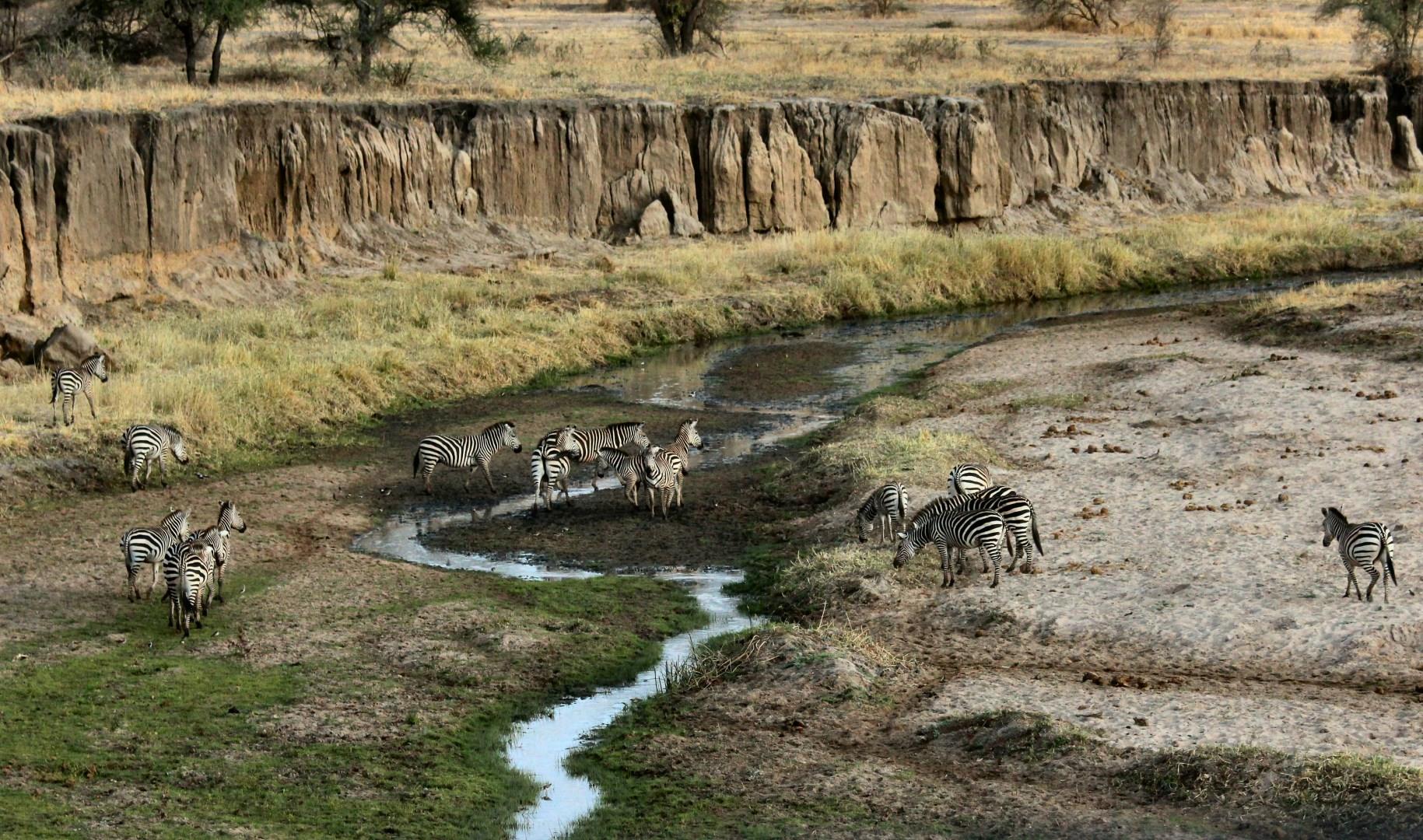
Tarangire National Park, a stunning gem in northern Tanzania, offers an unparalleled safari experience amid its diverse landscapes and wildlife. Renowned for its dense population of elephants, the park's vast baobab-studded plains and swamps create a dramatic setting that brings you face-to-face with these magnificent creatures. The park is home to over 300 bird species, including the strikingly beautiful Lilac-breasted Roller and the majestic Secretary Bird.
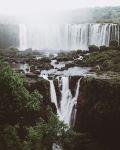
Iguassu Falls, straddling the border between Brazil and Argentina, is a breathtaking natural wonder that captivates visitors with its sheer scale and beauty. This UNESCO World Heritage Site boasts the largest waterfall system in the world, with nearly 275 individual falls cascading over a rugged landscape. The Brazilian side of the falls offers stunning panoramic views, where visitors can marvel at the thundering torrents and the vibrant rainbows that often form in the mist.
The Iguassu National Park, which encompasses the falls, is a lush haven of biodiversity. Here, travelers can embark on a series of thrilling activities, including boat rides that take you close to the base of the falls, where you’ll feel the raw power of the water as it crashes down. For a more serene experience, the park's extensive network of trails provides opportunities for observing diverse wildlife, including toucans, jaguars, and capuchin monkeys.
A visit to the falls also offers a unique chance to explore the Argentinian side, where the Garganta del Diablo (Devil's Throat) viewpoint provides an unparalleled perspective of the falls' most dramatic and powerful section. The extensive network of walkways on this side allows visitors to get up close to the thundering cascades, enhancing the sensory experience.
A fun fact about Iguassu Falls is that the local name "Iguassu" means "big water" in the Tupi-Guarani language, reflecting the grandeur of this natural wonder. The falls were also featured in the 2016 film The Jungle Book as a backdrop for the cinematic adventures of Mowgli. Whether you’re an adventure seeker or a nature enthusiast, Iguassu Falls offers an awe-inspiring experience that truly embodies the splendor of South America's natural heritage.