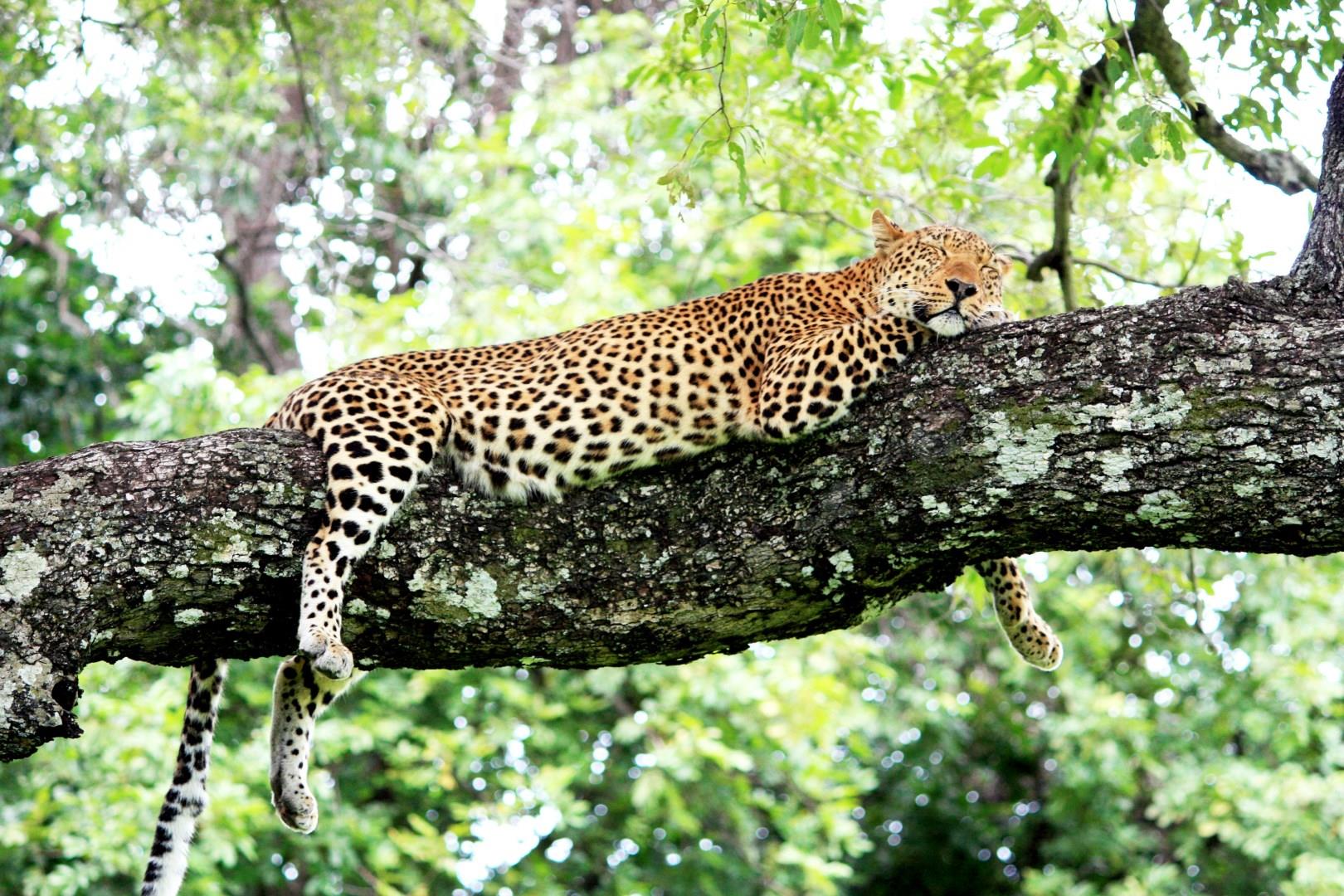
South Luangwa National Park
South Luangwa National Park in eastern Zambia is one of Africa’s most treasured wildlife areas, lying along the lush bends of the Luangwa River. Designated as a protected area in the 1970s, it stands out for its consistently high wildlife densities and landscapes that shift with the seasons. Dry grasslands, shaded woodlands, and green floodplains all unfold beneath wide skies, shaping the canvas for memorable animal sightings.
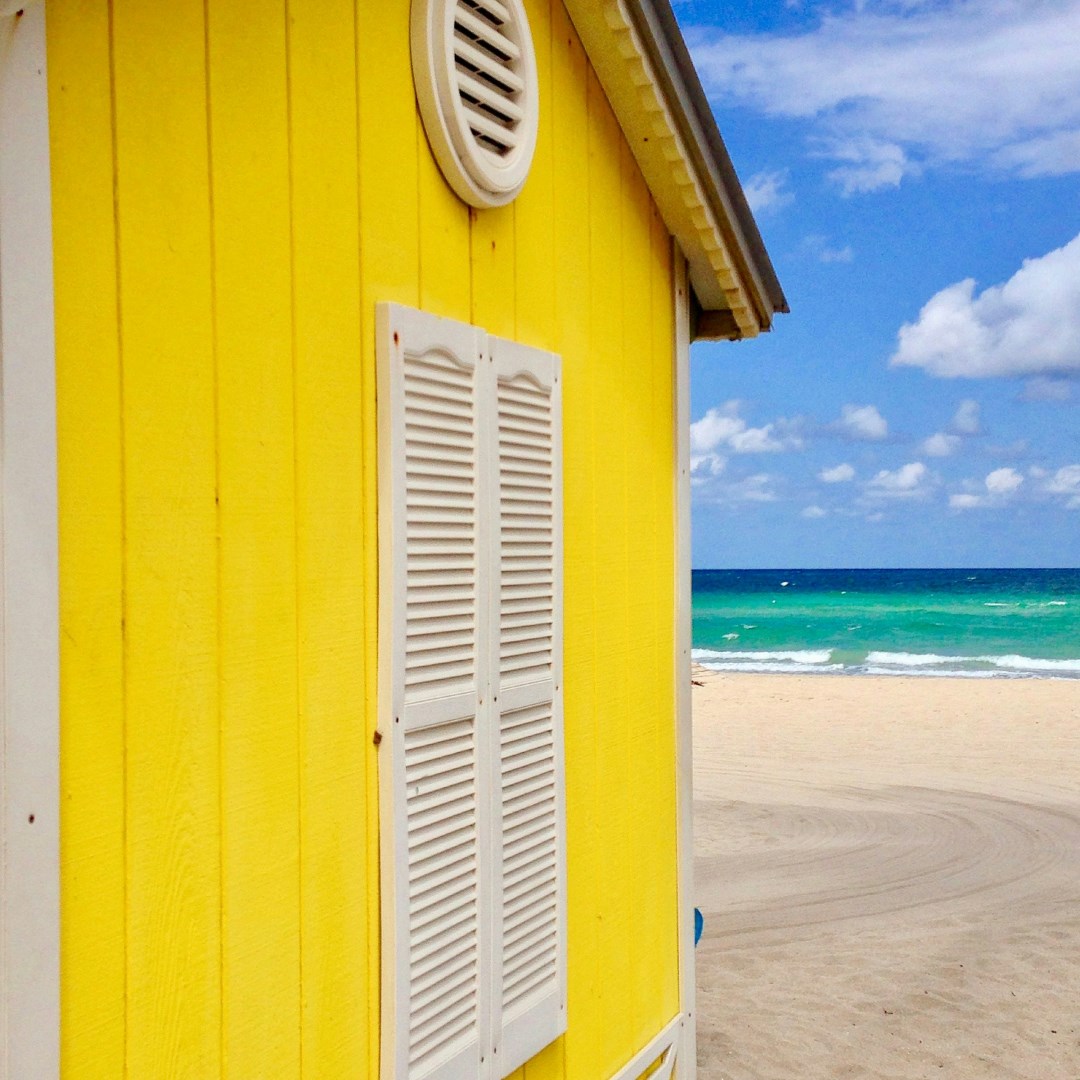
Florida
Florida, the Sunshine State, is a premier destination for travelers seeking a combination of stunning beaches, exciting theme parks, and rich cultural experiences. With over 1,350 miles of coastline, visitors can enjoy pristine stretches of sand along both the Atlantic Ocean and the Gulf of Mexico.
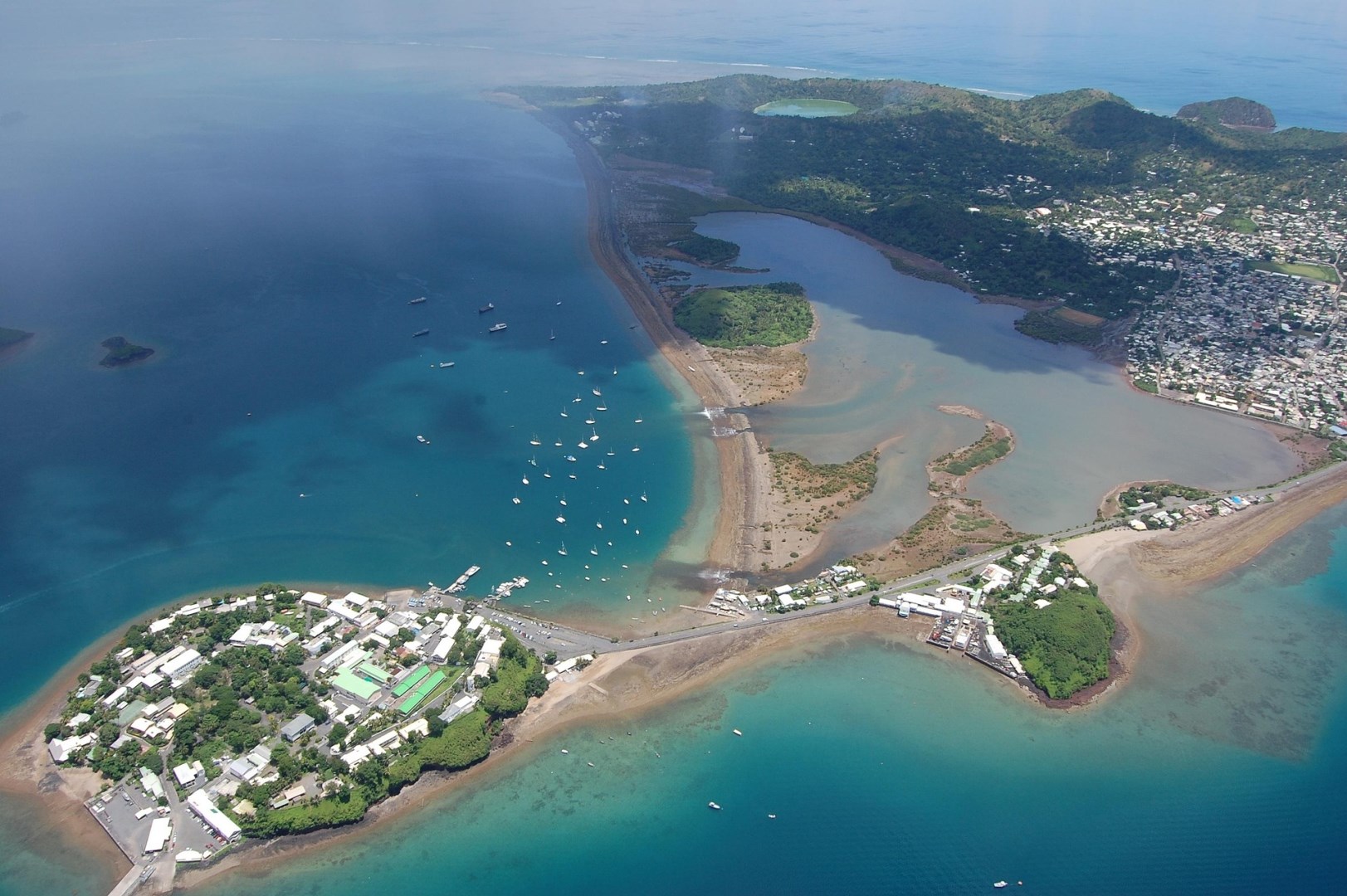
Dzaoudzi
Dzaoudzi is a historic town on Petite-Terre, one of the two main islands of Mayotte in the Indian Ocean. It occupies a strategic position around the Rocher de Dzaoudzi, a rocky outcrop beside the lagoon, and serves as an important arrival point for visitors using the island’s airport and ferry connections. The town combines a compact urban setting with access to beaches, volcanic landscapes, and the waters of the surrounding lagoon.
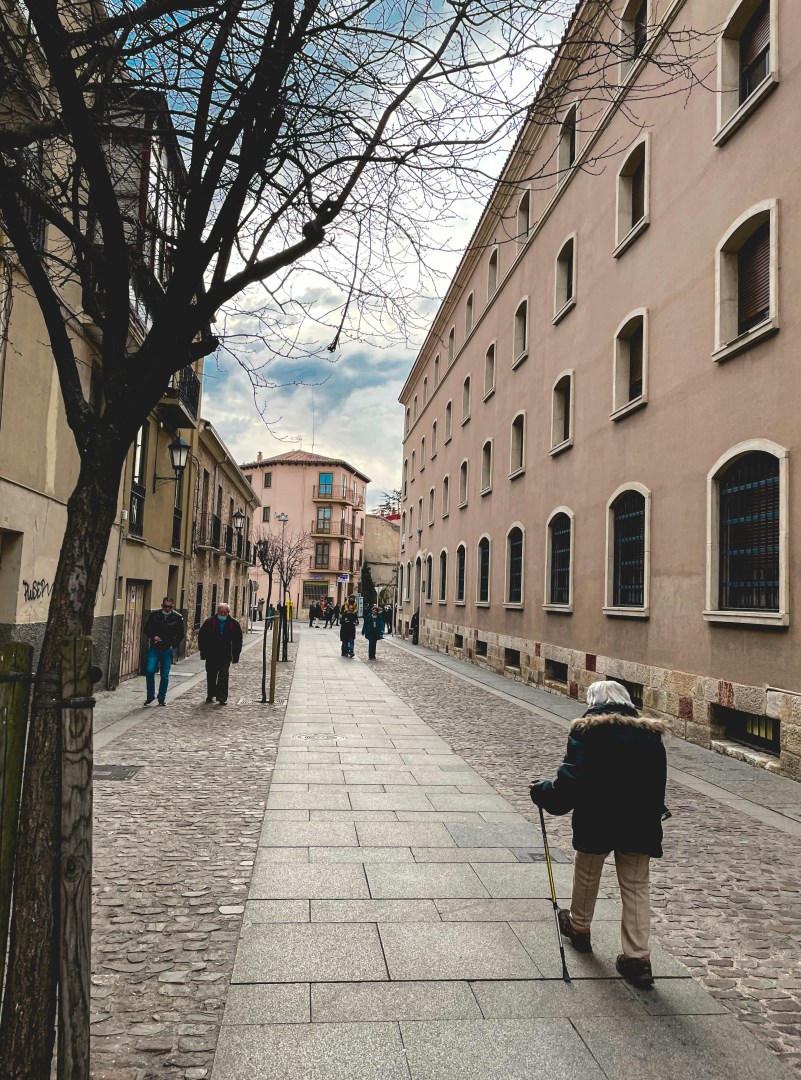
Zamora
Zamora is a compact city in northwestern Spain, set along the Duero River and known for its remarkable concentration of Romanesque architecture.

Saint Augustine
Saint Augustine, Florida, is a charming tapestry of history and coastal beauty. As the oldest continuously inhabited European-established settlement in the continental United States, this historic city offers a fascinating glimpse into early American life. Founded by Spanish explorers in 1565, Saint Augustine boasts an array of colonial architecture and historic landmarks.