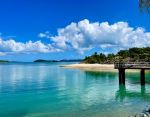
Bhutan
Bhutan, often called the “Land of the Thunder Dragon,” is a Himalayan kingdom known for its dramatic landscapes and deeply rooted traditions. Towering peaks, forested valleys, and winding rivers set the stage for a country that has long prioritized harmony between nature and culture.
Yemen
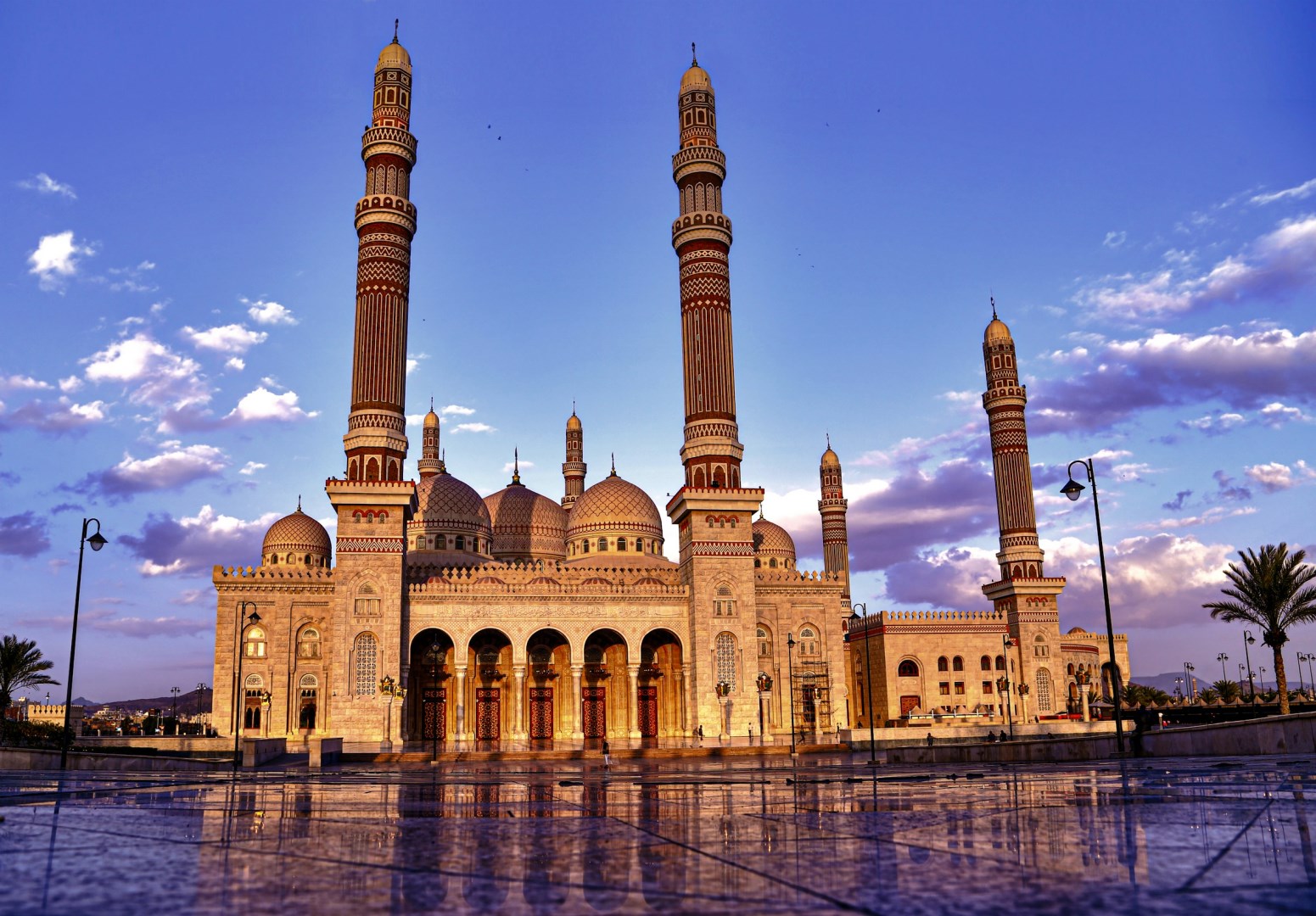
Yemen’s Old City of Sana'a stands as a living mosaic of civilizations. Just past the ornate Bab al‑Yaman gate, towering homes made of adobe, lime plaster, and layered with qatad (plaster) rise like giants in the maze of markets and quiet courtyards. Nearby, the ruins of Ghumdan Palace, once said to rival skyscrapers, recall a pre‑Islamic past and offer echoes of bygone architectural ambition.

Philippines
The Philippines is an archipelago of more than 7,600 islands in Southeast Asia, known for its striking coastlines, tropical forests, and vibrant cultural diversity.

Bimini Islands
The Bimini Islands, the westernmost point of the Bahamas, are a tiny chain of islands steeped in history, legend, and natural wonder. Bimini has long been celebrated as the “Gateway to the Bahamas,” blending fishing traditions, maritime lore, and a laid-back island culture.
Pacific Ocean
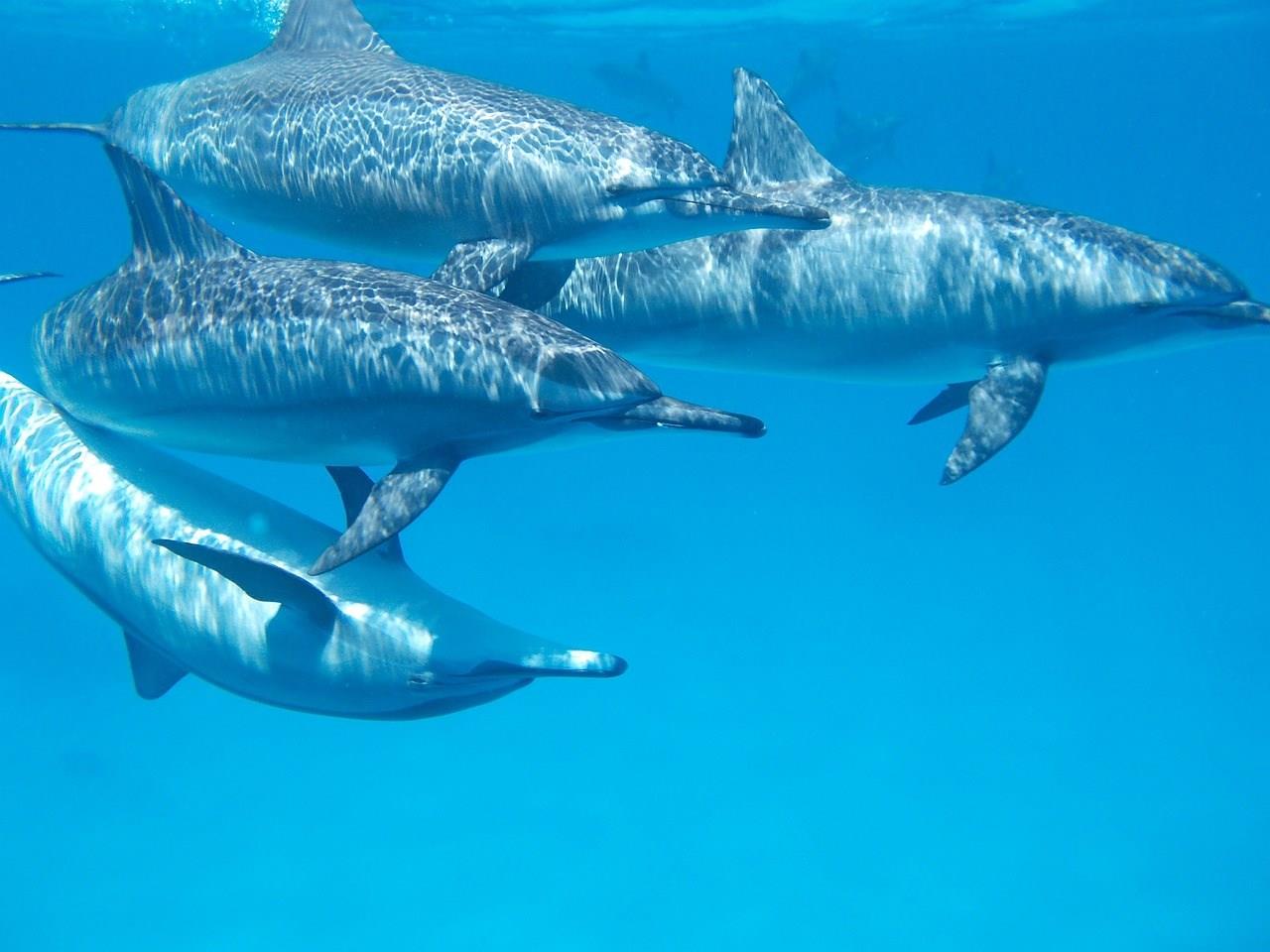
The Pacific Ocean is both the largest and the deepest ocean on Earth. It extends from the Americas in the east to Asia and Australia in the west, and from the Artic Ocean in the north to Antarctica in the south.