Birmingham
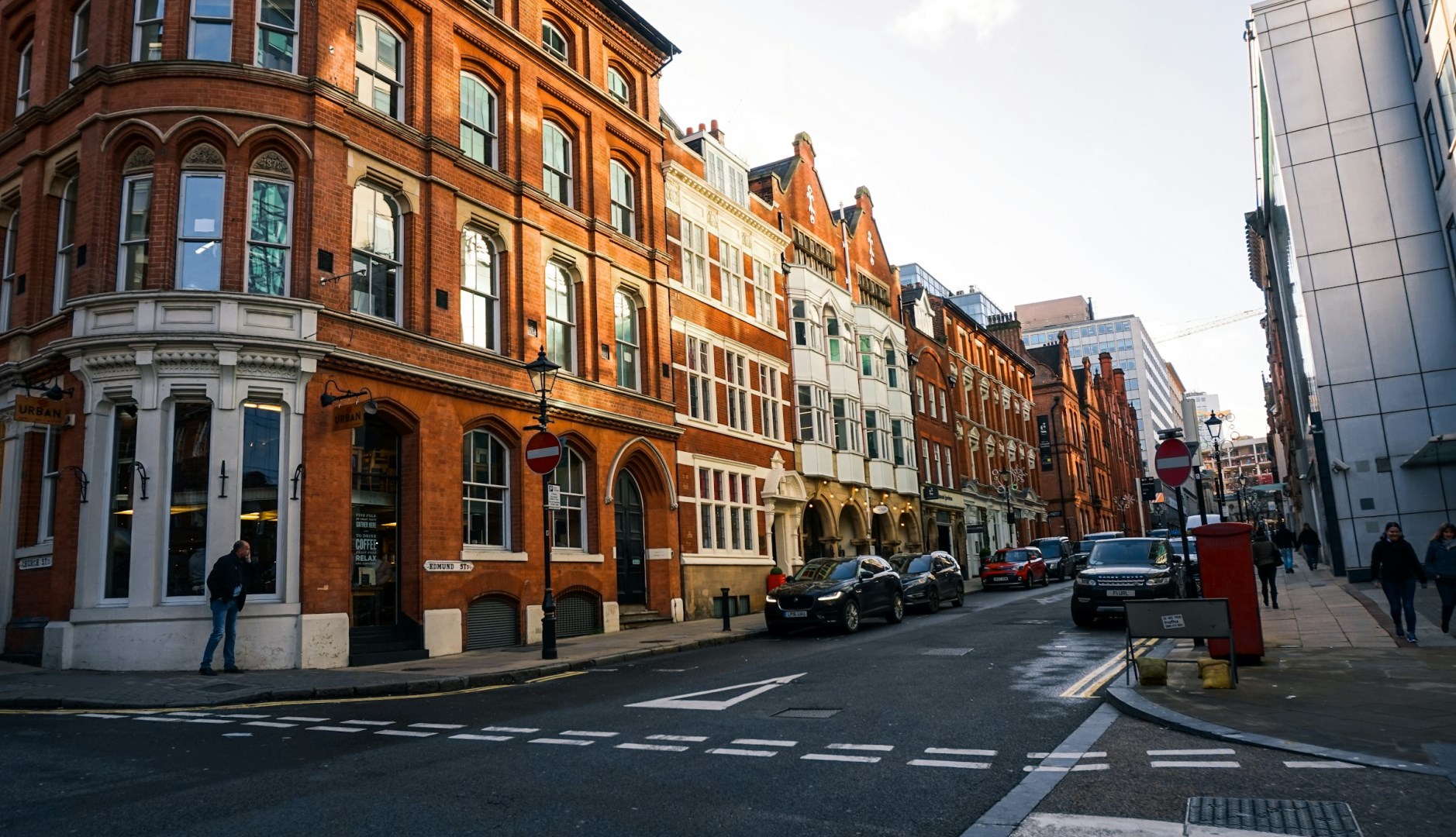
Located in northwest England, Birmingham has a tremendous history as an industrial city. Close to coal and iron ore supplies, it was here that Bouton and Watt harnessed steam power to run machinery. The Museum of Science and Industry resides here and provides an excellent look at England's history.
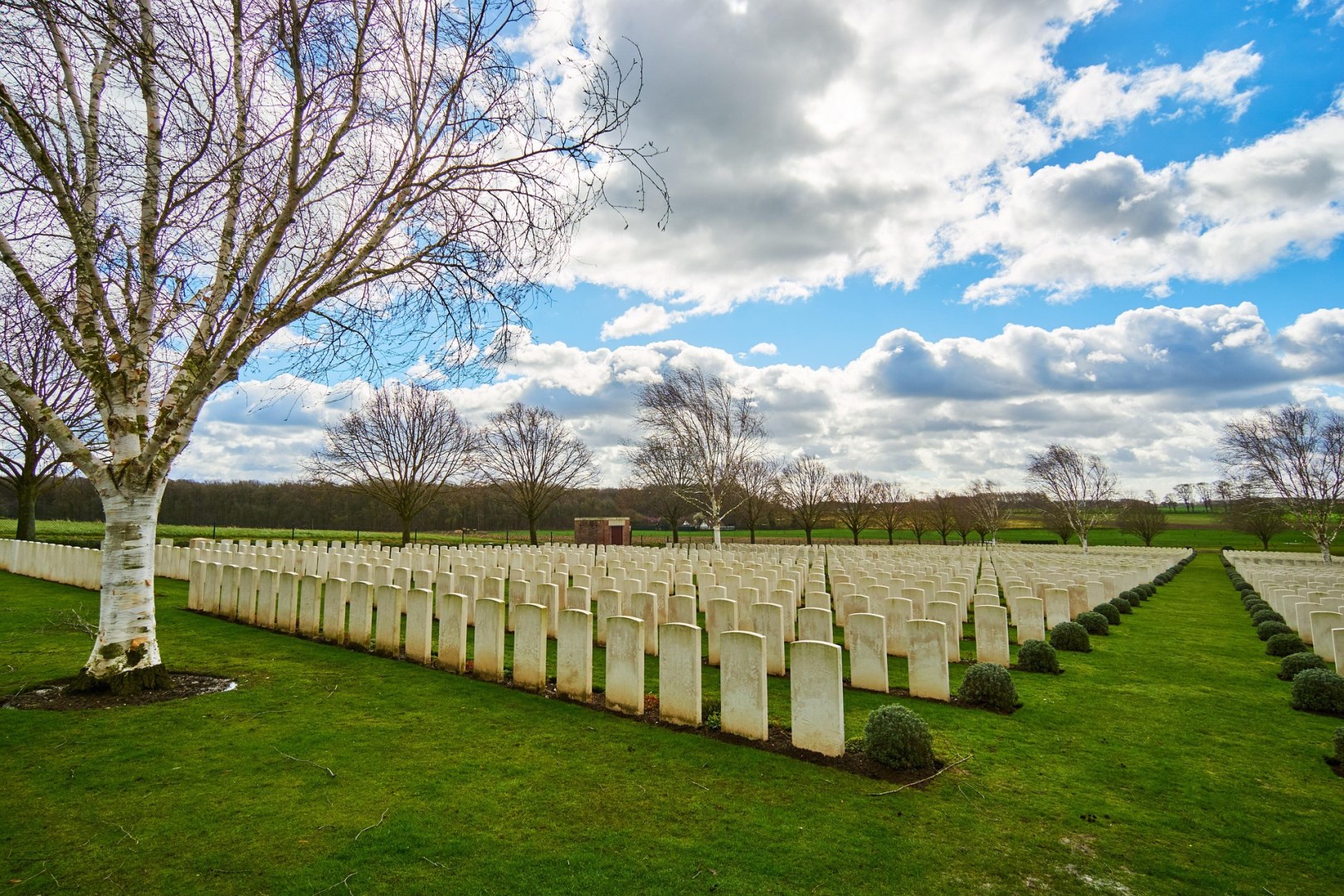
Ypres
Ypres is a city where soaring medieval-style landmarks meet one of Europe’s most powerful landscapes of remembrance. From the nightly Last Post beneath the Menin Gate to the wonderfully eccentric Cat Parade, it has a character that is solemn, surprising, and unmistakably Flemish.
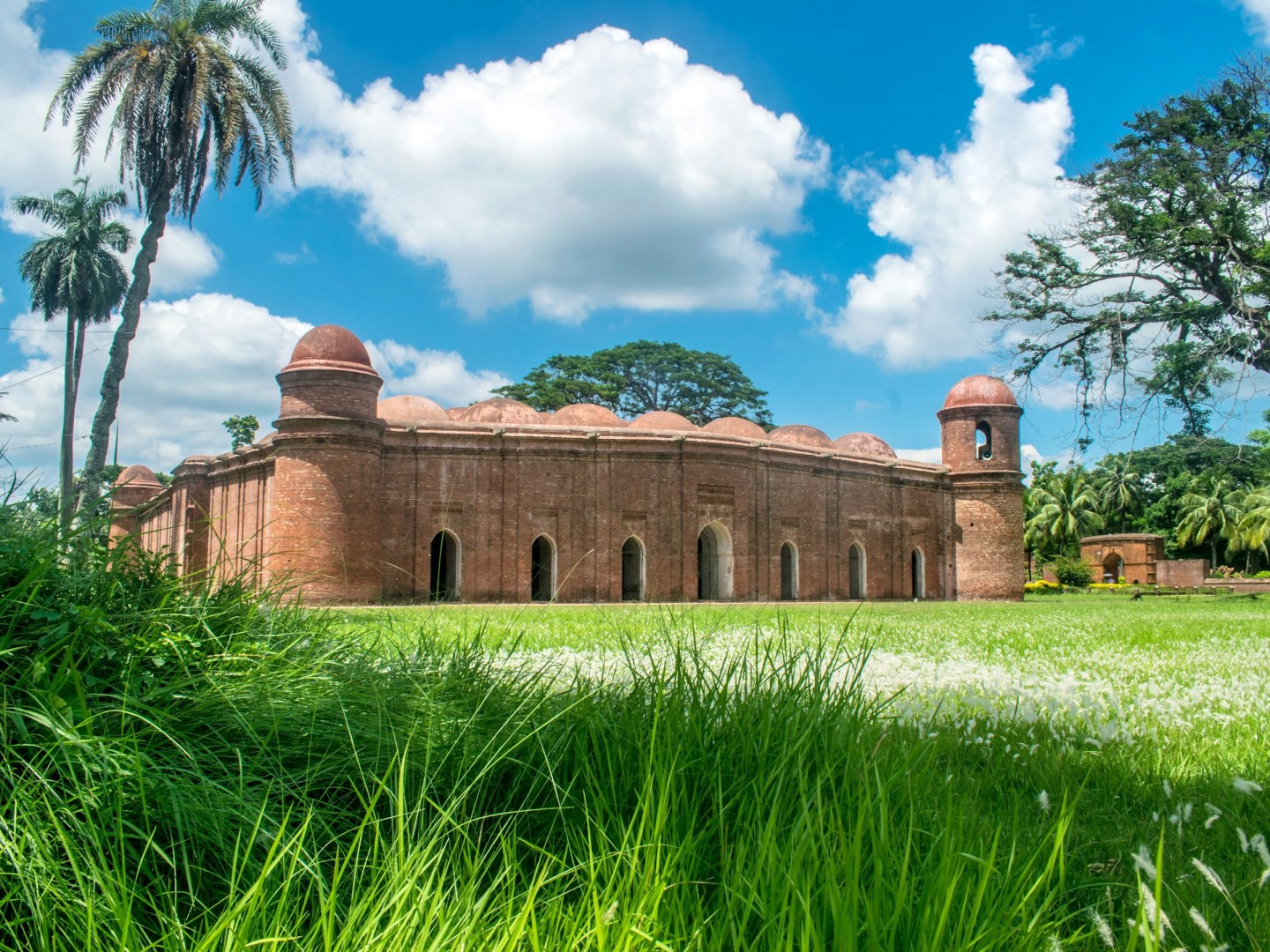
Bagerhat
Bagerhat is a historic city in southwestern Bangladesh, known for its remarkable concentration of Islamic monuments and its setting near the former channels of the Ganges-Brahmaputra delta. The city was established by Khan Jahan Ali and developed as an important settlement surrounded by waterways, ponds, roads, and mosques. Today, Bagerhat is best known for the Historic Mosque City of Bagerhat, a UNESCO World Heritage Site containing numerous brick-built religious and civic structures. Its locat
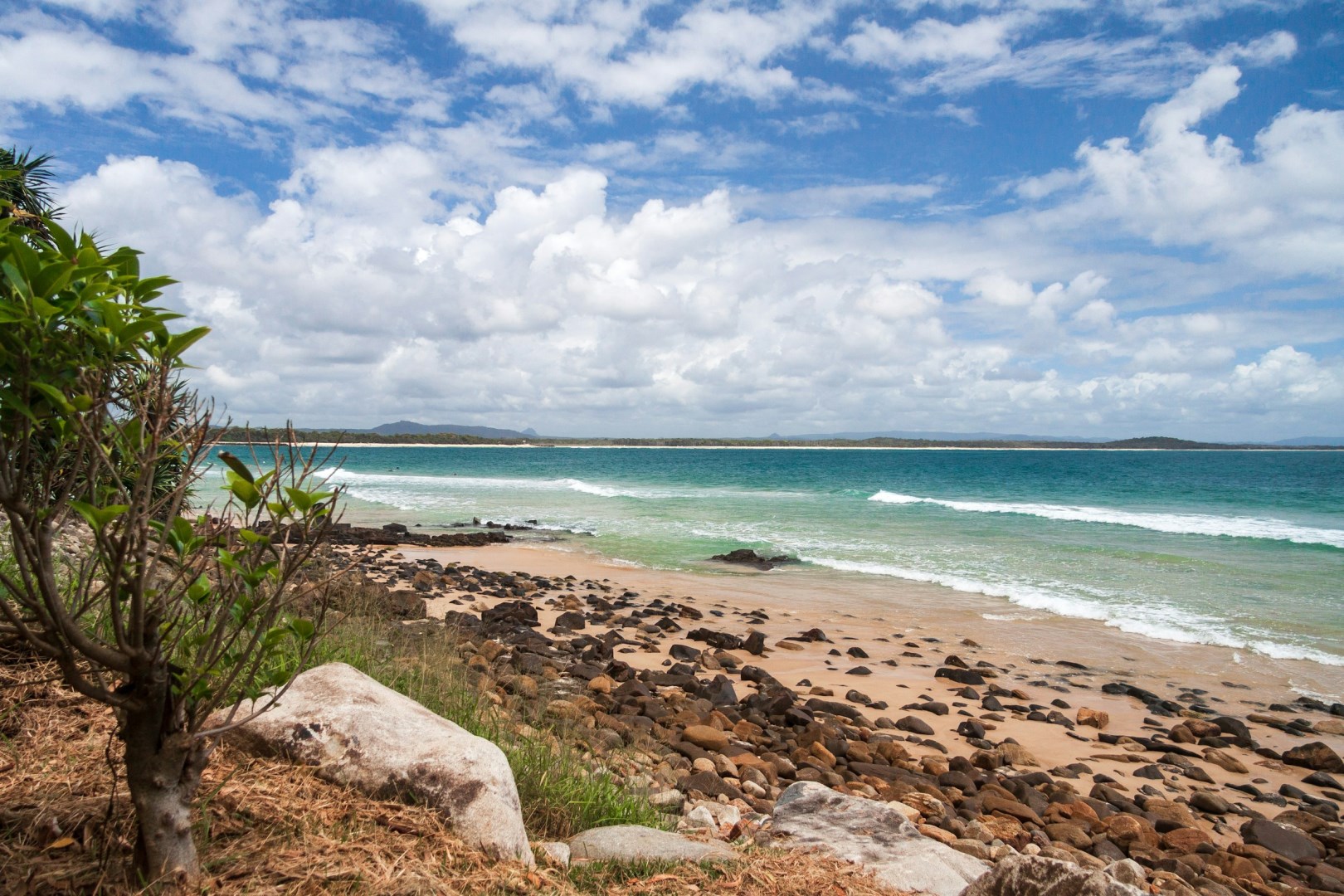
Noosa Heads
Noosa Heads, located on Queensland’s Sunshine Coast, is a coastal town renowned for its pristine beaches, lush hinterland, and relaxed yet sophisticated atmosphere. The town sits at the mouth of the Noosa River, where calm waterways meet the Pacific Ocean, creating ideal conditions for swimming, kayaking, and paddleboarding.
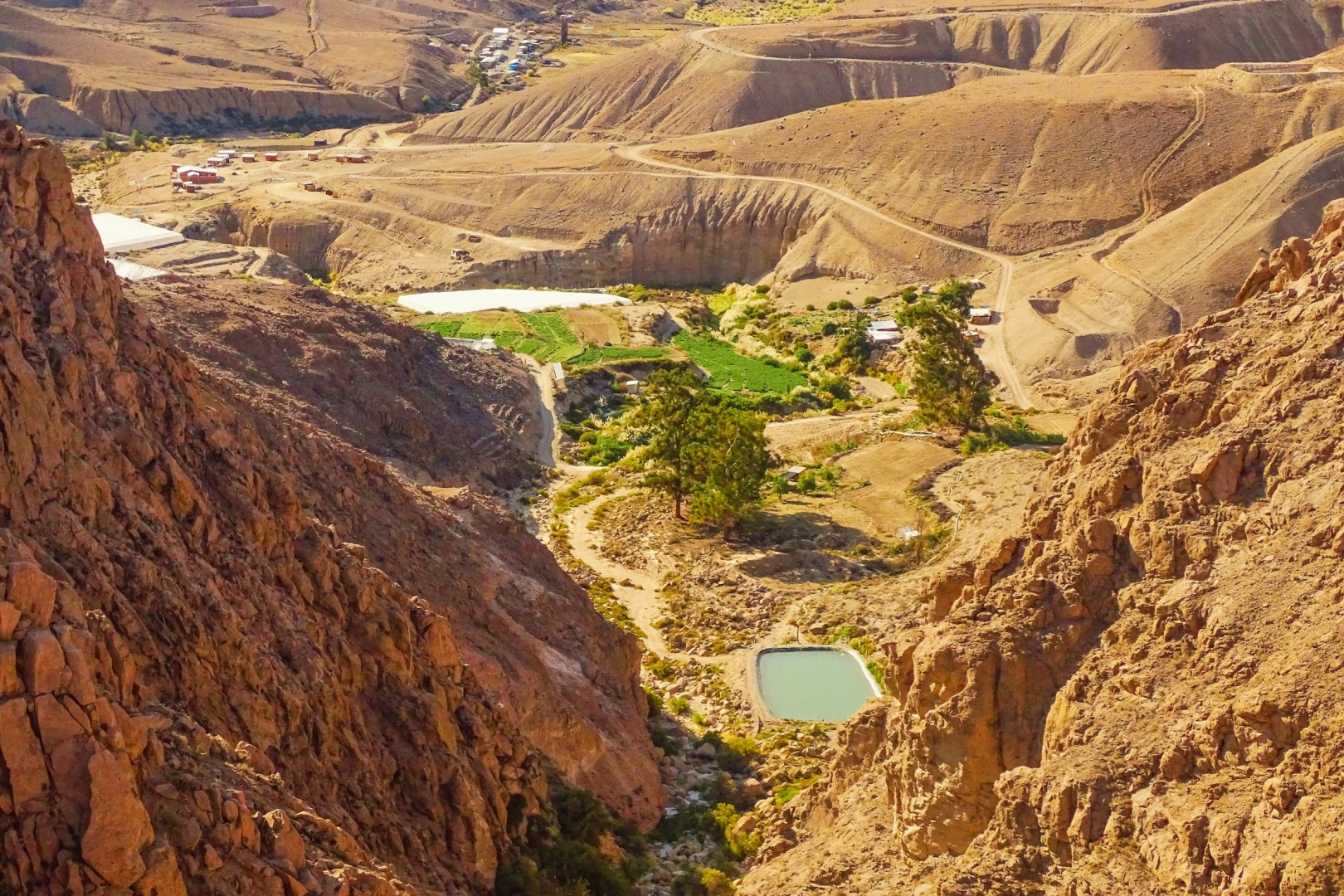
Arica
At Chile's northernmost end, the dizzying railway from high Bolivia comes down to the sea. Arica, the City of Eternal Spring, has a population of 169,000. and is located in the Atacama Desert. See San Marcos Cathedral, designed by Gustave Eiffel, and marvel at Pre-Incan relics in the City Museum. Or leave the city to venutre to the White City of Arequipa, the Incan capital of Cuzco and Machu Picchu and the ancient Inca city in the clouds.