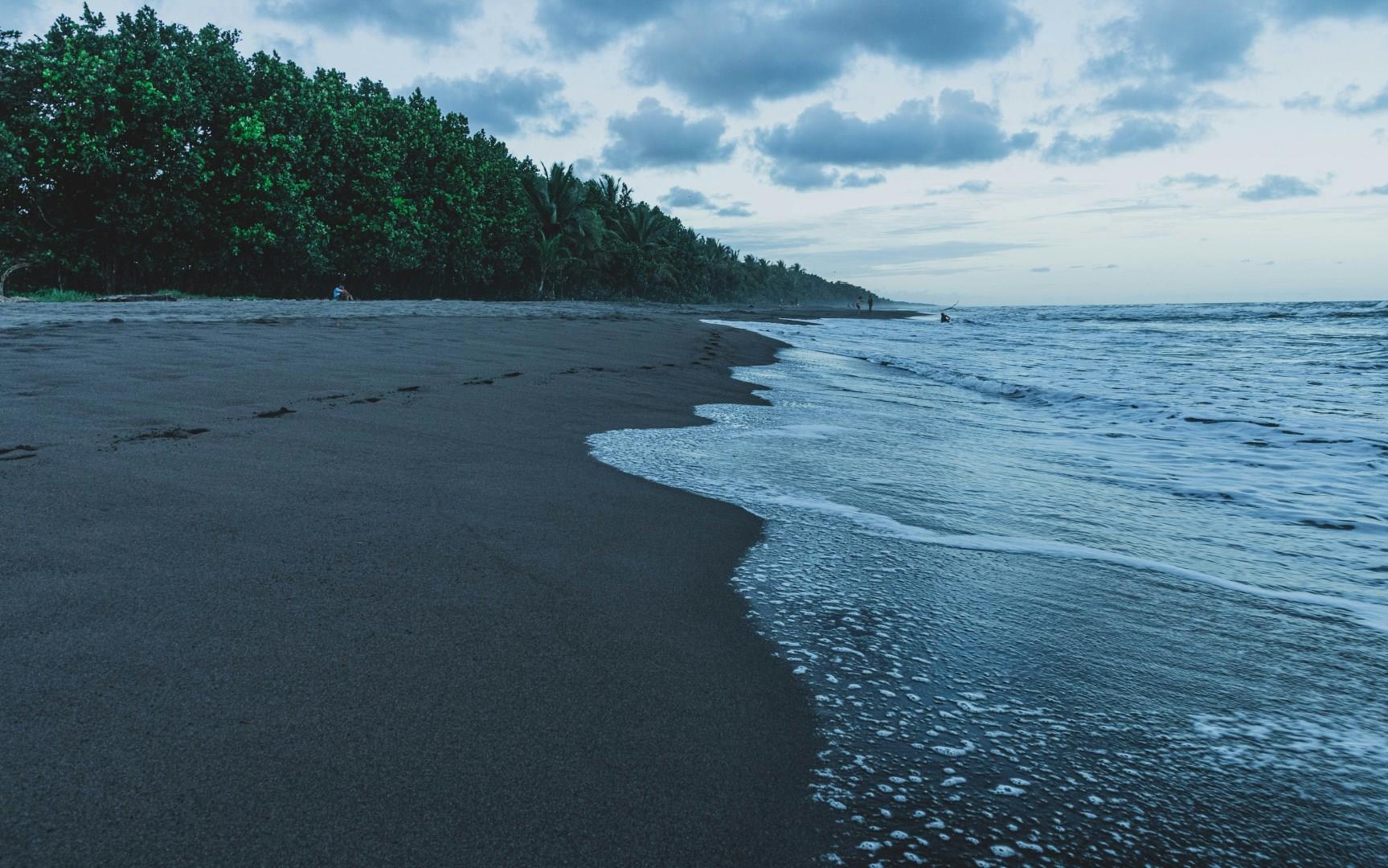
Tortuguero, located on Costa Rica’s remote northern Caribbean coast, is a destination unlike any other in the country. Accessible only by boat or small aircraft, this coastal village sits between the Caribbean Sea and a network of freshwater canals. Its name, meaning "place of turtles," comes from the thousands of sea turtles that arrive annually to lay their eggs on its beaches, including green, leatherback, and hawksbill turtles.
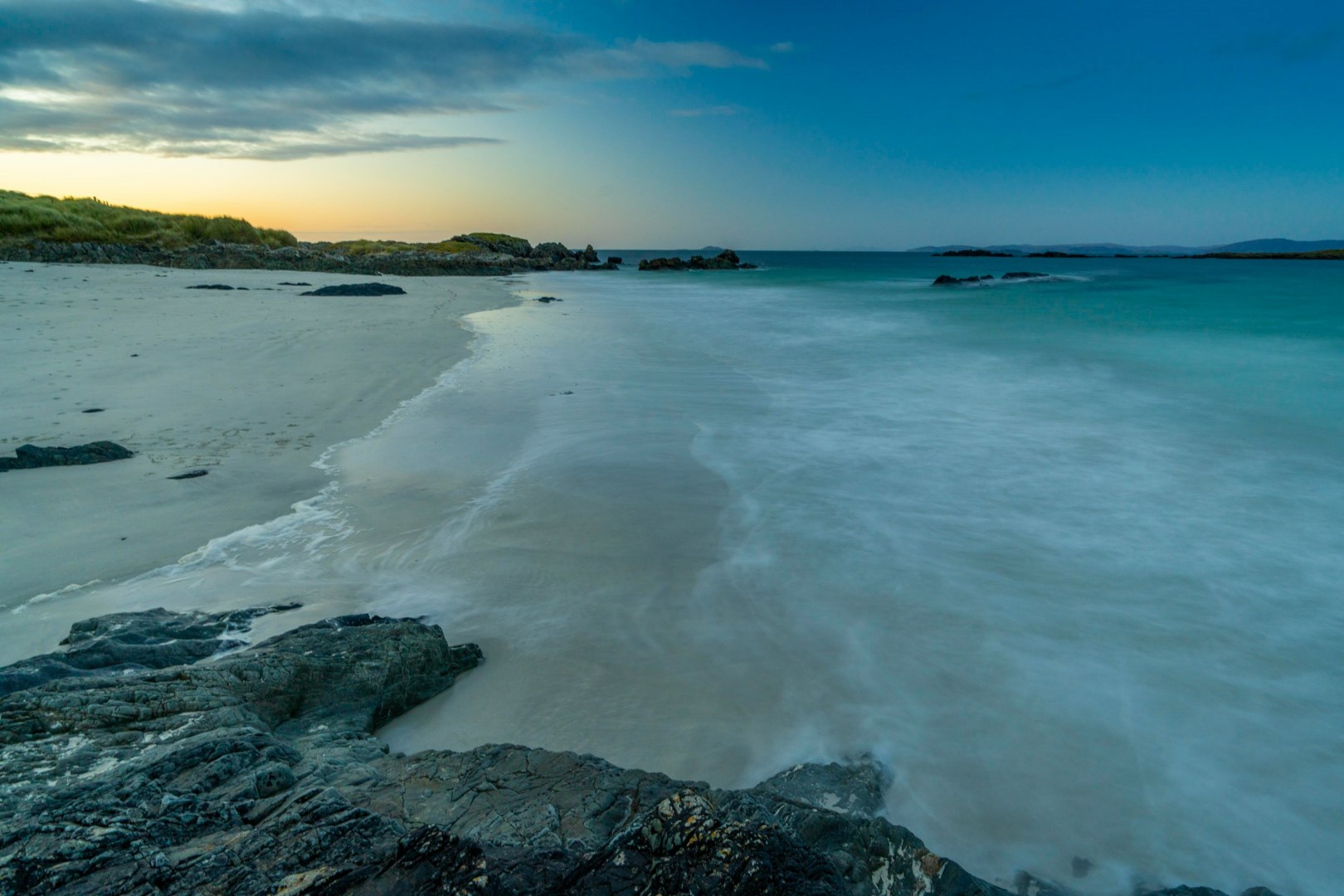
The island of Iona lies just off the west coast of Scotland, easily reached from Oban by ferry. This jaunt in itself is quite stunning commanding a view of the rocky peaks and green slopes of the Mull Mountains. An old village, Iona was founded in 563 AD by Columba and his disciples when they travel from Ireland to the Harbour of the Caracle, built a monastery and introduced the Christian faith here. Iona is still a major center for pilgrimages. Please note that cars are not permitted on the isl
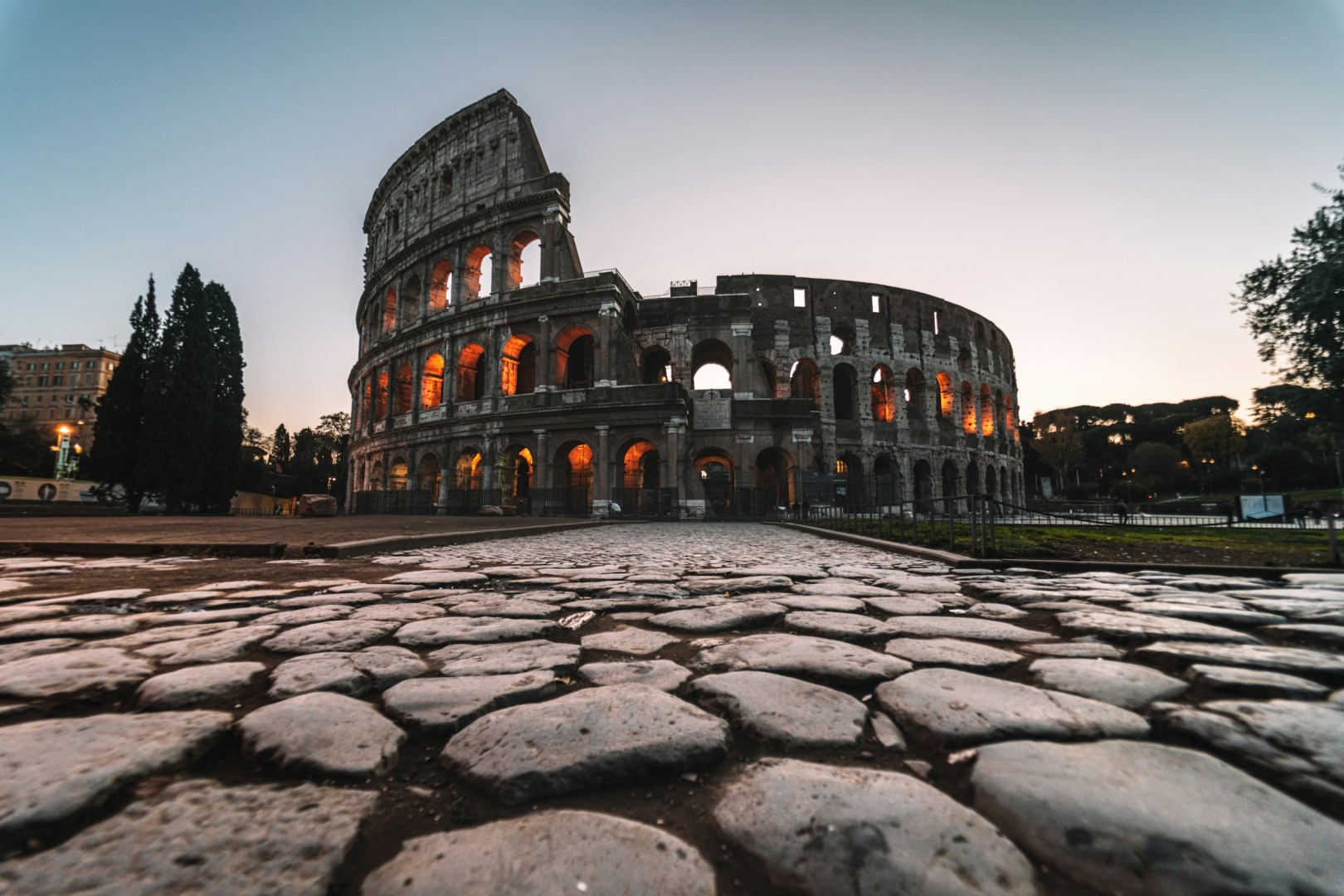
Often called the Eternal City, Rome stands alone as Italy's most visited destination. The third most populated city in the European Union, Rome boasts ancient sites, yet has a modern flair — an exhilarating mix of the Old World and the new.
Dijon is the capital of the Burgundy region in eastern France and a city renowned for its rich history, architectural beauty, and, of course, its world-famous mustard. With the city's origins dating back to Roman times, Dijon boasts an impressive array of historical sites, including the Église Notre-Dame and Palais des Ducs, one of France's most outstanding museums of fine arts.
Tree-lined avenues, grand architecture, and the imperative to live well defines Bucharest, a bustling city that is rebounding and expanding. In the 1900s, this vibrant Romanian capital was nicknamed "Little Paris" and that jubilant, raise-a-glass spirit carries over to this day.
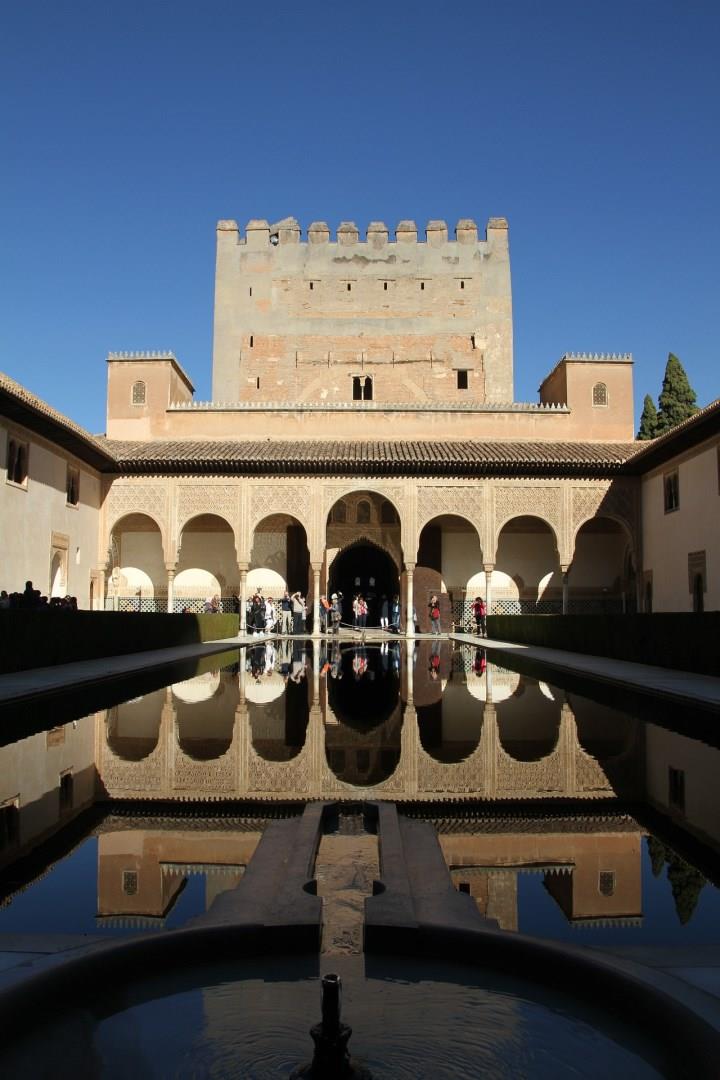
Photo Credit: Photo by Marco Montero Pisani on Unsplash
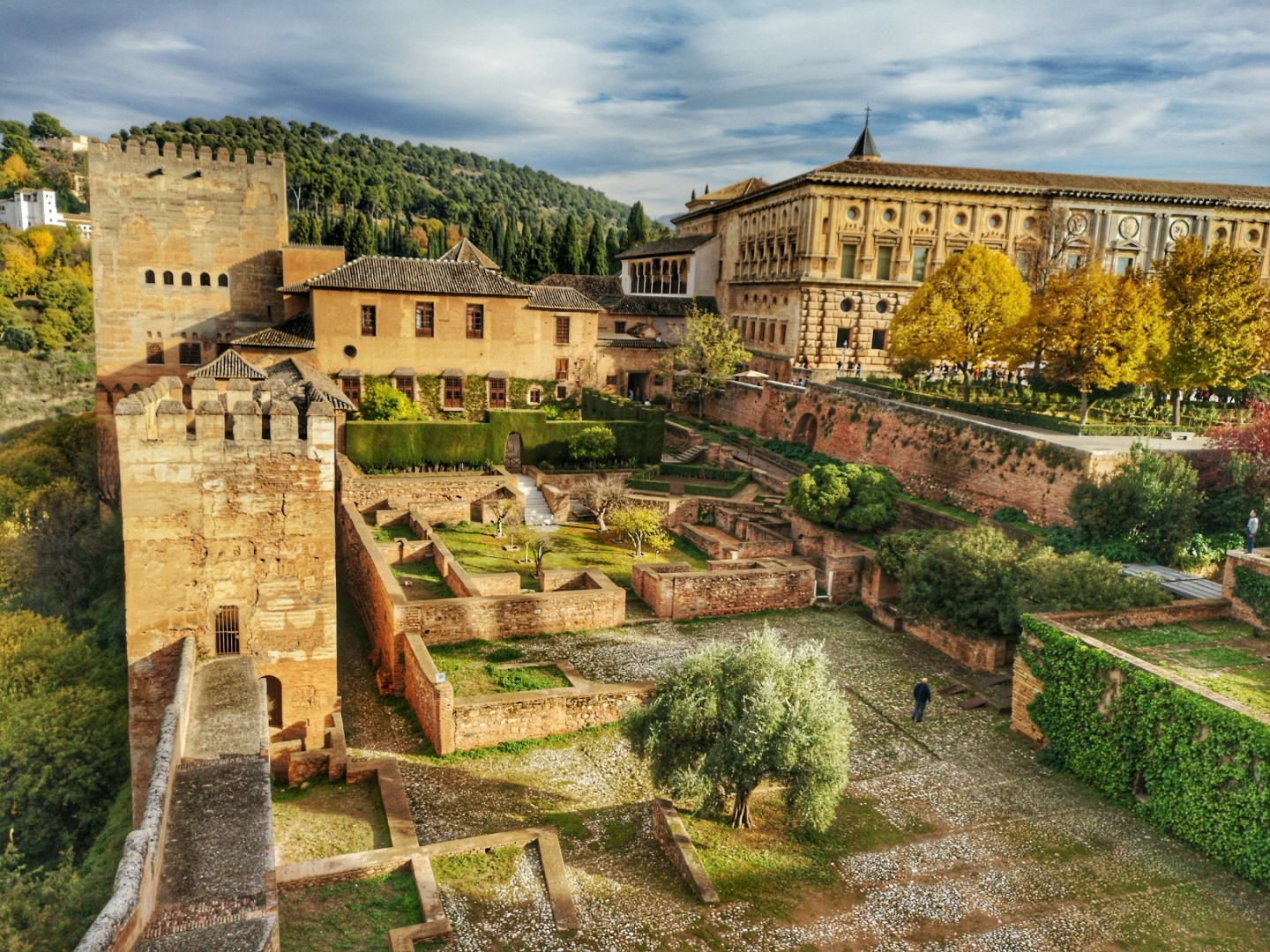
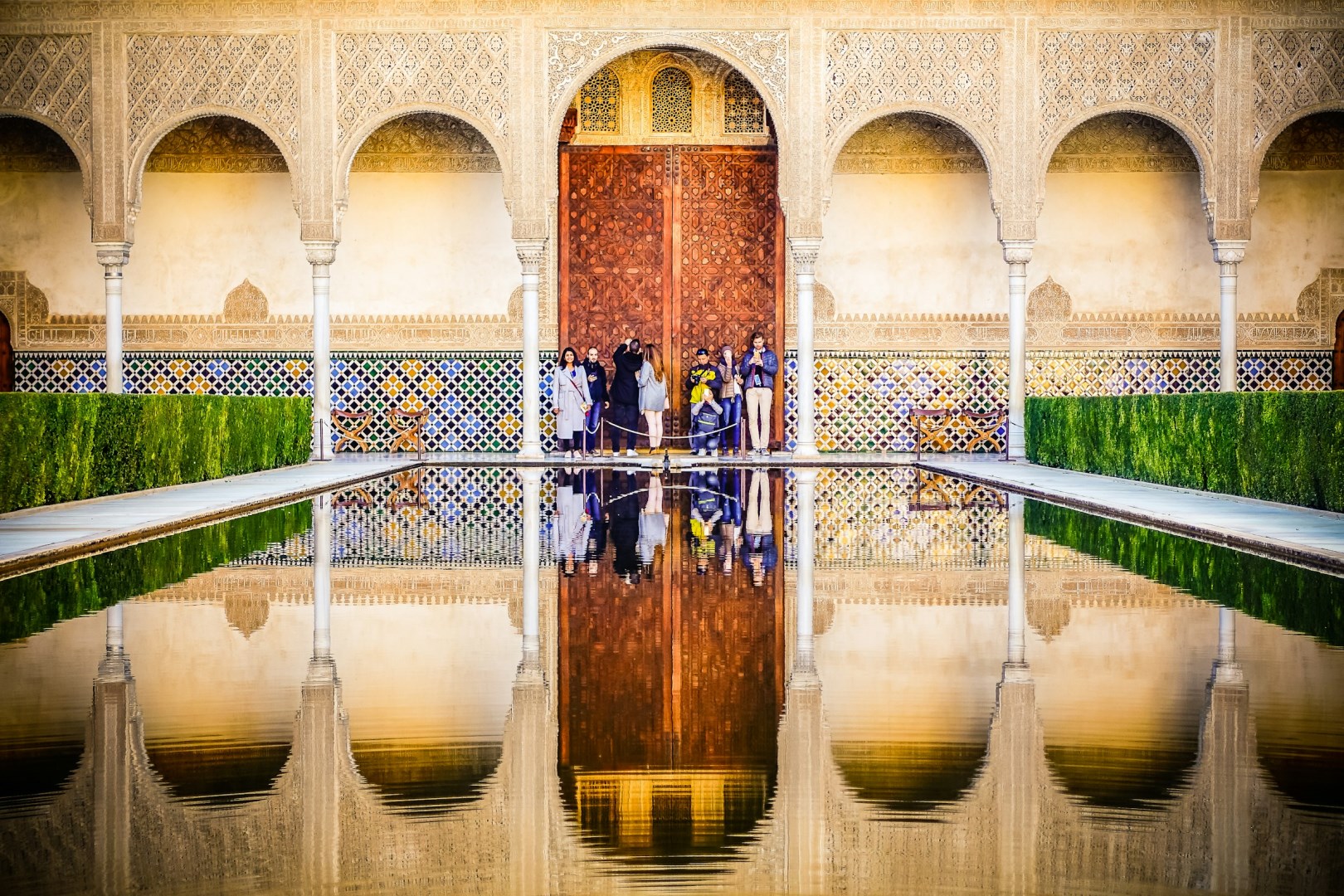
Alhambra
Photo Credit: Photo by Hari Nandakumar on Unsplash
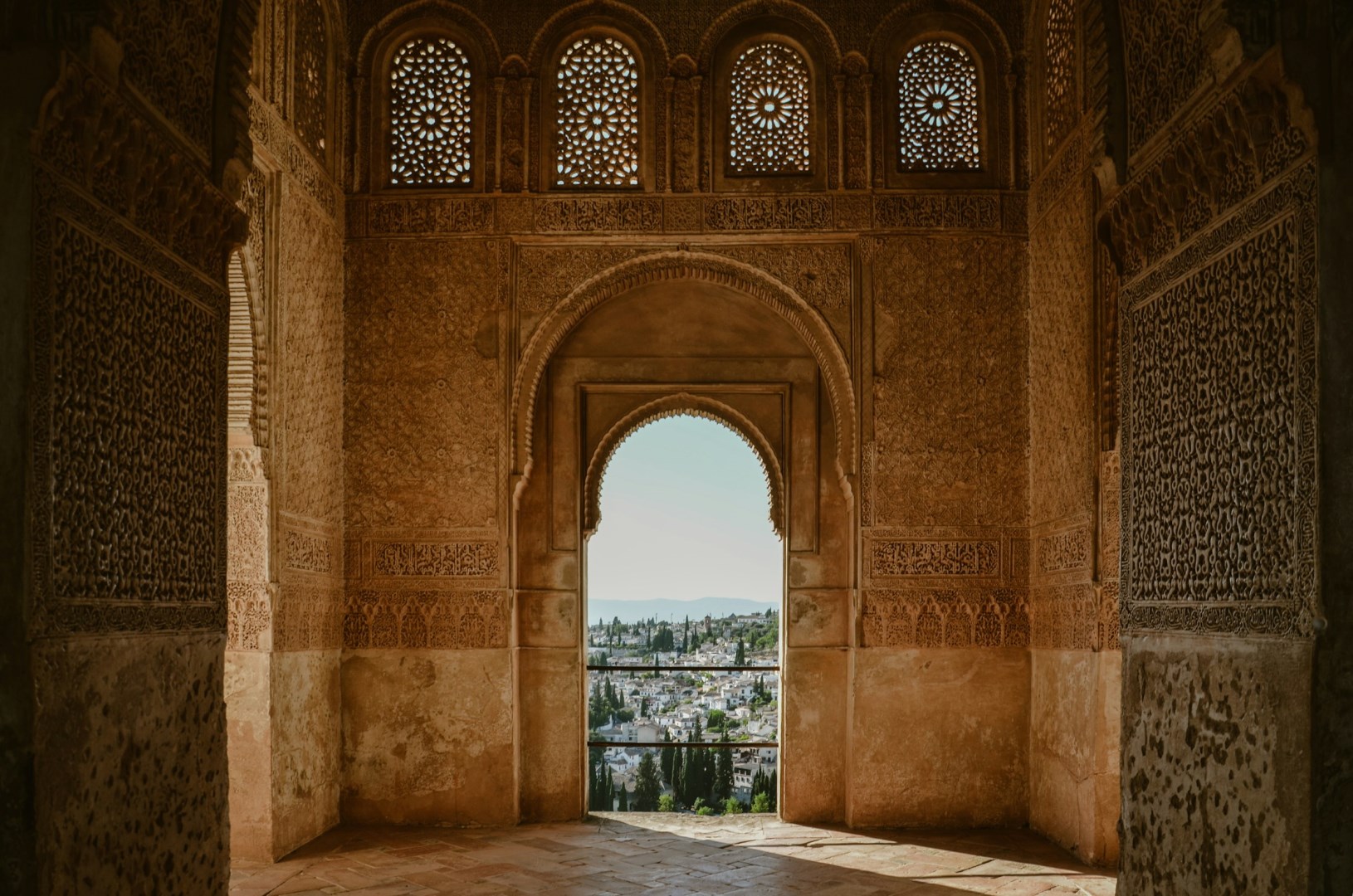
Photo Credit: Photo by FotoFlo on Unsplash
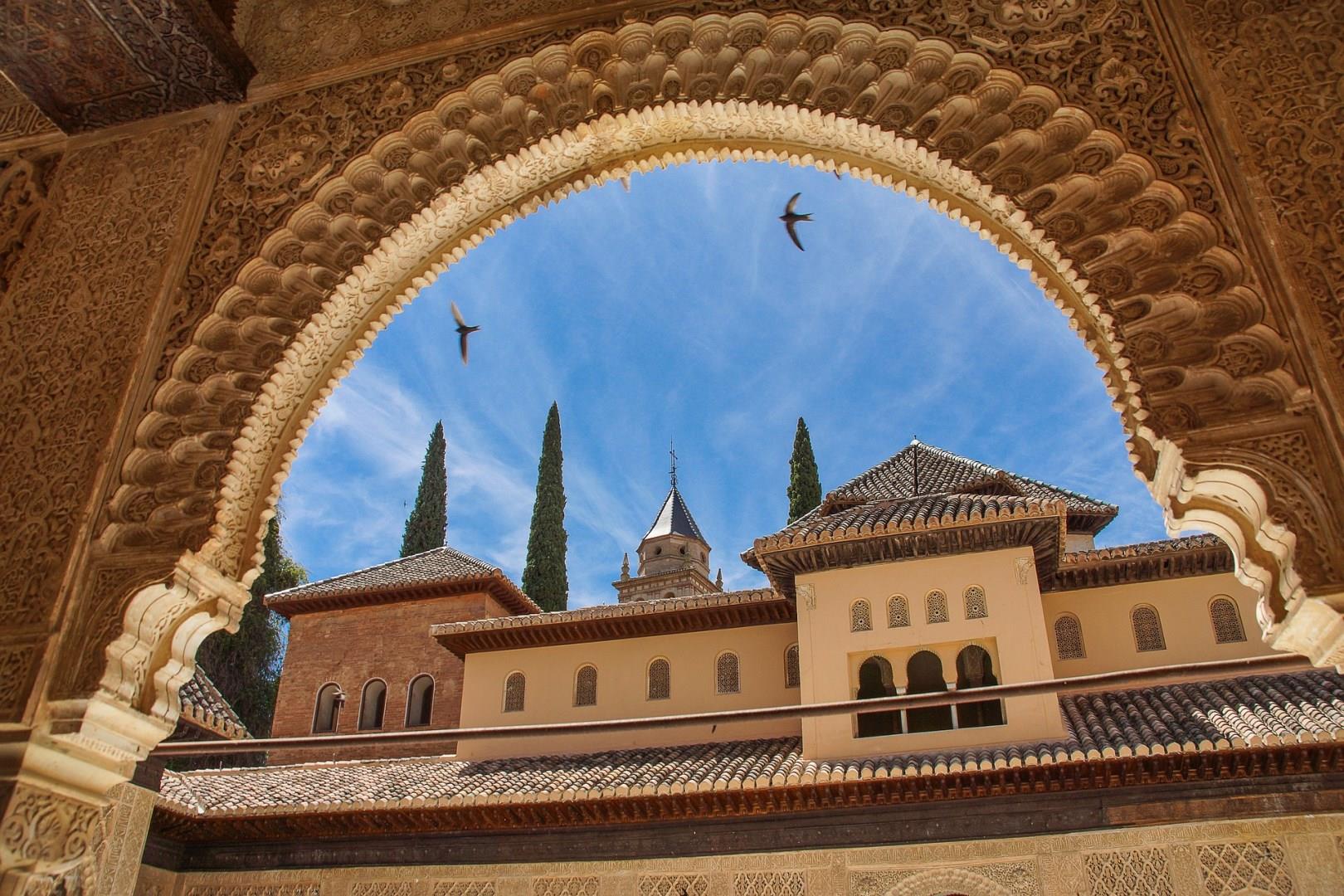
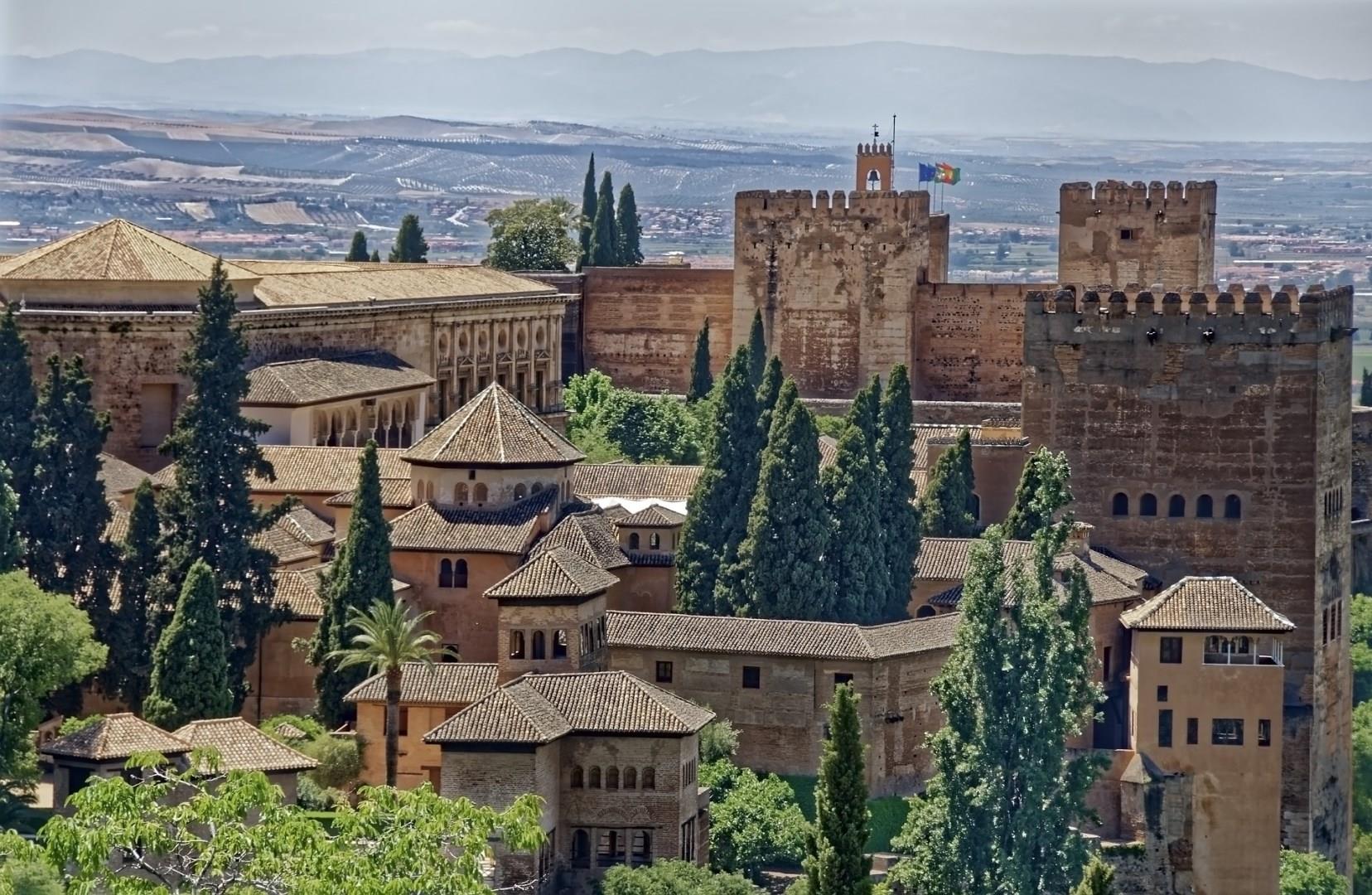
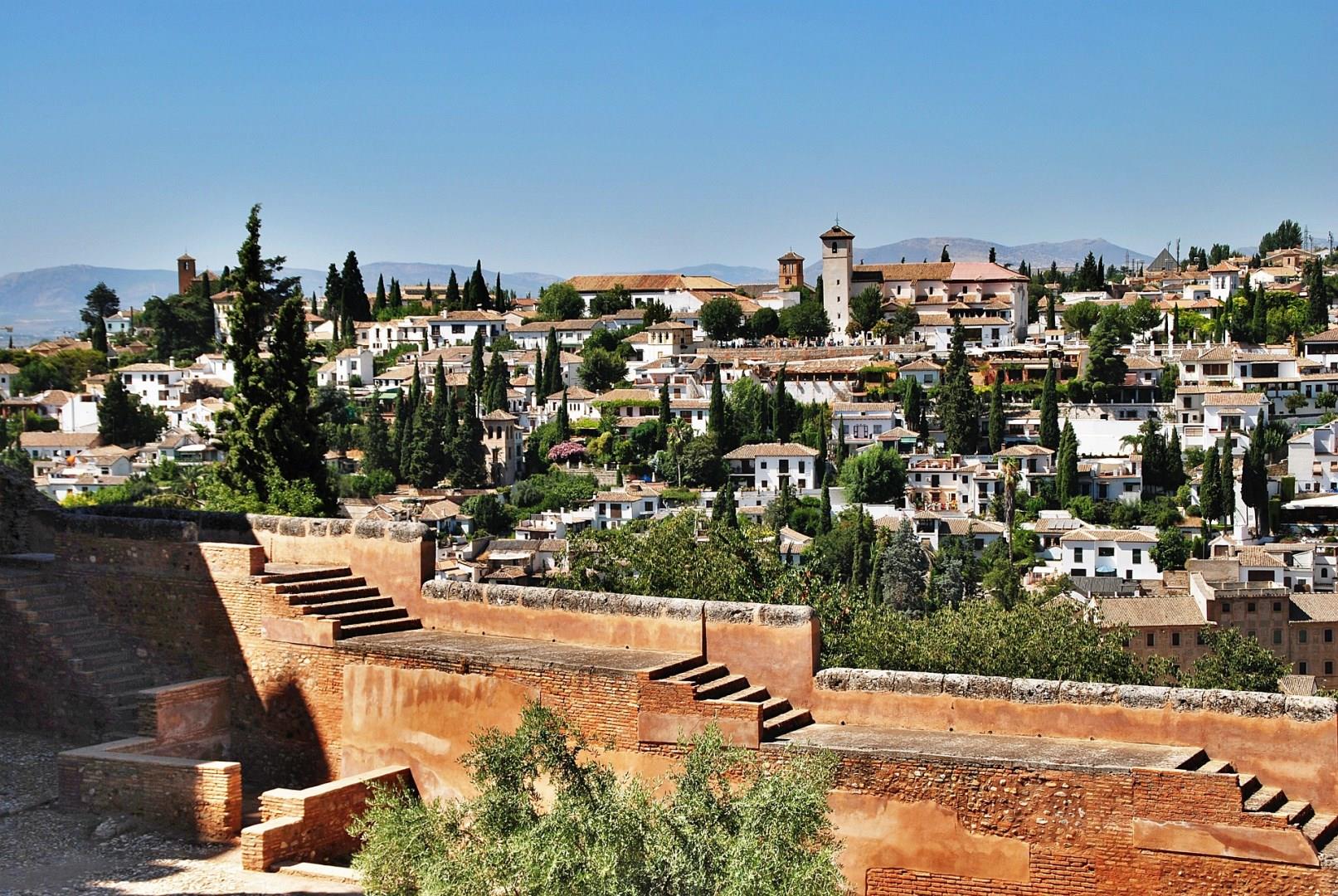
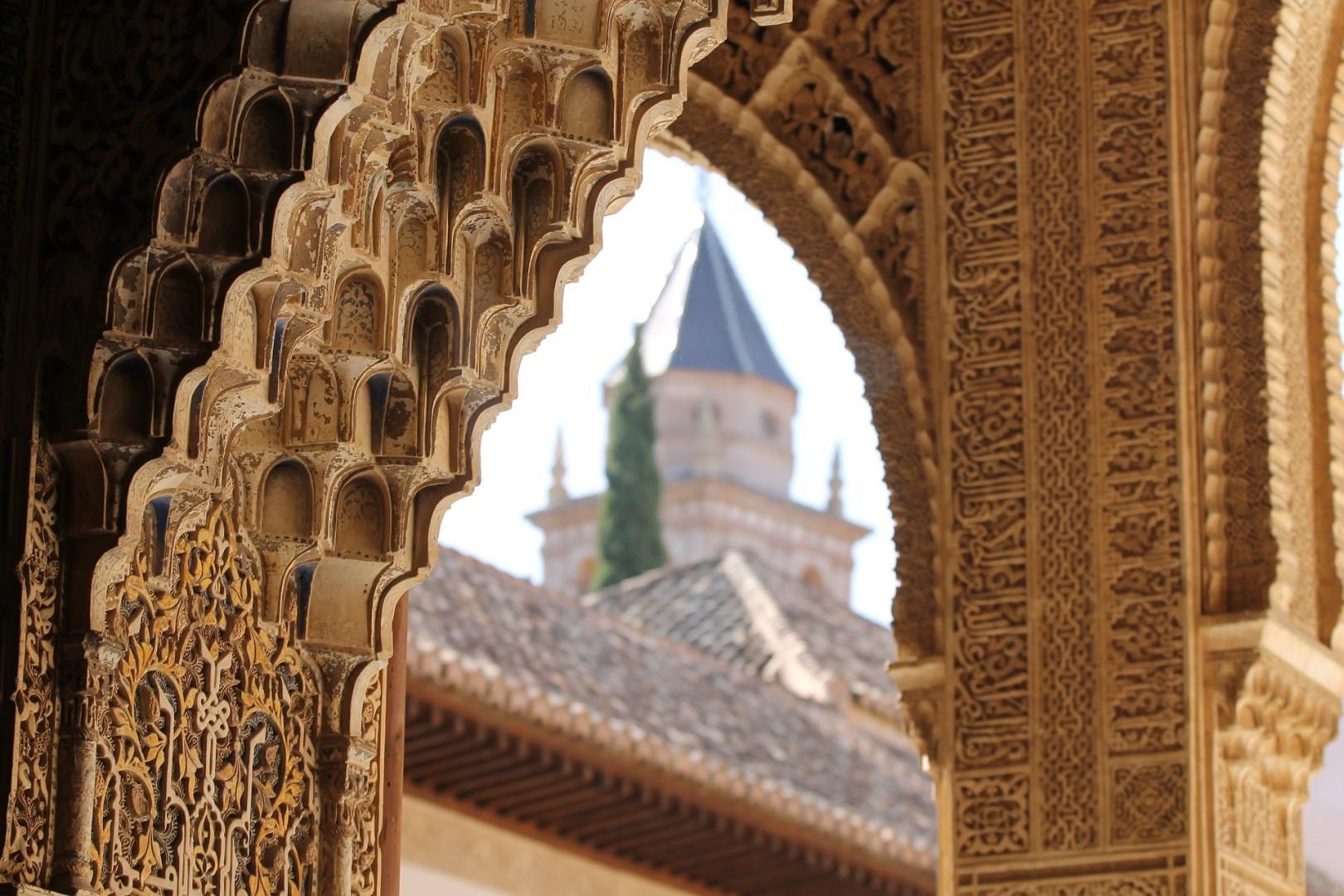
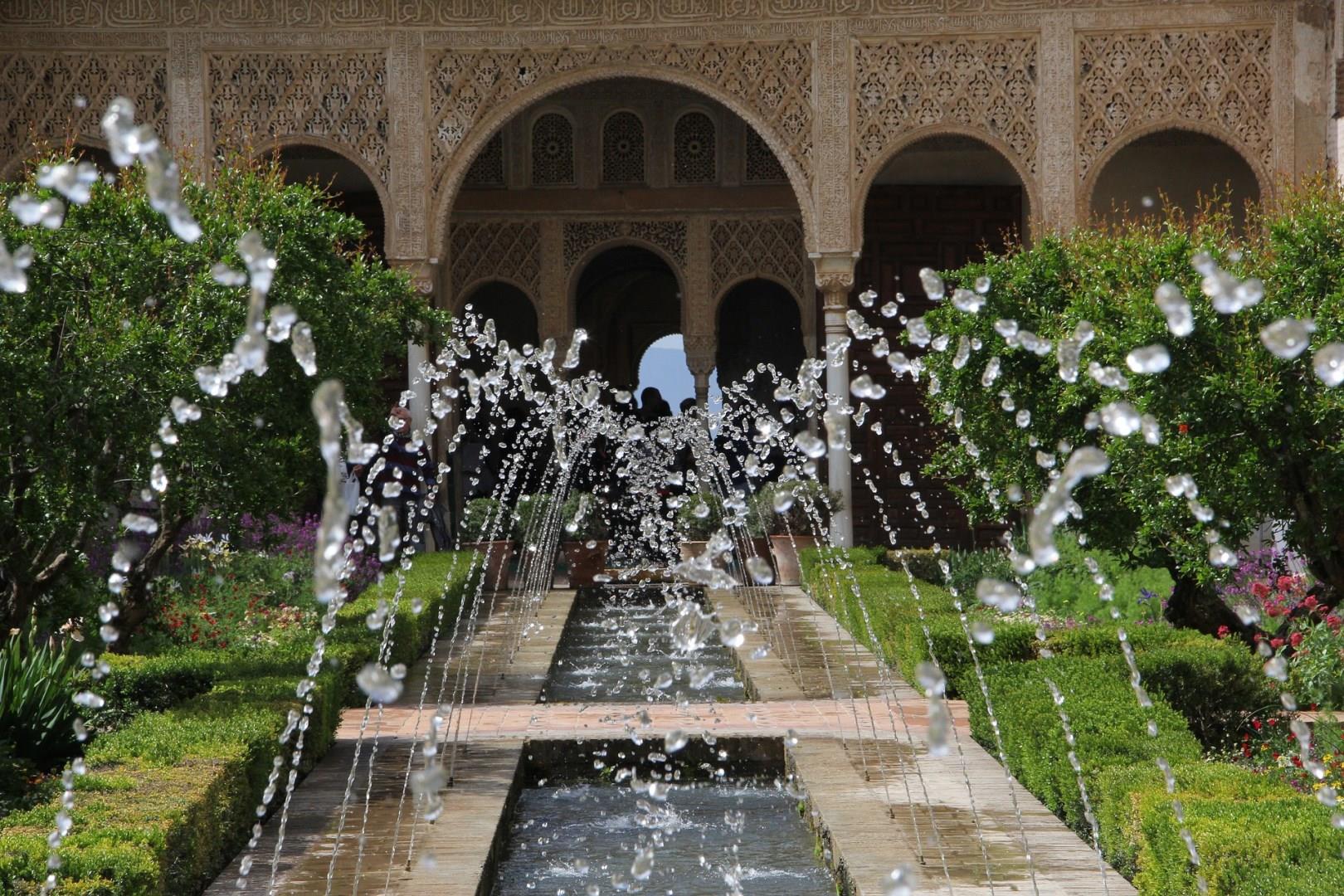
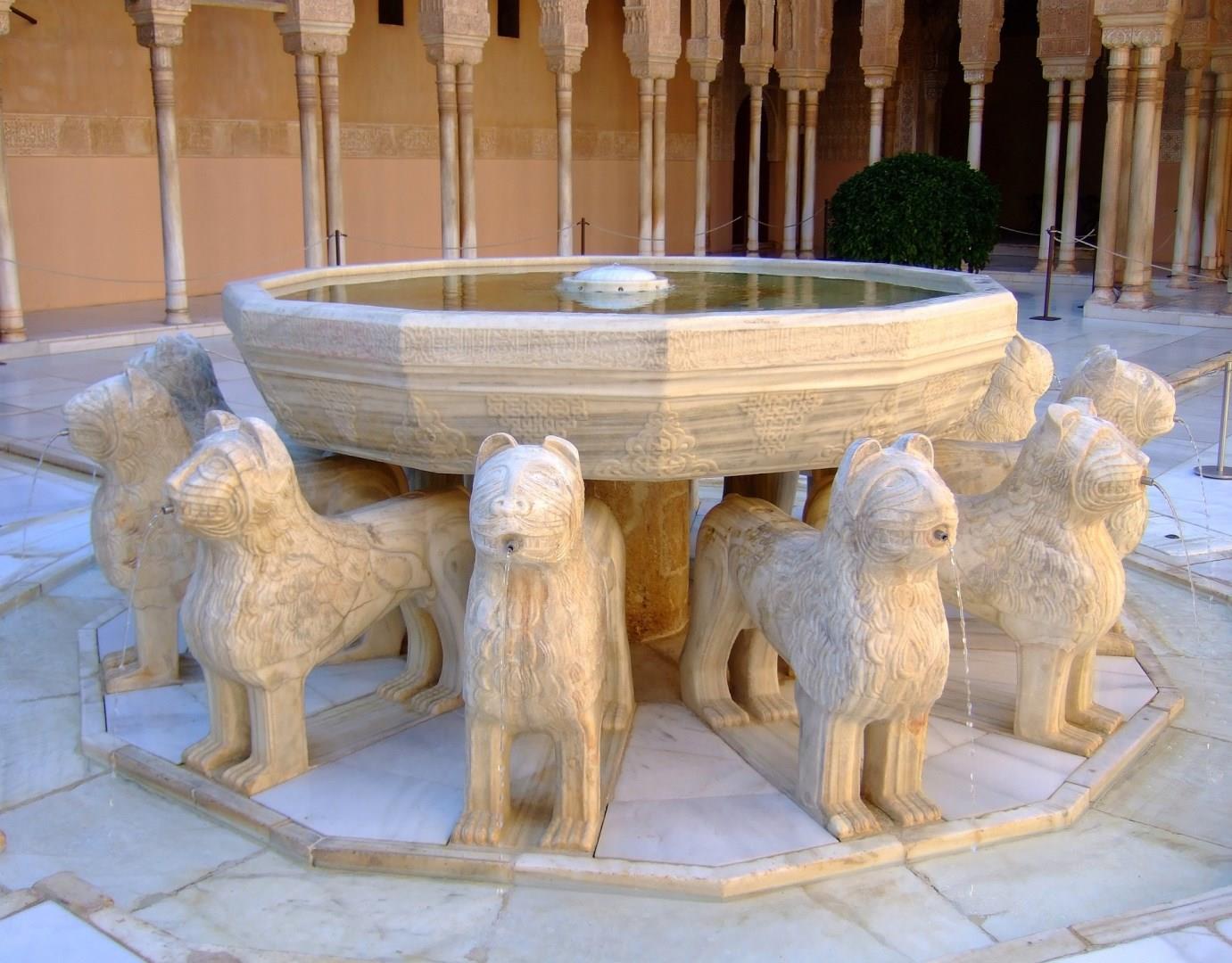
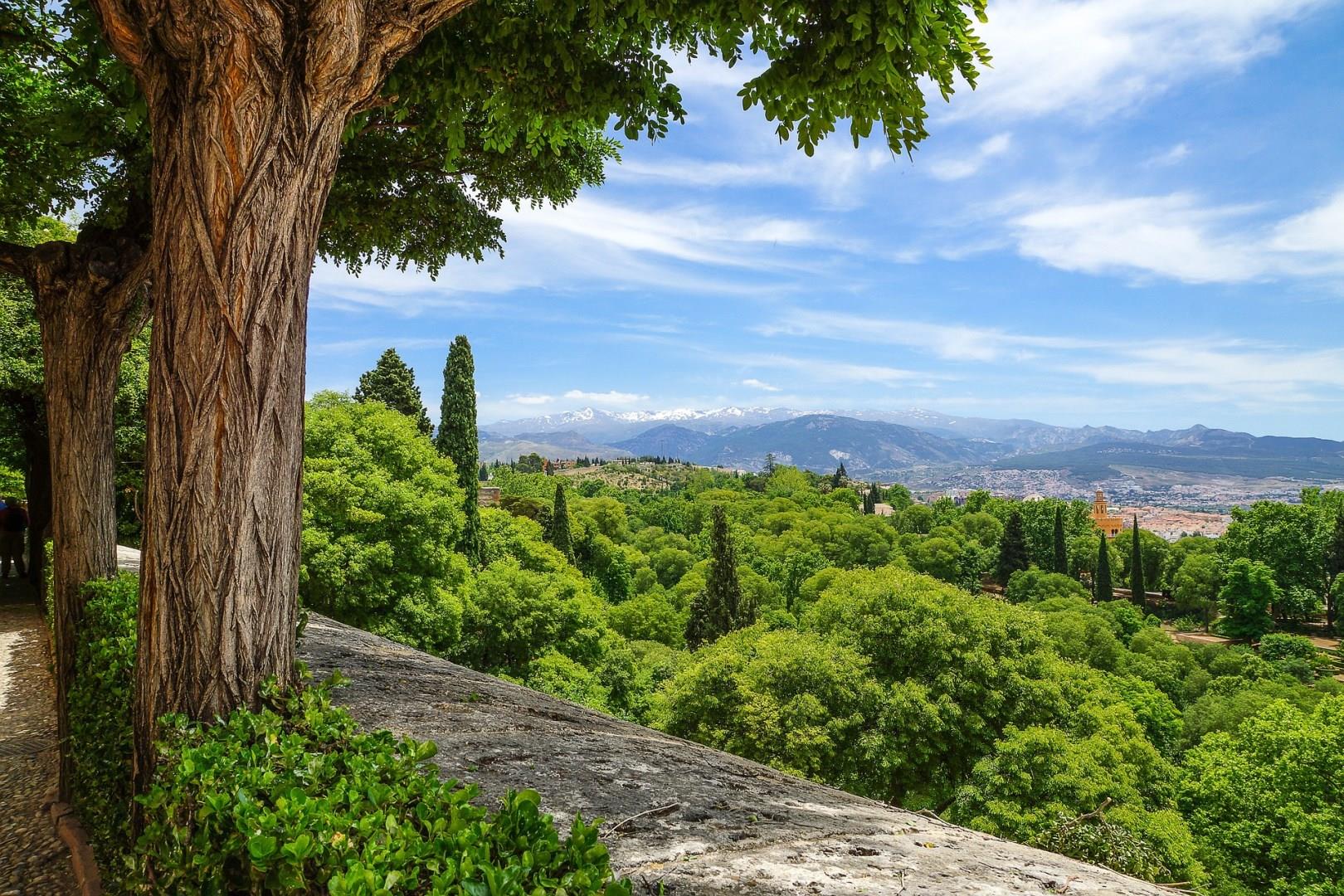
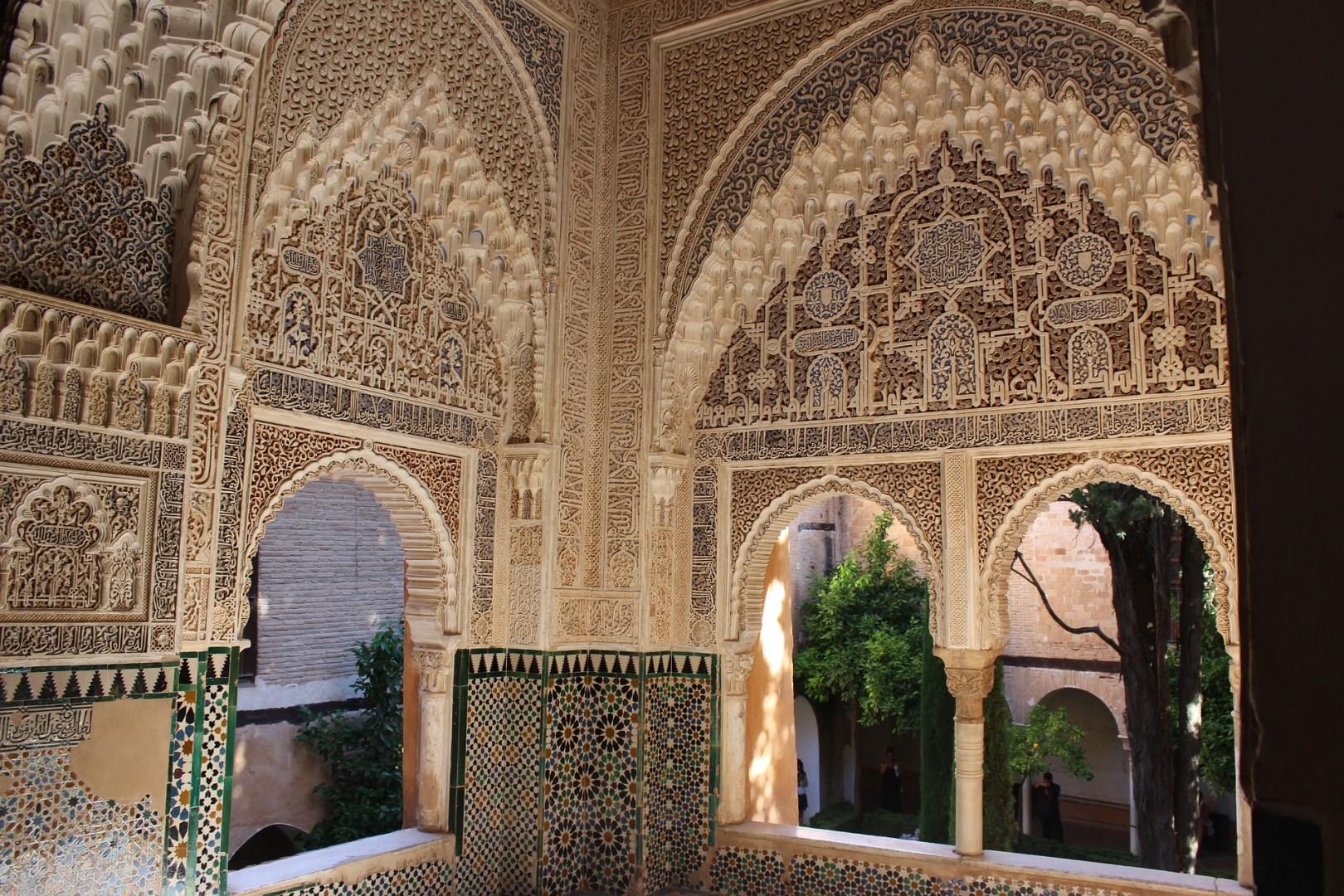
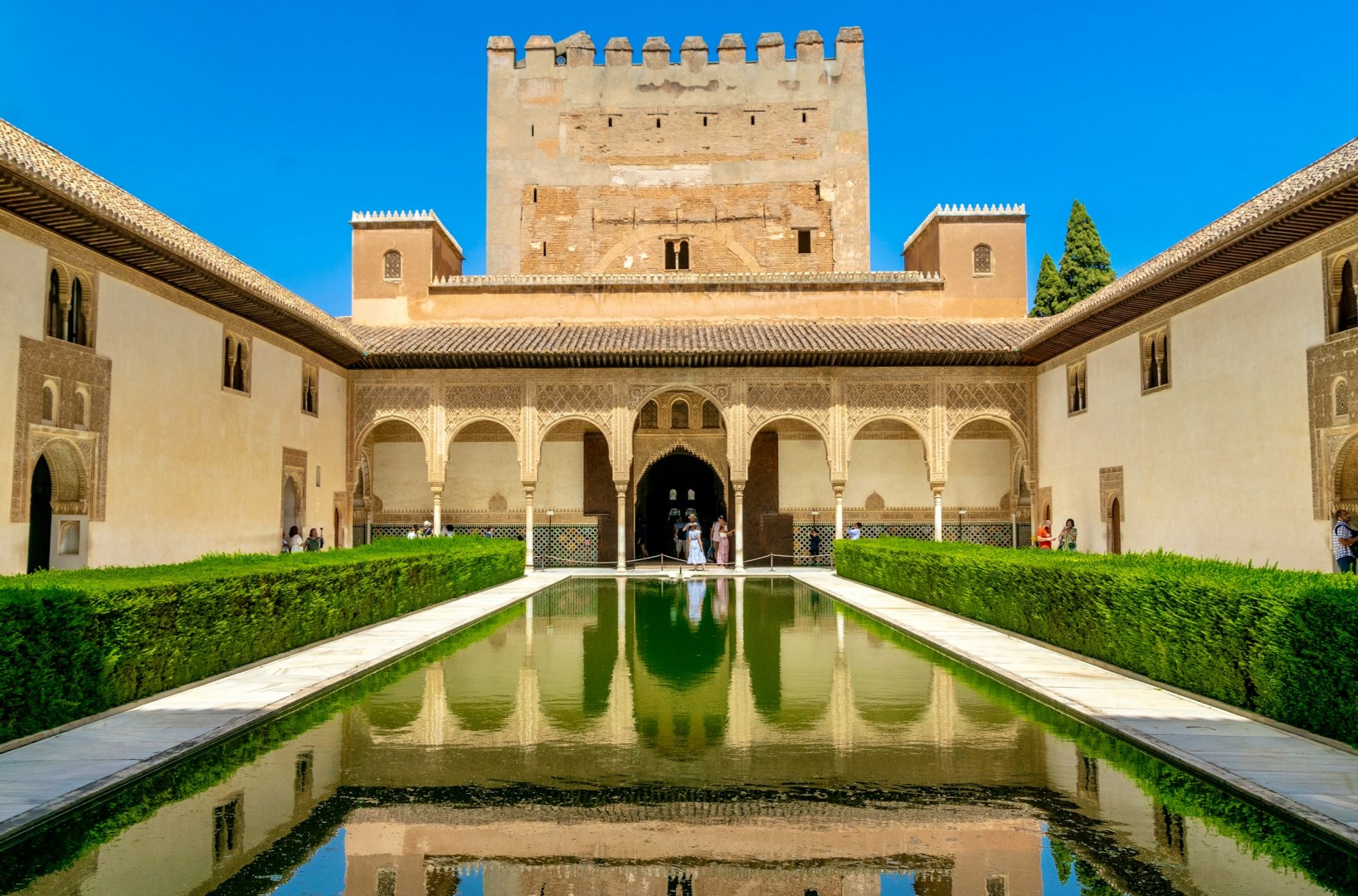
Granada, nestled at the foot of the Sierra Nevada mountains in southern Spain, is a city where history and culture converge in a mesmerizing blend. The jewel of Granada is the Alhambra, a stunning palace and fortress complex that dates back to the 13th century. This UNESCO World Heritage Site is a testament to the city's Moorish past, showcasing intricate Islamic art and architecture. Wander through the Generalife Gardens, where you can admire lush greenery and the tranquil sounds of water fountains while gazing at breathtaking views of the city below.
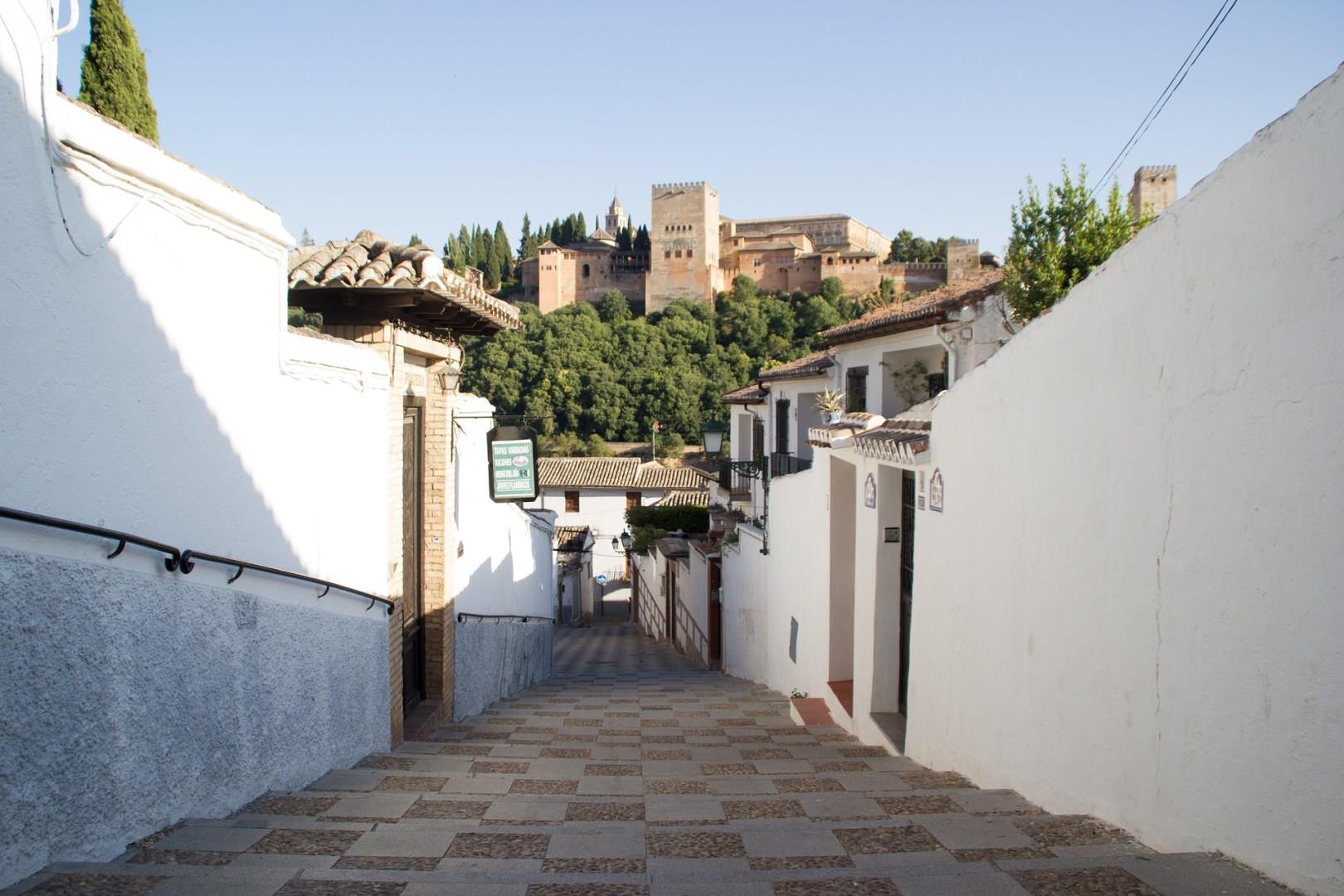
But Granada is not just about its Moorish heritage. The city is also a lively hub of Spanish culture, where flamenco music and dance are deeply ingrained in local life. The Albaicín, Granada's oldest neighborhood, offers a labyrinth of narrow, winding streets that lead to traditional tapas bars and viewpoints like Mirador de San Nicolás, which provides unparalleled views of the Alhambra against the backdrop of the snow-capped Sierra Nevada. The Cathedral of Granada, with its striking Renaissance architecture, stands as a reminder of the city's transformation following the Reconquista.
A visit to Granada isn't complete without experiencing its culinary delights. The city is famous for its free tapas culture—order a drink, and you'll receive a complimentary tapa. This tradition allows you to sample a variety of local dishes, from the savory jamón serrano to the hearty tortilla española, as you explore the city's vibrant nightlife. For a more immersive experience, consider visiting a traditional flamenco show in the Sacromonte district, where the art form was born in the caves of the Roma community.
Fun fact: Granada is one of the few cities in Spain where you can enjoy a day at the beach and ski on the same day. The Mediterranean coast is just an hour's drive away, while the Sierra Nevada Ski Resort offers some of the best skiing in Spain, making Granada a unique destination for year-round outdoor activities.
Other Popular Destinations in Spain
Barcelona
To visit Barcelona is to embrace both the past and the future. There is much to do and see in this cosmopolitan capital of Catalonia, from medieval structures to beaches to UNESCO Heritage Sites by Antoni Gaudí and Lluís Doménech i Montaner.
Seville
Must-sees in Seville include the landmark palace Royal Alcázar of Seville, the Gothic, bell-towered Catedral de Sevilla, and Plaza de España, an architectural marvel with Moorish, Baroque and Renaissance influences. Meanwhile, Museo del Baile Flamenco is the place to learn about flamenco dancing culture.