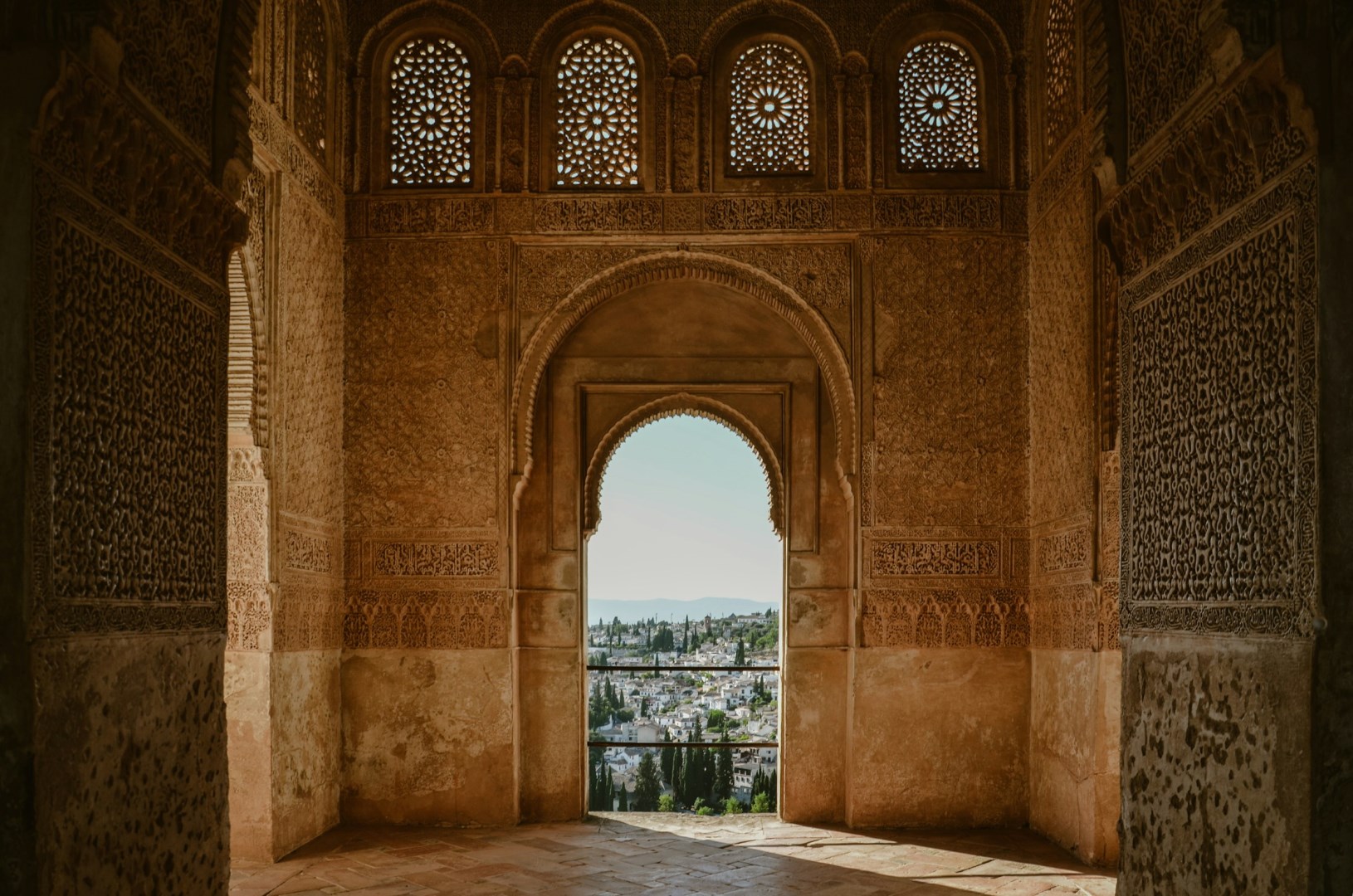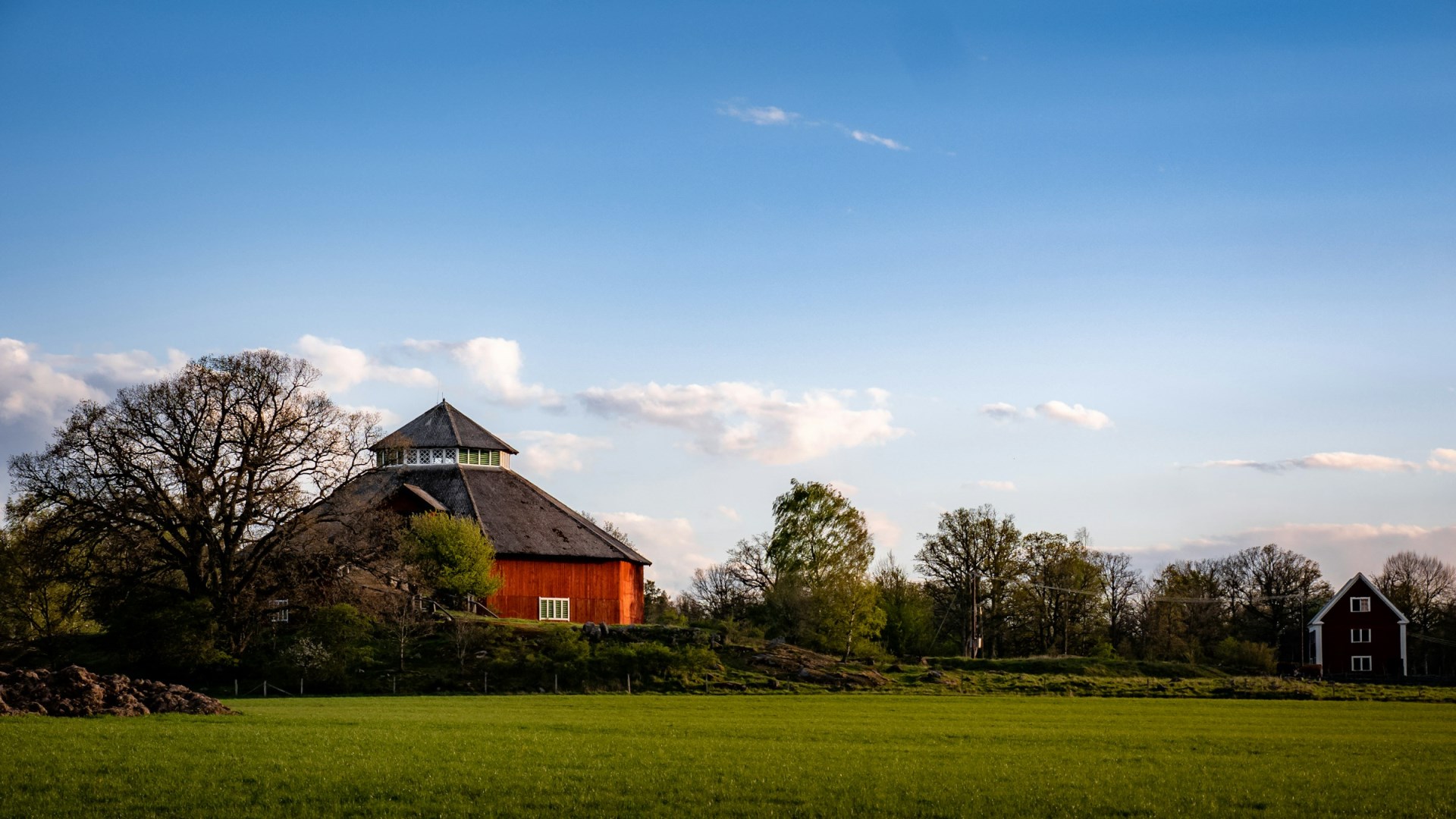
Linköping
Even though Linköping has developed into an industrial center and is Sweden's fifth-largest city, it maintains a small-town atmosphere. Old Linköping is the restored town center with preserved buildings from the 18th and 19th centuries. The tower of the impressive Linköping Cathedral, which took nearly 300 years to complete, can be seen from a distance of more than 10 kilometers.
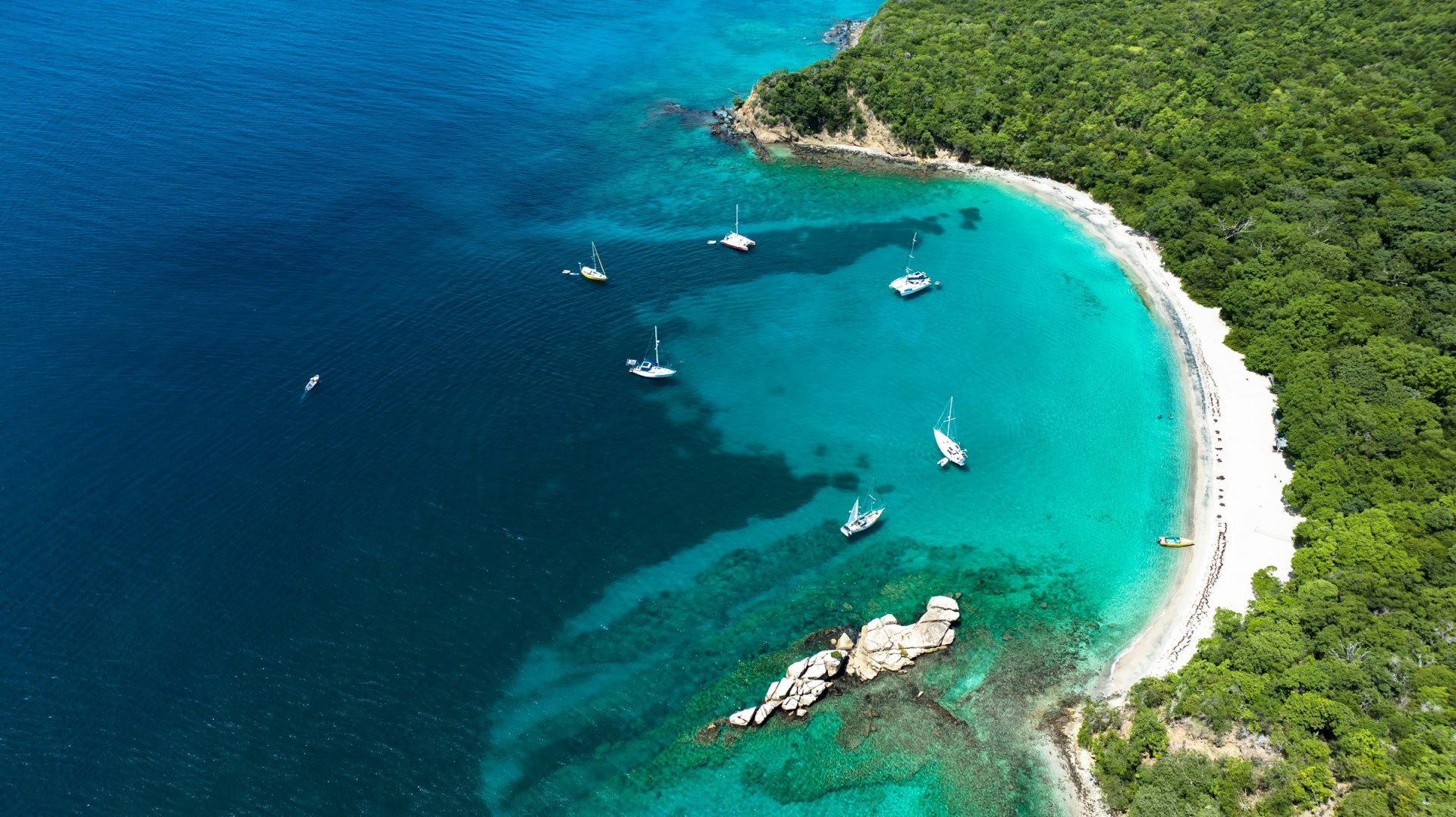
Carriacou
Carriacou is the largest of Grenada’s sister islands and part of the Grenadines, lying north of mainland Grenada between the Caribbean Sea and Atlantic Ocean. The island has a relatively dry climate and a landscape of low hills, rocky headlands, coral reefs, beaches, and small valleys used for farming. Hillsborough is the main settlement, while Windward, L’Esterre, and Tyrell Bay are among the island’s other communities.

Cuba
Cuba is an island nation where history, culture, and natural beauty intertwine in captivating ways. Known for its Spanish colonial architecture, vibrant music, and revolutionary legacy, the country offers a fascinating window into both the Caribbean and Latin American worlds. Havana, with its colorful facades, classic American cars, and lively plazas, embodies Cuba’s charm and resilience, while towns like Trinidad and Cienfuegos showcase UNESCO-listed heritage and a slower pace of life.
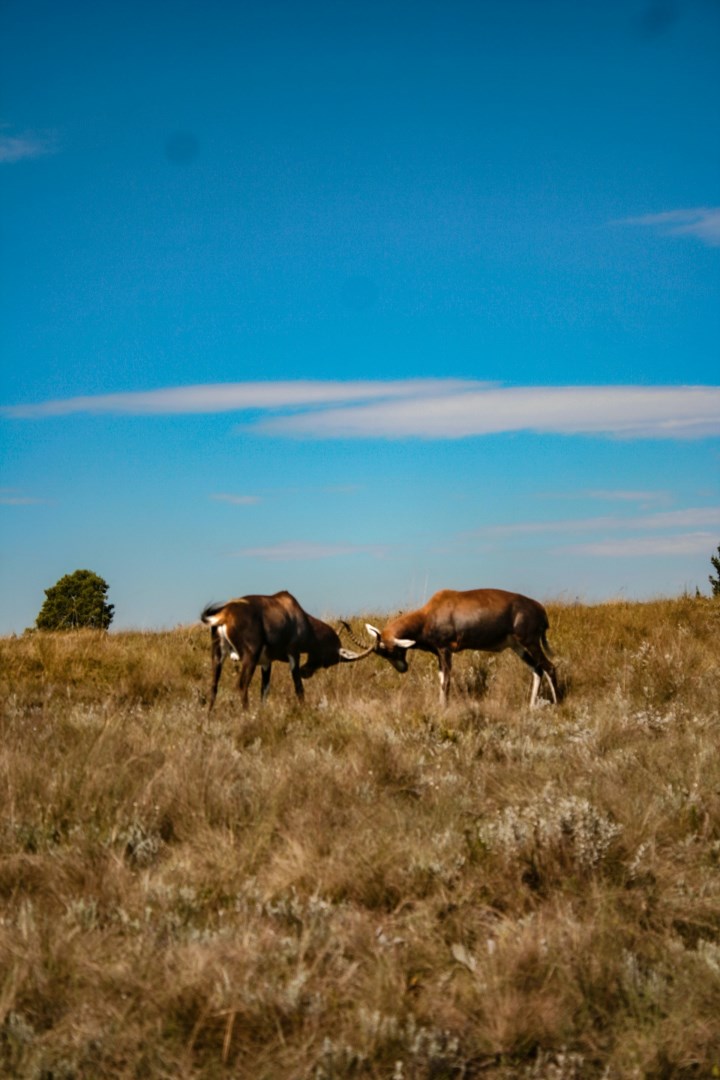
Malolotja National Park
Malolotja Nature Reserve, often referred to as Malolotja National Park, lies in the northwestern highlands of Eswatini, close to the South African border. Covering more than 18,000 hectares, it protects one of the country’s largest areas of mountain wilderness, with rolling grasslands, deep valleys, wetlands, woodland, and mistbelt forest.
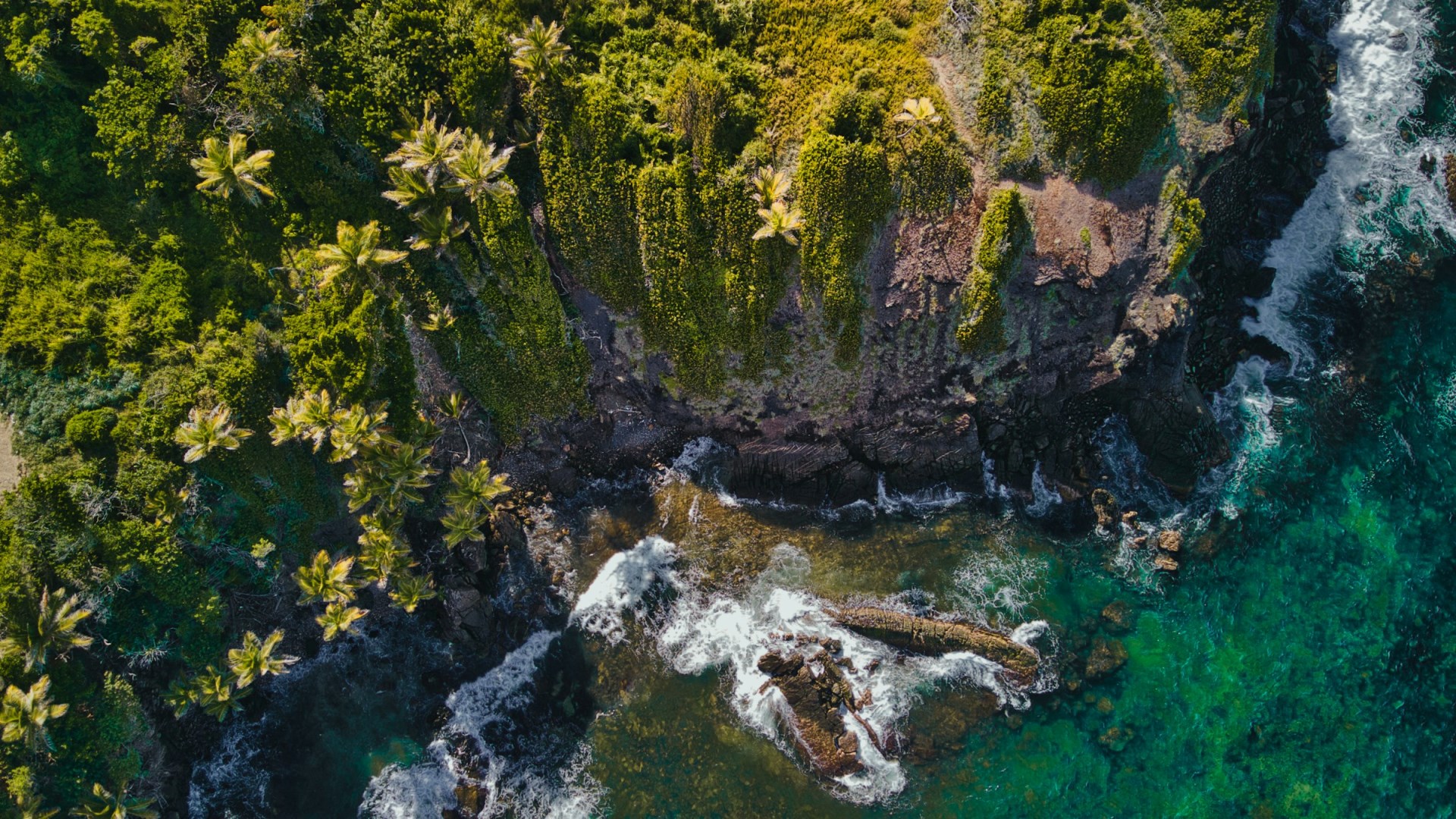
Toco
Toco is a rural coastal community at the northeastern tip of Trinidad, where the Atlantic Ocean meets the Caribbean Sea near the boundary between the two waters. The area is surrounded by forested hills, coconut groves, small farms, fishing villages, and rocky headlands. Toco is connected to the rest of Trinidad by the North Coast Road, which follows a scenic route through the Northern Range before reaching the coast.