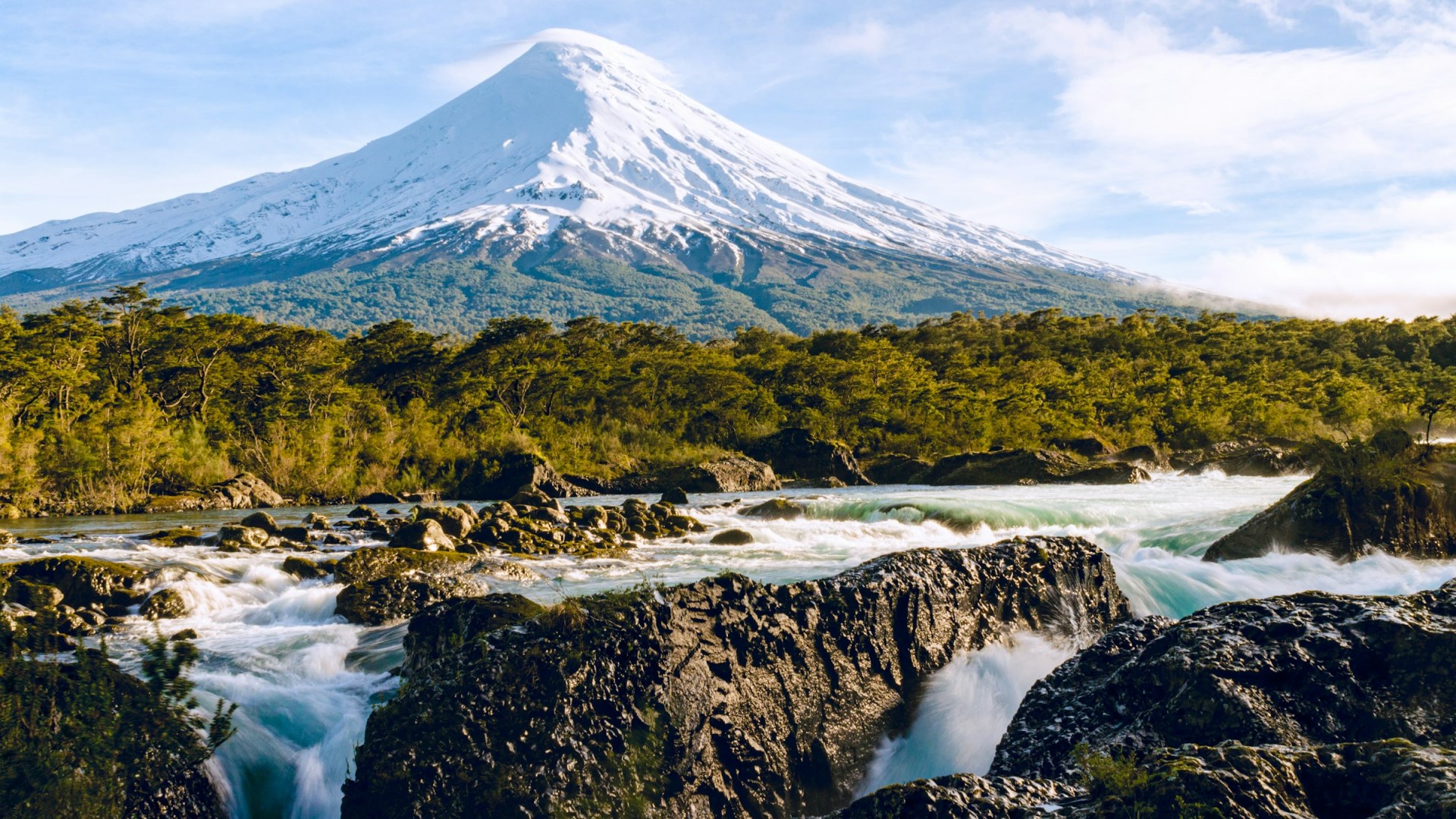
Puerto Varas is a lakeside city in Chile’s Los Lagos Region, set on the southern shore of Lake Llanquihue with views toward the volcanoes Osorno, Calbuco, Puntiagudo, and Tronador. The waterfront, with its promenade and gardens, forms the center of the city’s relationship with the lake, while wooded hills and agricultural land extend beyond the urban area.
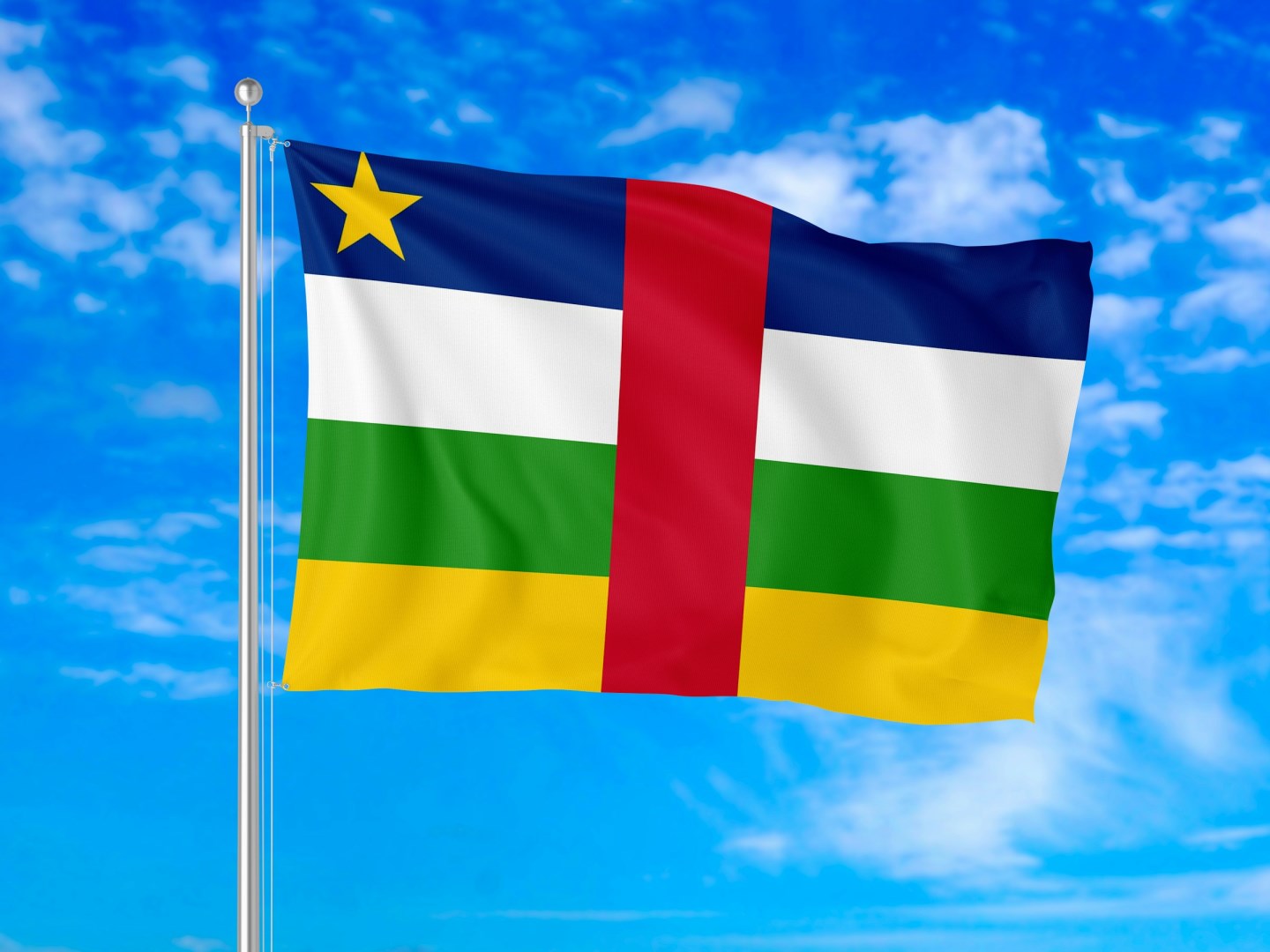
Central African Republic, republic in central Africa, bordered on the north by Chad, on the east by Sudan, on the south by Zaire and the Republic of the Congo, and on the west by Cameroon. The landlocked nation has an area of 622,436 sq. km (about 240,323 sq. mi). Bangui is the capital and largest city.
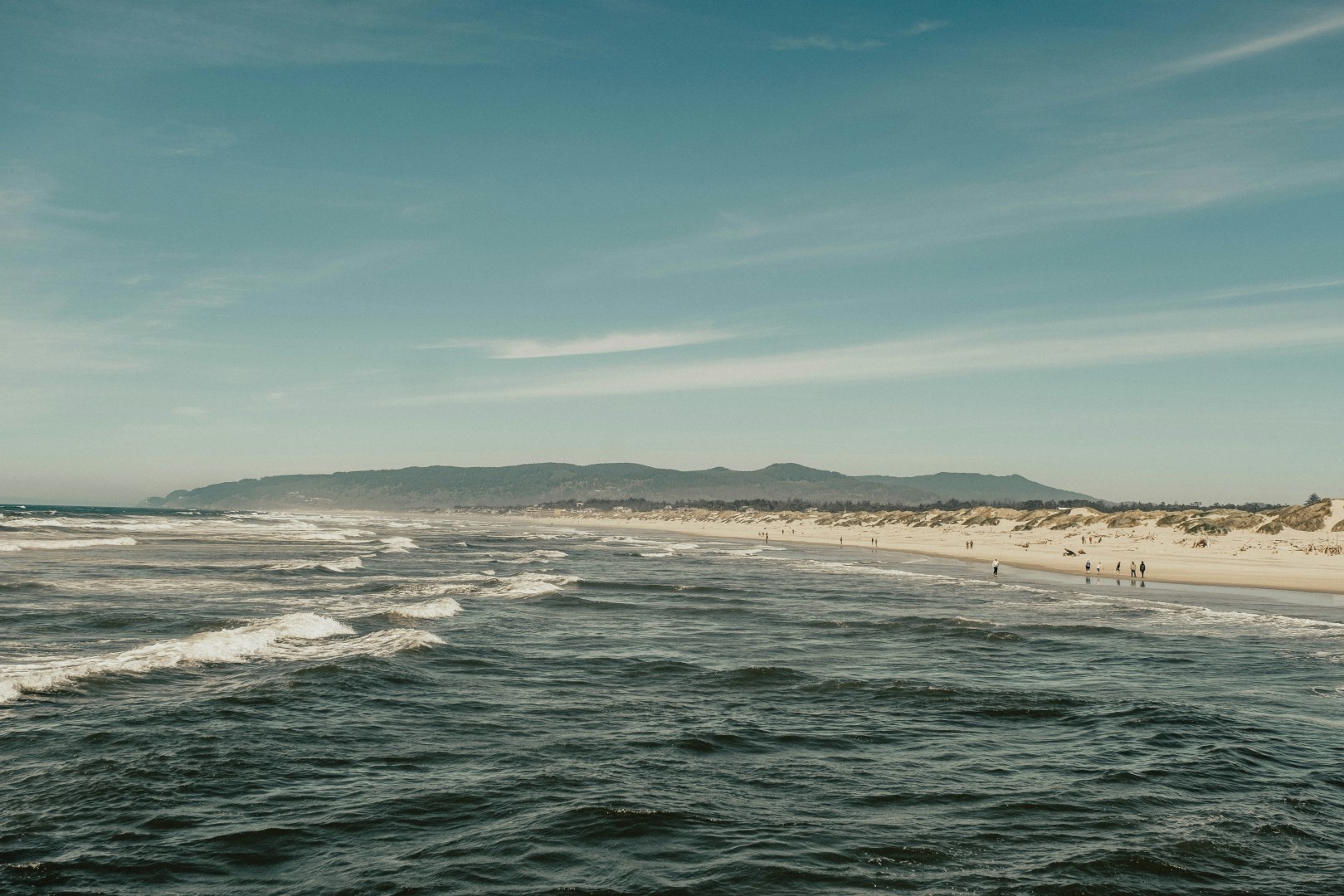
Florence is a coastal city in Oregon located where the Siuslaw River meets the Pacific Ocean. It is known for its dramatic coastal scenery, extensive sand dunes, and working waterfront.
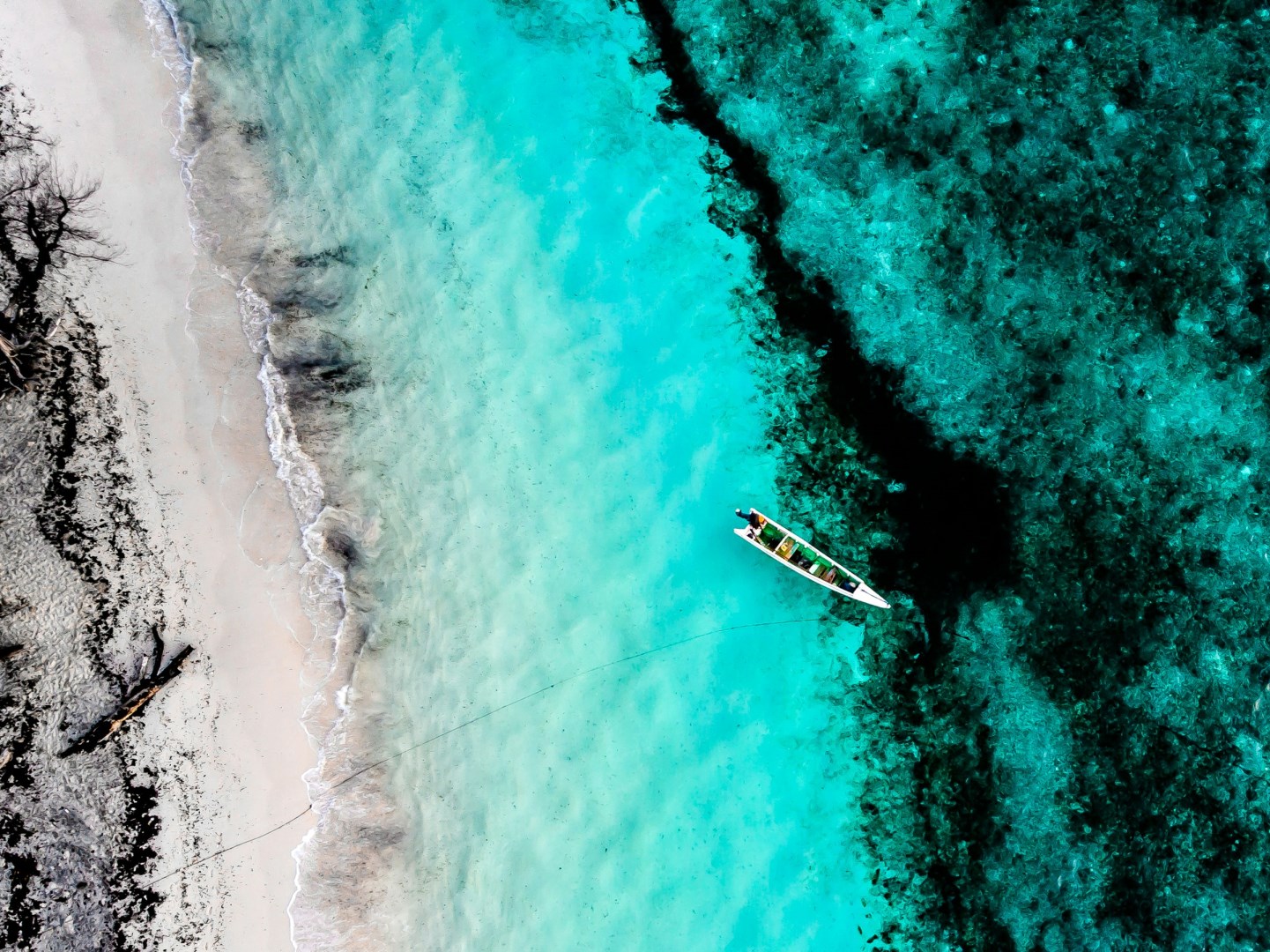
Atauro Island is a mountainous island north of Dili in Timor-Leste, separated from the mainland by the Ombai Strait. Its landscape includes dry hills, forested slopes, grassy areas, rocky cliffs, and small coastal villages. The island is surrounded by exceptionally diverse coral reefs and clear tropical waters, making its marine environment one of its defining features.
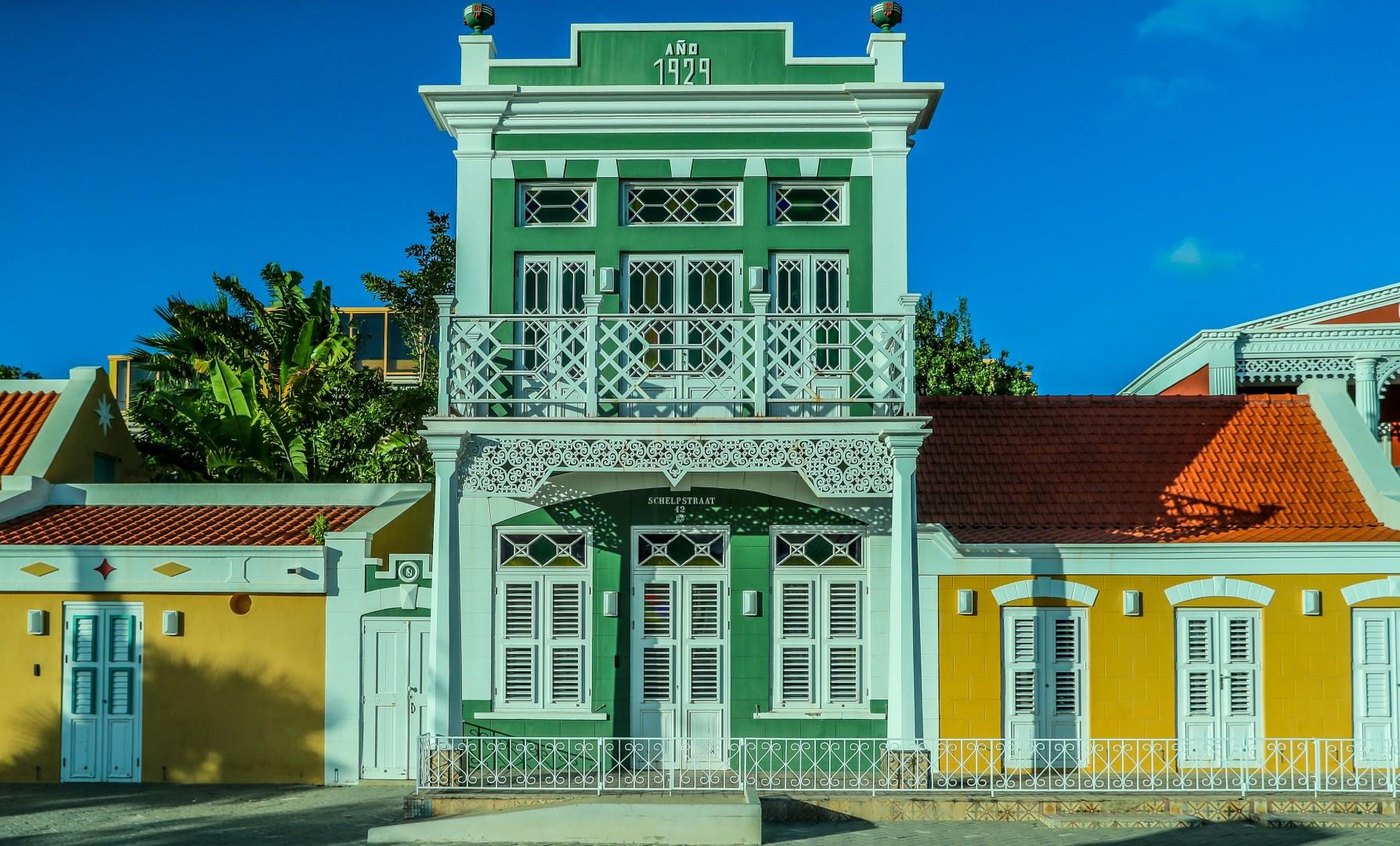
Oranjestad, Aruba’s colorful capital, blends Dutch colonial charm with the island’s easygoing Caribbean character. The city’s pastel-painted buildings, adorned with gables and decorative facades, recall its Dutch heritage while housing modern boutiques, cafés, and museums.
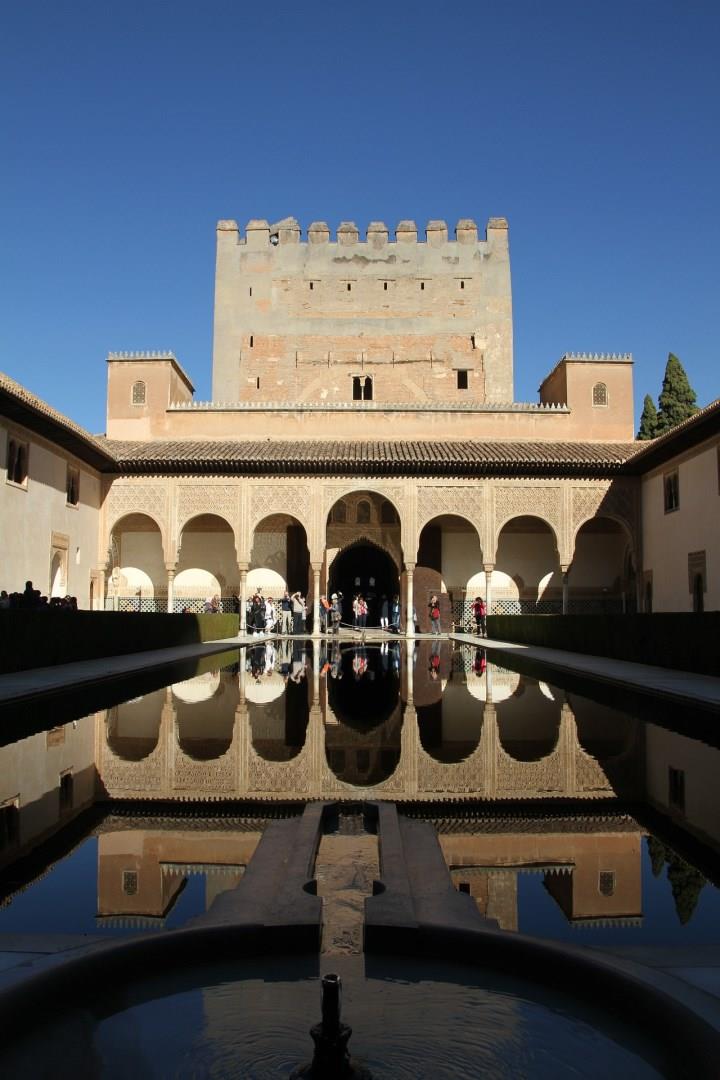
Photo Credit: Photo by Marco Montero Pisani on Unsplash
Alhambra
Photo Credit: Photo by Hari Nandakumar on Unsplash
Photo Credit: Photo by FotoFlo on Unsplash
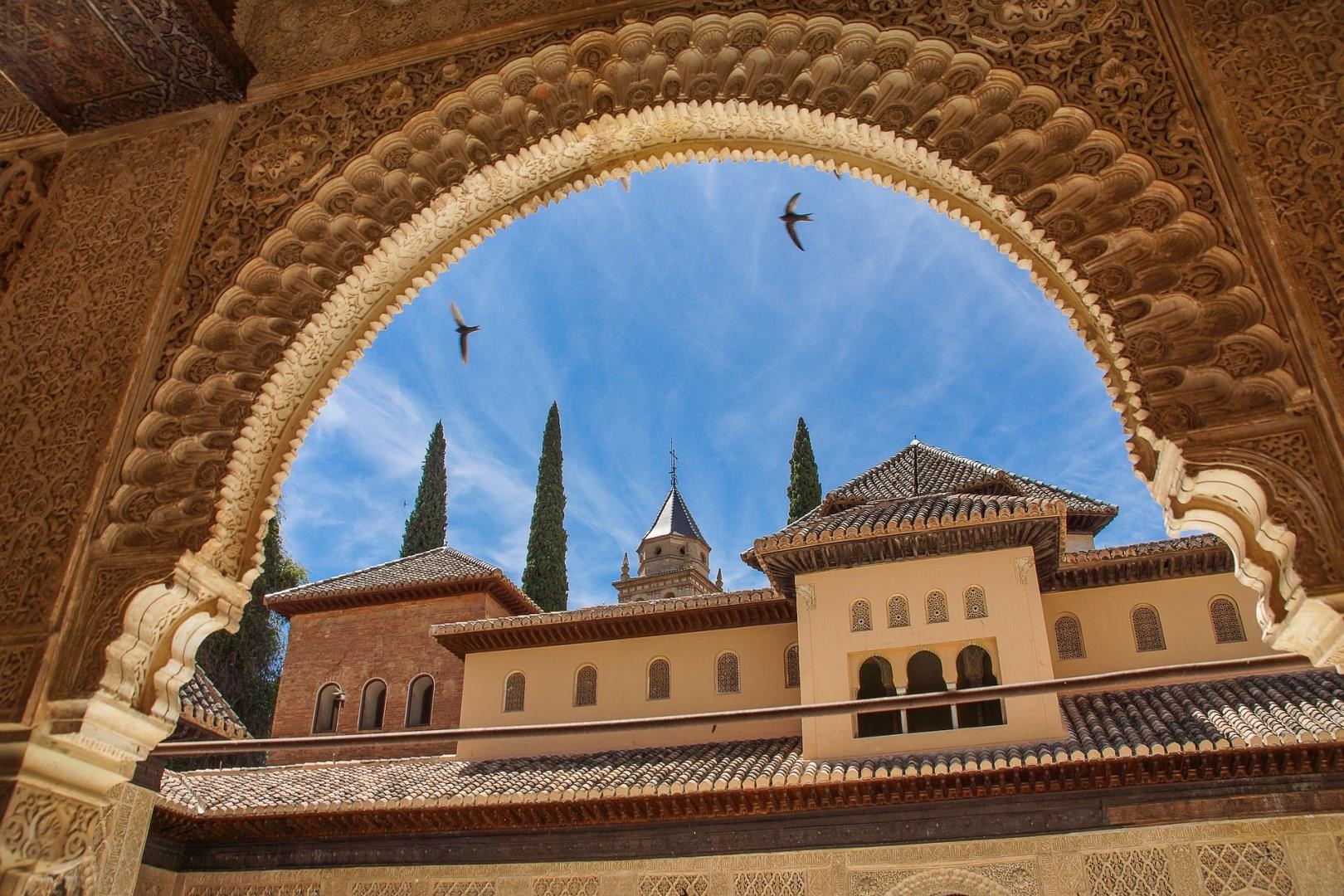
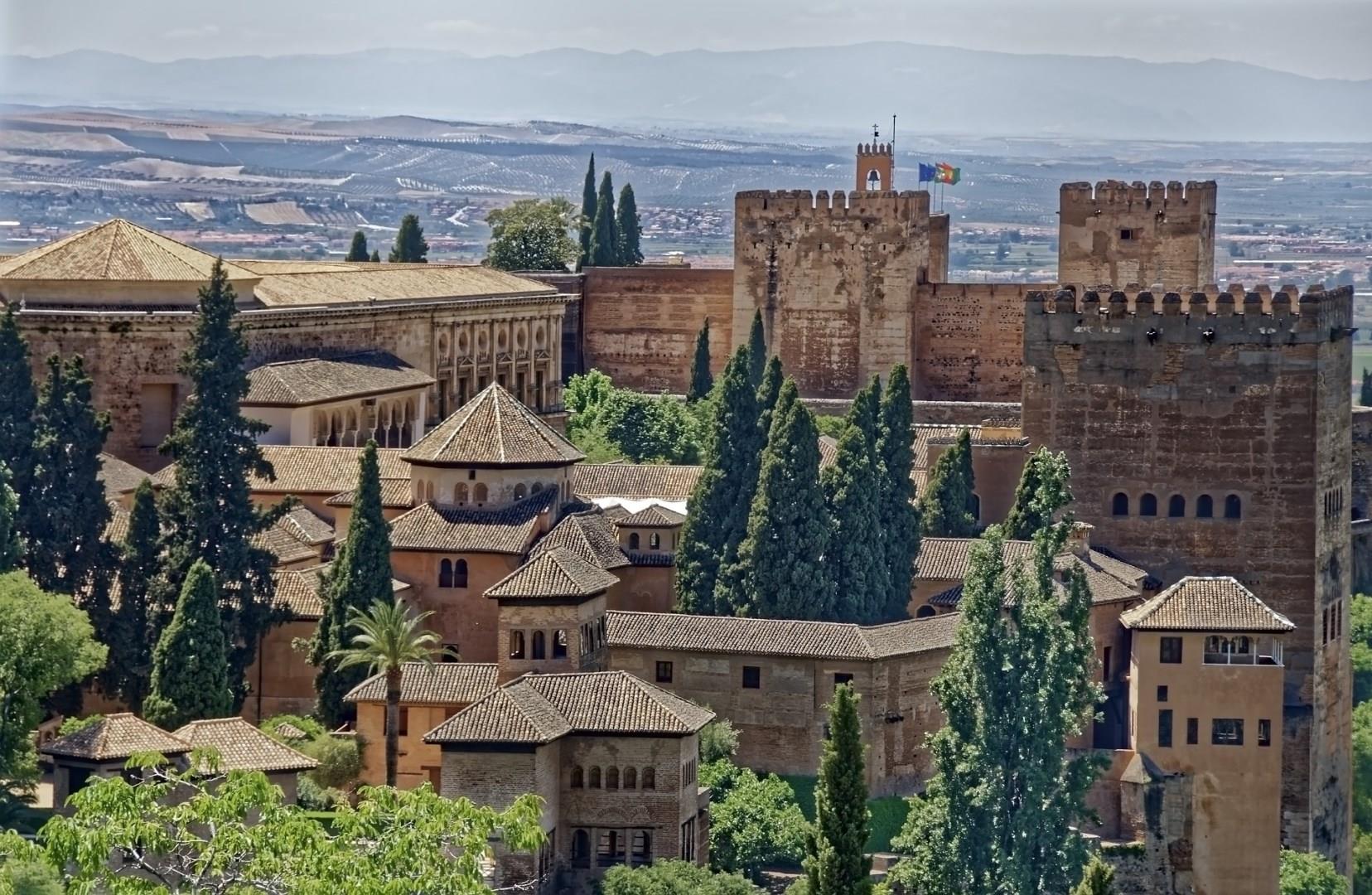
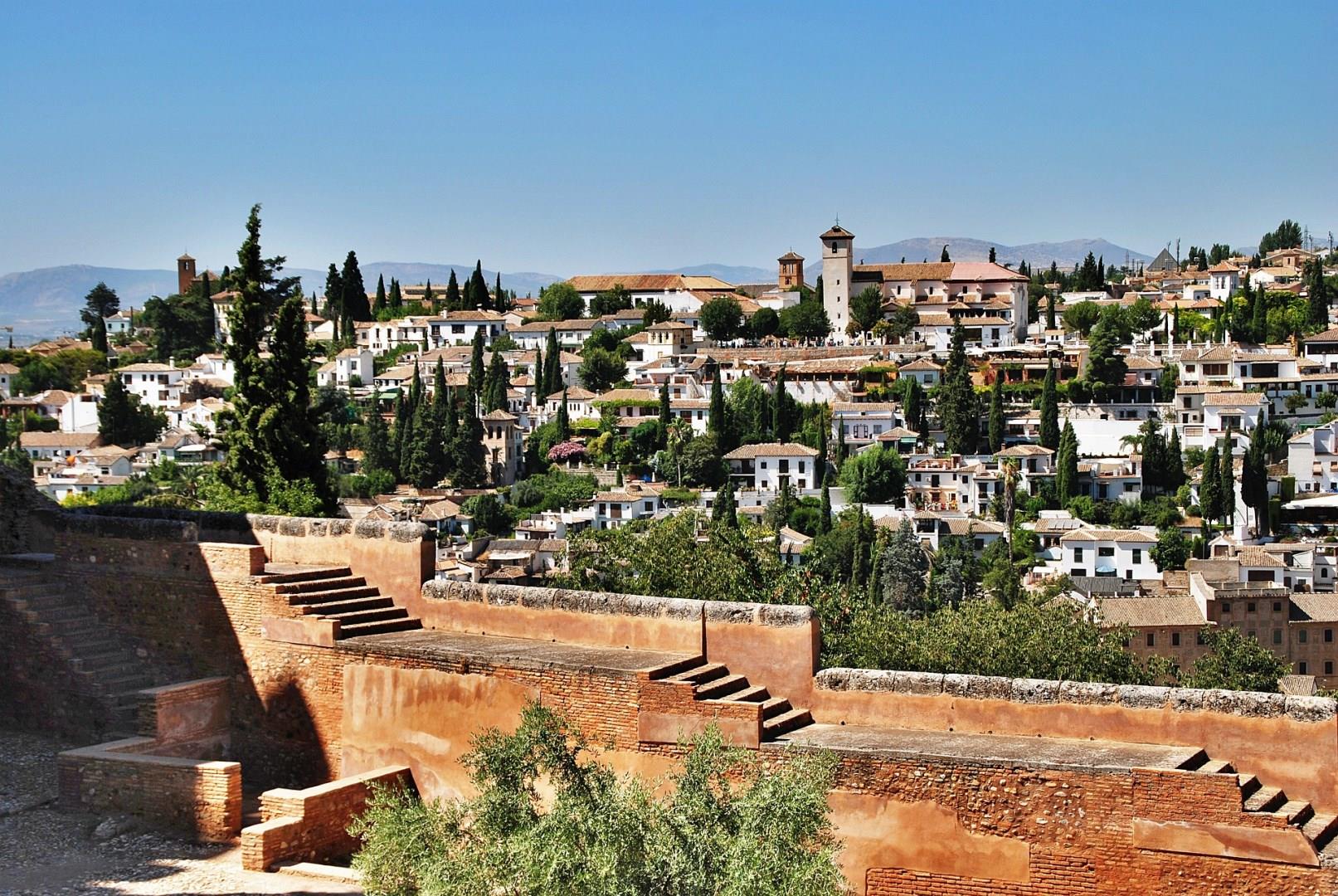
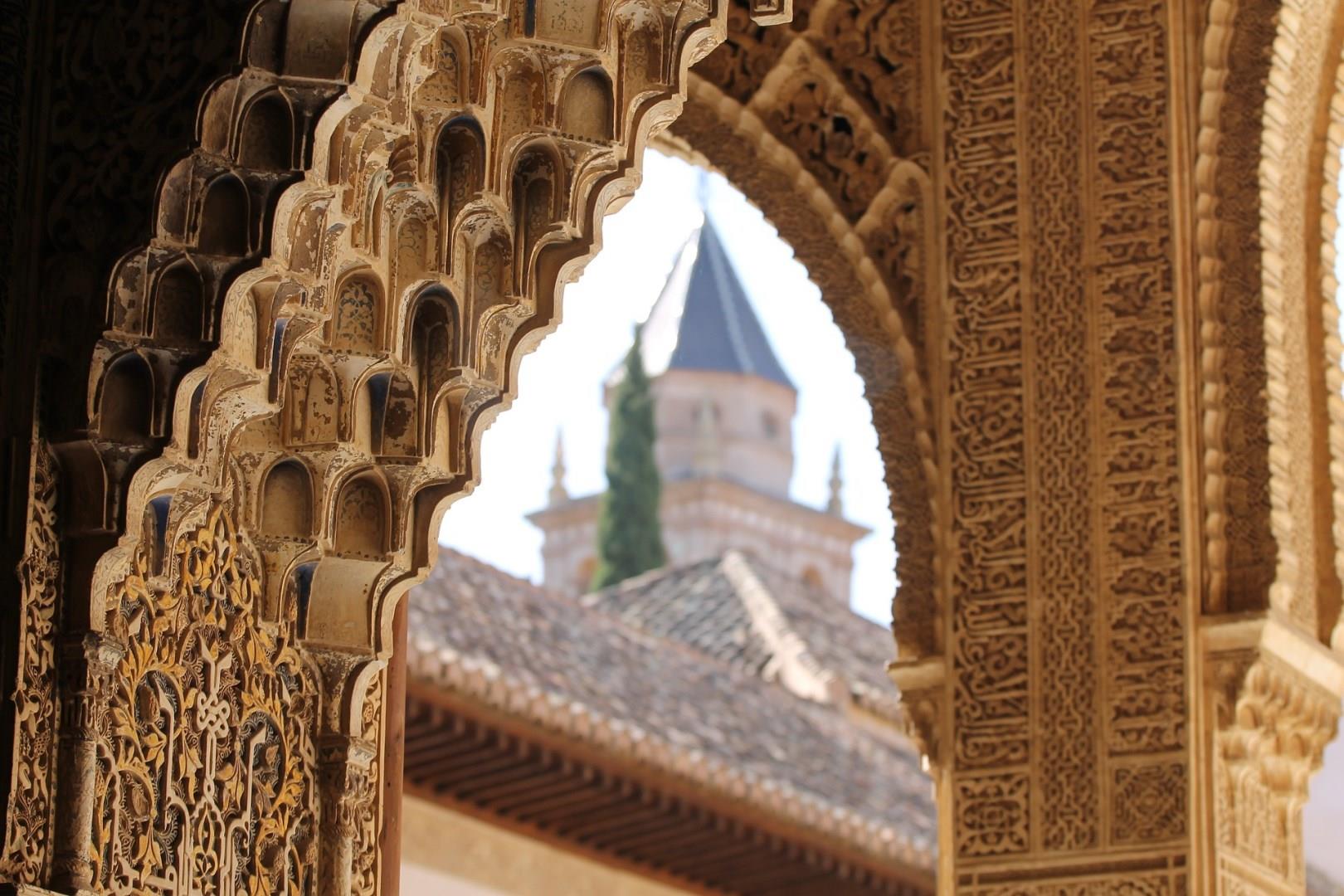
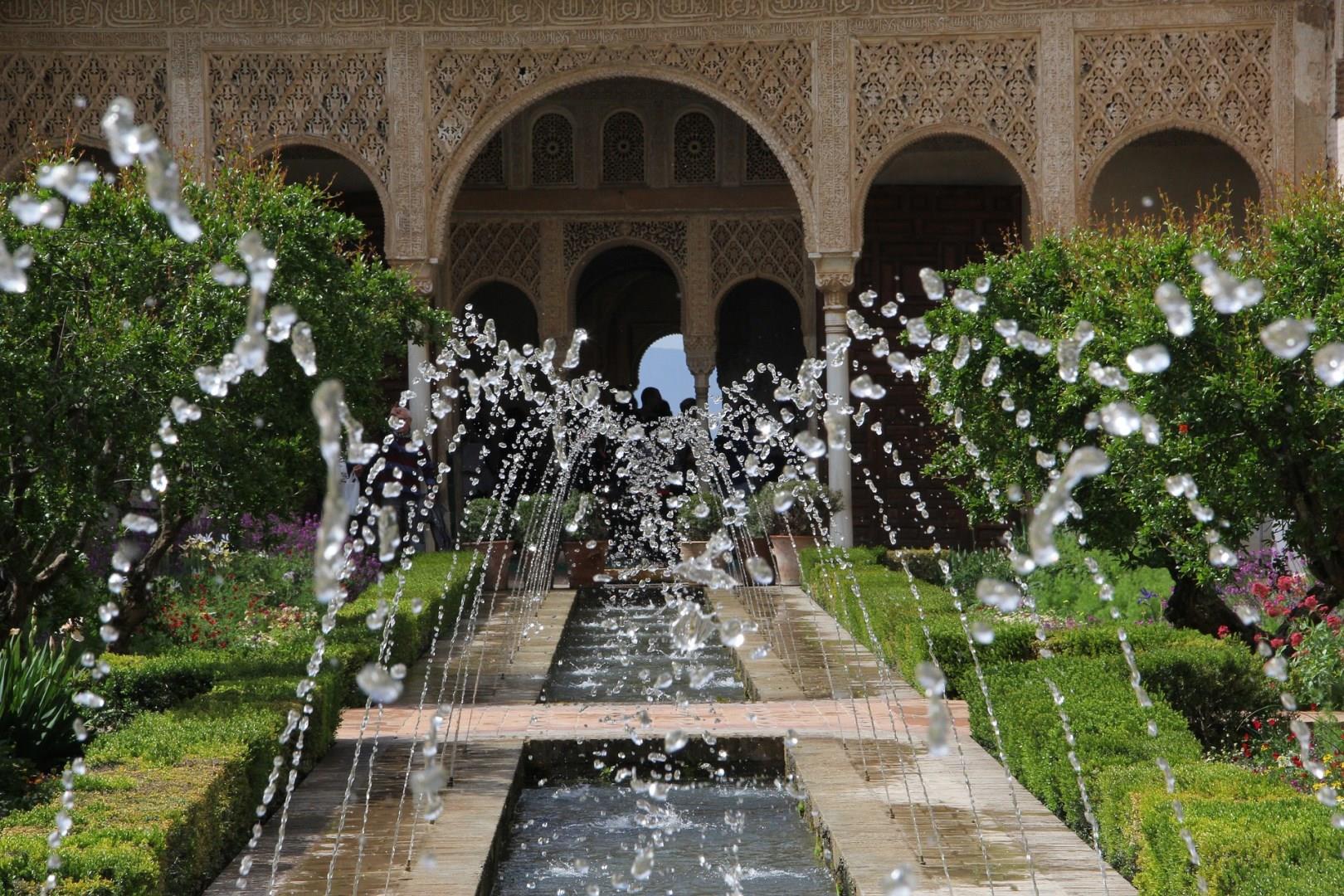
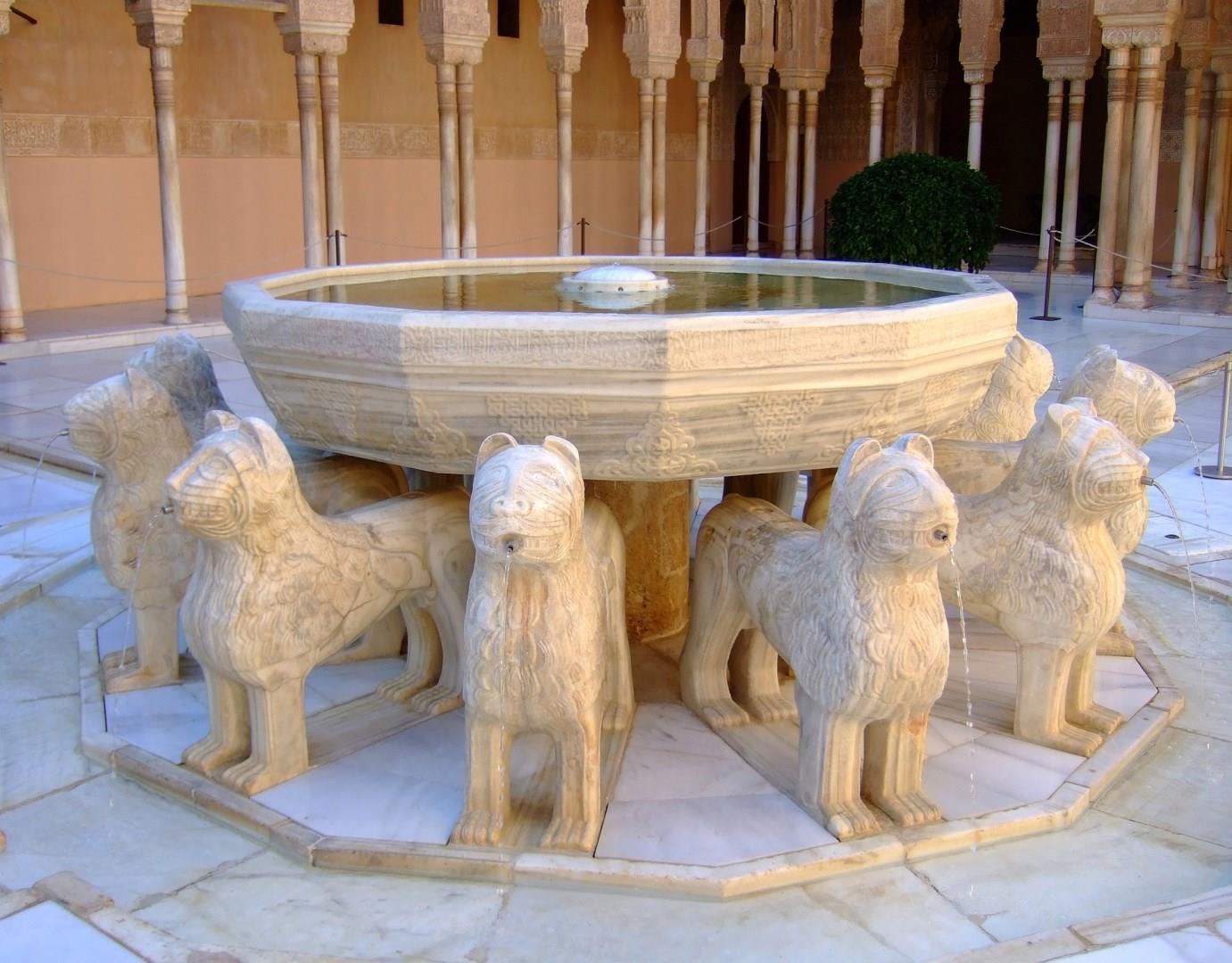
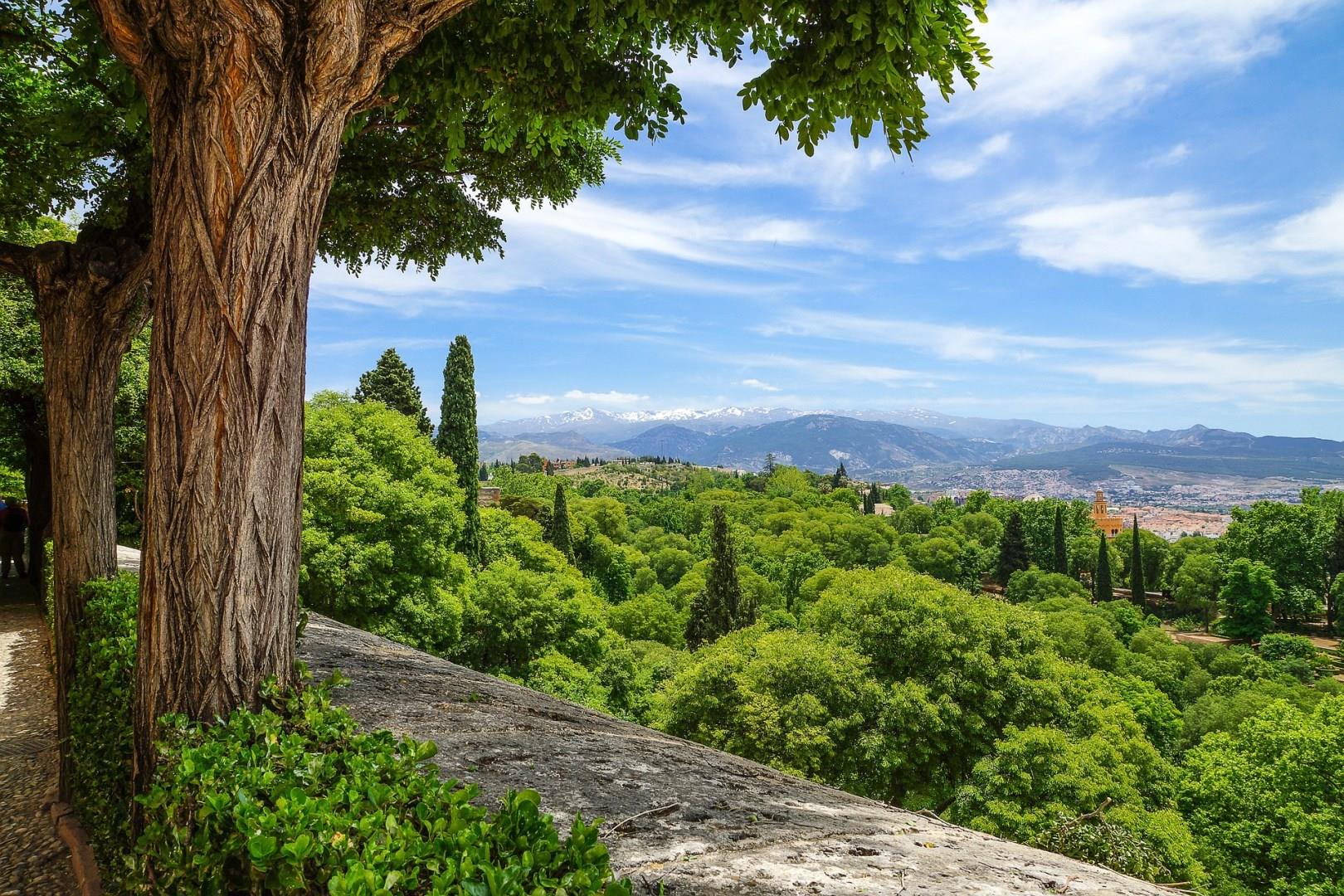
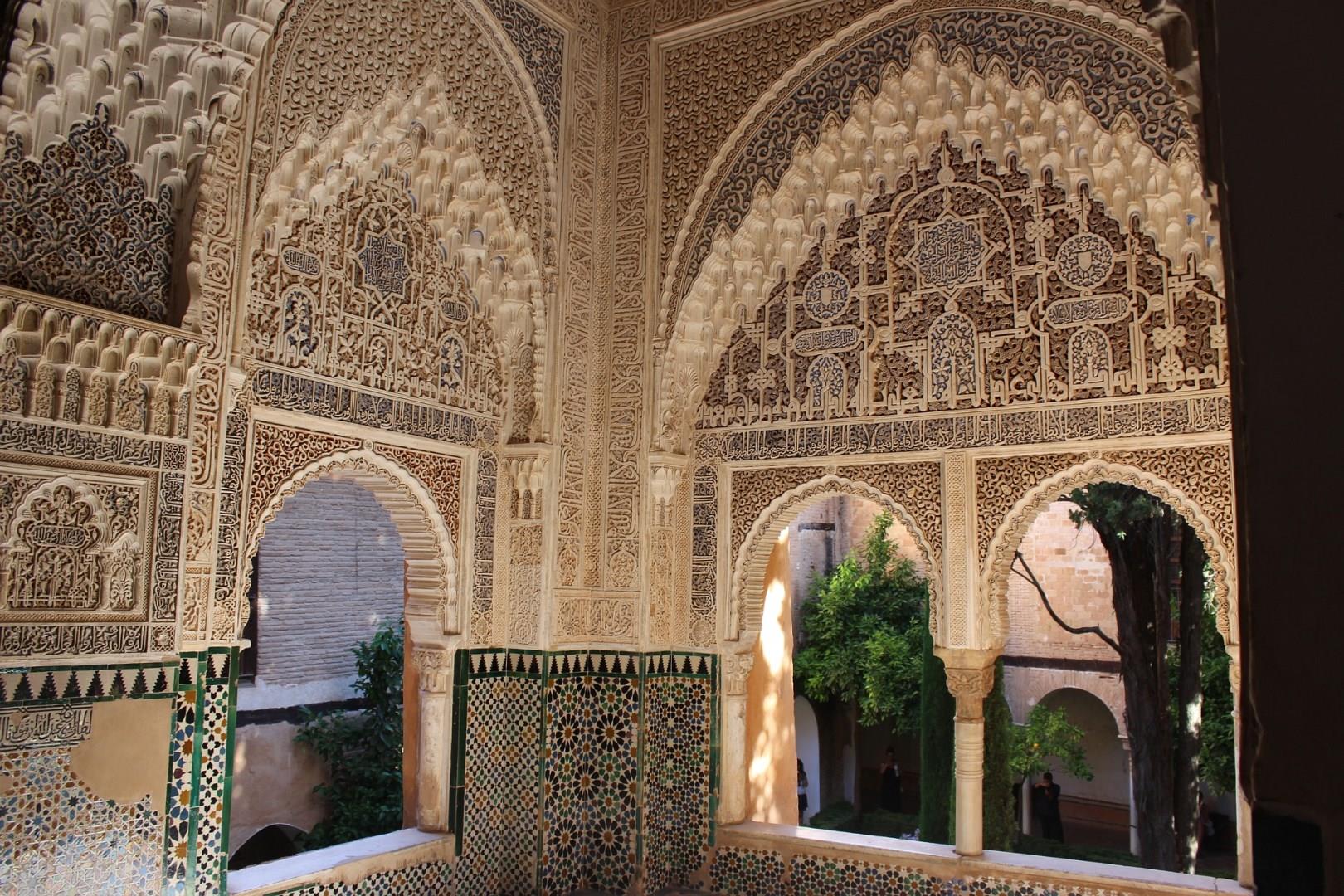
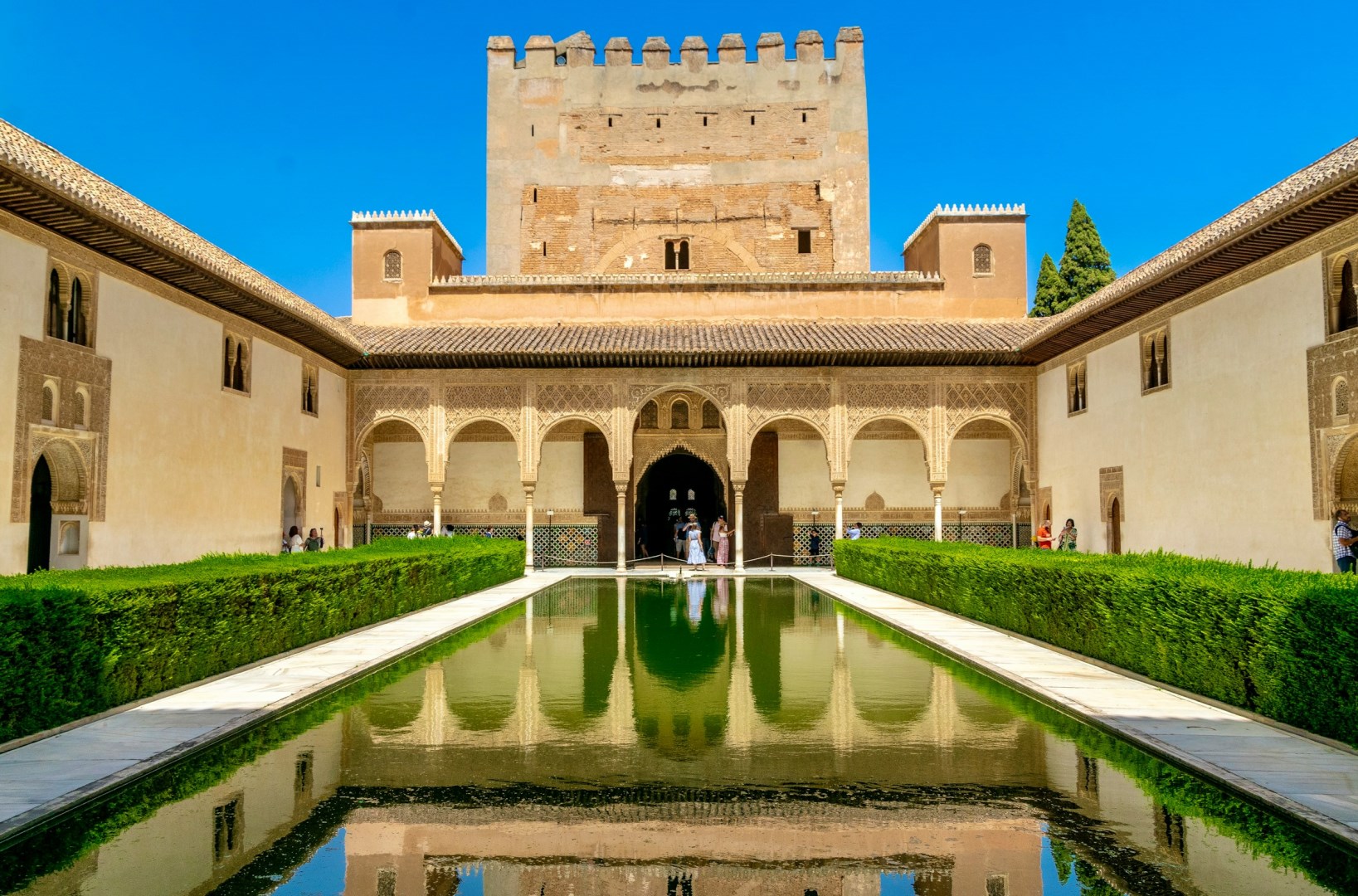
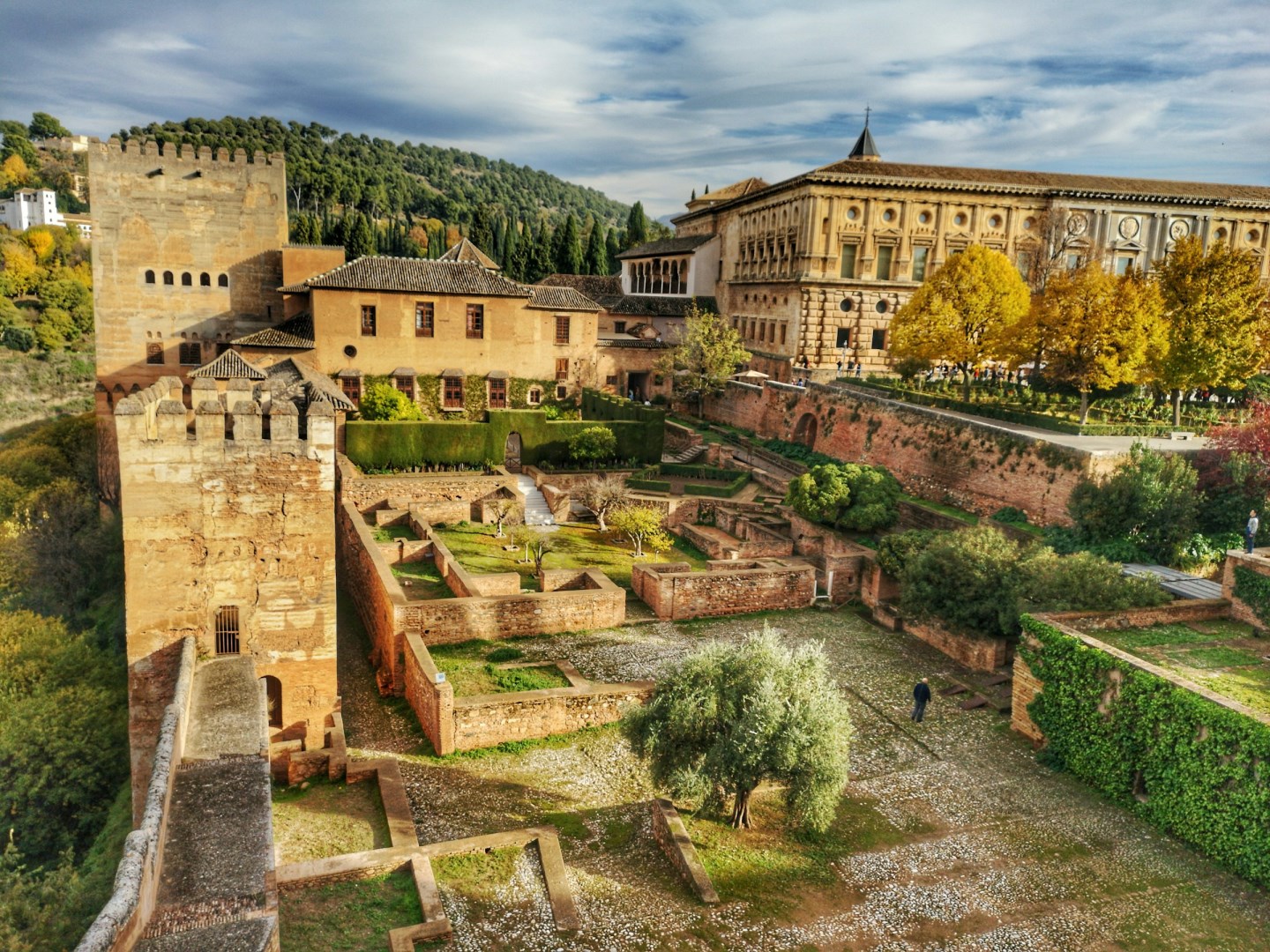
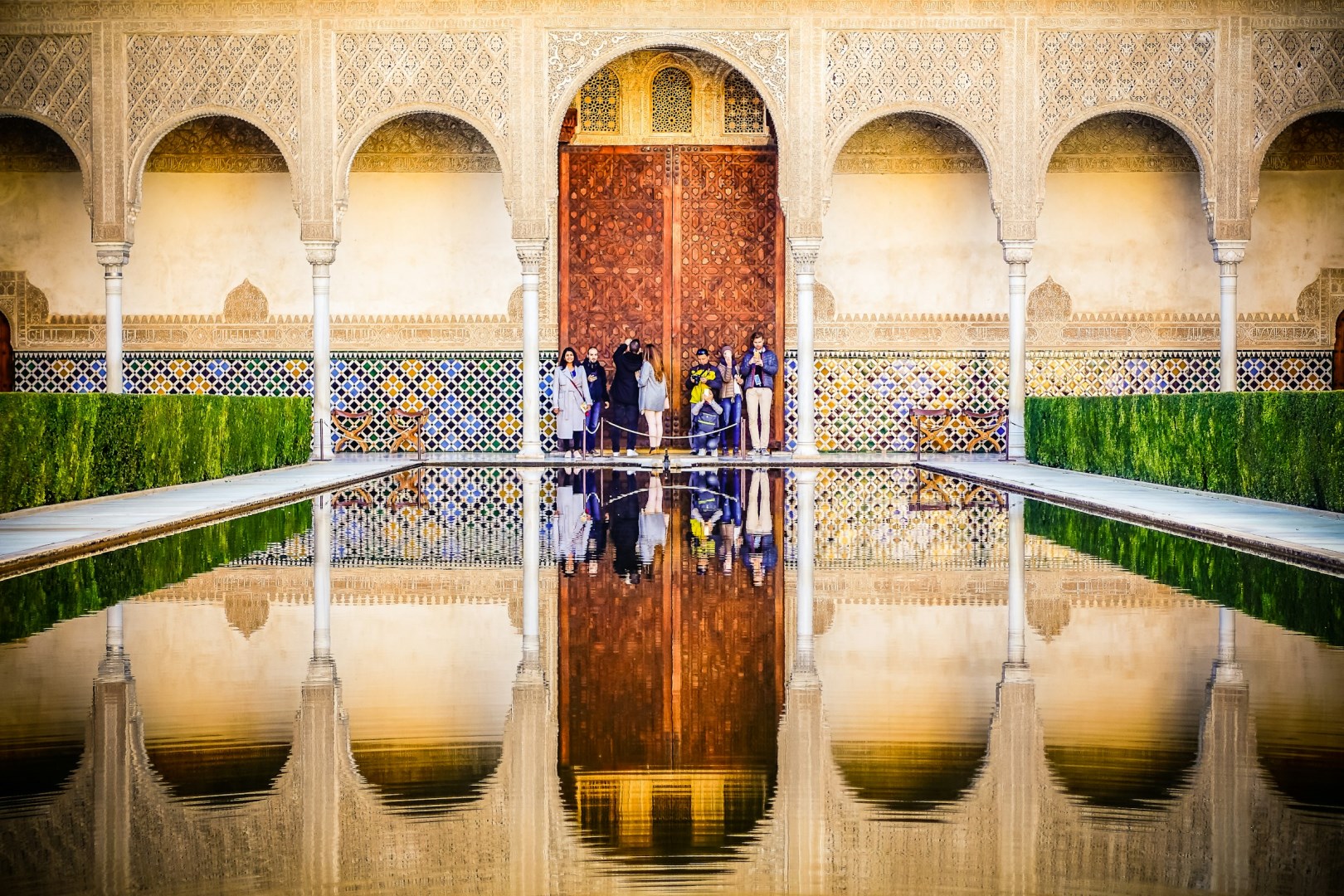
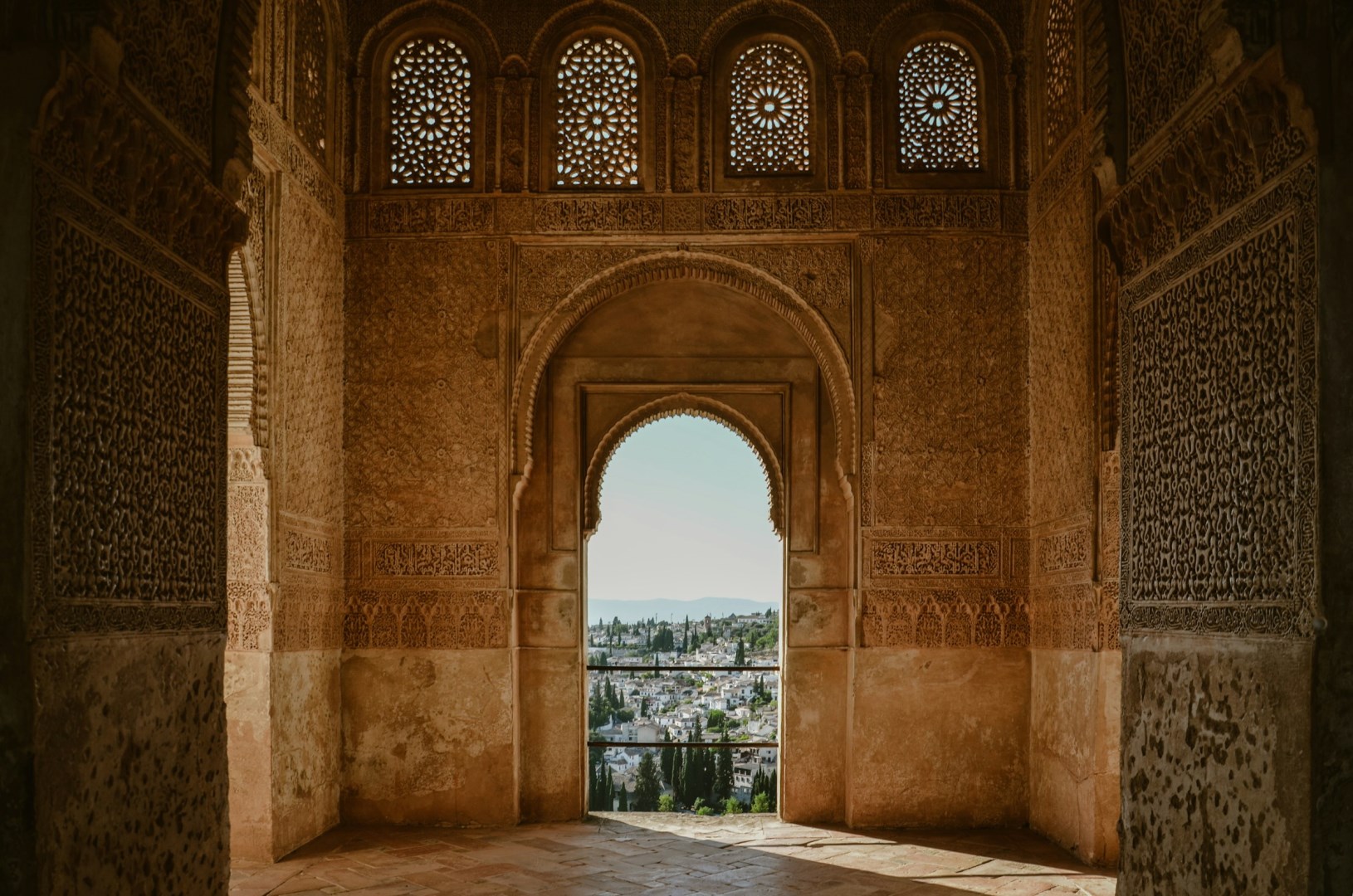
Granada, nestled at the foot of the Sierra Nevada mountains in southern Spain, is a city where history and culture converge in a mesmerizing blend. The jewel of Granada is the Alhambra, a stunning palace and fortress complex that dates back to the 13th century. This UNESCO World Heritage Site is a testament to the city's Moorish past, showcasing intricate Islamic art and architecture. Wander through the Generalife Gardens, where you can admire lush greenery and the tranquil sounds of water fountains while gazing at breathtaking views of the city below.
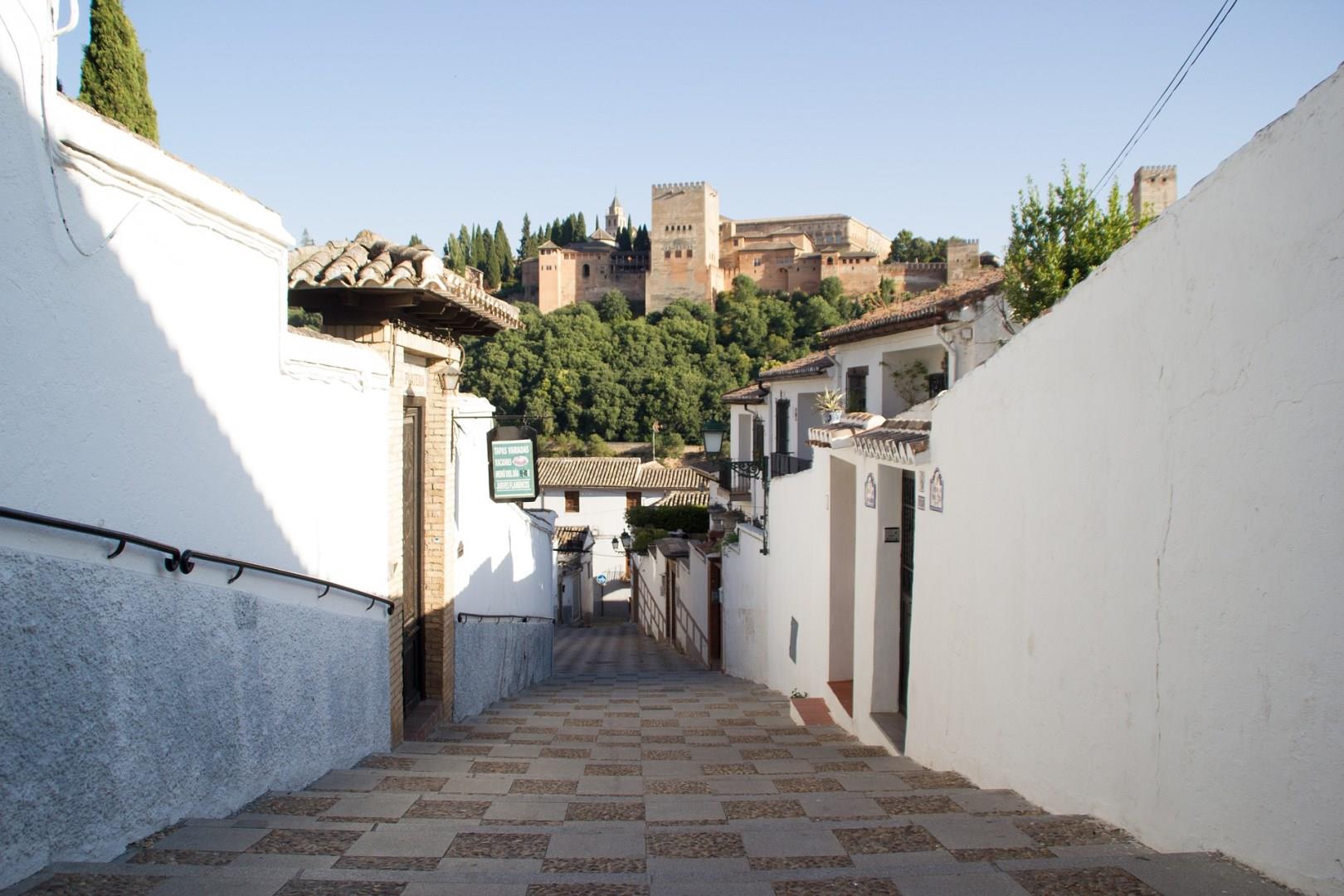
But Granada is not just about its Moorish heritage. The city is also a lively hub of Spanish culture, where flamenco music and dance are deeply ingrained in local life. The Albaicín, Granada's oldest neighborhood, offers a labyrinth of narrow, winding streets that lead to traditional tapas bars and viewpoints like Mirador de San Nicolás, which provides unparalleled views of the Alhambra against the backdrop of the snow-capped Sierra Nevada. The Cathedral of Granada, with its striking Renaissance architecture, stands as a reminder of the city's transformation following the Reconquista.
A visit to Granada isn't complete without experiencing its culinary delights. The city is famous for its free tapas culture—order a drink, and you'll receive a complimentary tapa. This tradition allows you to sample a variety of local dishes, from the savory jamón serrano to the hearty tortilla española, as you explore the city's vibrant nightlife. For a more immersive experience, consider visiting a traditional flamenco show in the Sacromonte district, where the art form was born in the caves of the Roma community.
Fun fact: Granada is one of the few cities in Spain where you can enjoy a day at the beach and ski on the same day. The Mediterranean coast is just an hour's drive away, while the Sierra Nevada Ski Resort offers some of the best skiing in Spain, making Granada a unique destination for year-round outdoor activities.
Other Popular Destinations in Spain
Barcelona
To visit Barcelona is to embrace both the past and the future. There is much to do and see in this cosmopolitan capital of Catalonia, from medieval structures to beaches to UNESCO Heritage Sites by Antoni Gaudí and Lluís Doménech i Montaner.
Seville
Must-sees in Seville include the landmark palace Royal Alcázar of Seville, the Gothic, bell-towered Catedral de Sevilla, and Plaza de España, an architectural marvel with Moorish, Baroque and Renaissance influences. Meanwhile, Museo del Baile Flamenco is the place to learn about flamenco dancing culture.