

Belém
Belém do Pará sits at the edge of the Amazon, where river and bay meet in a landscape with activity and color. The Ver-o-Peso Market spreads along Guajará Bay, welcoming early morning boats laden with fresh fish, herbs, fruits, and Amazonian goods. Recognized by UNESCO as a Creative City of Gastronomy, the local cuisine marries Indigenous, Portuguese, and African traditions to create dishes found nowhere else.
Culloden
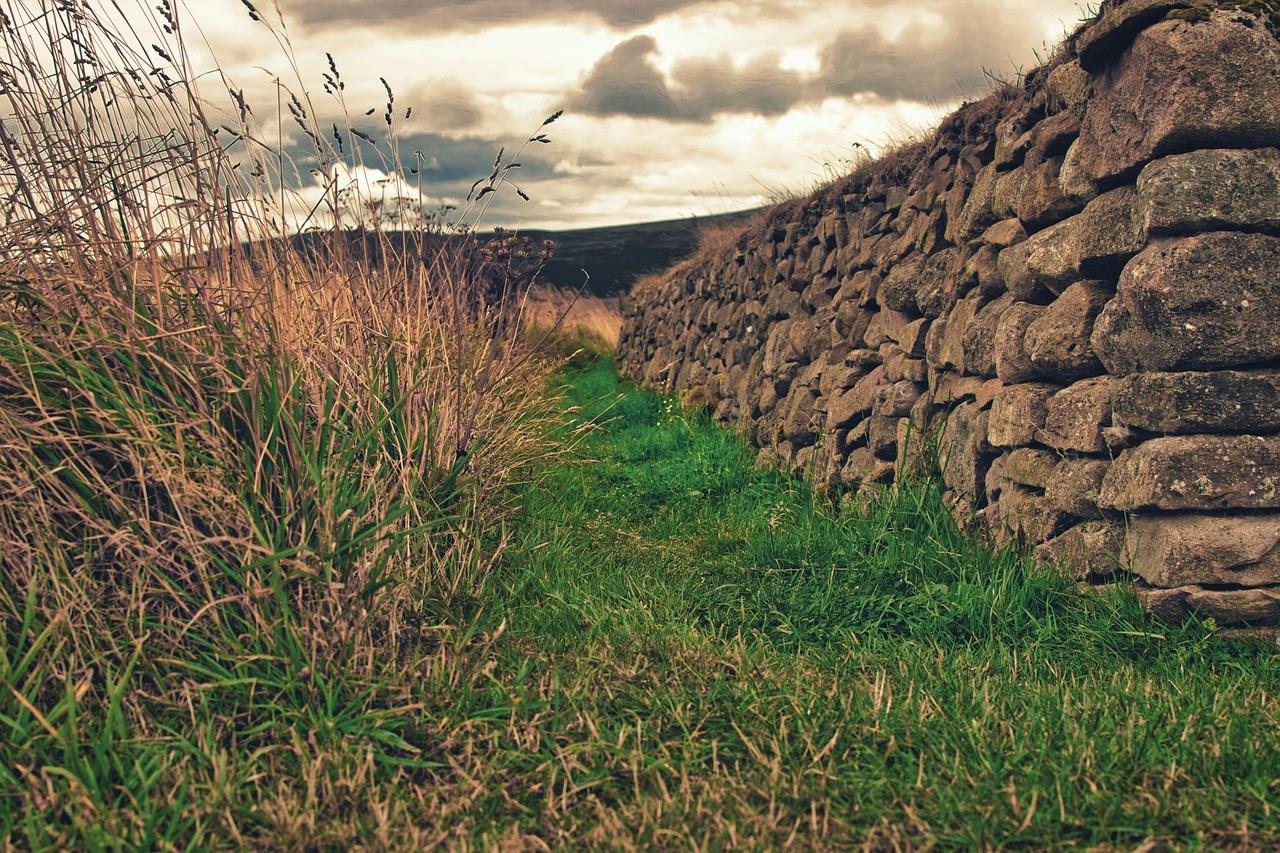
Culloden, located just outside Inverness in the Scottish Highlands, is the site of one of the most significant and sobering moments in Scotland’s history. On April 16, 1746, the Battle of Culloden marked the violent end of the Jacobite uprising led by Charles Edward Stuart, better known as Bonnie Prince Charlie. In under an hour, the hopes of restoring the Stuart monarchy were crushed by government forces.
Devil's Bridge National Park
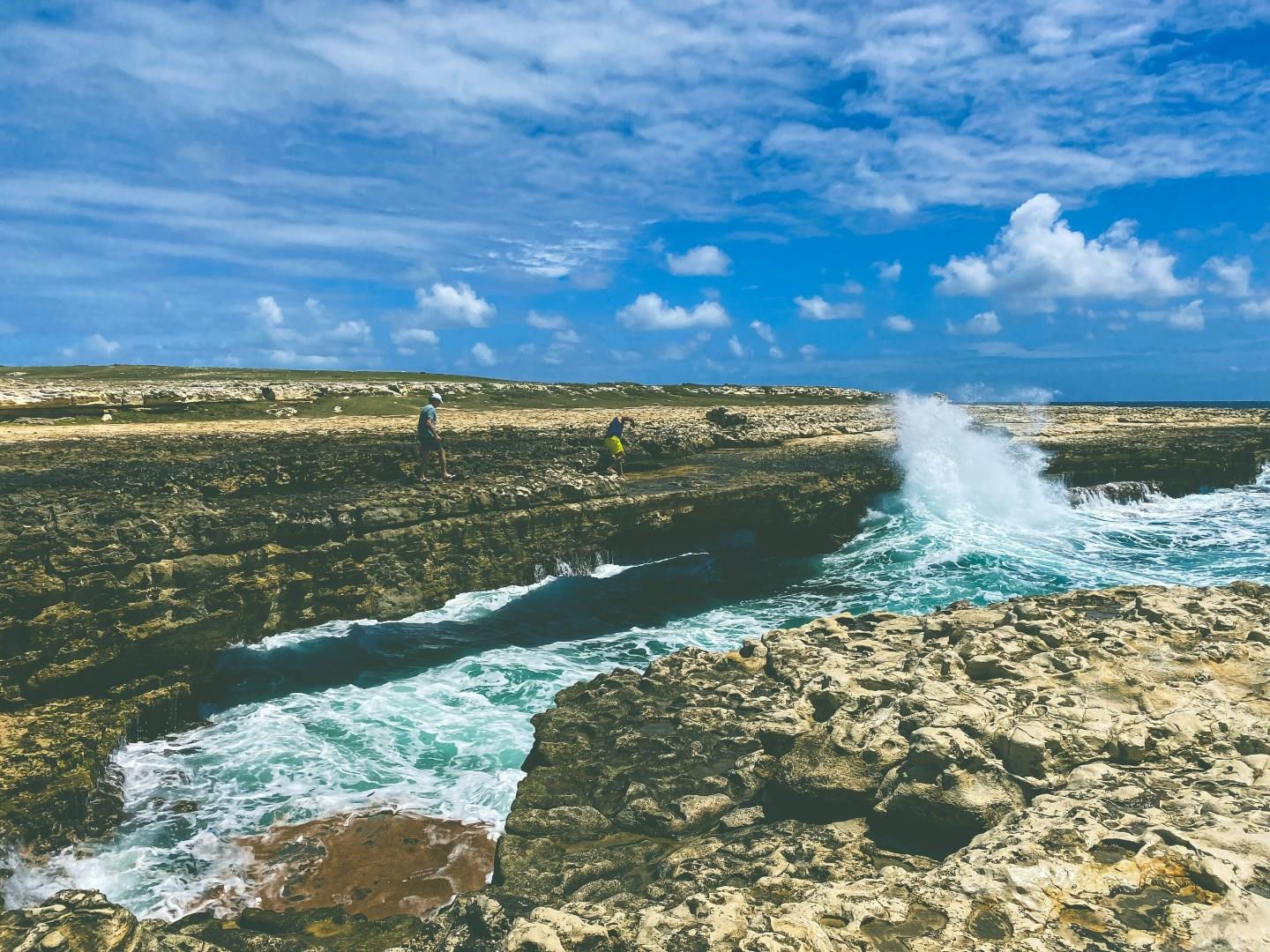
Devil’s Bridge National Park, located on the rugged Atlantic coast of Antigua, is one of the island’s most dramatic natural landmarks. The park is named after its striking limestone arch, carved over centuries by relentless waves and wind.

Telč
Telč, a charming town in the South Bohemian Region of the Czech Republic, enchants visitors with its well-preserved Renaissance architecture and picturesque surroundings. The town's central attraction is its beautifully preserved Historic Centre, a UNESCO World Heritage Site, renowned for its colorful facades and quaint medieval charm.
Gythion
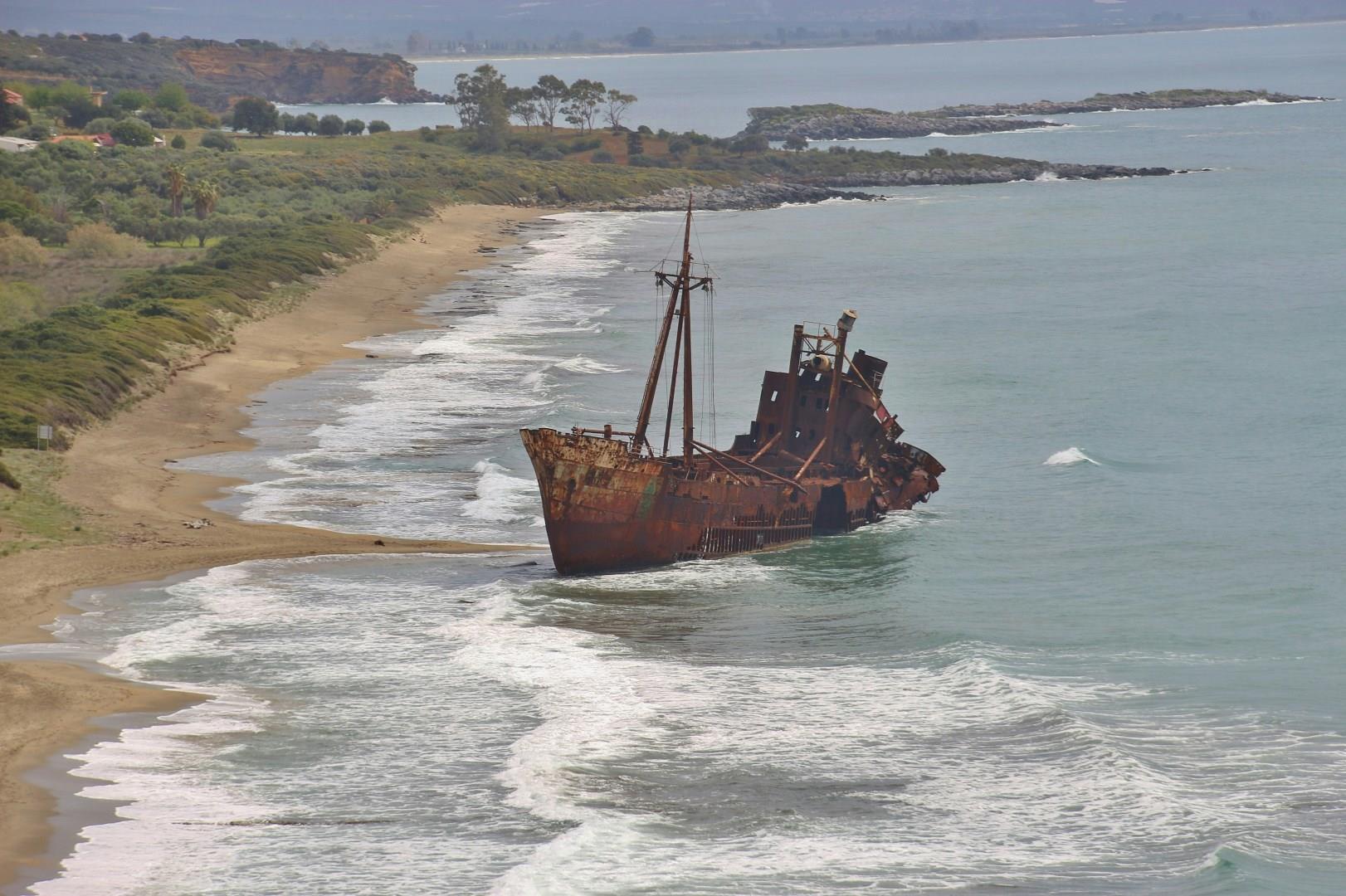
Greece’s southern coastline is home to Gythion, a historic port town nestled in the Peloponnese region. Once the naval base of ancient Sparta, Gythion has played a key role in maritime history for centuries. Today, its harbor is lined with colorful neoclassical buildings and fishing boats, creating a picture of daily life that remains connected to its seafaring roots. Just offshore lies Cranae Island, linked to the mainland by a stone causeway.


