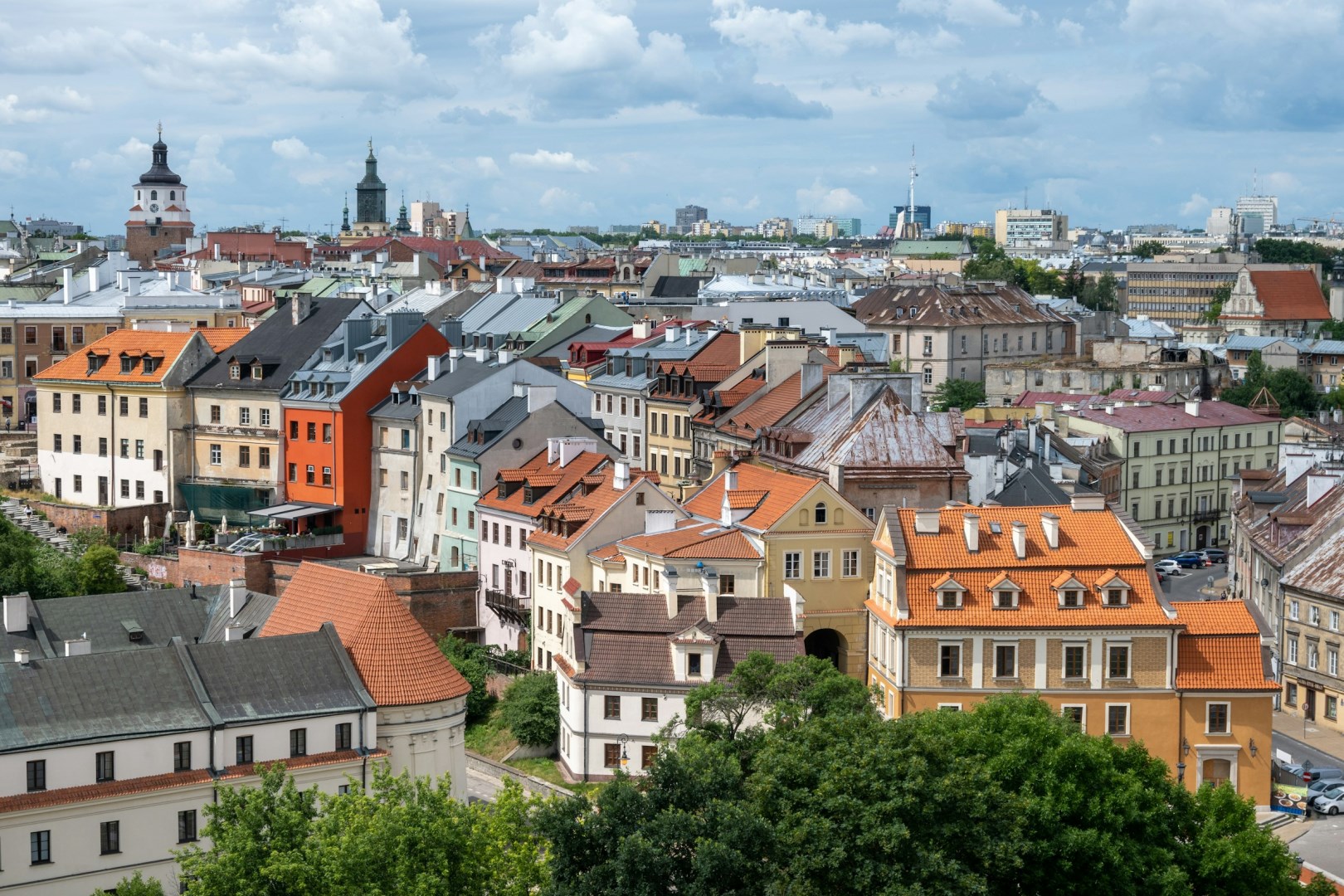
Located on a trade route to Lithuania and Russia, Lublin was already an important center by the time it received its municipal charter in 1317. The city still remains relatively unknown to foreign tourists. From the original defense walls and the Krakow Gate, the remnant of Lublin's medieval wall system to the town hall and the Renaissance burgher houses in the Market Square, Lublin offers numerous visual delights.
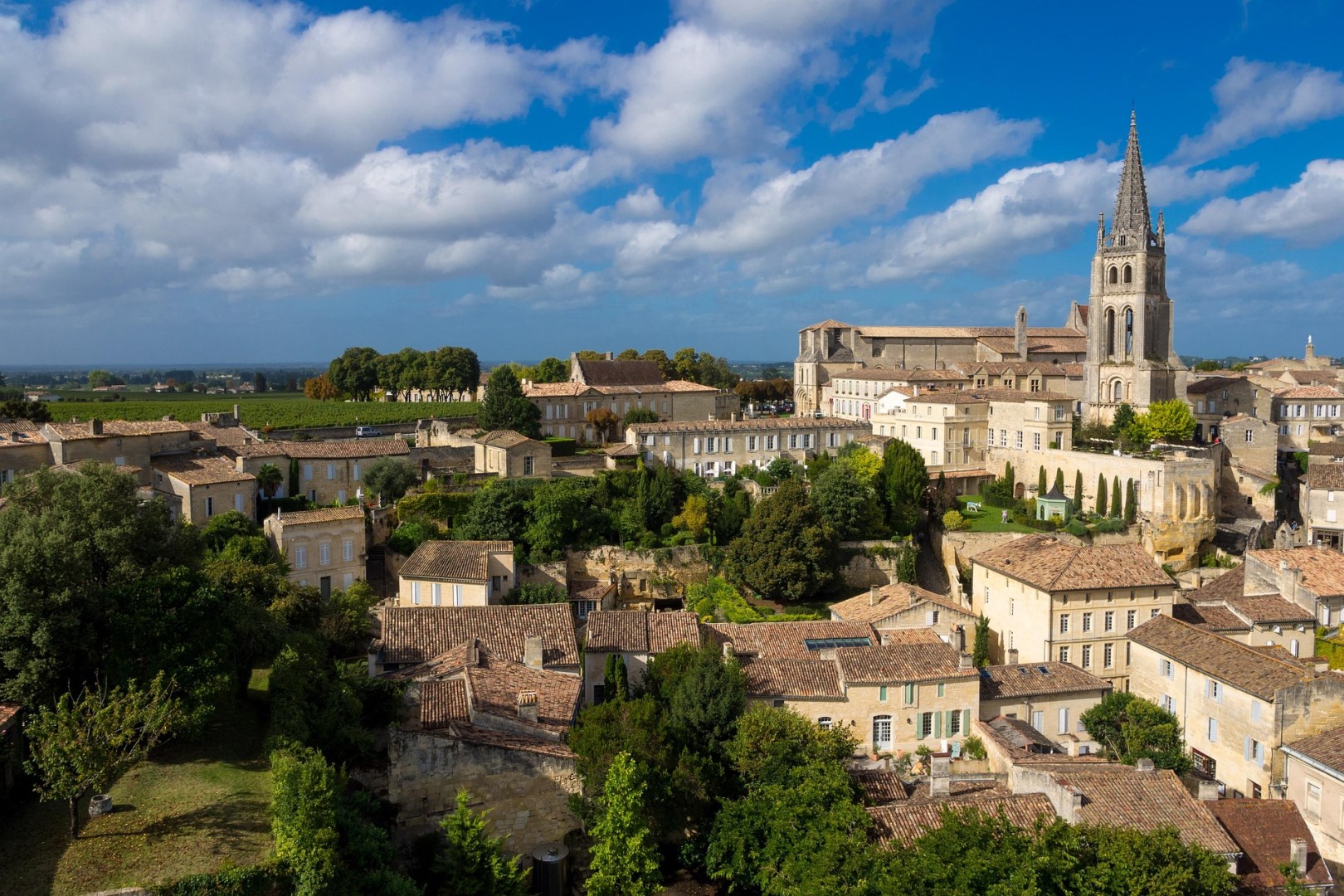
Saint-Émilion, nestled in the heart of southwest France, is a living monument to centuries of craftsmanship, faith, and wine-making. Recognized as a UNESCO World Heritage Site since 1999, this medieval town sits on a limestone plateau surrounded by vineyards that date back to Roman times. Visitors can explore cobbled streets that wind past centuries-old stone houses, descend into underground catacombs carved by monks, and visit the astonishing Monolithic Church.
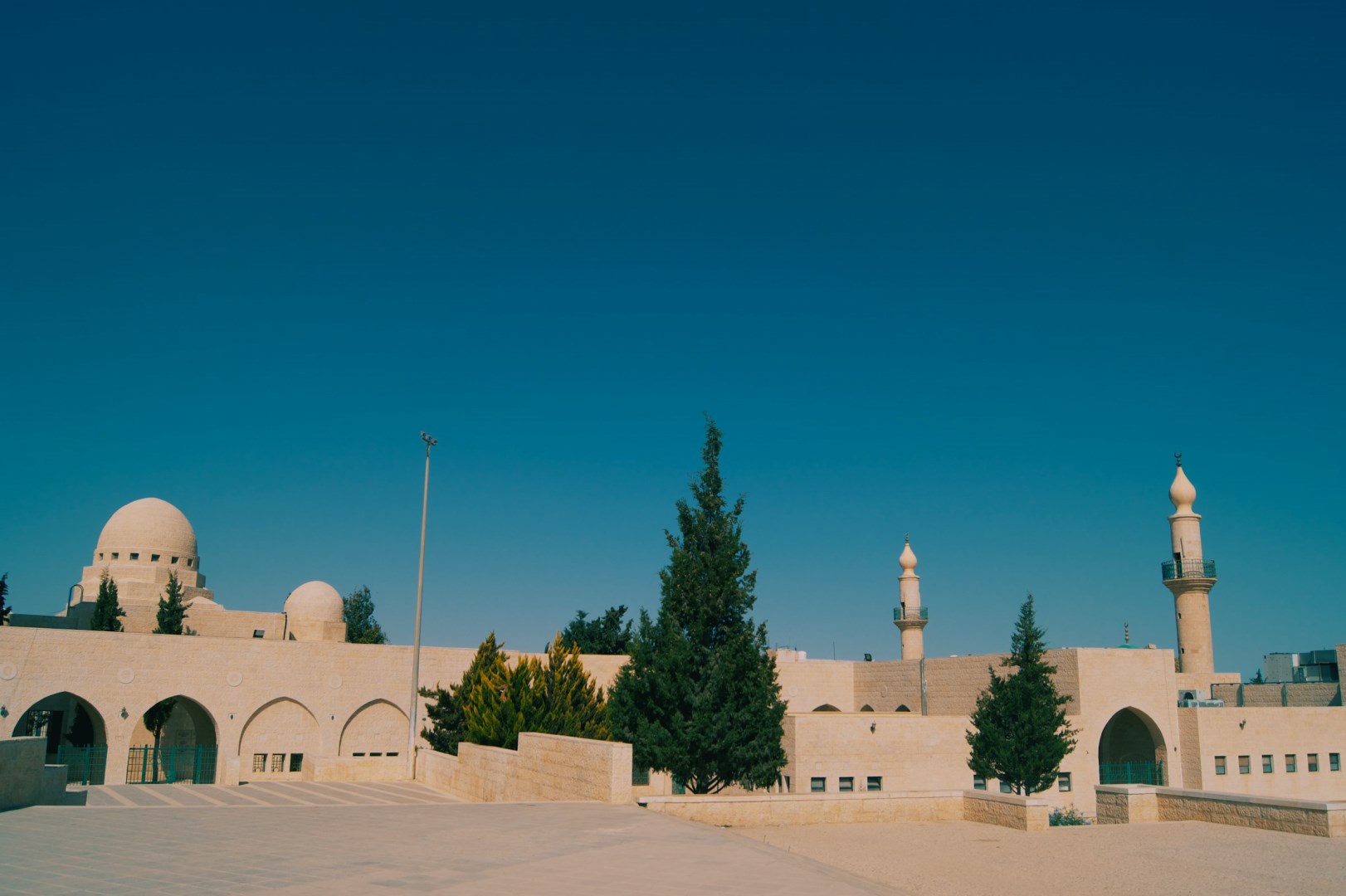
Kerak is a fortress town 75 miles (120km) from Amman, and contains one of the two major Crusader castles in the Kingdom. The castle, built to protect the approach to Jerusalem, stands on a craggy plateau 4,300ft above sea level. It was built in the early part of the 12th century and held for 50 years by the Crusaders until they were defeated by Salah al Din (Saladin) in 1189.
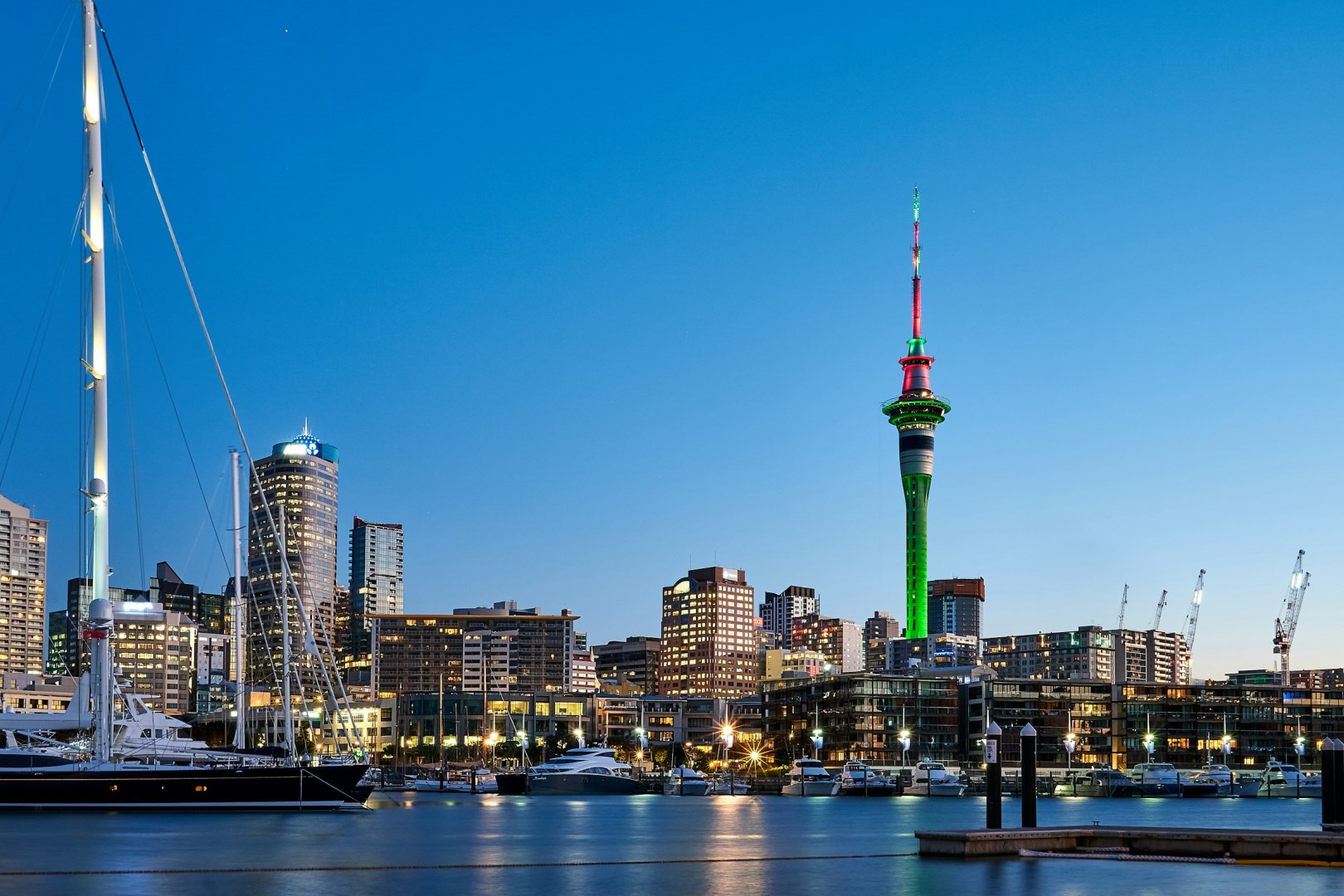
A veritable paradise on Earth, Auckland combines the best of both worlds – a thrilling urban metropolis surrounded by striking natural areas, sparkling blue water, and colorful wildlife. New Zealand’s cultural and recreational hub, beautiful Auckland has something for everyone.
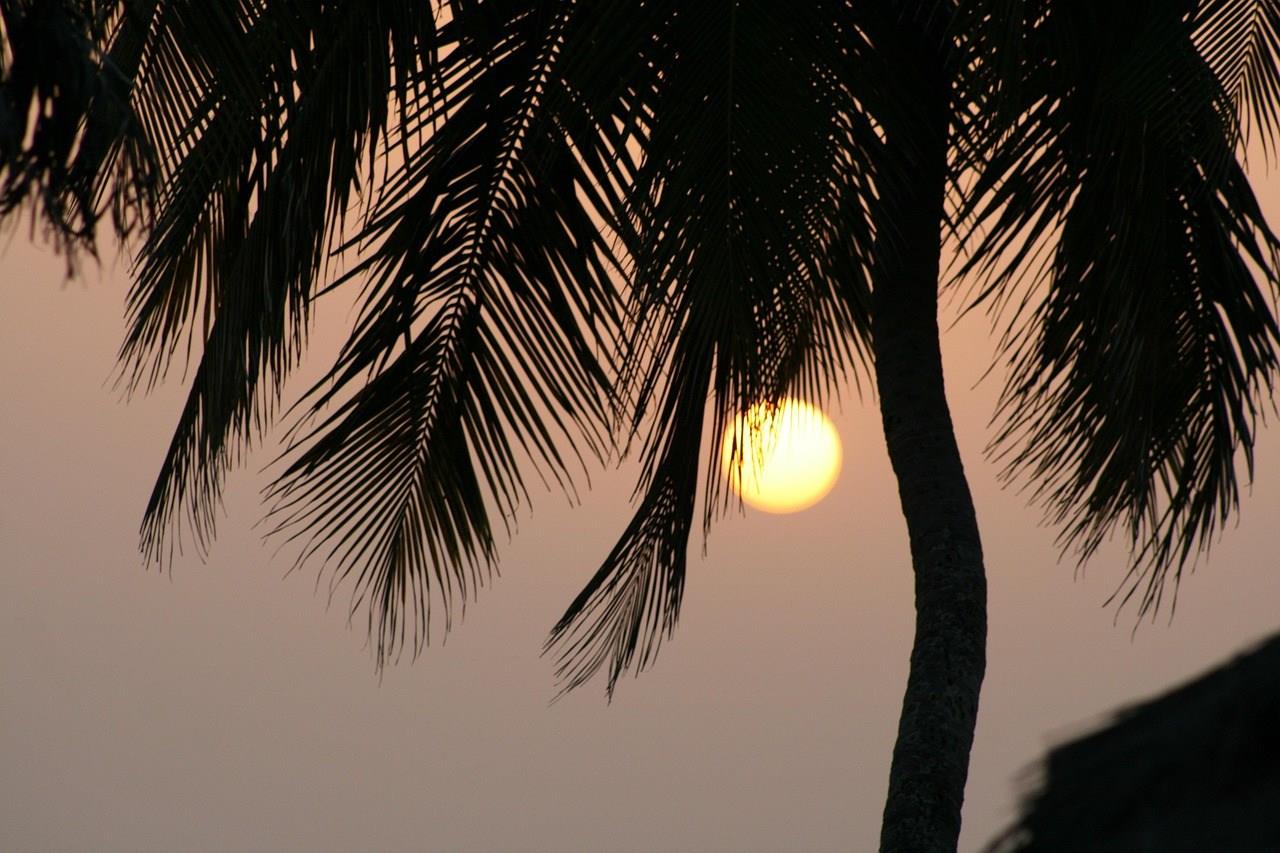
Guinea, located on the west coast of Africa, offers a rich blend of landscapes, cultures, and traditions that remain largely untouched by mass tourism. Its Atlantic shoreline is dotted with fishing villages and sandy beaches, while inland, rolling highlands and dense rainforests give way to sweeping savannas.
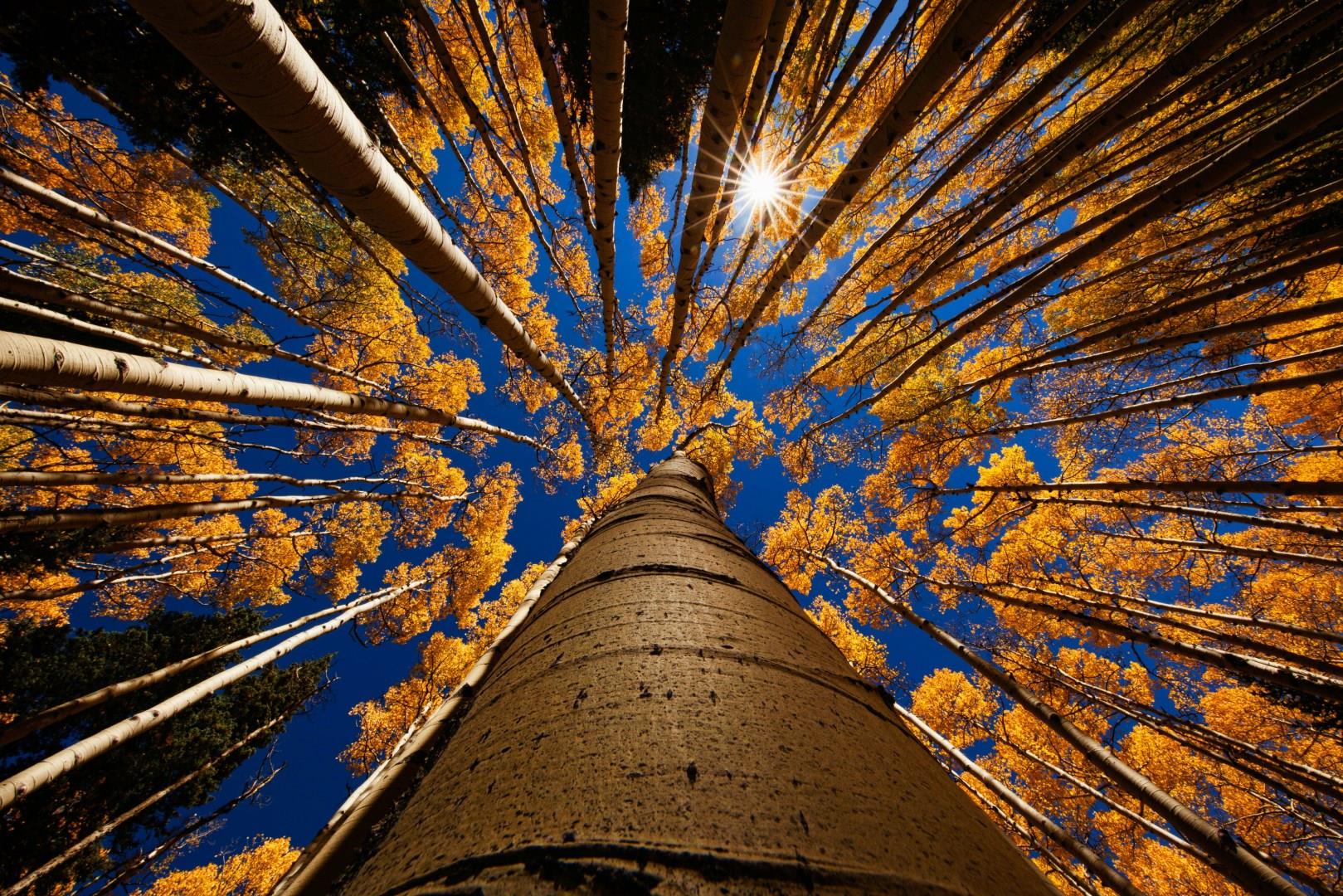
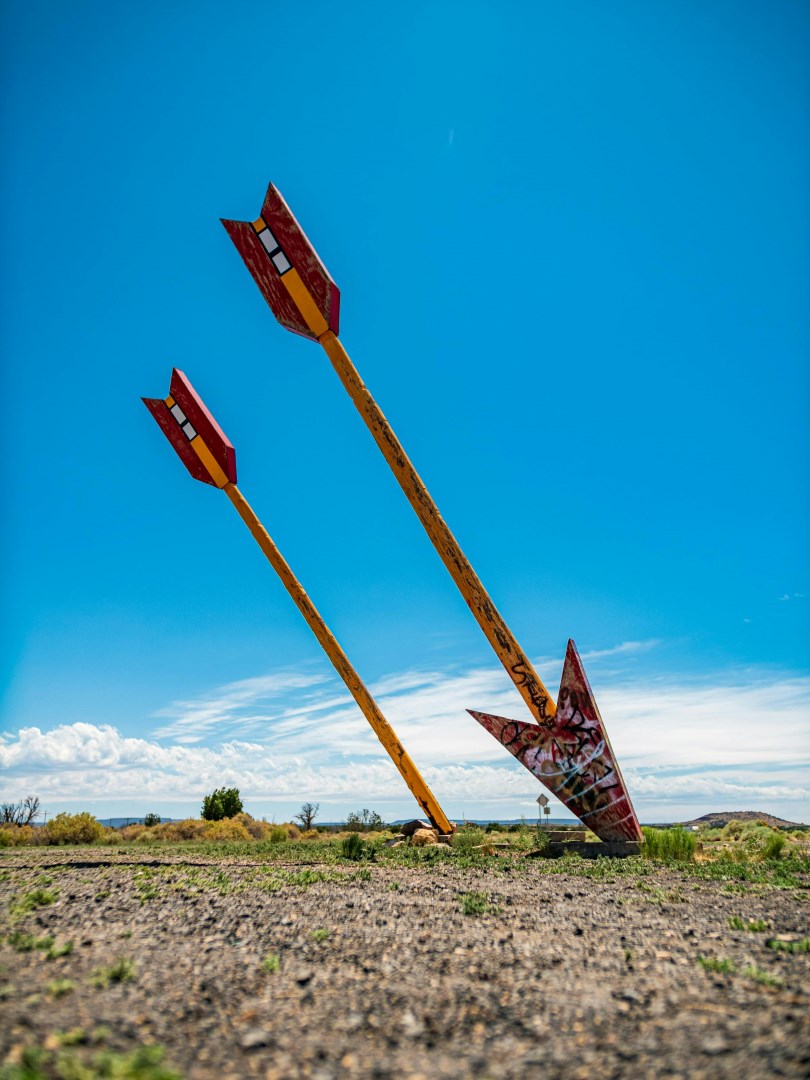
Photo Credit: Photo by Strange Happenings on Unsplash
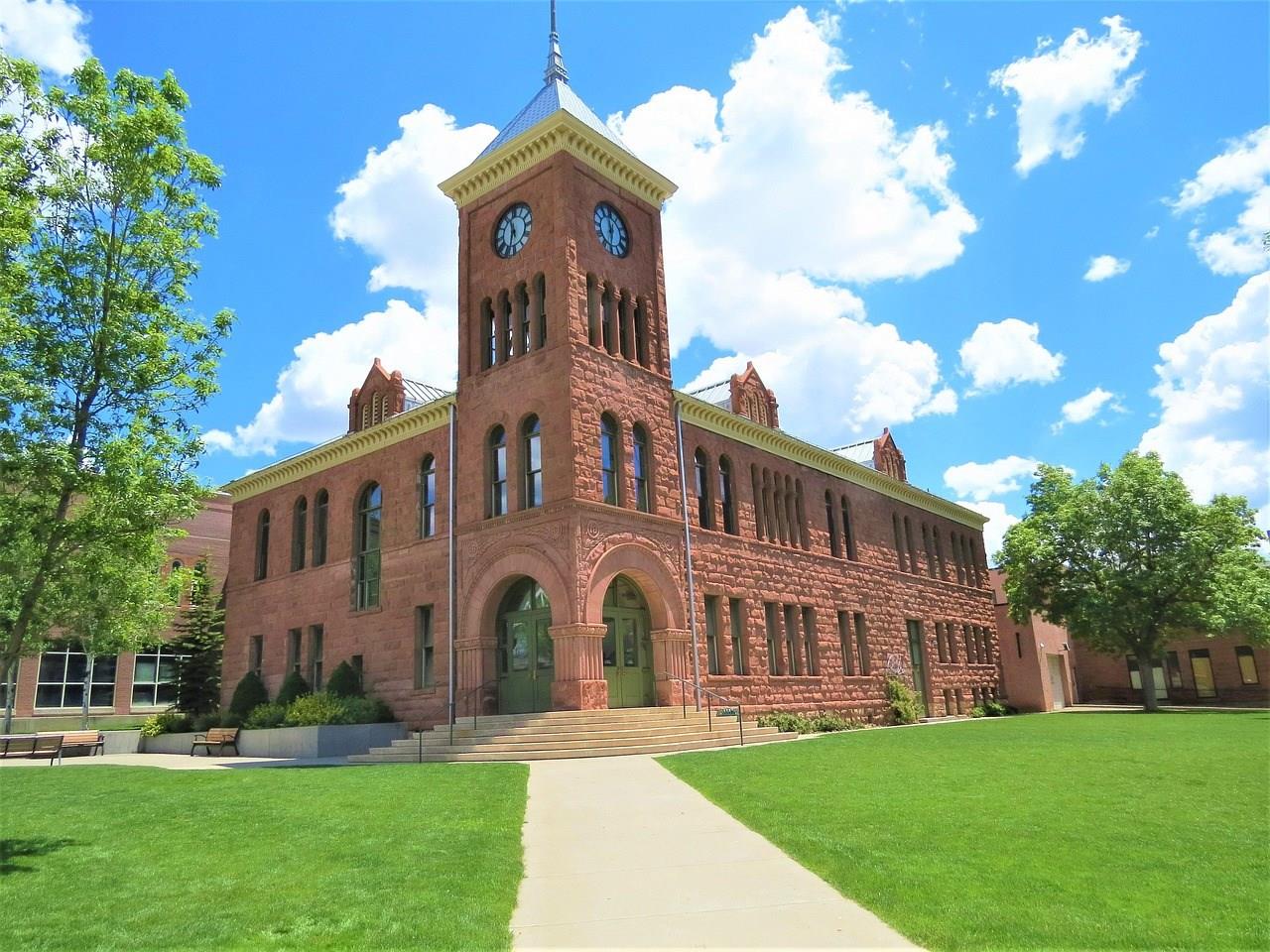
Flagstaff, Arizona, is a mountain town that perfectly blends the charm of a small community with the excitement of outdoor adventure and rich cultural experiences. Nestled at the base of the San Francisco Peaks, Flagstaff serves as a gateway to some of the Southwest's most iconic landscapes, including the Grand Canyon, which is just a short drive away. The town itself is surrounded by the largest contiguous ponderosa pine forest in the world, offering an abundance of hiking, biking, and skiing opportunities.
Flagstaff's historic downtown is a vibrant area filled with boutique shops, local breweries, and restaurants that cater to a variety of tastes. Visitors can explore the Lowell Observatory, where Pluto was famously discovered in 1930, or delve into the region's history at the Museum of Northern Arizona, which showcases Native American artifacts and exhibits on local geology and ecology. The town's lively arts scene is highlighted by events such as the Flagstaff Art in the Park festival, which attracts artists and visitors from all over the region.
One of Flagstaff's most enticing aspects is its access to diverse natural wonders. In addition to the Grand Canyon, visitors can explore the otherworldly landscapes of the Sunset Crater Volcano National Monument and the ancient cliff dwellings at Walnut Canyon National Monument. The area's dark skies also make Flagstaff one of the best places in the country for stargazing, with the city being recognized as the world's first International Dark Sky City.
A fun fact about Flagstaff is that it's one of the highest-elevation cities in the United States, sitting at approximately 7,000 feet above sea level. This elevation gives Flagstaff a unique climate compared to the rest of Arizona, with cooler summers and the occasional winter snowfall, making it a year-round destination for outdoor enthusiasts and travelers seeking a refreshing escape.