Minnesota, often known as the "Land of 10,000 Lakes," offers an array of natural and cultural attractions that make it a must-visit destination. In Minneapolis, the largest city, you'll find a vibrant arts scene complemented by the picturesque beauty of the Chain of Lakes. The Minneapolis Institute of Arts houses a diverse collection ranging from ancient to contemporary works, while the Walker Art Center's Sculpture Garden showcases iconic pieces like the Spoonbridge and Cherry.
Glacier National Park is a stunning natural wonderland renowned for its dramatic landscapes and abundant wildlife. This vast expanse of pristine wilderness covers over a million acres and is a sanctuary for outdoor enthusiasts and nature lovers alike. The park is famous for its iconic Going-to-the-Sun Road, a scenic drive that winds through the heart of the park and offers breathtaking views of towering peaks, lush valleys, and pristine lakes.
Toiny is a quiet, scenic village located on the eastern coast of Saint Barthélemy (St. Barts), known for its unspoiled natural surroundings and authentic Caribbean charm. Unlike the more developed west coast beaches, Toiny offers a serene retreat where rolling hills meet the Atlantic Ocean, and dramatic cliffs frame the coastline.
A hundred and forty seven miles from Frankfurt, Bayreuth is an important town the the history of classical music. There's a museum in this town dedicated to the composer who made Bayreuth famous, Richard Wagner. Every year, from the end of July and throughout August, the Bayreuth Festival pays homage to Wagner by presenting various operas he created.
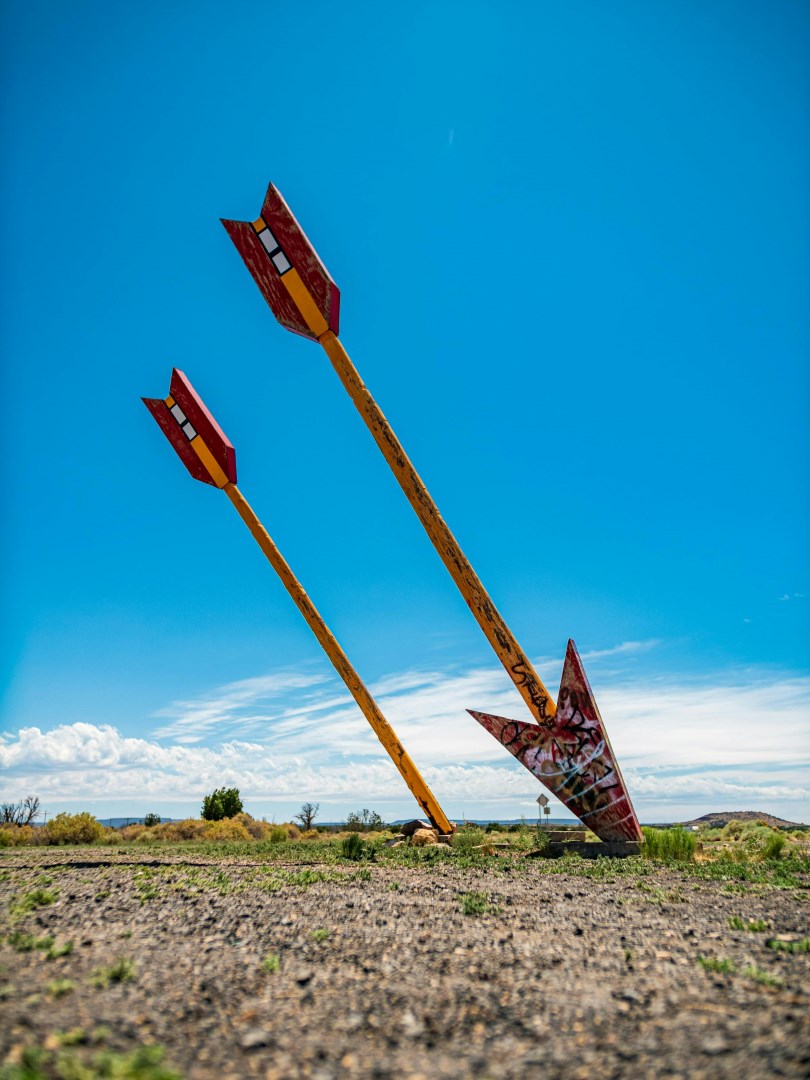
Photo Credit: Photo by Strange Happenings on Unsplash
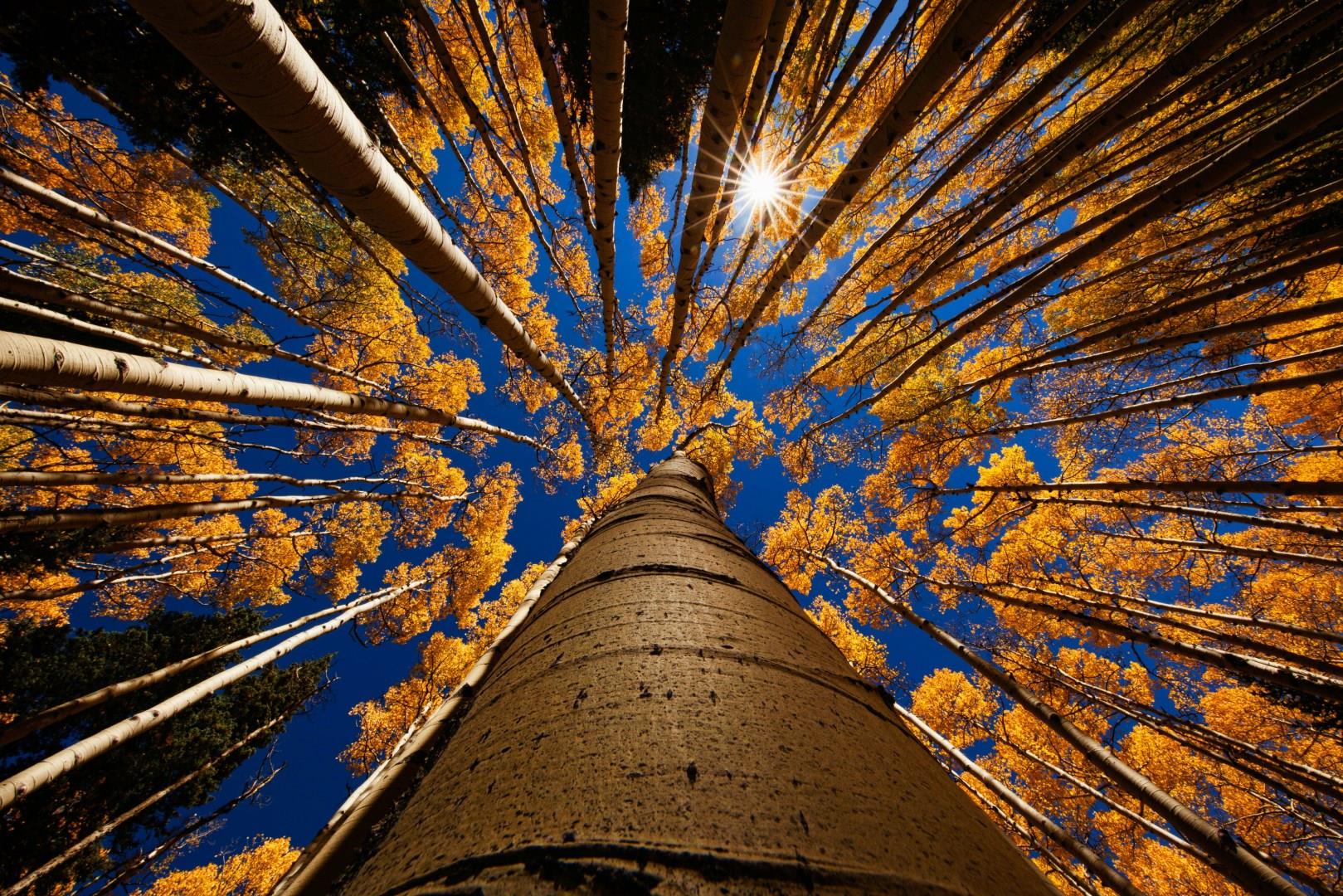
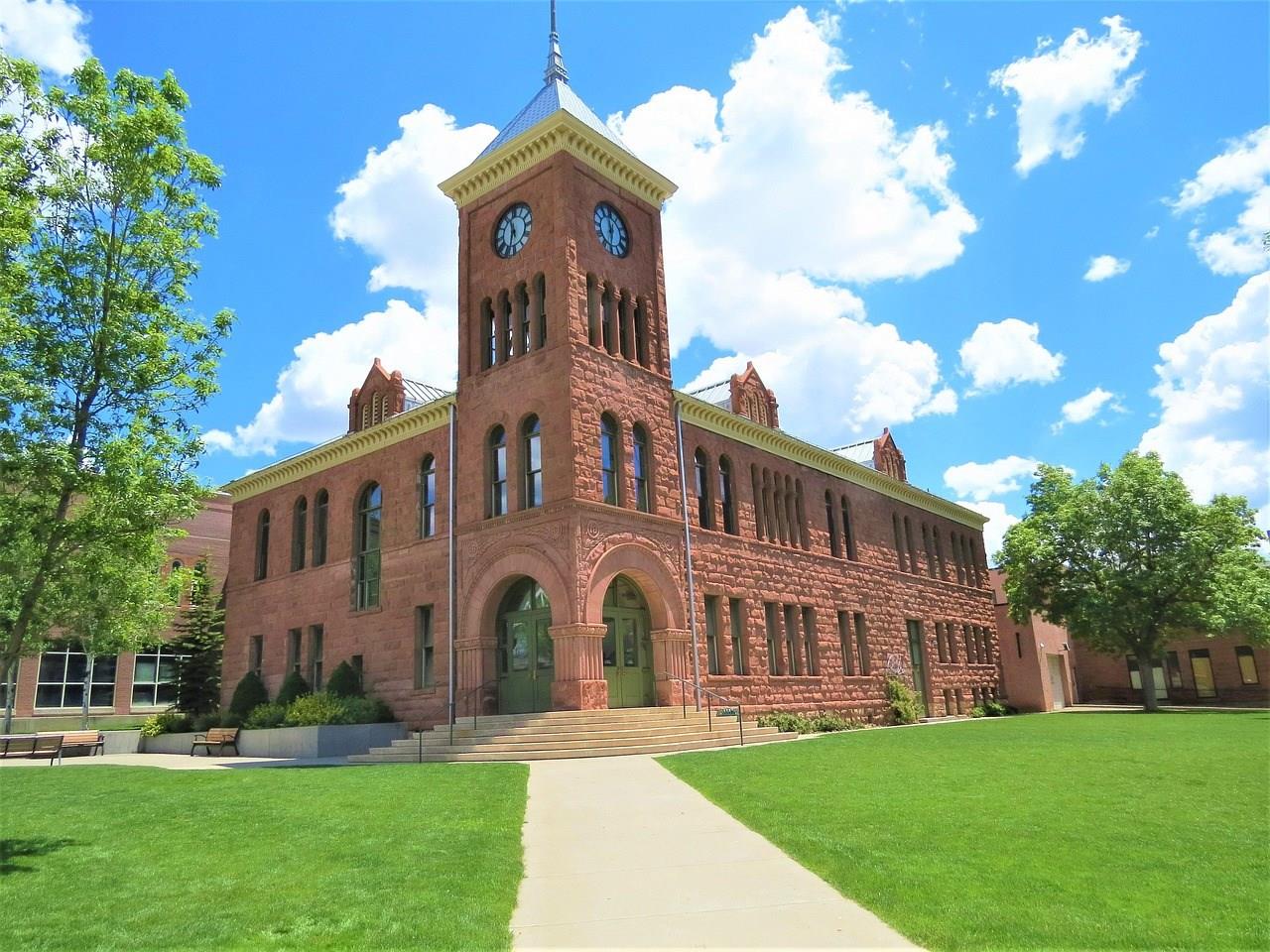
Flagstaff, Arizona, is a mountain town that perfectly blends the charm of a small community with the excitement of outdoor adventure and rich cultural experiences. Nestled at the base of the San Francisco Peaks, Flagstaff serves as a gateway to some of the Southwest's most iconic landscapes, including the Grand Canyon, which is just a short drive away. The town itself is surrounded by the largest contiguous ponderosa pine forest in the world, offering an abundance of hiking, biking, and skiing opportunities.
Flagstaff's historic downtown is a vibrant area filled with boutique shops, local breweries, and restaurants that cater to a variety of tastes. Visitors can explore the Lowell Observatory, where Pluto was famously discovered in 1930, or delve into the region's history at the Museum of Northern Arizona, which showcases Native American artifacts and exhibits on local geology and ecology. The town's lively arts scene is highlighted by events such as the Flagstaff Art in the Park festival, which attracts artists and visitors from all over the region.
One of Flagstaff's most enticing aspects is its access to diverse natural wonders. In addition to the Grand Canyon, visitors can explore the otherworldly landscapes of the Sunset Crater Volcano National Monument and the ancient cliff dwellings at Walnut Canyon National Monument. The area's dark skies also make Flagstaff one of the best places in the country for stargazing, with the city being recognized as the world's first International Dark Sky City.
A fun fact about Flagstaff is that it's one of the highest-elevation cities in the United States, sitting at approximately 7,000 feet above sea level. This elevation gives Flagstaff a unique climate compared to the rest of Arizona, with cooler summers and the occasional winter snowfall, making it a year-round destination for outdoor enthusiasts and travelers seeking a refreshing escape.