Page, Arizona, offers a gateway to some of the most breathtaking landscapes in the American Southwest. Nestled near the northern border of Arizona, this city is a perfect base for exploring natural wonders such as Antelope Canyon, a slot canyon renowned for its stunning light beams and swirling sandstone formations. Visitors can take guided tours to witness the canyon’s otherworldly beauty, which has been shaped by centuries of erosion and natural forces.
Pamplona, the capital of Spain’s Navarre region, is best known worldwide for the Running of the Bulls during the San Fermín festival each July. But beyond the brief rush of that event lies a city steeped in medieval history, Basque influence, and a slower pace that surprises many visitors. One of the most significant aspects of Pamplona is its place on the Camino de Santiago, the ancient pilgrimage route to Santiago de Compostela.
Lake Powell, stretching across the Utah-Arizona border, is one of the largest manmade reservoirs in the United States. Formed by the flooding of Glen Canyon after the completion of the Glen Canyon Dam in 1963, it covers over 180 miles in length and contains nearly 2,000 miles of shoreline, more than the entire West Coast of the U.S. Despite its modern origins, the area has long been home to the Ancestral Puebloans and later Navajo communities.
Kailua-Kona, a picturesque seaside town on the west coast of Hawaii's Big Island, is a haven for travelers seeking both adventure and tranquility. Known simply as "Kona" to locals, this vibrant destination is celebrated for its rich history, volcanic landscapes, and inviting beaches. Kailua-Kona's iconic oceanfront Ali'i Drive is the heartbeat of the town, lined with charming shops, art galleries, and a plethora of dining options that range from fresh seafood to authentic Hawaiian cuisine.
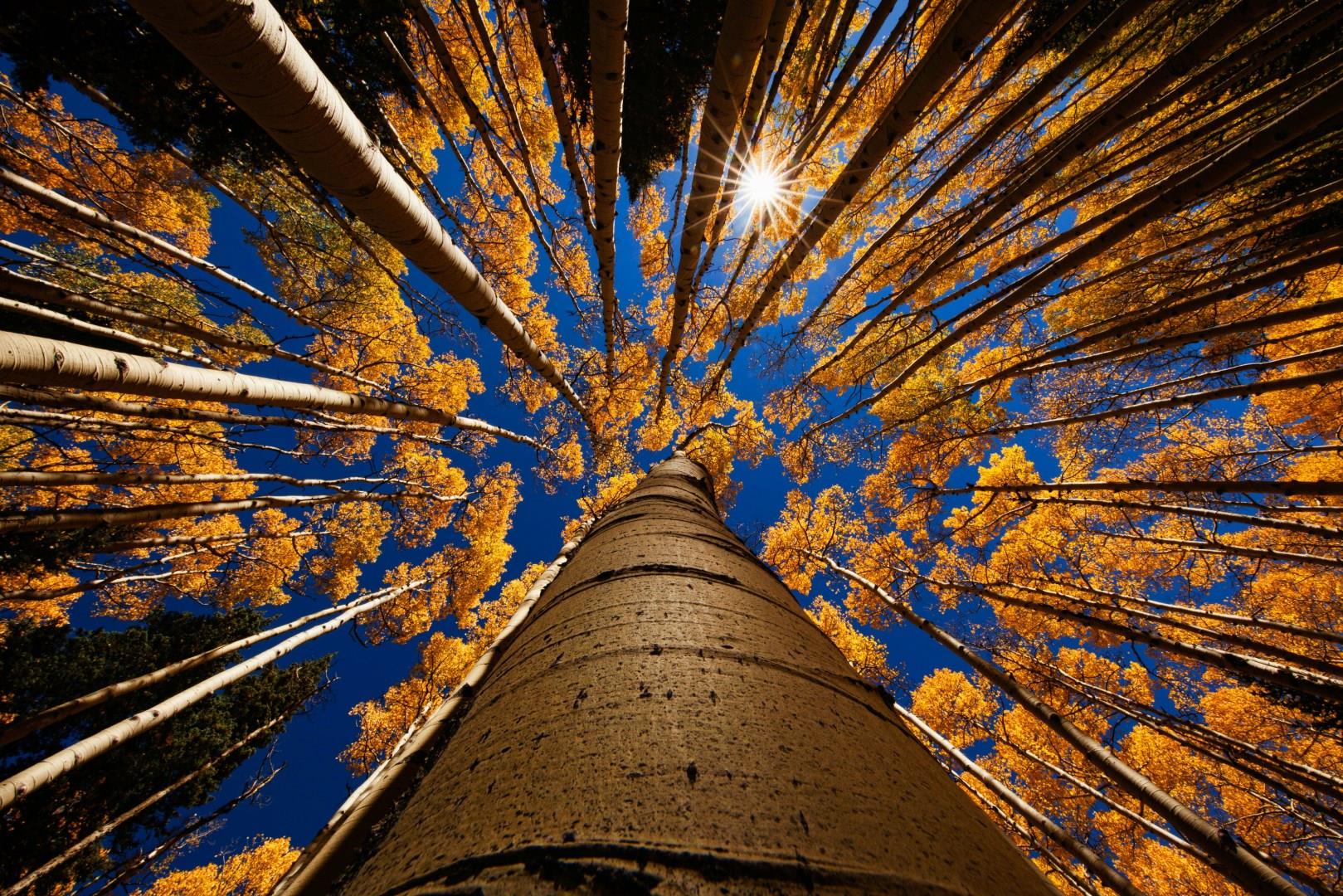
Flagstaff, Arizona, is a mountain town that perfectly blends the charm of a small community with the excitement of outdoor adventure and rich cultural experiences. Nestled at the base of the San Francisco Peaks, Flagstaff serves as a gateway to some of the Southwest's most iconic landscapes, including the Grand Canyon, which is just a short drive away. The town itself is surrounded by the largest contiguous ponderosa pine forest in the world, offering an abundance of hiking, biking, and skiing opportunities.
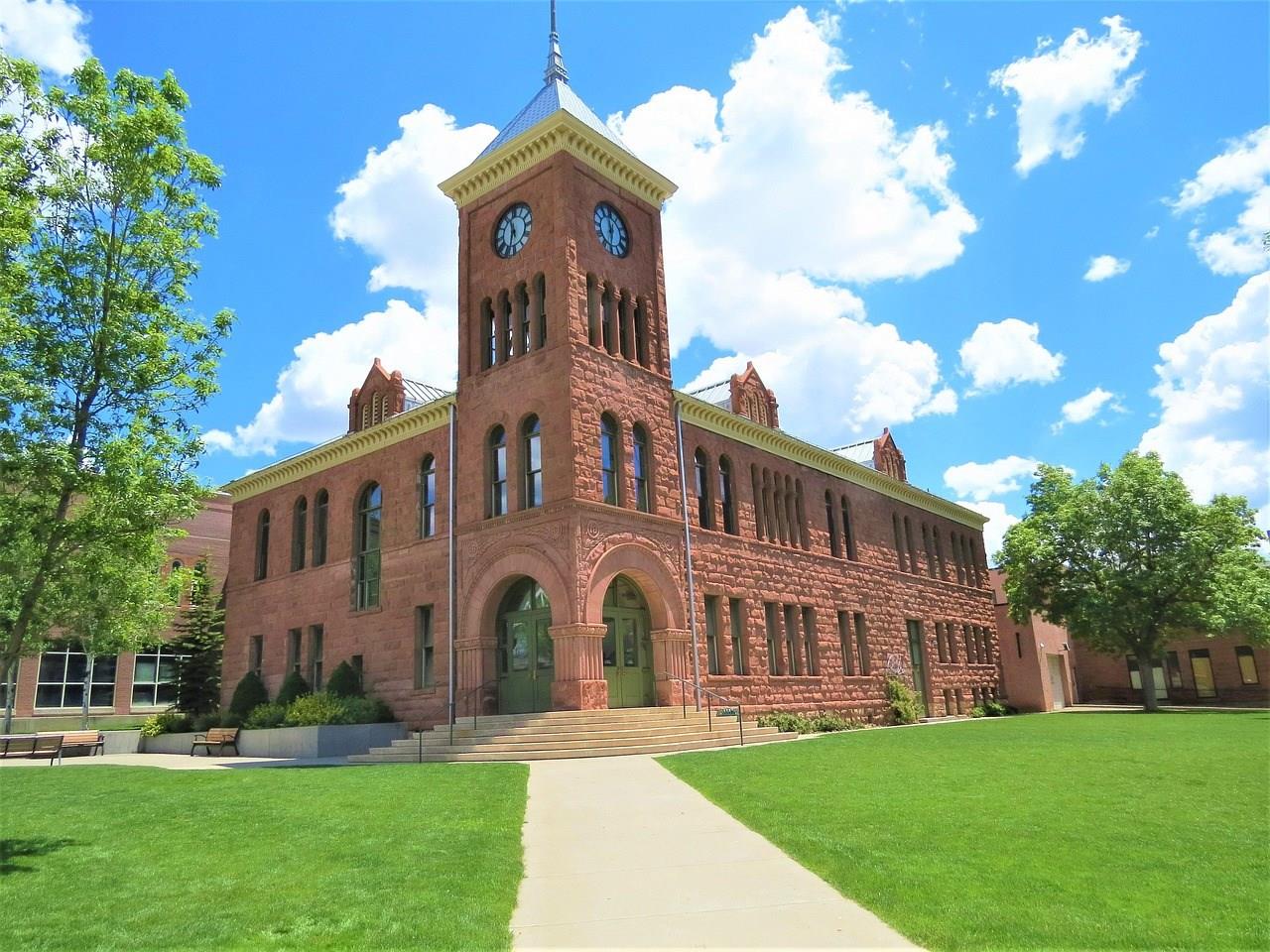
Flagstaff's historic downtown is a vibrant area filled with boutique shops, local breweries, and restaurants that cater to a variety of tastes. Visitors can explore the Lowell Observatory, where Pluto was famously discovered in 1930, or delve into the region's history at the Museum of Northern Arizona, which showcases Native American artifacts and exhibits on local geology and ecology. The town's lively arts scene is highlighted by events such as the Flagstaff Art in the Park festival, which attracts artists and visitors from all over the region.
One of Flagstaff's most enticing aspects is its access to diverse natural wonders. In addition to the Grand Canyon, visitors can explore the otherworldly landscapes of the Sunset Crater Volcano National Monument and the ancient cliff dwellings at Walnut Canyon National Monument. The area's dark skies also make Flagstaff one of the best places in the country for stargazing, with the city being recognized as the world's first International Dark Sky City.
A fun fact about Flagstaff is that it's one of the highest-elevation cities in the United States, sitting at approximately 7,000 feet above sea level. This elevation gives Flagstaff a unique climate compared to the rest of Arizona, with cooler summers and the occasional winter snowfall, making it a year-round destination for outdoor enthusiasts and travelers seeking a refreshing escape.