Laos
Laos, a landlocked country in Southeast Asia, is known for its lush landscapes, winding rivers, and rich Buddhist culture. The Mekong River flows along much of the country’s western border, offering both vital transportation routes and scenic vistas. Rolling hills, dense forests, and limestone karsts provide opportunities for hiking, kayaking, and exploring remote villages.
Cusco
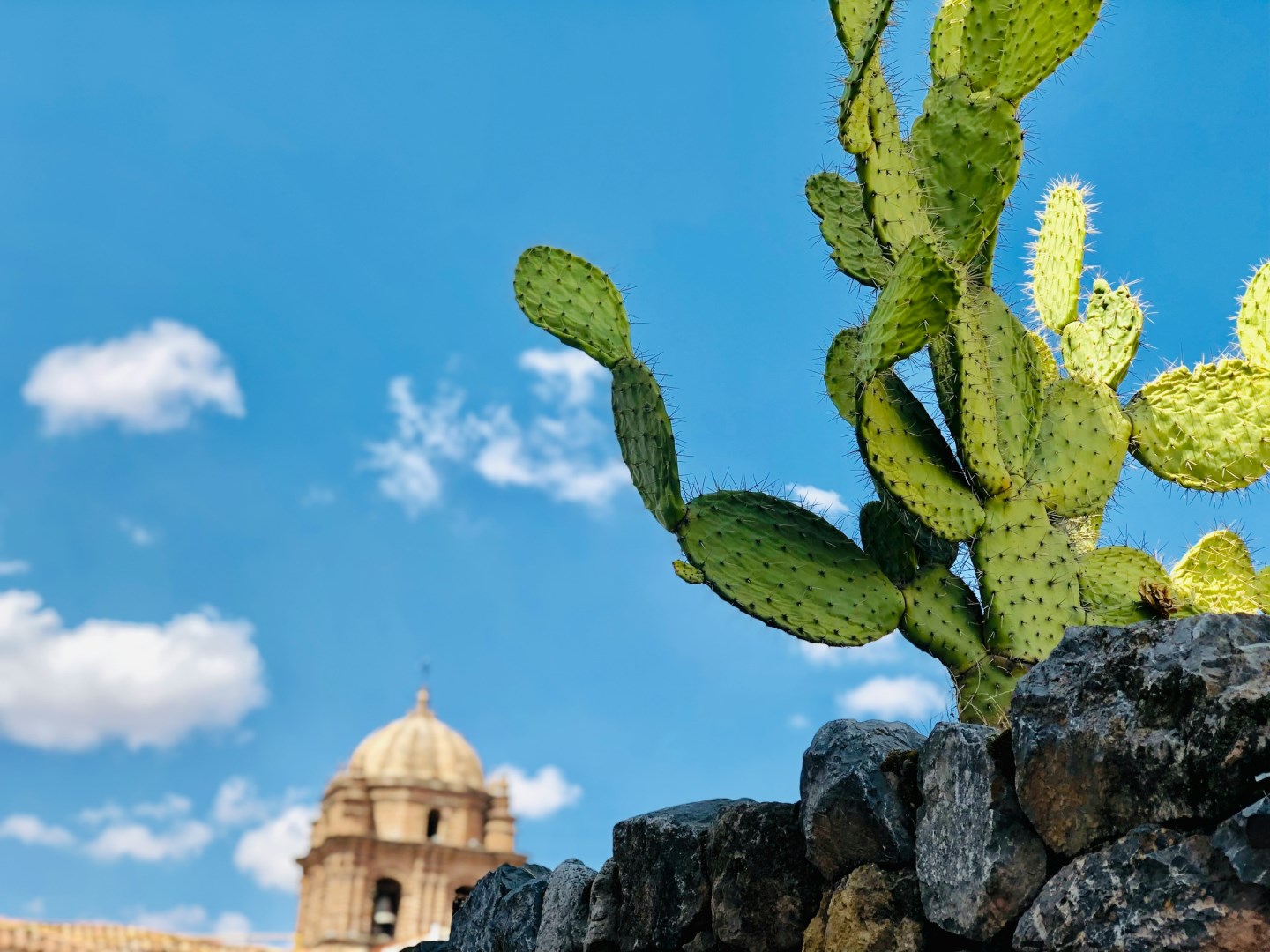
Cusco once served as the heart of the Inca Empire, and that legacy still shapes every corner of the city even as it serves as a gateway to Machu Picchu. Outside the historic center, the ruins of Sacsayhuamán overlook the city from a nearby hilltop. This ceremonial complex is best known for its massive zigzag stone walls, some weighing over 100 tons. During the Inti Raymi festival in June, thousands gather here to reenact ancient Andean rituals.

Marco Island
Located off the southwestern coast of Florida, Marco Island is a popular resort destination known for its boat-lined marinas and beautiful beaches, including Residents' Beach and Tigertail Beach. A variety of outdoor activities are at your disposal here, including paddle boarding, water skiing, kayaking, hiking, and golfing.
Baiona
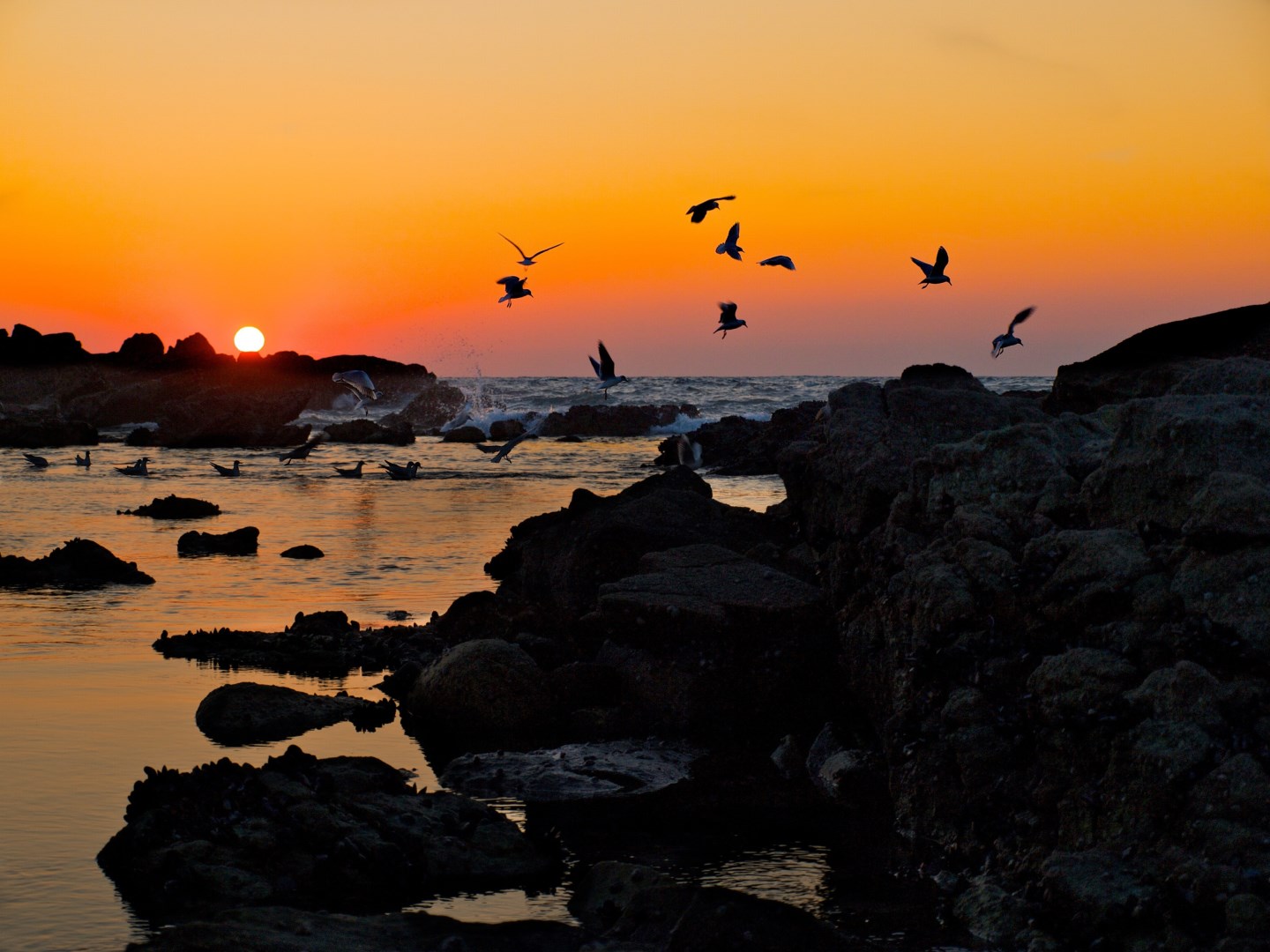
Baiona is a coastal town in Galicia, Spain, located along the Atlantic Ocean in the province of Pontevedra. It sits at the entrance of the Ría de Vigo, with a historic harbor that has long connected it to maritime activity. The town is known for its seafront setting, where fishing traditions and tourism exist side by side.
Noosa Heads
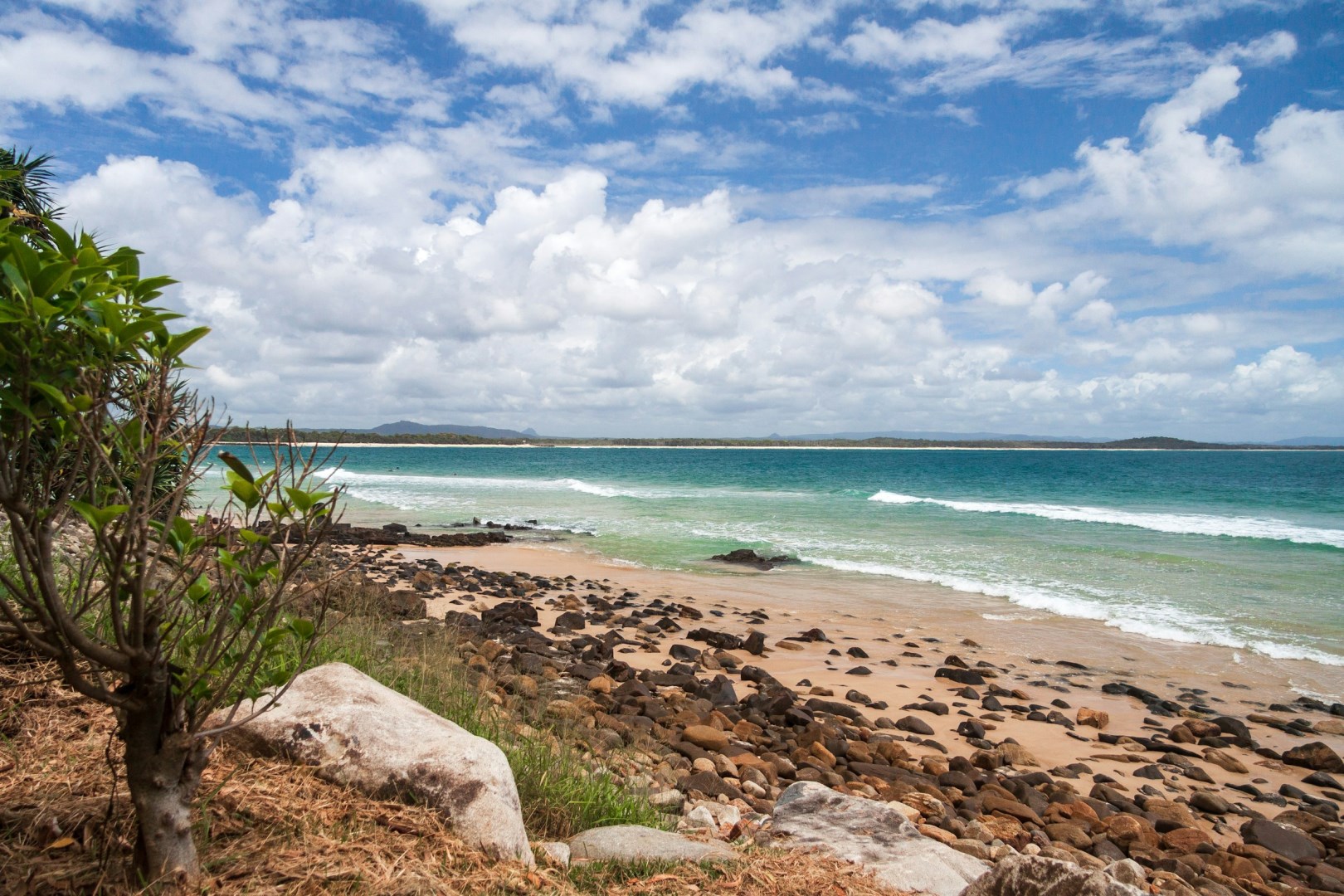
Noosa Heads, located on Queensland’s Sunshine Coast, is a coastal town renowned for its pristine beaches, lush hinterland, and relaxed yet sophisticated atmosphere. The town sits at the mouth of the Noosa River, where calm waterways meet the Pacific Ocean, creating ideal conditions for swimming, kayaking, and paddleboarding.