Querétaro
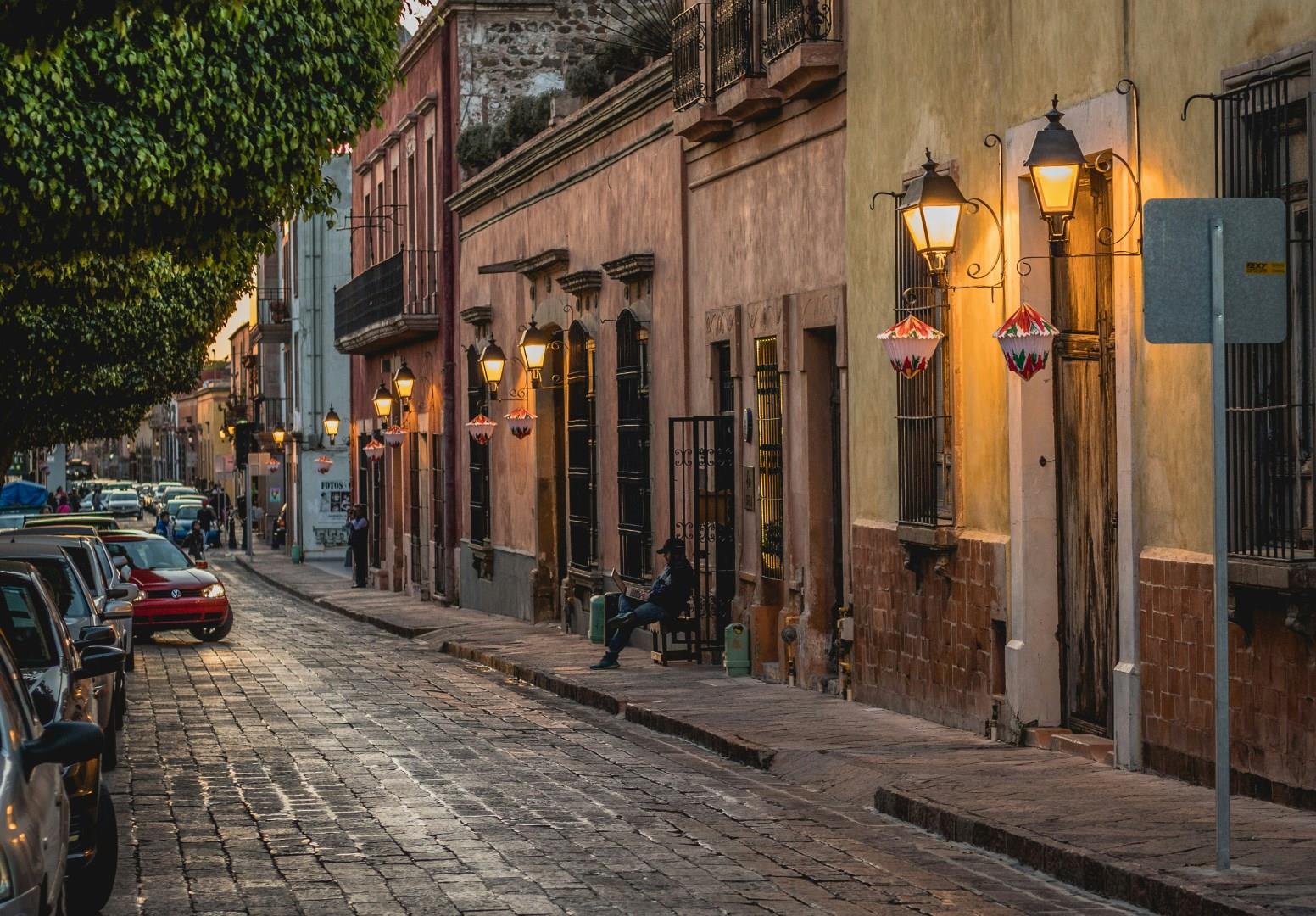
Querétaro, located in the heart of central Mexico, is a city where centuries of history are still visible in daily life. Its historic center, a UNESCO World Heritage Site, features narrow streets, elegant plazas, and baroque churches that reflect its colonial past. One of the city’s most iconic landmarks is the massive aqueduct, built in the 18th century with 74 stone arches stretching nearly a mile across the landscape.
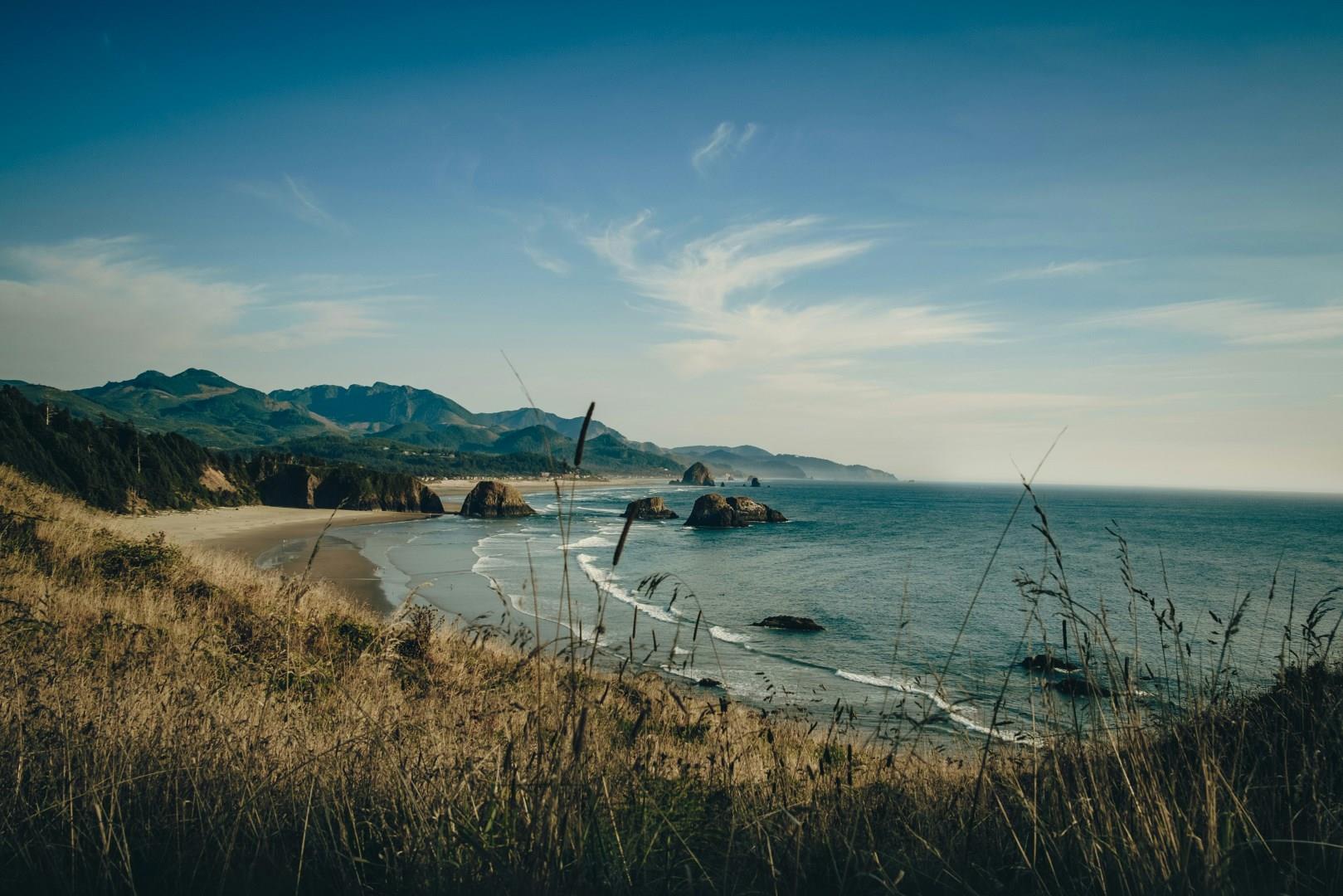
Cannon Beach
Cannon Beach, Oregon, offers an enchanting coastal escape along the Pacific Ocean. Known for its iconic Haystack Rock, a towering sea stack that rises 235 feet above the sand, this charming town is a visual feast for visitors. This natural landmark, surrounded by tide pools, is a prime spot for bird watching and marine life observation. The beach's scenic beauty, combined with its dramatic rock formations and golden sands, makes it a must-visit for nature enthusiasts and photographers alike.

Devils Marbles
Devils Marbles are located just one hour South of Tennant Creek and present a unique sight for vistors.
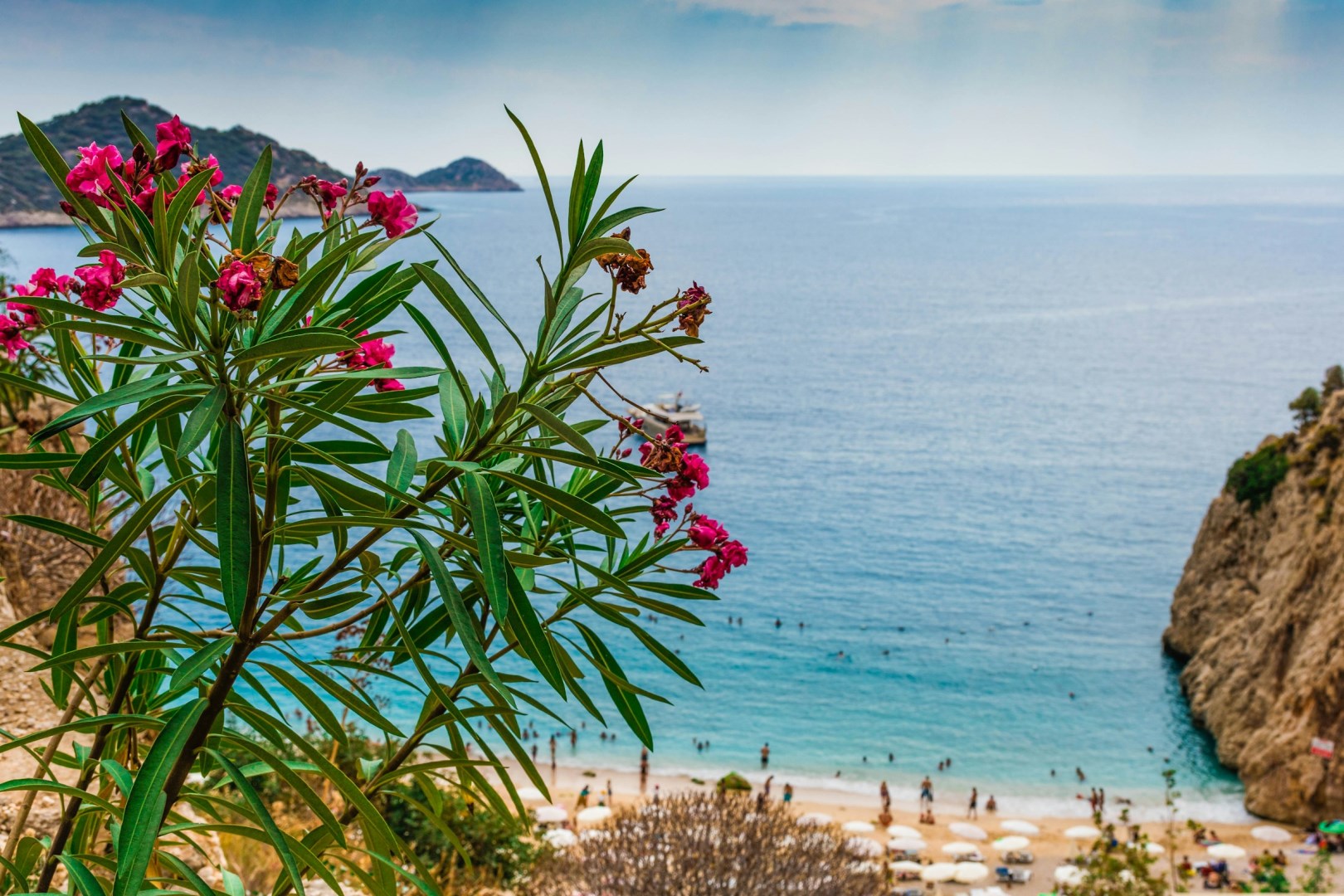
Kalkan
A lovely small hilltop town that overlooks a tiny bay. Narrow, winding streets lined with souvenir shops lead down to the charming marina.

Main River
The Main River winds through the heart of Germany, offering a scenic journey through picturesque towns, rolling vineyards, and historic cities.