Ningbo
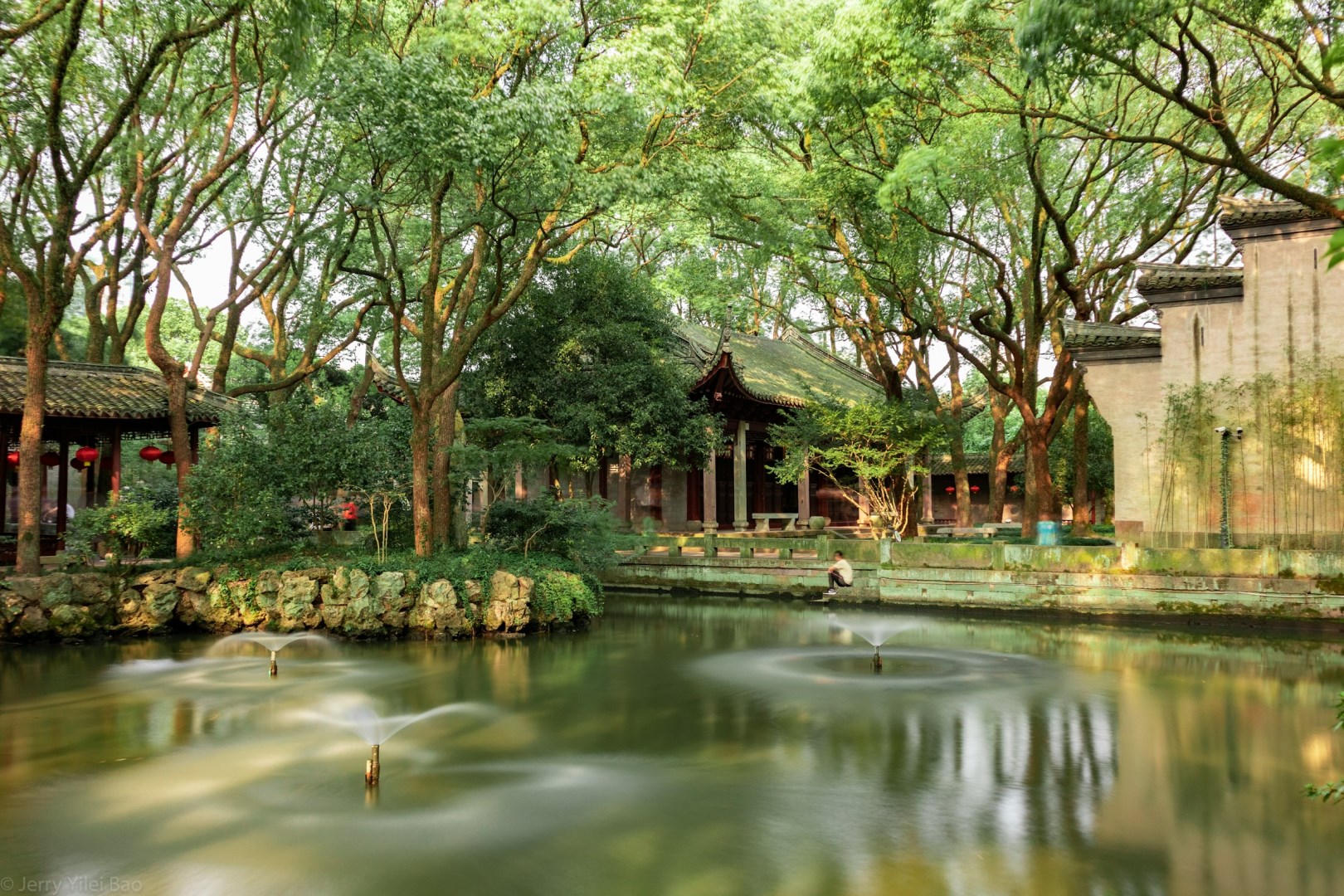
Ningbo is right on the East China Sea, south of Shanghai. Many scholars believe this was the cradle of Chinese civilization. Study the stone tablets and thousands of rare Ming Dynasty books in China's oldest and most renowned library. See the Asoka Temple believed to be one of the most important Buddhist temples in China or visit Tian Tong Temple, one of the largest and most scenic. For shopping, try the colorful and busy Gao Tang Free Market, the largest in the city.
Blue Bay
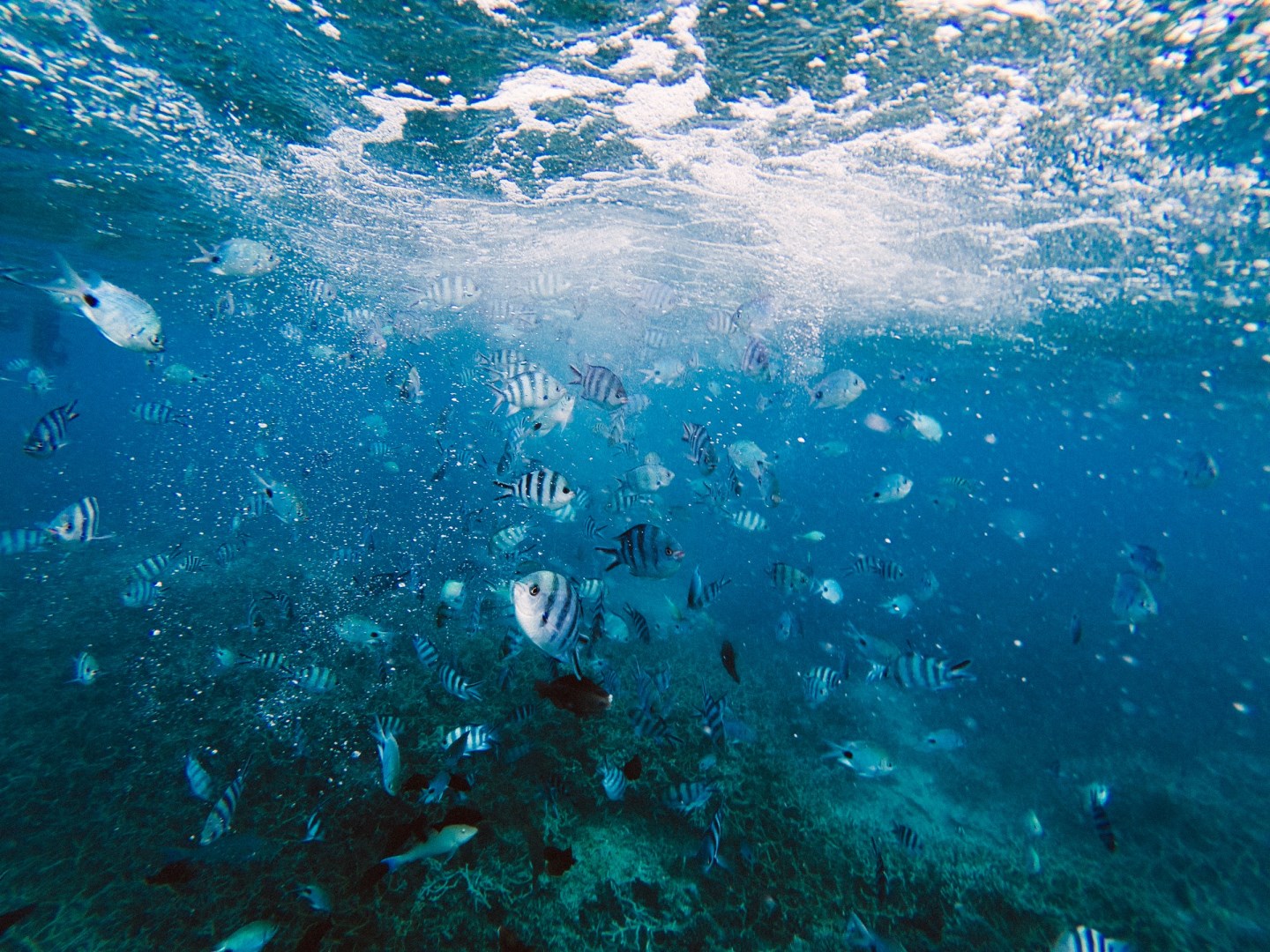
Blue Bay is a coastal village in southeastern Mauritius, within the district of Grand Port and close to Sir Seewoosagur Ramgoolam International Airport. It is best known for Blue Bay Marine Park, a protected lagoon where coral reefs and clear shallow waters support a rich variety of marine life. The village sits beside a curved sandy beach and sheltered bay, with views across the lagoon toward small offshore islets.
Hawaii
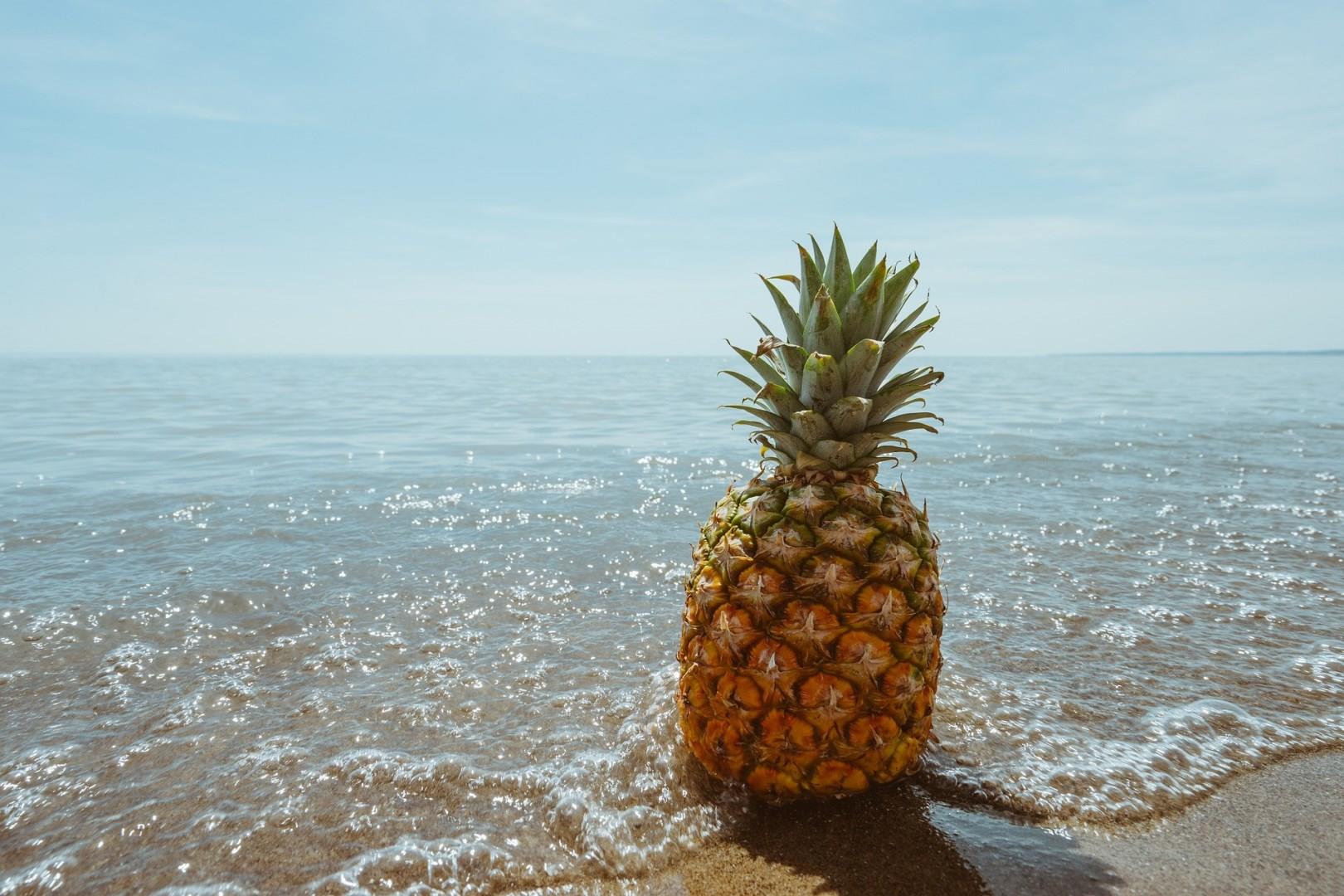
Hawaii, an archipelago in the central Pacific, offers a kaleidoscope of natural beauty and cultural experiences that make it a premier travel destination. The island of Oahu, home to the vibrant city of Honolulu, is renowned for its iconic beaches like Waikiki, where the golden sands and azure waters create a perfect backdrop for surfing and sunbathing
Silverton
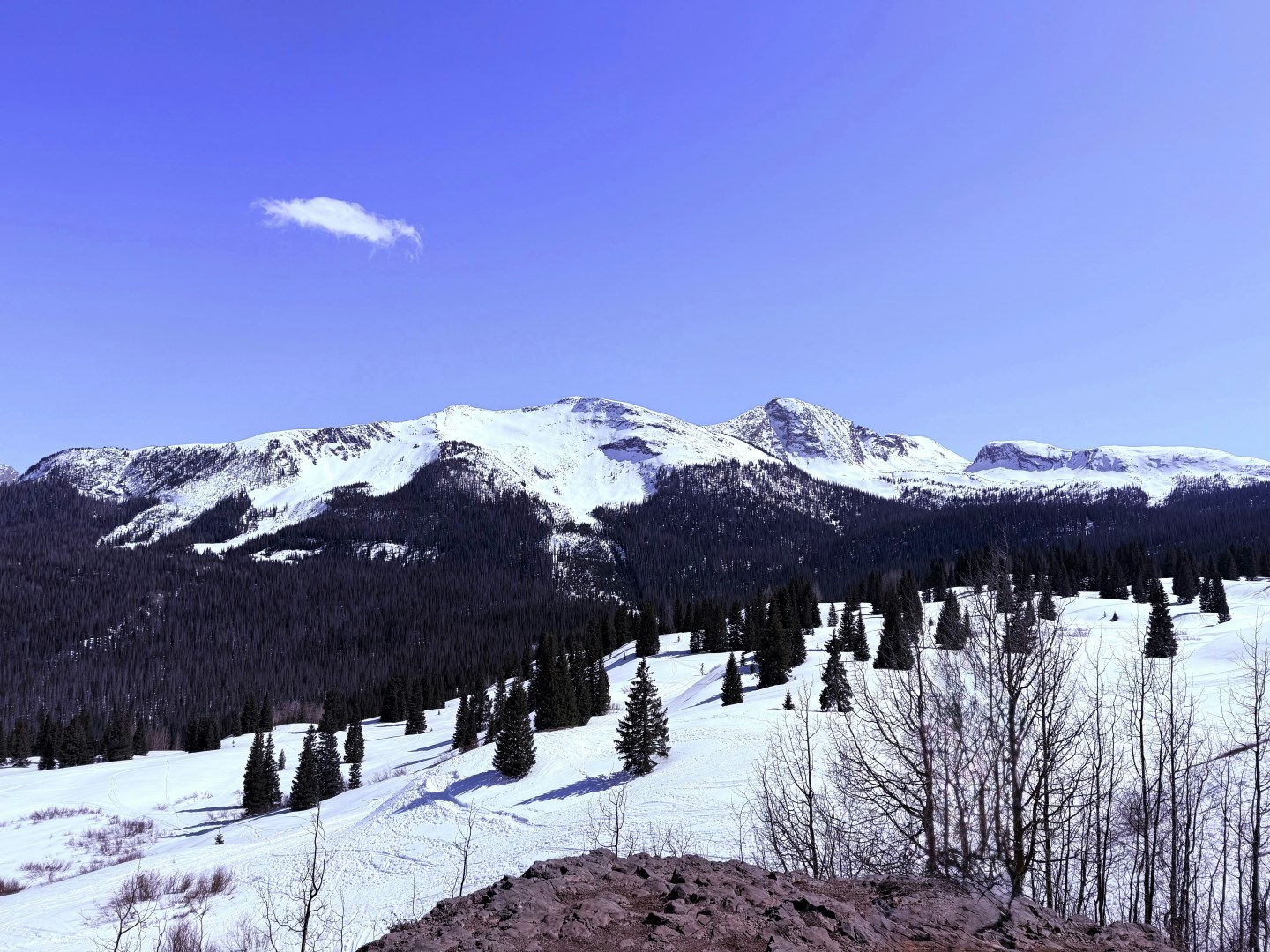
Silverton is a small mountain town in southwestern Colorado, surrounded by the San Juan Mountains at an elevation of over 9,000 feet.
Jaisalmer
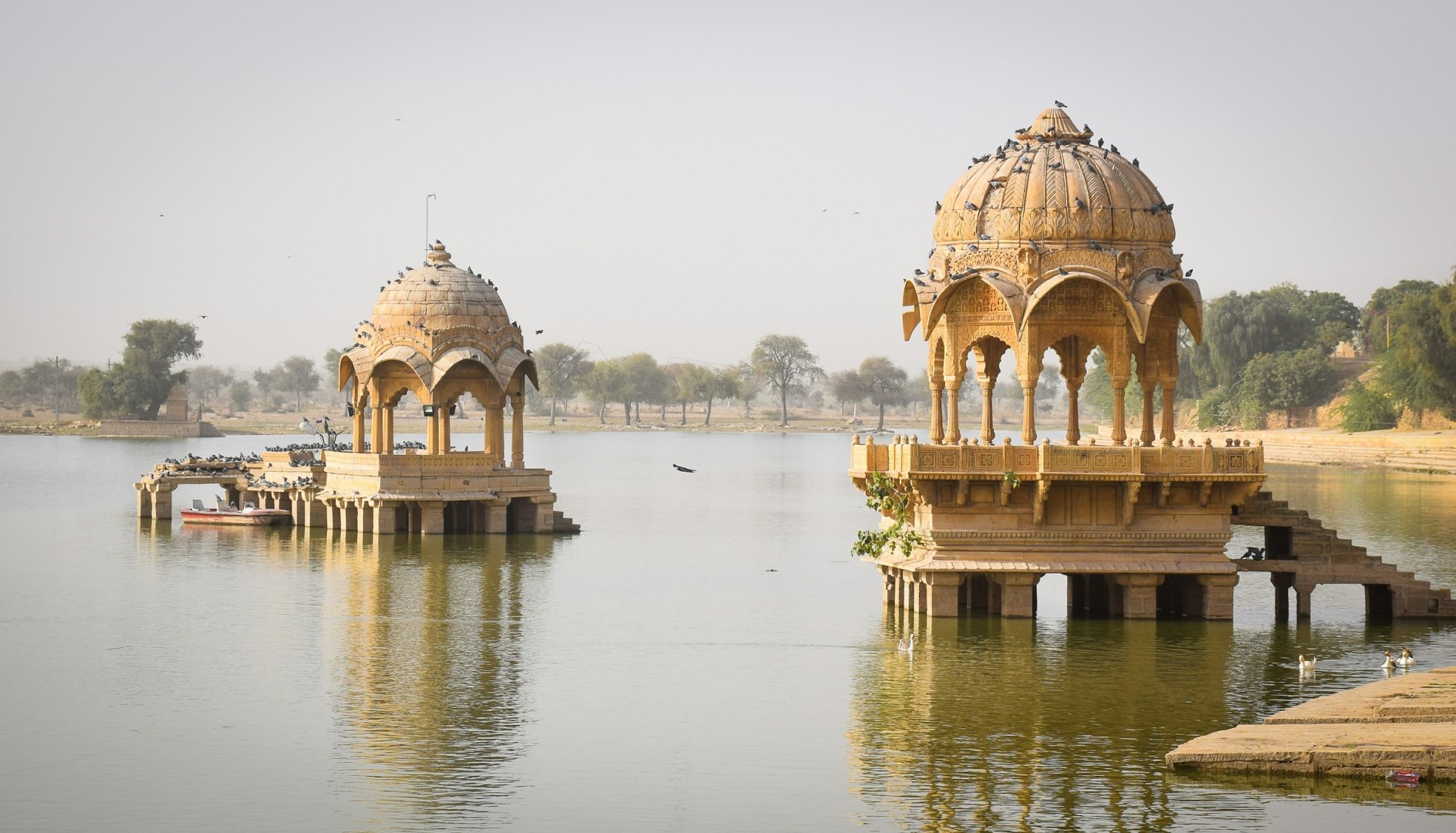
Jaisalmer, known as the "Golden City" of India, rises from the sands of the Thar Desert with a breathtaking display of medieval architecture and vibrant culture. Dominated by its imposing fort, the Jaisalmer Fort, a UNESCO World Heritage Site, this city is a striking example of Rajput architecture.