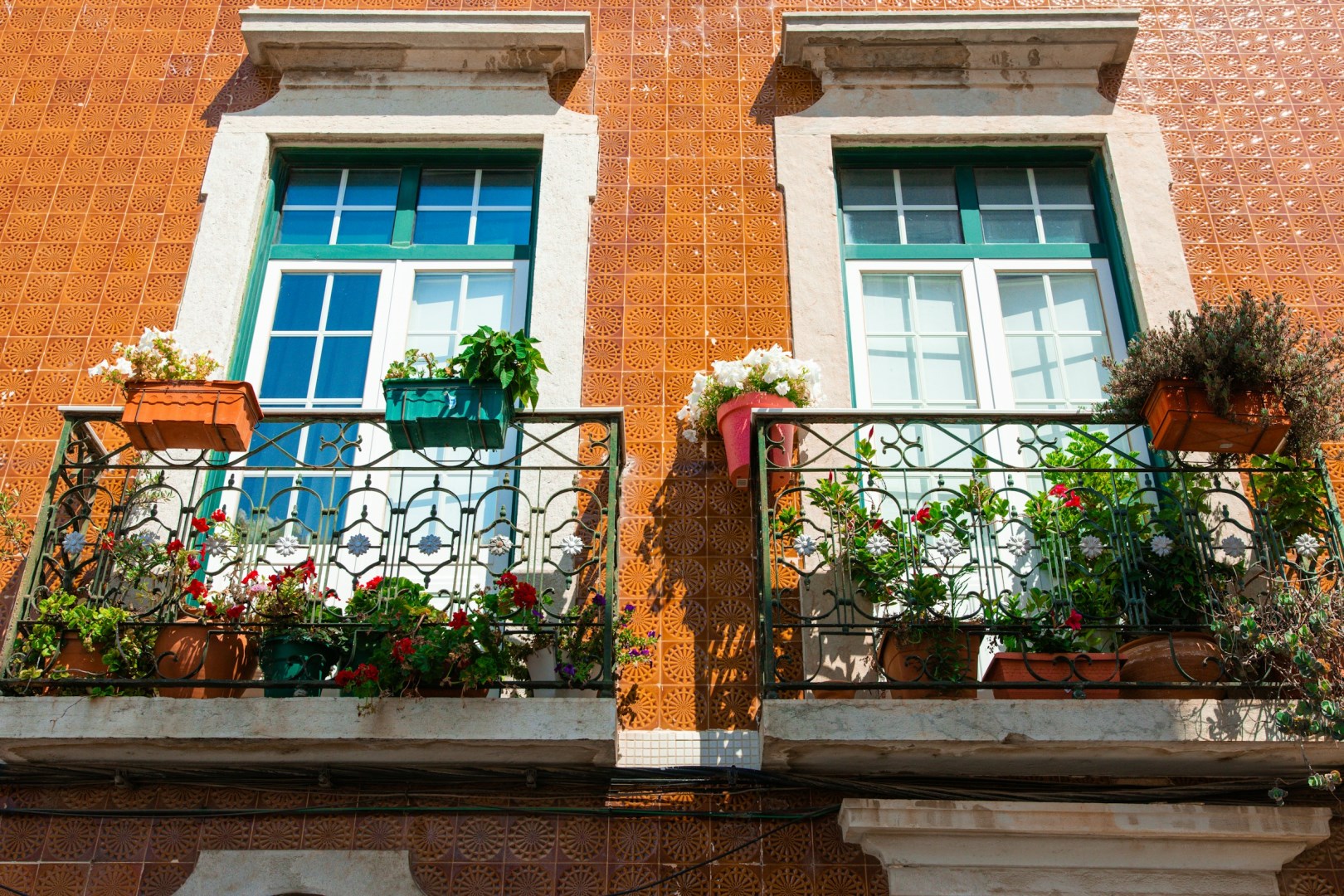
Sydney
Sydney, Australia, is a vibrant city where iconic landmarks, diverse neighborhoods, and natural beauty converge. The Sydney Opera House, with its striking sail-like design, and the Sydney Harbour Bridge are symbols recognized around the world, yet the city offers much more beyond its famous skyline.
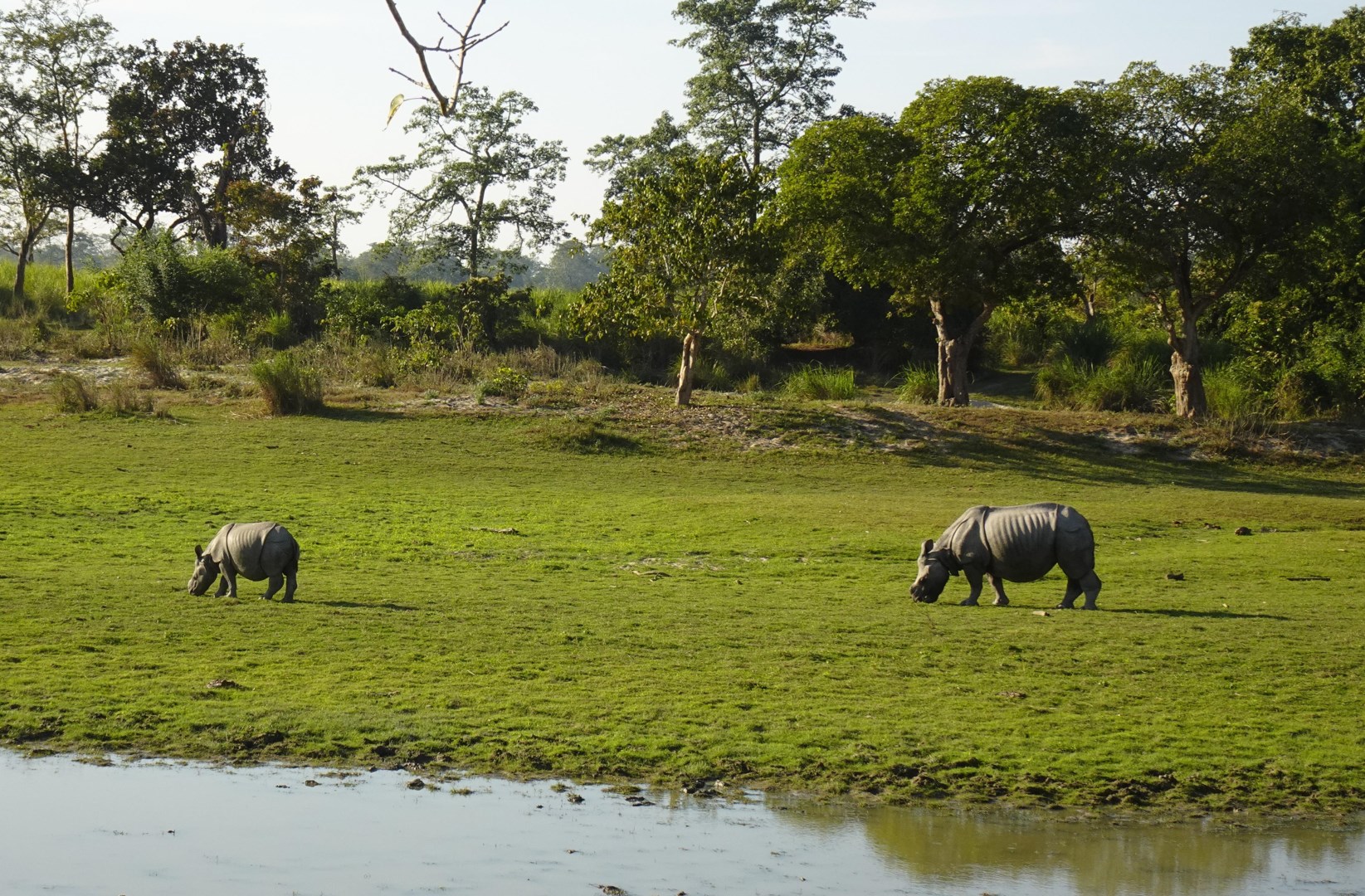
Khama Rhino Sanctuary
Khama Rhino Sanctuary is a community-based wildlife reserve in Botswana, located near the town of Serowe in the central part of the country. Established to protect endangered rhinoceros populations, the sanctuary covers a broad area of savanna and woodland, centered around natural water sources that attract a range of animals.
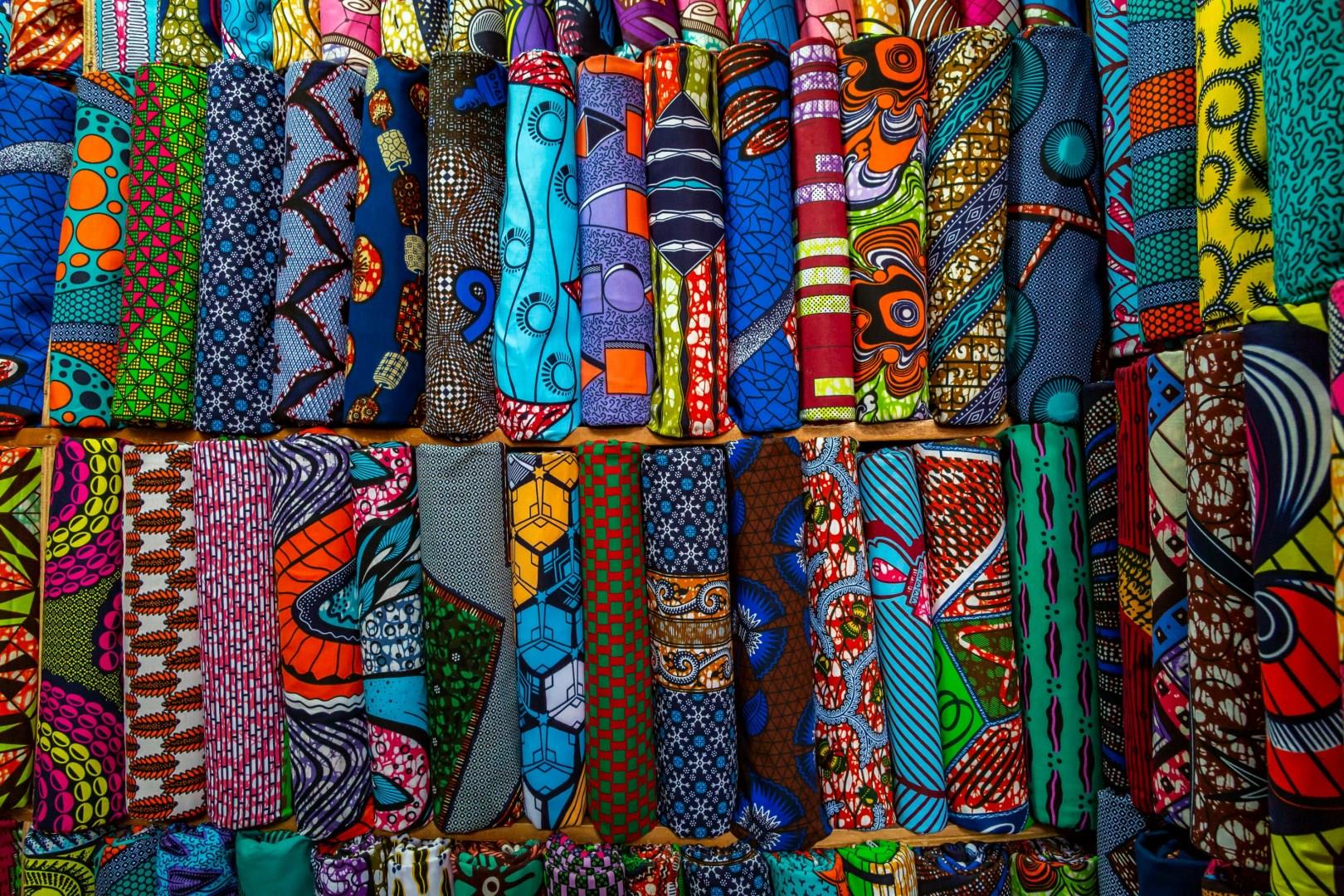
Abidjan
Abidjan, the largest city in Ivory Coast, is a vibrant coastal hub known for its striking skyline, lively markets, and cultural energy. Situated along the Ébrié Lagoon, it serves as the country’s economic and commercial center, blending modern urban life with West African traditions. Nicknamed the “Paris of West Africa,” Abidjan offers a dynamic mix of business districts, beachside neighborhoods, and green spaces that reflect its diverse character.

Lautoka
Known as Sugar City, Lautoka is a tropical destination on the western coast of Fiji. Be sure to take a stroll through the Lautoka Botanical Gardens, or venture just outside of the city to take in the natural beauty of Koroyanitu National Park, a rainforest preserve with spectacular hikes and bird-watching excursions.
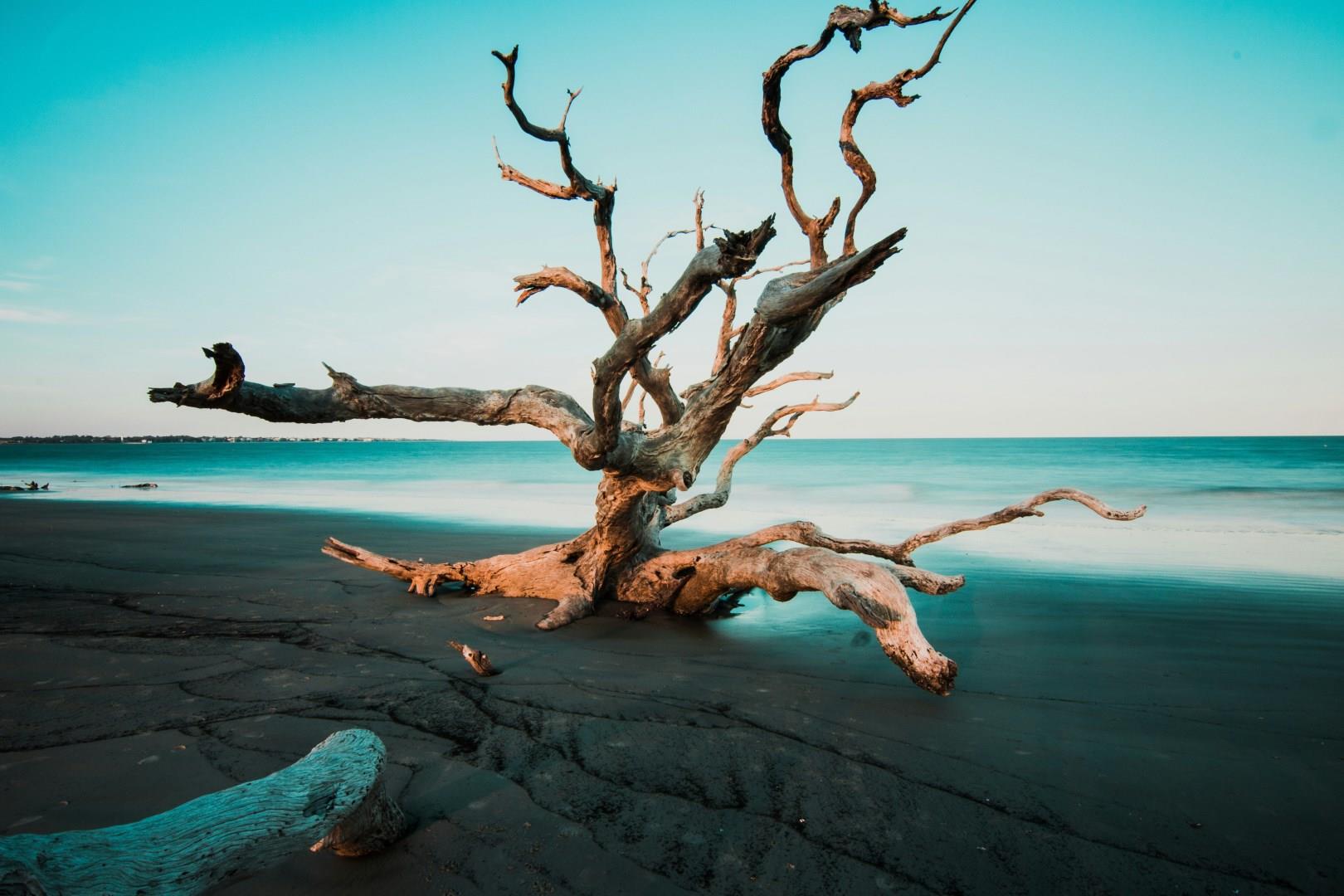
Jekyll Island
Jekyll Island, one of Georgia’s Golden Isles, is a barrier island with a story that stretches from ancient Indigenous cultures to Gilded Age millionaires. Today, it’s a state park carefully preserved for public enjoyment, offering a quiet blend of coastal landscapes, historic landmarks, and outdoor activities. With only a limited number of commercial developments allowed, the island maintains a peaceful, uncrowded atmosphere that’s hard to find on most Southeastern beaches.