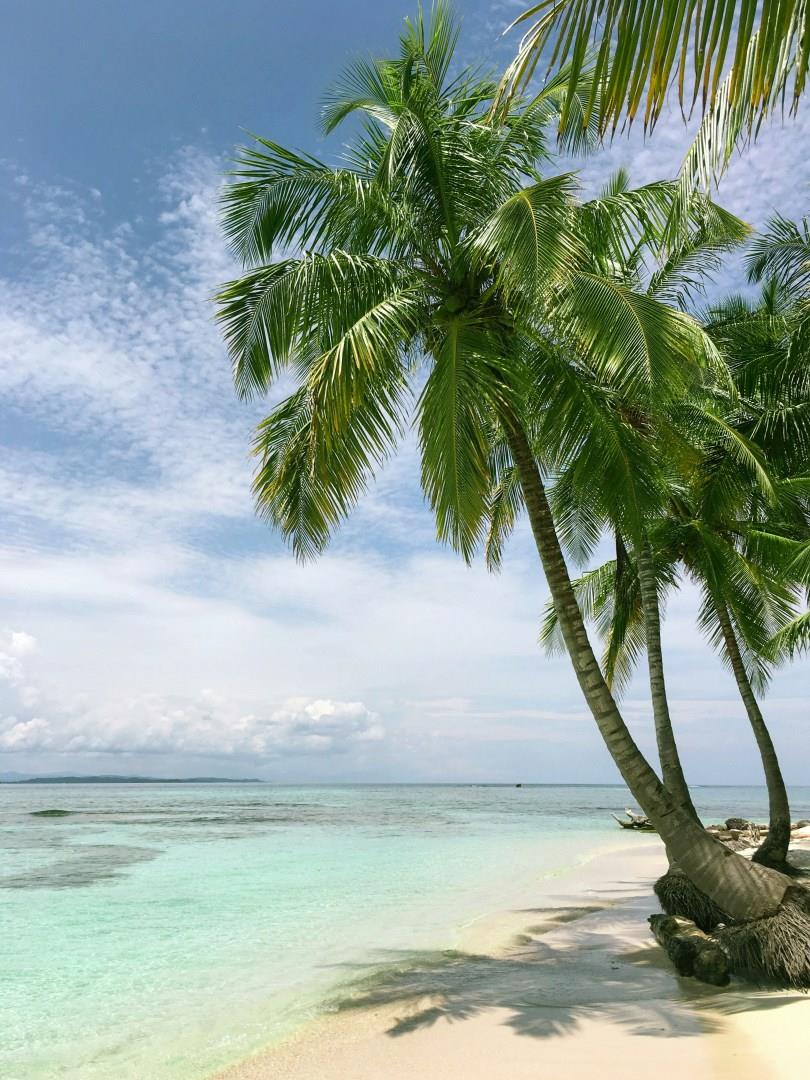
La Palma (also San Miguel de La Palma) is the fifth of Spain's Canary Islands. This mountainous volcanic island is a natural wonder of tropical vegetation. Its coast is lined by jagged cliffs and plunging ravines, and its beaches are covered with black sand. Thanks to dry climate and the height of its mountains creating excellent observation conditions, La Palma has become the home of some of the world's largest telescopes, seated on the rocky ridge called El Roque de los Muchachos.
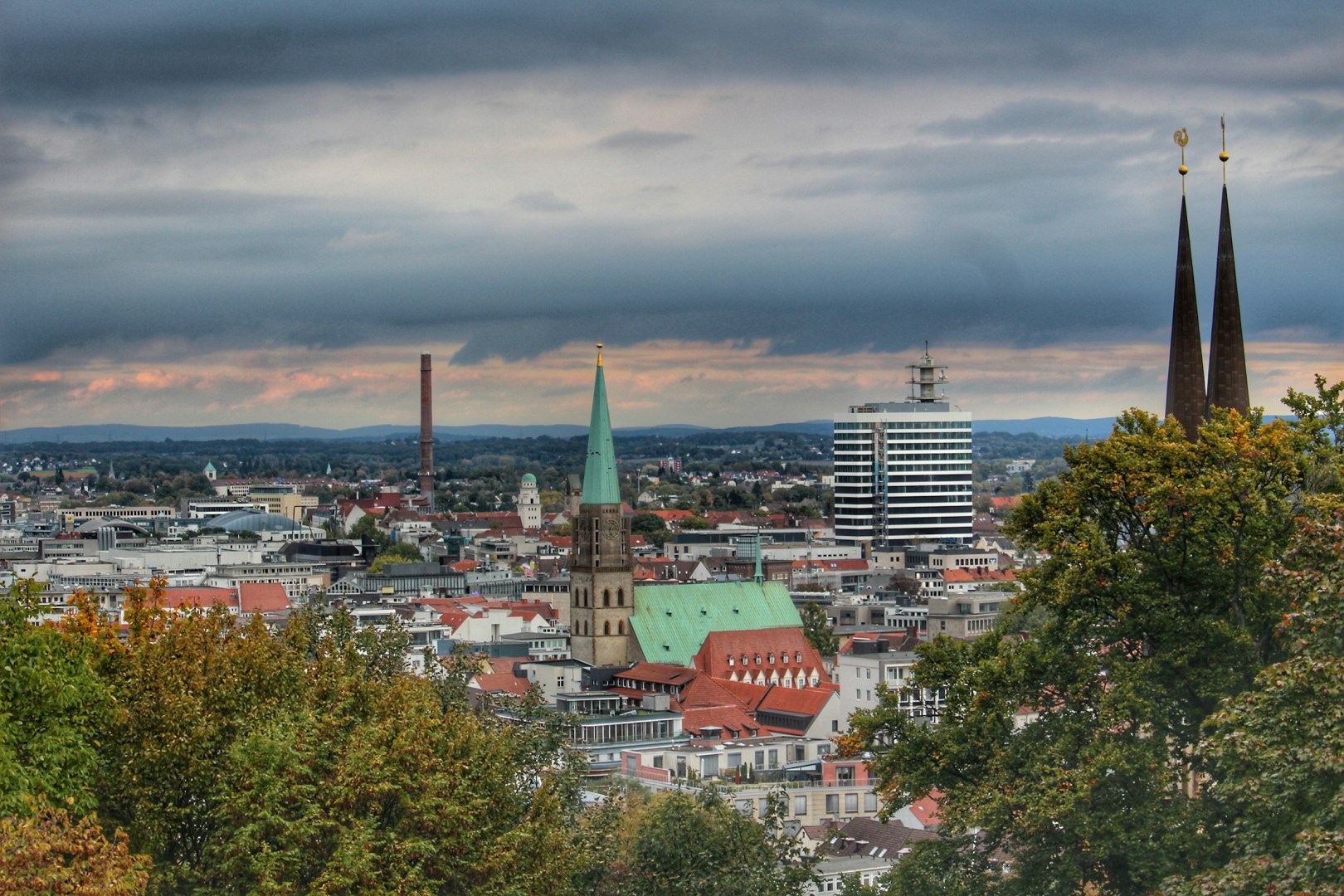
Bayonne, nestled in the heart of France's Basque Country, offers a delightful blend of history, culture, and gastronomy. This charming city, with its half-timbered houses and narrow cobbled streets, sits at the confluence of the Nive and Adour rivers, creating a picturesque setting that invites leisurely exploration. The Gothic Bayonne Cathedral, a UNESCO World Heritage Site offers stunning views and an opportunity to admire its breathtaking 13th-century architecture.
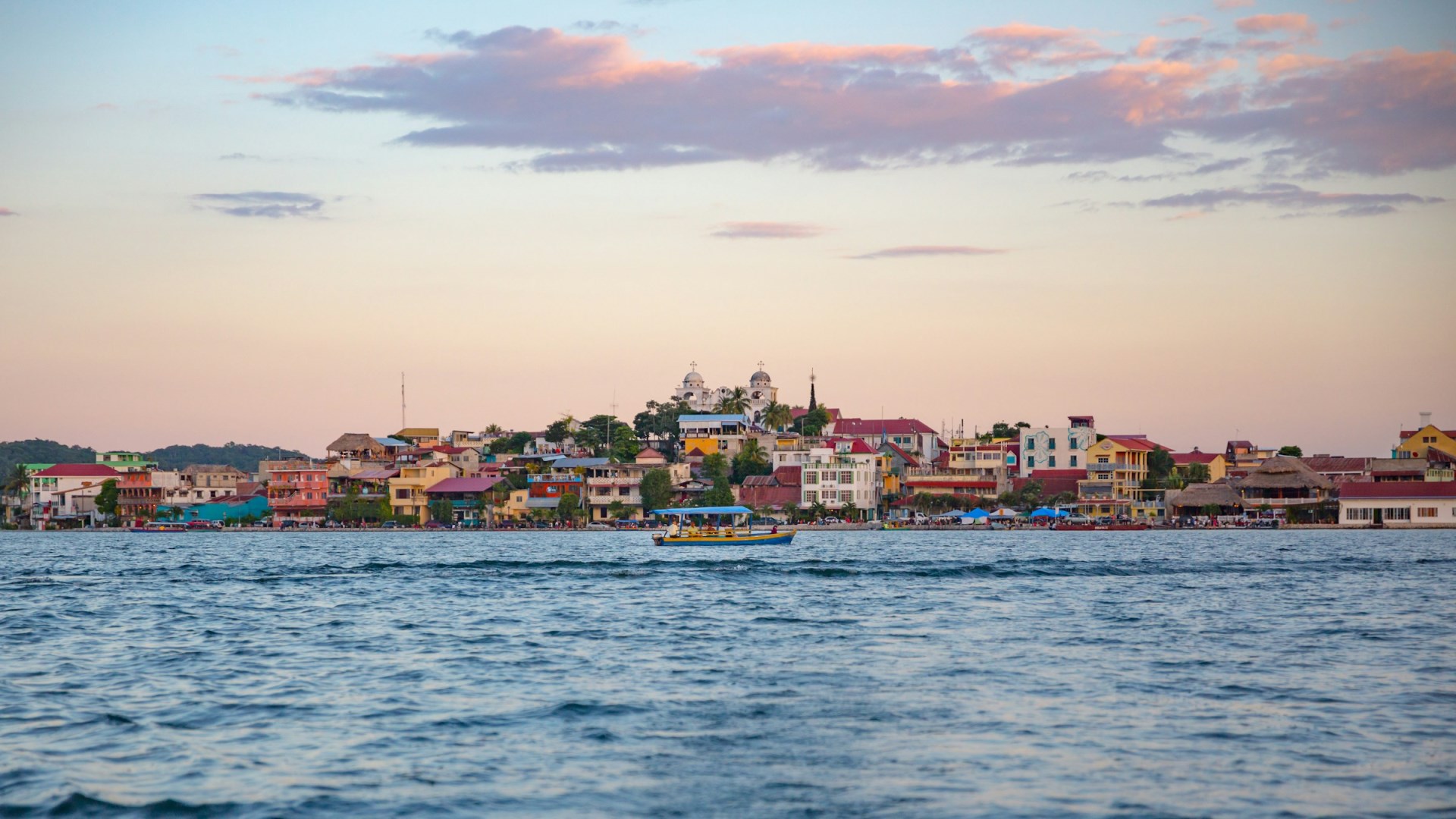
The Island of Mozambique, a UNESCO World Heritage Site, is a historical gem nestled off the northern coast of Mozambique. This small island, which was once a pivotal trading post, boasts a rich tapestry of history and culture. The island's main attraction is the Fort São Sebastião, an imposing 16th-century fortress built by the Portuguese to protect their trading interests.
Denmark is a country shaped by water, wind, and centuries of human ingenuity. In places like Roskilde, visitors can see five original Viking ships at the Viking Ship Museum and even try rowing a replica longboat across the fjord. In Copenhagen, the harbor once used by merchants and sailors now welcomes swimmers, kayakers, and ferries, with historic warehouses repurposed into restaurants and museums.
Monterrey, the capital of Nuevo León, stands at the foot of the Sierra Madre Oriental and has long been recognized as one of Mexico’s most industrial and innovative cities. The Macroplaza is one of the largest public squares in Latin America and links historic buildings like the 18th-century Metropolitan Cathedral with newer sites like the Museo de Historia Mexicana and the Faro del Comercio, a towering orange structure that beams a green laser across the sky each night.
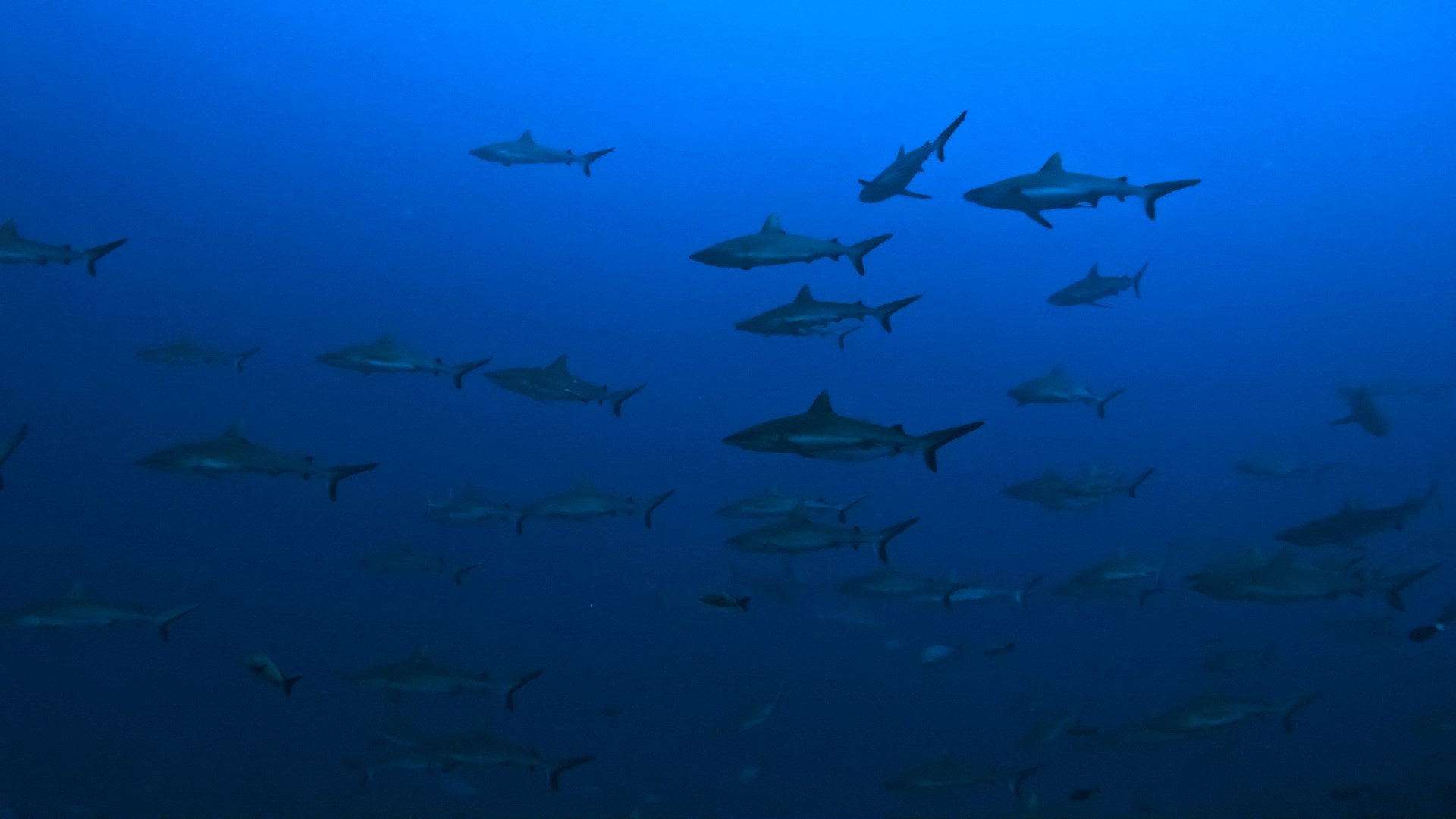
Fakarava, a hidden paradise in French Polynesia, is an ideal destination for those seeking unspoiled natural beauty and adventure. This atoll, part of the Tuamotu Archipelago, is known for its pristine coral reefs and crystal-clear lagoons. Divers from around the world flock to Fakarava to explore the rich underwater ecosystems, especially at the famous Garuae Pass, where you can encounter hundreds of grey reef sharks, manta rays, and vibrant marine life in an awe-inspiring spectacle.
Beyond its underwater wonders, Fakarava offers a glimpse into authentic Polynesian culture. The village of Rotoava, located on the northern edge of the atoll, is the largest settlement and a hub of local life. Here, visitors can explore traditional pearl farms, visit the historic Tetamanu village, home to one of the oldest coral churches in the region, and experience the warm hospitality of the local population. The island’s pink sand beaches provide a serene setting for relaxation, where you can unwind to the sound of gentle waves lapping the shore.
A fun fact about Fakarava is that it is home to the "Wall of Sharks," a natural phenomenon where thousands of grey reef sharks gather during the mating season. This unique event is a must-see for diving enthusiasts, offering a thrilling and unforgettable experience in one of the world’s most extraordinary marine environments .