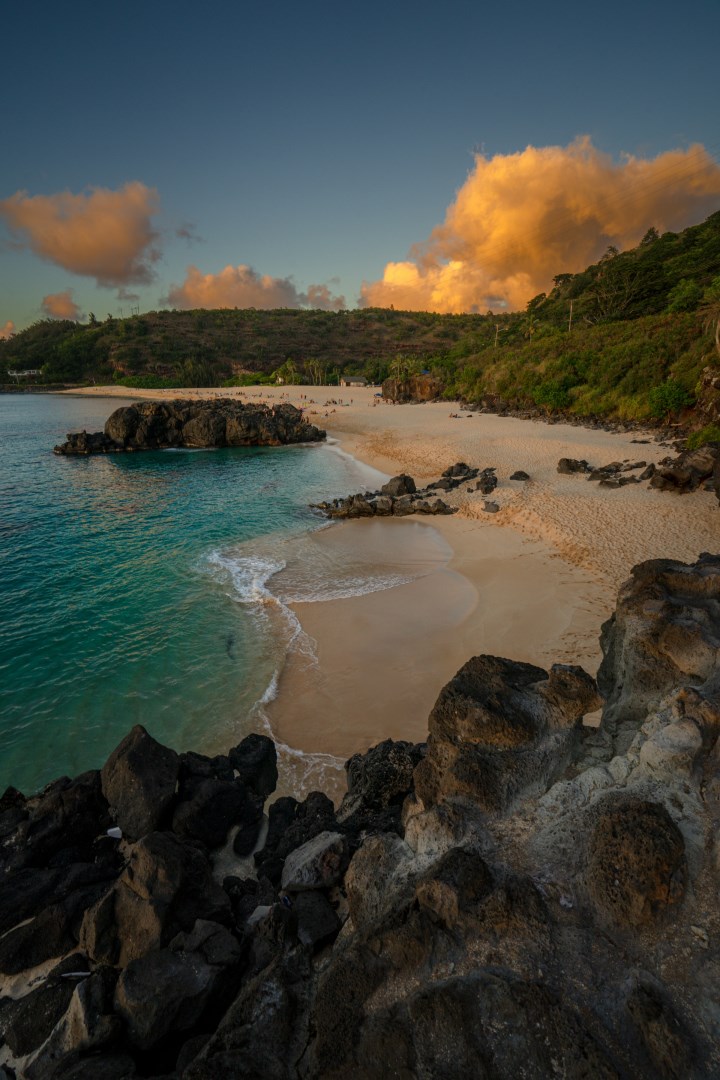
Waimea, also known as Kamuela, is an upcountry community on Hawaiʻi Island, set between the Kohala Mountains and the island’s volcanic slopes. Unlike the dry lava fields of the nearby Kohala Coast, Waimea is characterized by green pastures, rolling hills, and open ranchland. Its elevation brings cooler temperatures than the coastal resorts, while views toward Mauna Kea and the surrounding mountains help define the landscape. The town serves as a centre for ranching, agriculture, dining, arts, an
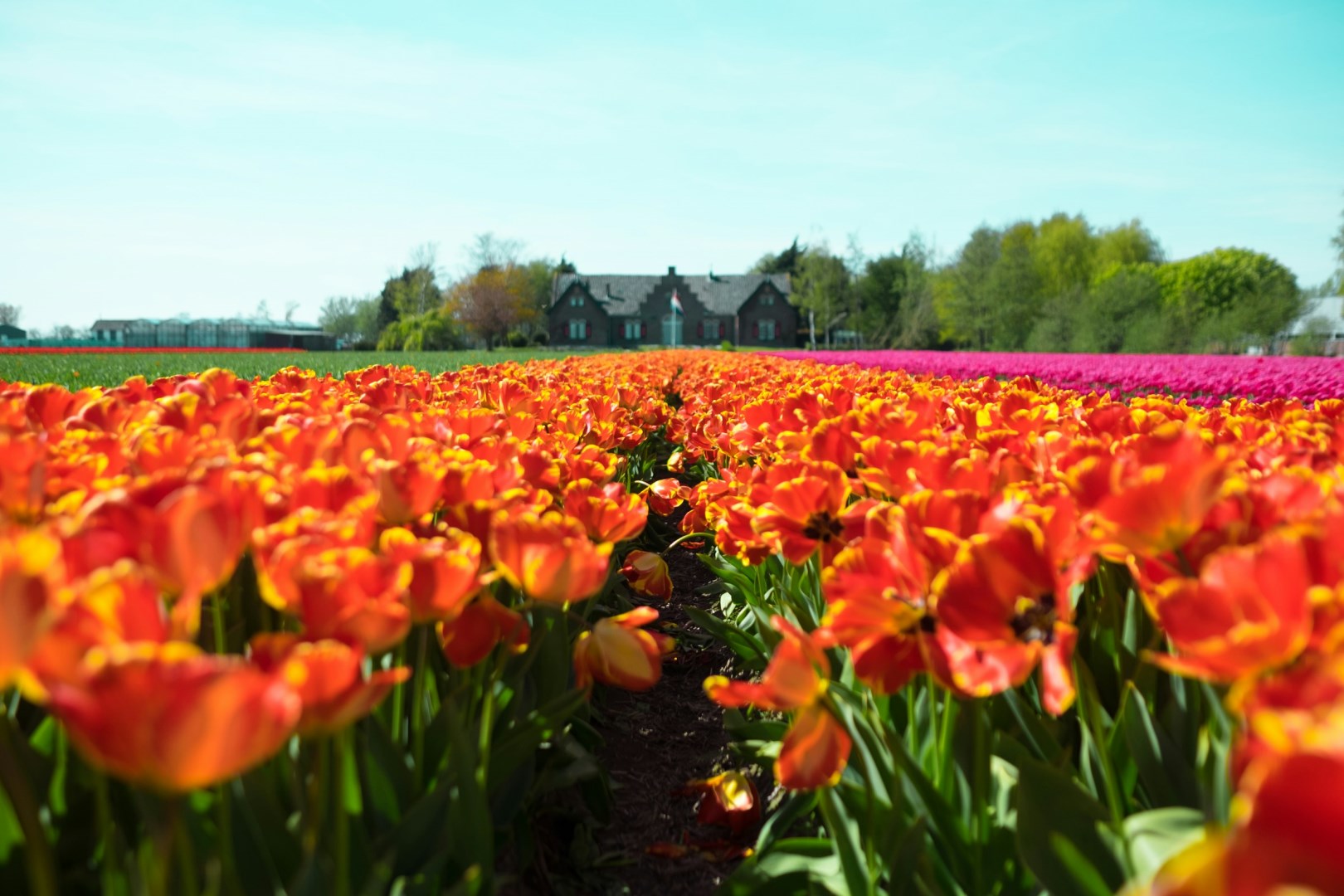
Lisse is a small town in the Bollenstreek flower-growing region of South Holland, situated between Haarlem and Leiden. It is closely associated with bulb cultivation, particularly tulips, daffodils, and hyacinths, and its surrounding countryside is characterized by broad fields that change color with the flowering season. The town itself contains a compact center of shops, cafés, churches, and traditional Dutch buildings, while the surrounding landscape is largely agricultural.
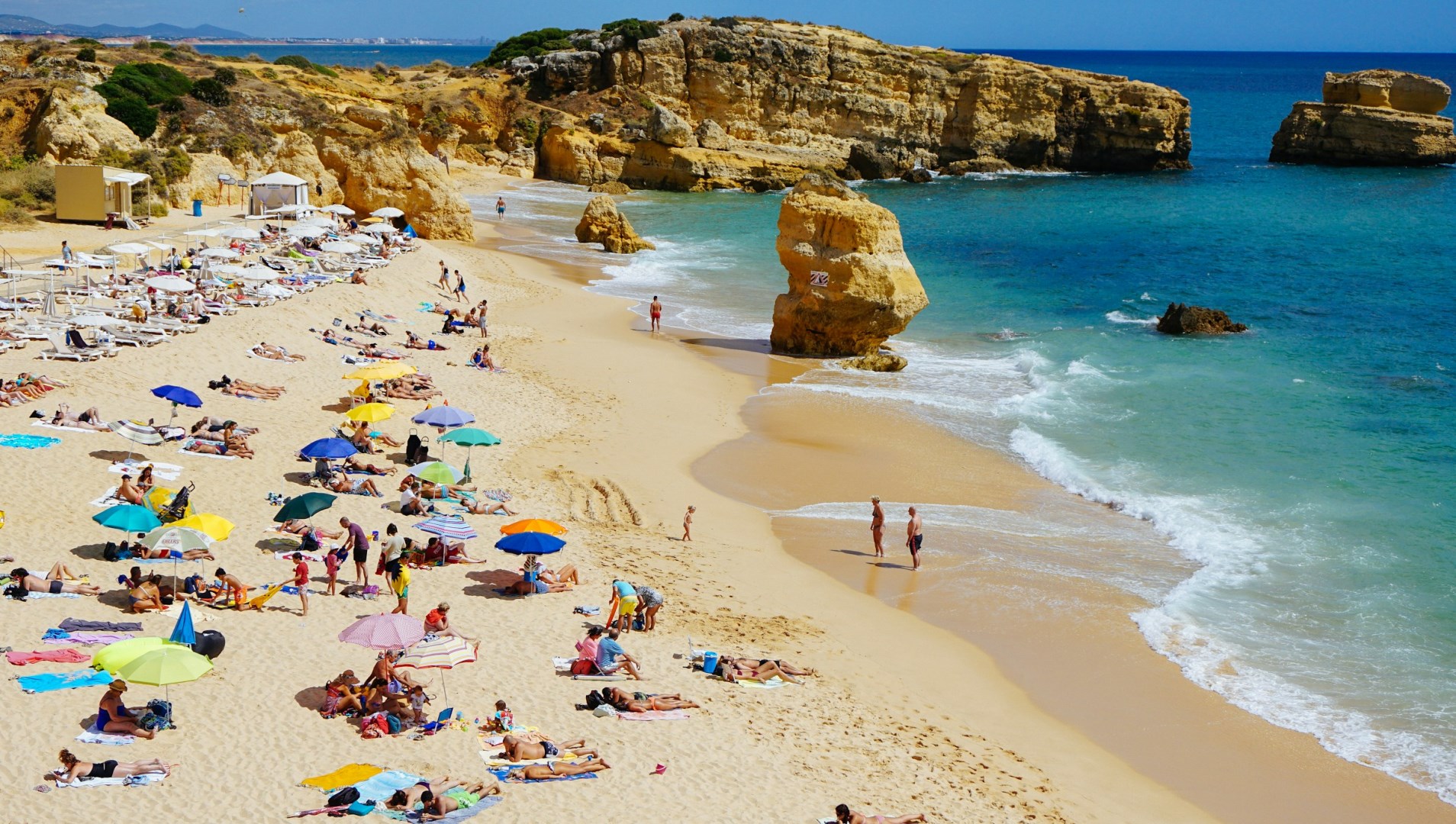
Albufeira, perched on Portugal’s Algarve coast, combines the charm of a traditional fishing village with the vibrancy of a seaside resort. Its whitewashed buildings tumble down hillsides toward golden beaches and turquoise waters, creating one of the most picturesque coastal scenes in southern Europe.

The town of Dearborn is located in southeastern Michigan, named after General Henry Dearboar, a respected physician and Revolutionary Ware hero who served as Secretary of State under President Thomas Jefferson from 1801-1809 and commanded the American Armies during the war of 1812.
Speyer, located in the Rhineland-Palatinate region of Germany, is a city rich in history and culture. One of its most notable landmarks is the Speyer Cathedral, a UNESCO World Heritage Site and one of the largest Romanesque churches in the world.
Photo Credit: Photo by Kimberly Roldan on Unsplash
Photo Credit: Photo by Armand Mckenzie on Unsplash
Photo Credit: Photo by Rafael Peier on Unsplash
Photo Credit: Photo by Armand Mckenzie on Unsplash
Photo Credit: Photo by Rafael Peier on Unsplash
Photo Credit: Photo by Stephanie Morcinek on Unsplash
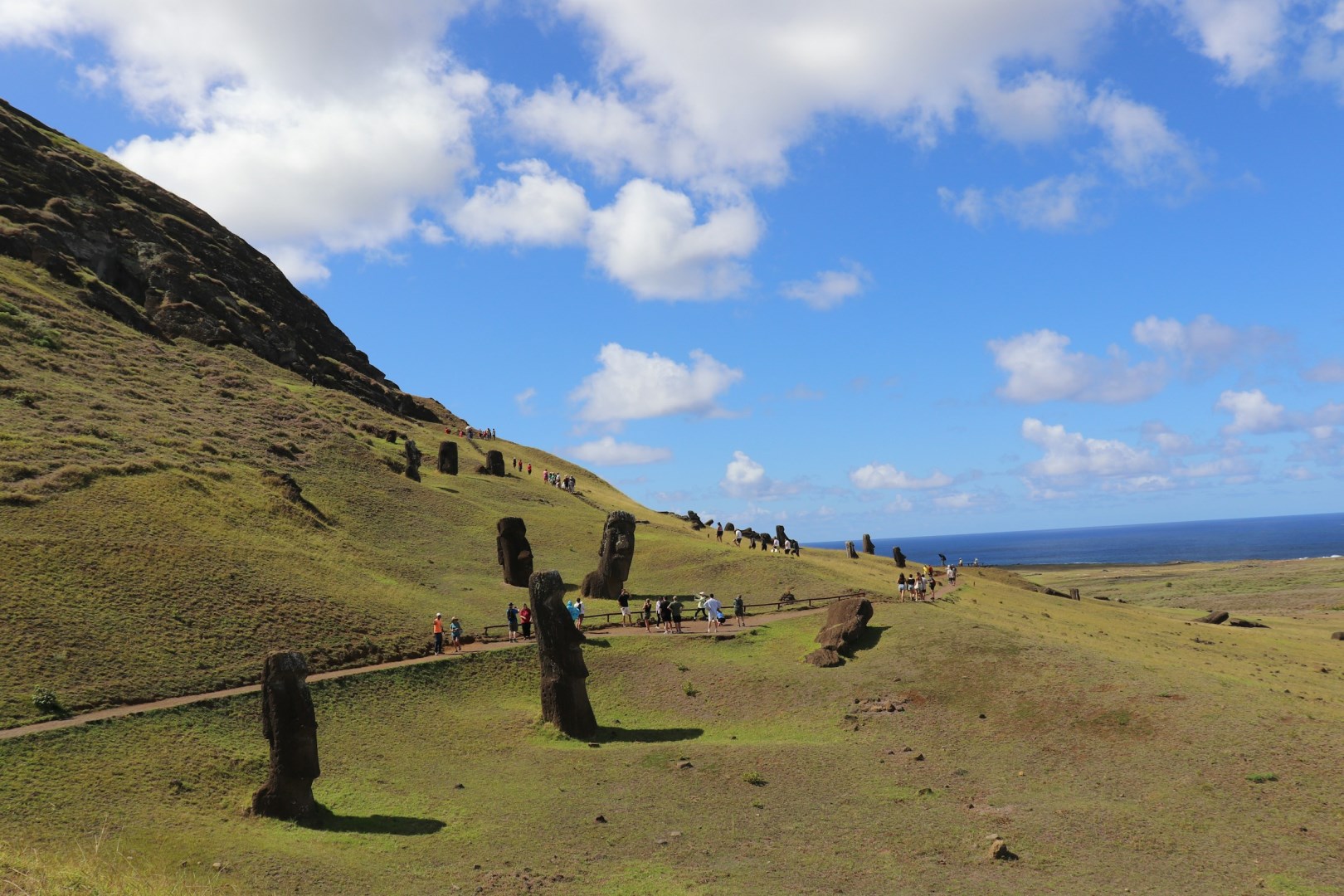
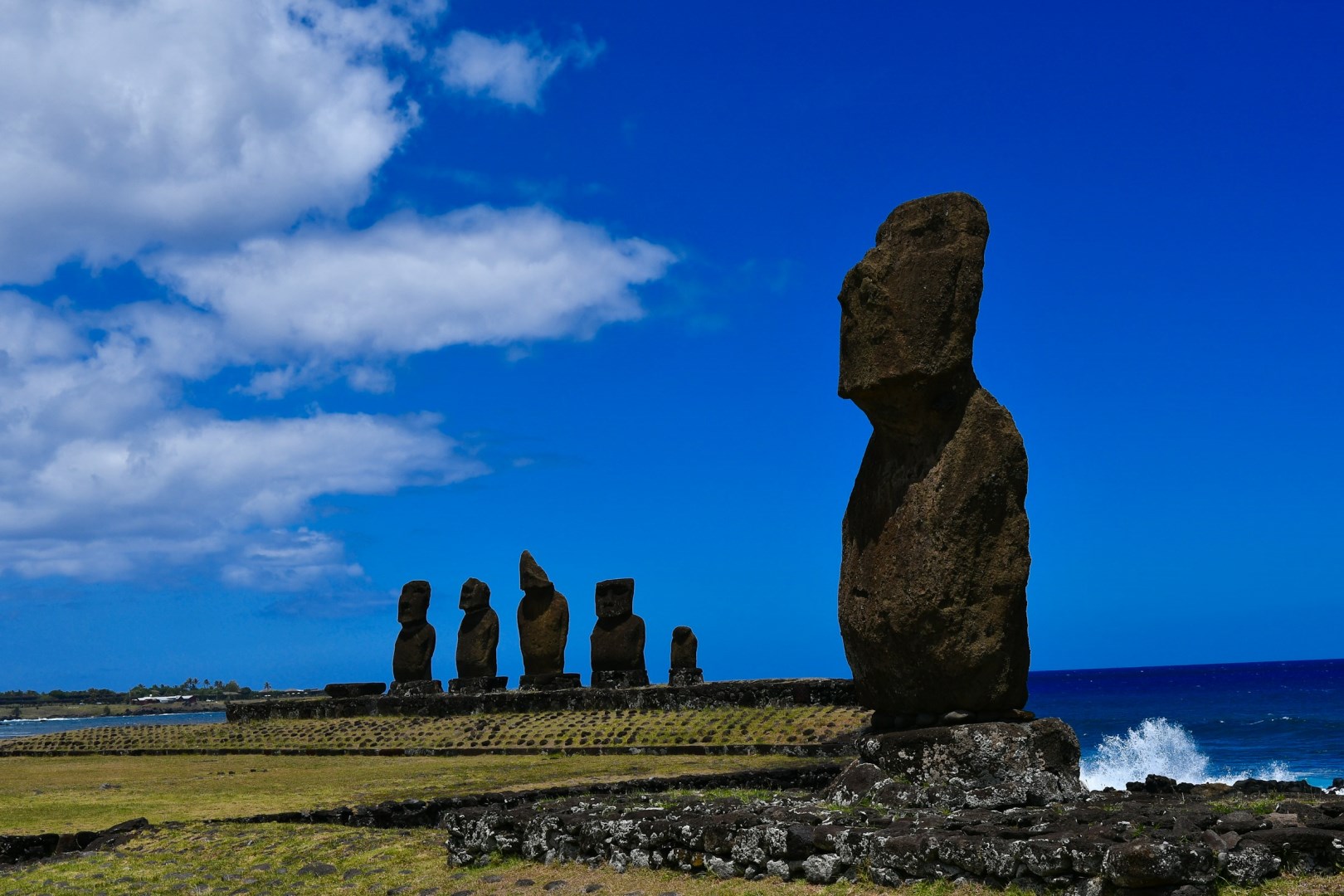
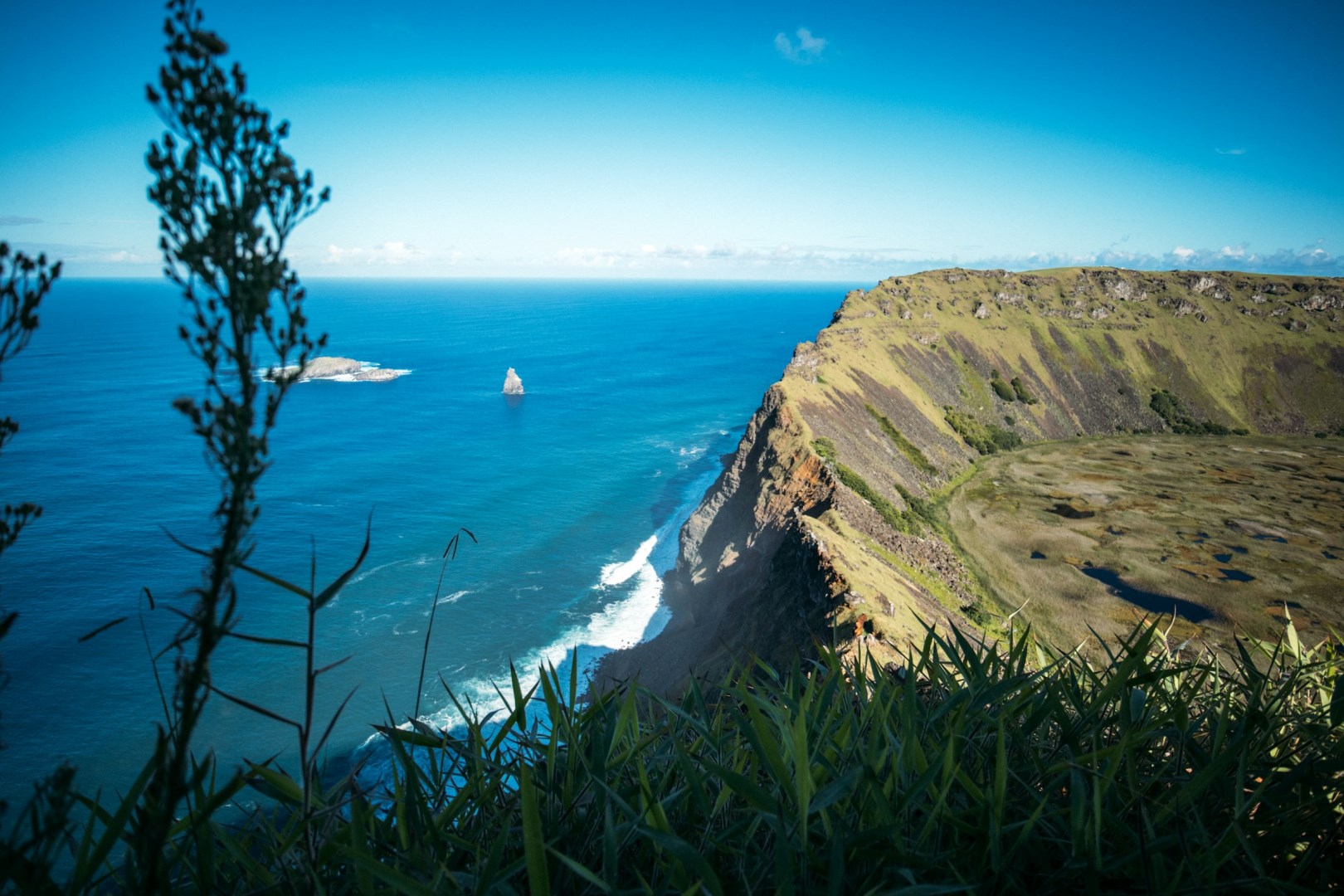
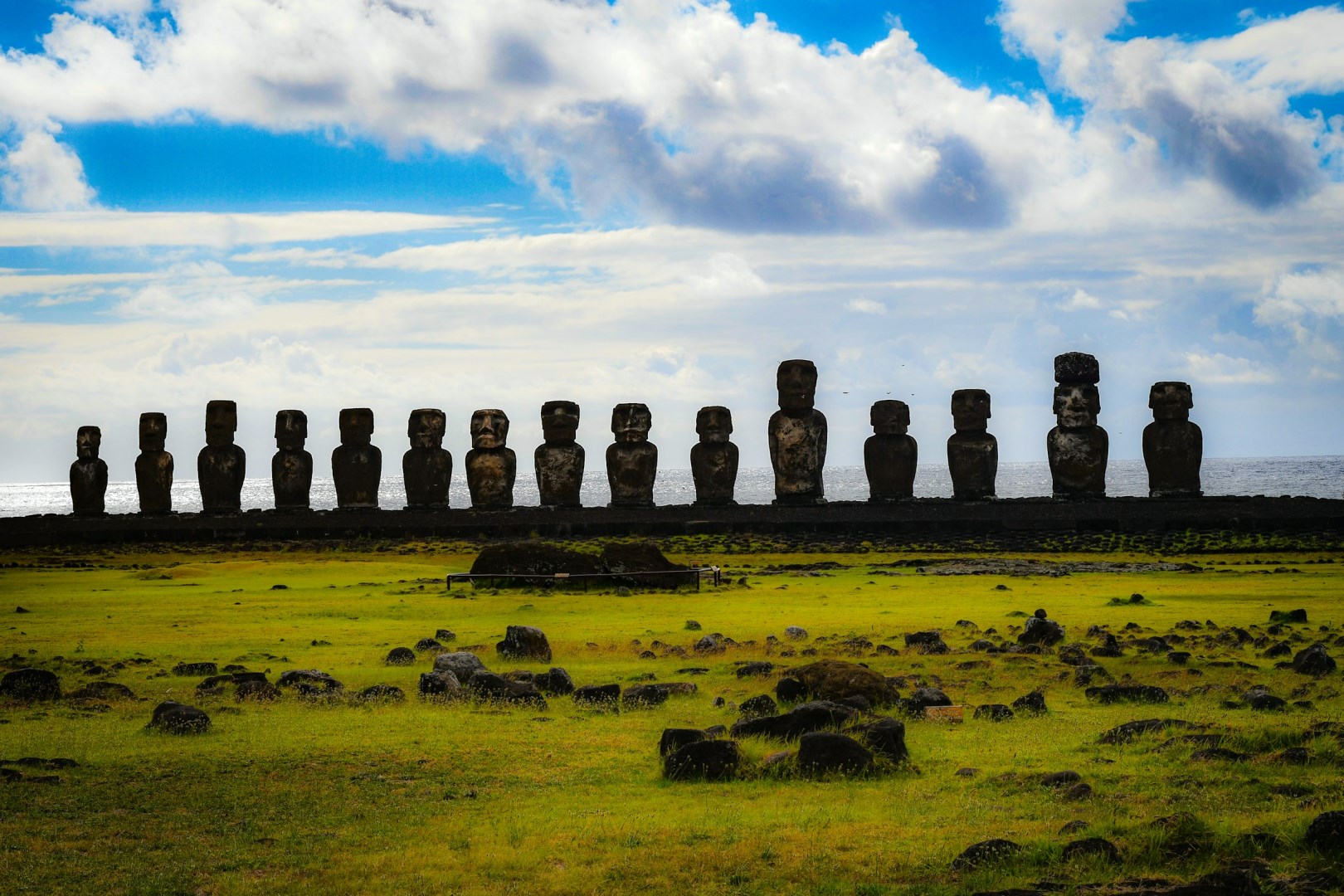
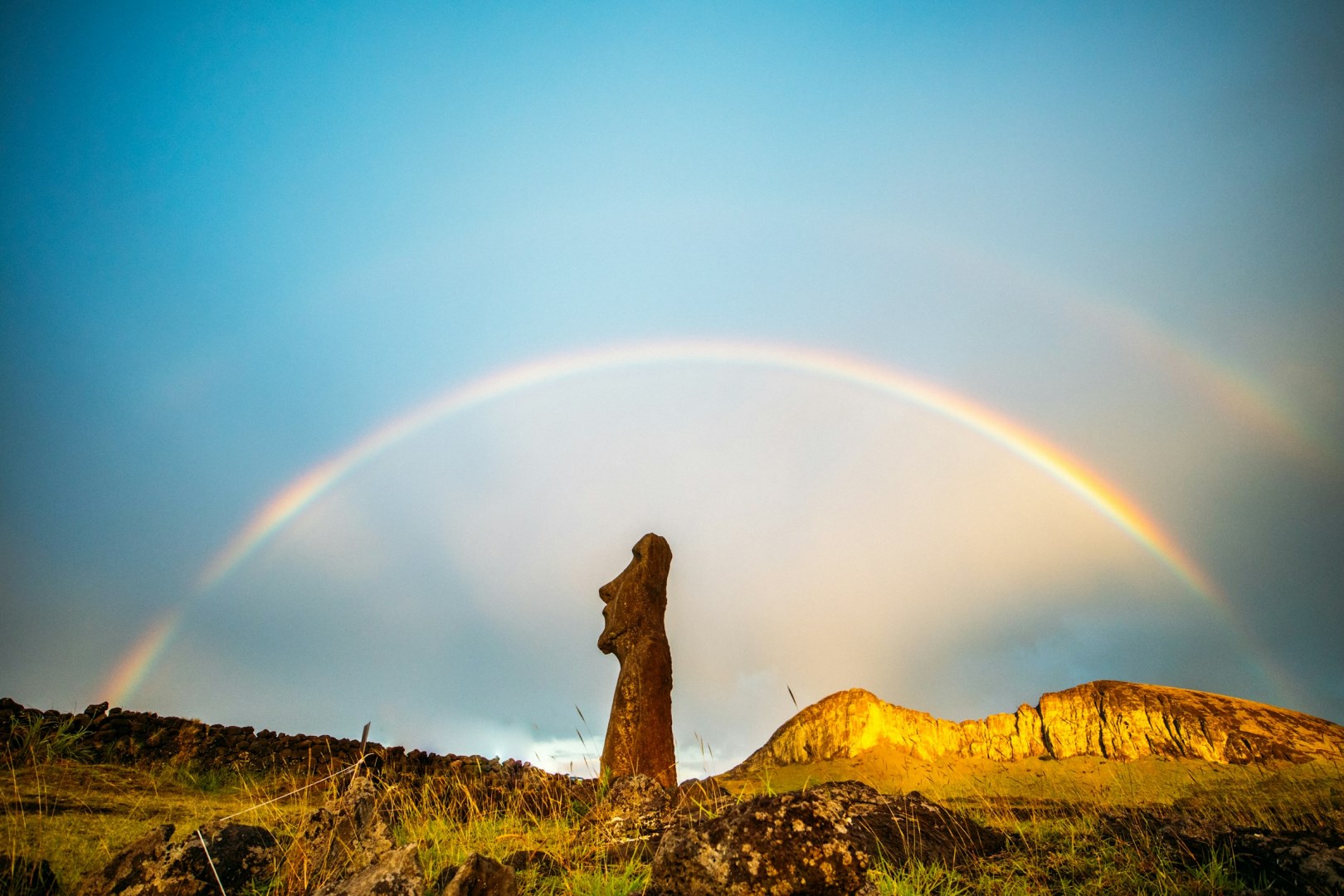
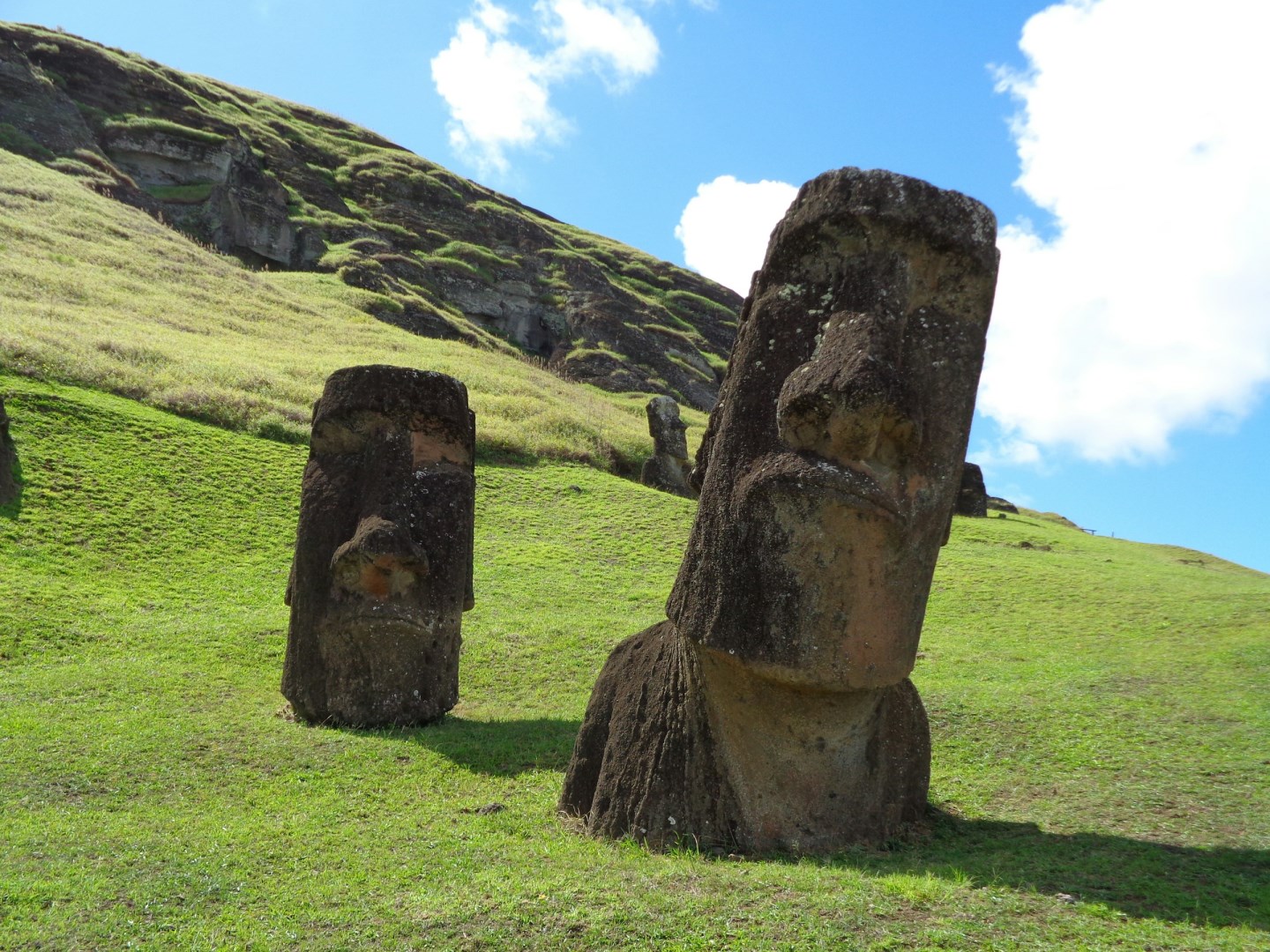
Easter Island, or Rapa Nui, is a remote gem in the southeastern Pacific Ocean that promises an extraordinary journey into the mysteries of Polynesian culture and history. Famous for its monumental stone statues known as moai, Easter Island captivates visitors with its enigmatic past. These colossal statues, crafted between 1400 and 1650 AD, are scattered across the island and are a testament to the islanders' sophisticated artistry and social organization. The moai can be explored at various archaeological sites, such as Rano Raraku, the quarry where these statues were carved, and Ahu Tongariki, which boasts the island’s largest moai platform with 15 statues.
The island’s rich cultural heritage is also on display at the Rapa Nui National Park, a UNESCO World Heritage Site that encompasses most of the island’s archaeological treasures. Visitors can delve into the island's history at the Museo Antropológico Sebastián Englert, which houses artifacts and exhibits on the island's unique Polynesian culture and the history of the moai statues. The island’s traditional dance and music performances offer an immersive experience into the local customs and traditions, with vibrant, rhythmic performances that bring the island’s cultural tapestry to life.
Natural beauty complements the historical allure of Easter Island. The island features stunning landscapes, including the volcanic craters of Rano Kau and the lush scenery of the island’s interior. The beaches of Anakena, with their white sand and turquoise waters, provide a perfect spot for relaxation and swimming. Hiking enthusiasts can enjoy trails leading to panoramic views from the island’s volcanic peaks or explore hidden caves and lava tubes.
Fun fact: Easter Island is one of the most remote inhabited islands in the world, situated over 2,000 miles (3,200 kilometers) from the nearest continental landmass, making it a true journey to the edge of the world.
Other Popular Destinations in Chile
Santiago
Flanked by the Chilean Coast Range and the snowy Andes, Chile's largest metropolis offers a dazzling array of sights and attractions for visitors to pursue. Mirrored skyscrapers, 16th-century churches, hip cafes, dance clubs... and did we mention the delicious Chilean cuisine?
Puerto Natales
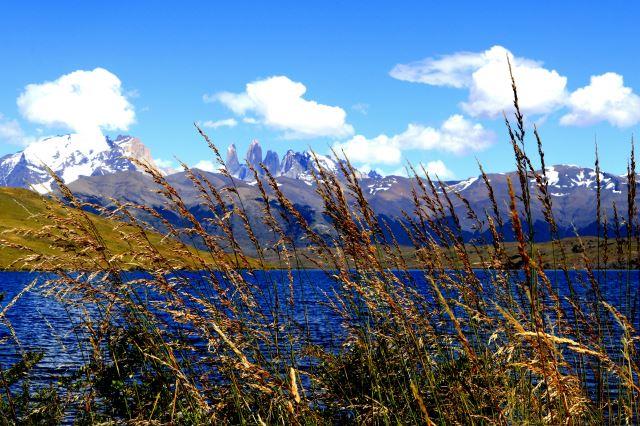
Puerto Natales sits at the head of the Ultima Esperanza Sound in southern Chile, serving as the gateway to Patagonia’s dramatic landscapes.