Big Sur, California, is where dramatic cliffs meet the vast Pacific, creating a stunning landscape that feels almost otherworldly. Stretching for about 90 miles along California's Highway 1, this iconic coastal region offers some of the most breathtaking views in the world, with the rugged Santa Lucia Mountains rising up from the ocean to create a panorama that has captivated artists, writers, and nature lovers for generations.
The capital of Crete, Heraklion is a Greek port city and a popular stop on Mediterranean and Greek cruises. The city is an historical marvel, replete with archaeological wonders and remnants of the region's past. Highlights include the Heraklion Archaeological Museum, the Rocca a Mare Fortress, the Venetian Loggia, and just past the city limits, the Palace of Knossos.
Castries, St. Lucia's capital and a busy port city, is an idyllic Caribbean wonderland. Tourists will find craft and fruit markets, photo-ready murals and a general cozy charm here. One must-do activity is getting to the top Morne Fortune (Hill of Good Luck) to drink in the lovely panoramic views. Be sure to visit the museum at Derek Walcott Square, and soak up the sun on Vigie Beach!
Shirley Heights, perched high above English Harbour on Antigua’s southern coast, is one of the island’s most iconic viewpoints. Once a military lookout and signal station during the 18th century, it played a key role in guarding the British naval base at Nelson’s Dockyard.
Located on the coast of Sinaloa, Mexico, Mazatlán is a trendy resort town with spectacular beaches and thrilling nightlife. Centro Histórico (Old Town) and Plazuela Machado are replete with colorful, newly-restored neoclassical buildings.
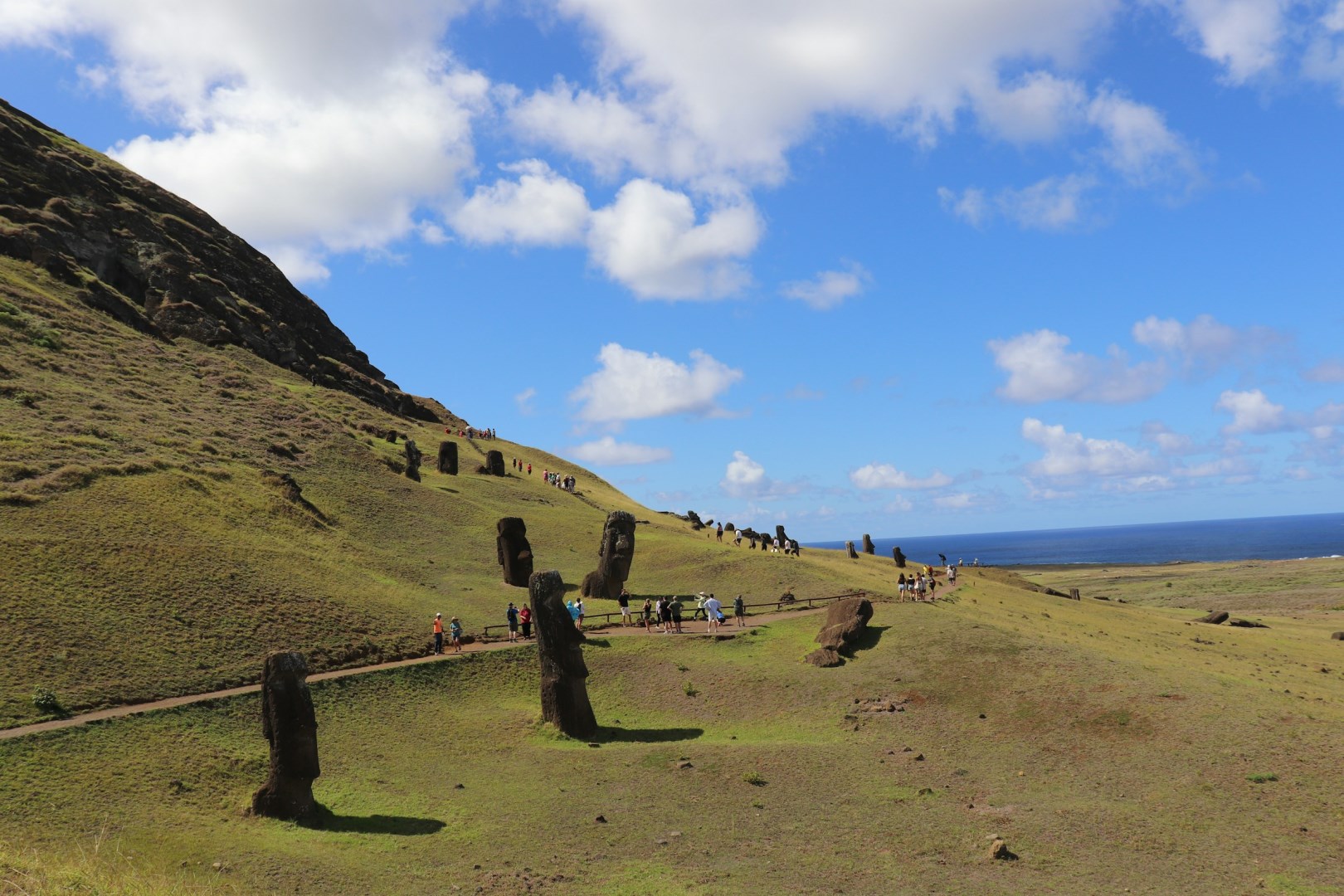
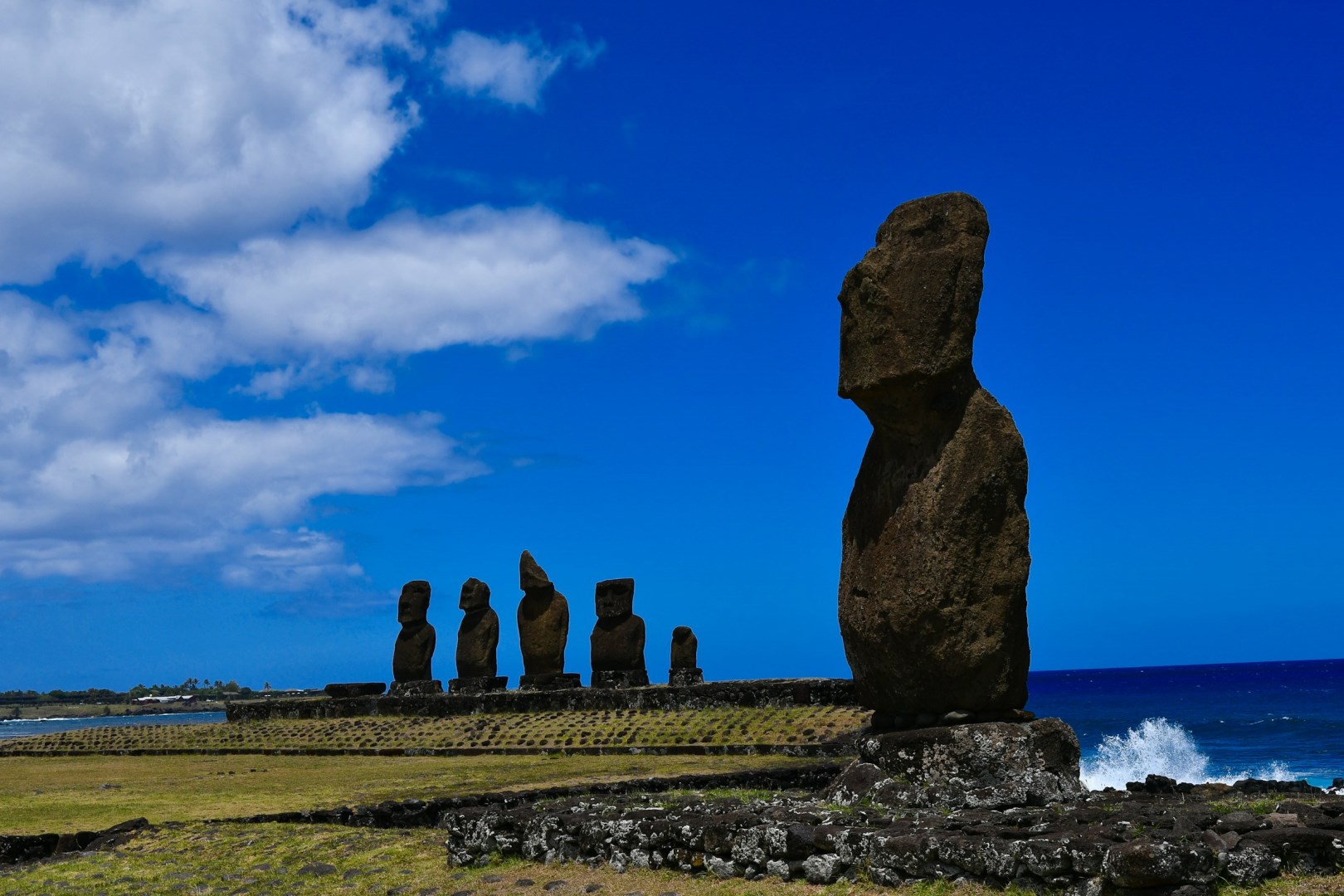
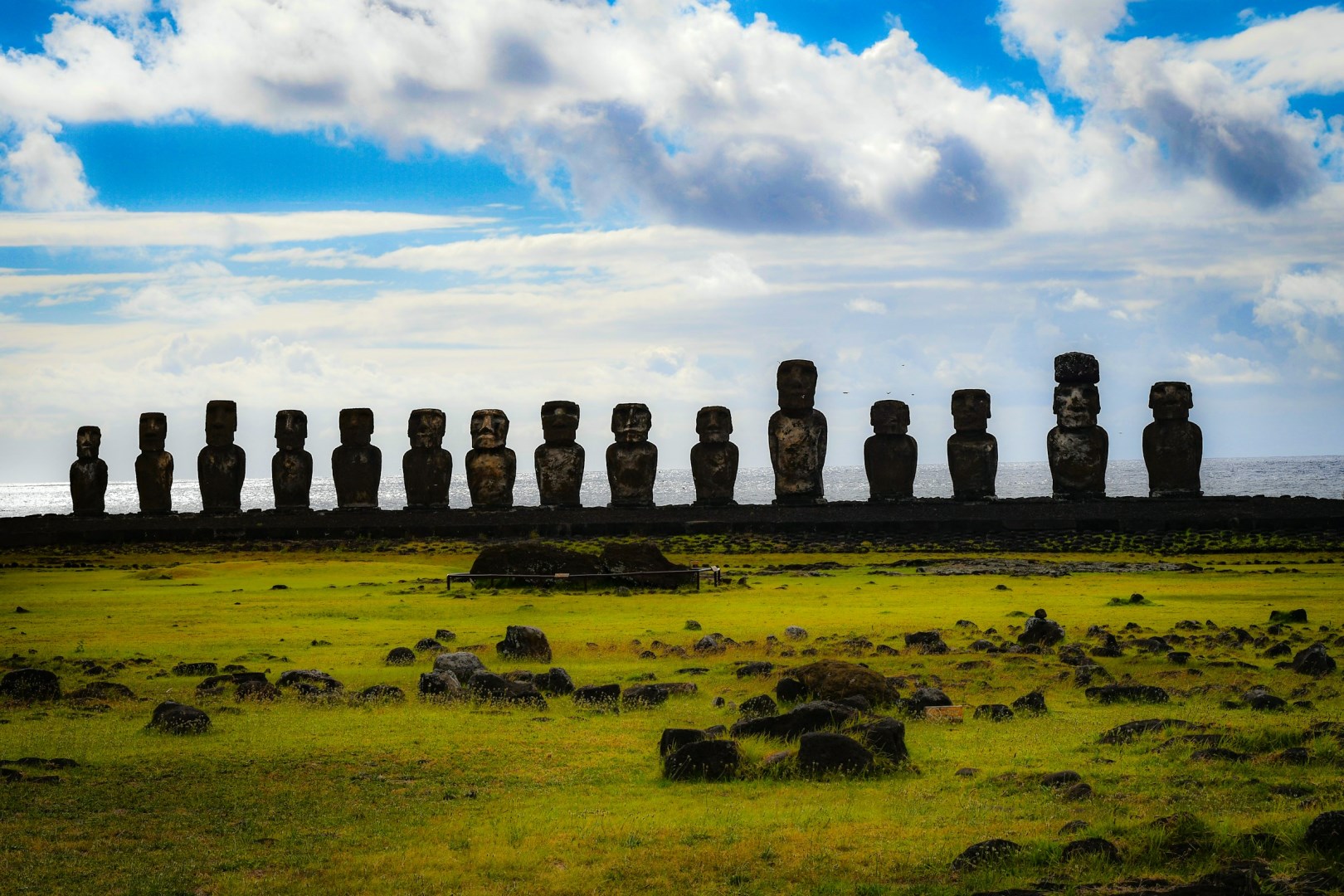
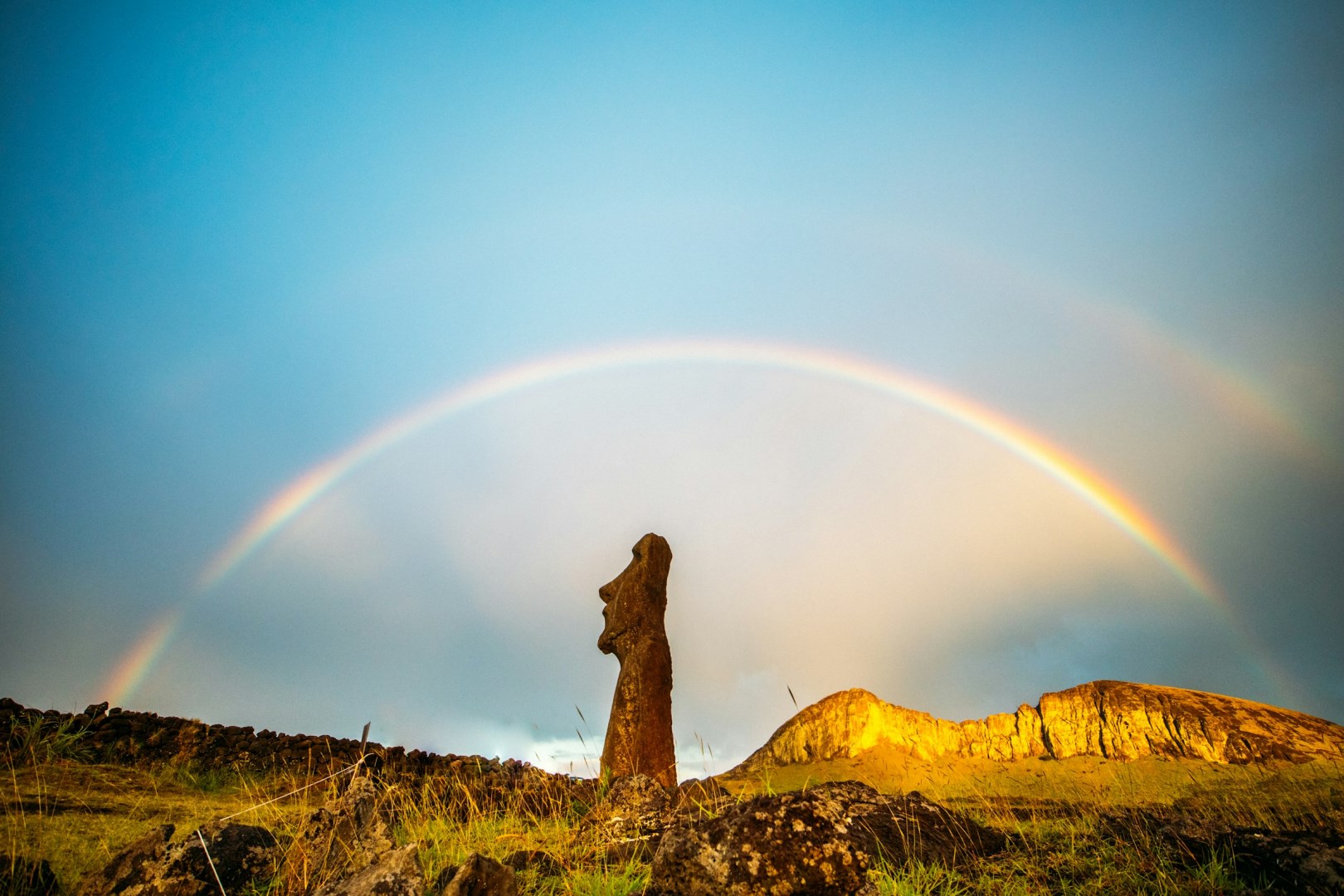
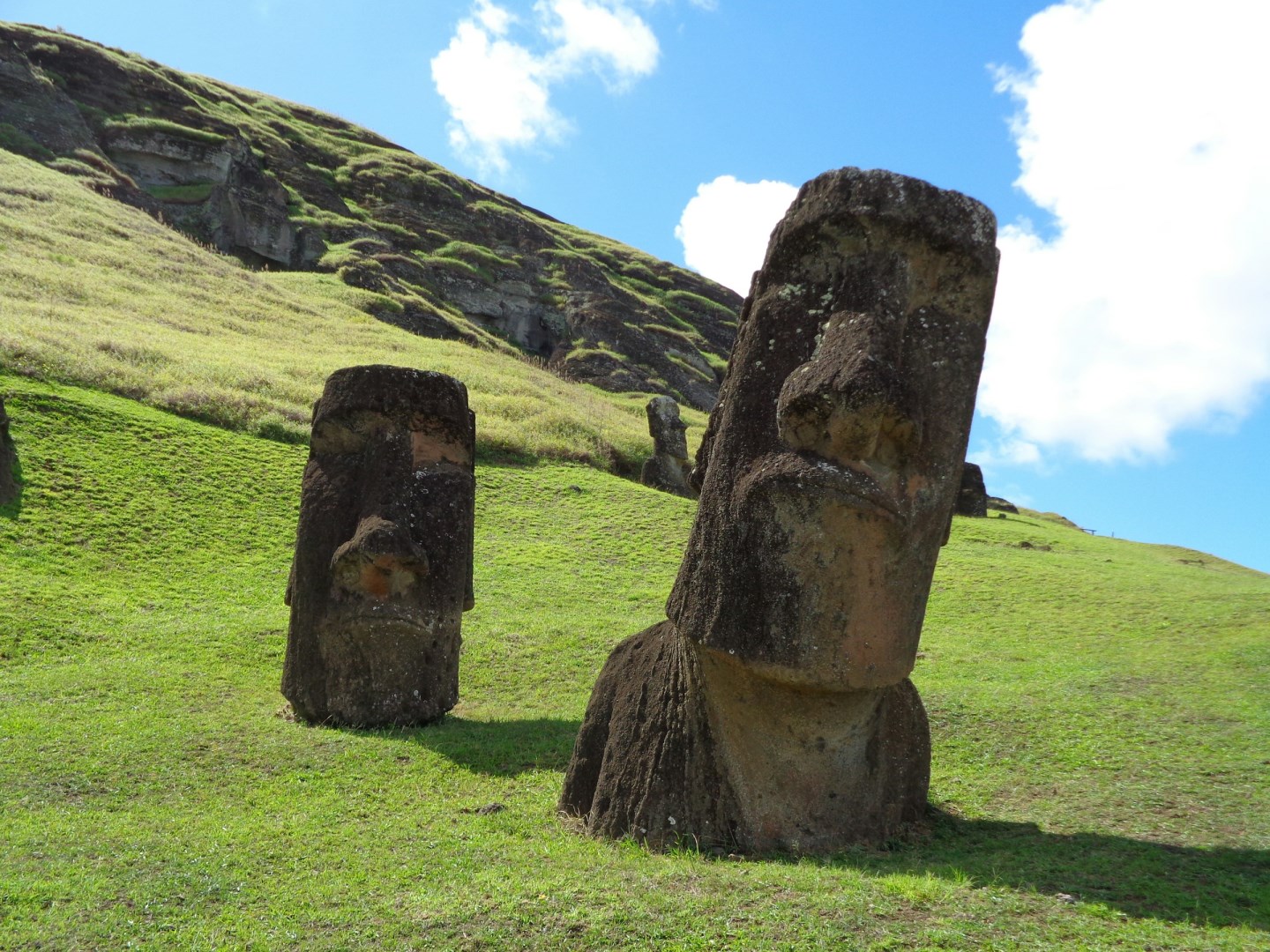
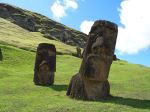
Easter Island, or Rapa Nui, is a remote gem in the southeastern Pacific Ocean that promises an extraordinary journey into the mysteries of Polynesian culture and history. Famous for its monumental stone statues known as moai, Easter Island captivates visitors with its enigmatic past. These colossal statues, crafted between 1400 and 1650 AD, are scattered across the island and are a testament to the islanders' sophisticated artistry and social organization. The moai can be explored at various archaeological sites, such as Rano Raraku, the quarry where these statues were carved, and Ahu Tongariki, which boasts the island’s largest moai platform with 15 statues.
The island’s rich cultural heritage is also on display at the Rapa Nui National Park, a UNESCO World Heritage Site that encompasses most of the island’s archaeological treasures. Visitors can delve into the island's history at the Museo Antropológico Sebastián Englert, which houses artifacts and exhibits on the island's unique Polynesian culture and the history of the moai statues. The island’s traditional dance and music performances offer an immersive experience into the local customs and traditions, with vibrant, rhythmic performances that bring the island’s cultural tapestry to life.
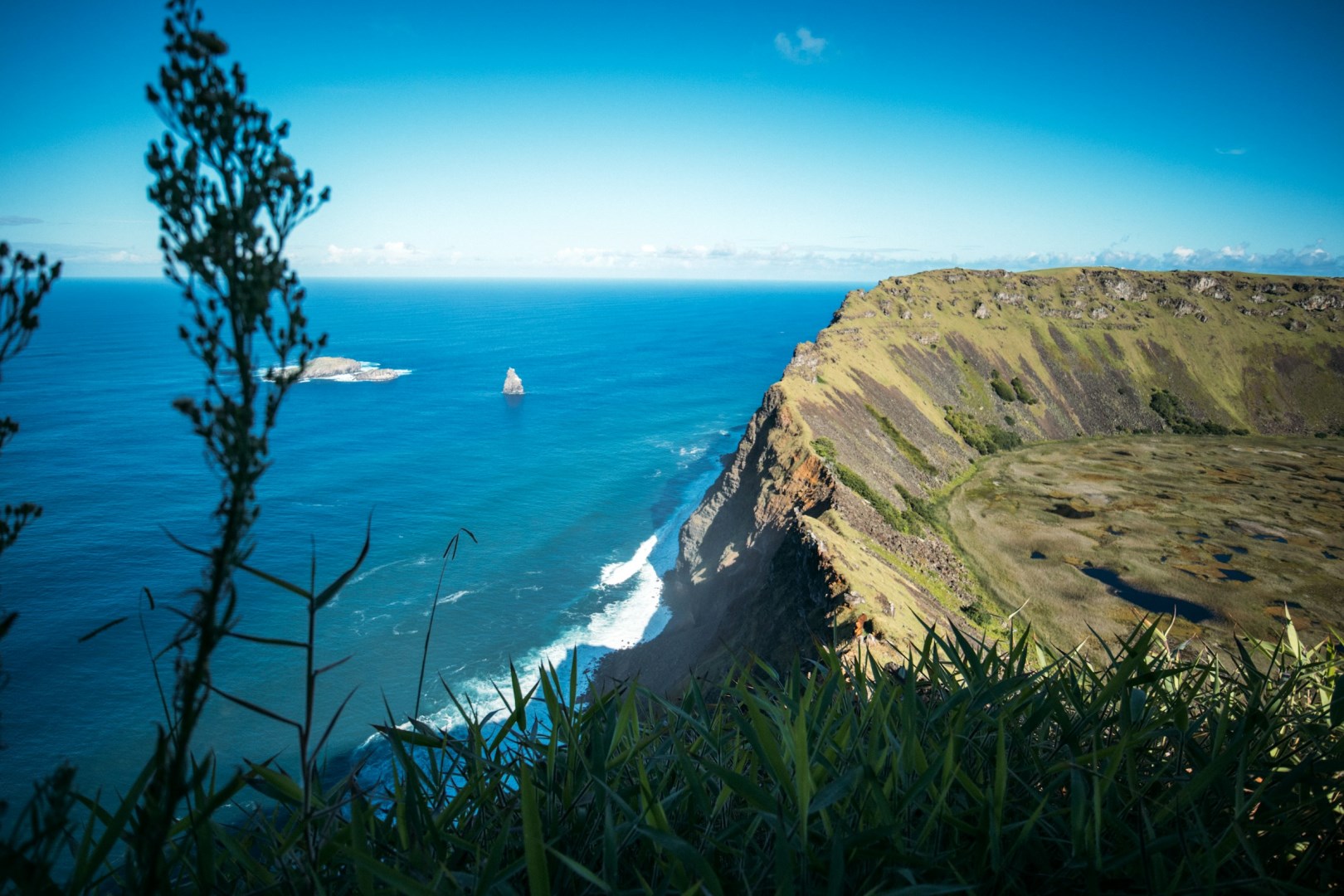
Natural beauty complements the historical allure of Easter Island. The island features stunning landscapes, including the volcanic craters of Rano Kau and the lush scenery of the island’s interior. The beaches of Anakena, with their white sand and turquoise waters, provide a perfect spot for relaxation and swimming. Hiking enthusiasts can enjoy trails leading to panoramic views from the island’s volcanic peaks or explore hidden caves and lava tubes.
Fun fact: Easter Island is one of the most remote inhabited islands in the world, situated over 2,000 miles (3,200 kilometers) from the nearest continental landmass, making it a true journey to the edge of the world.