
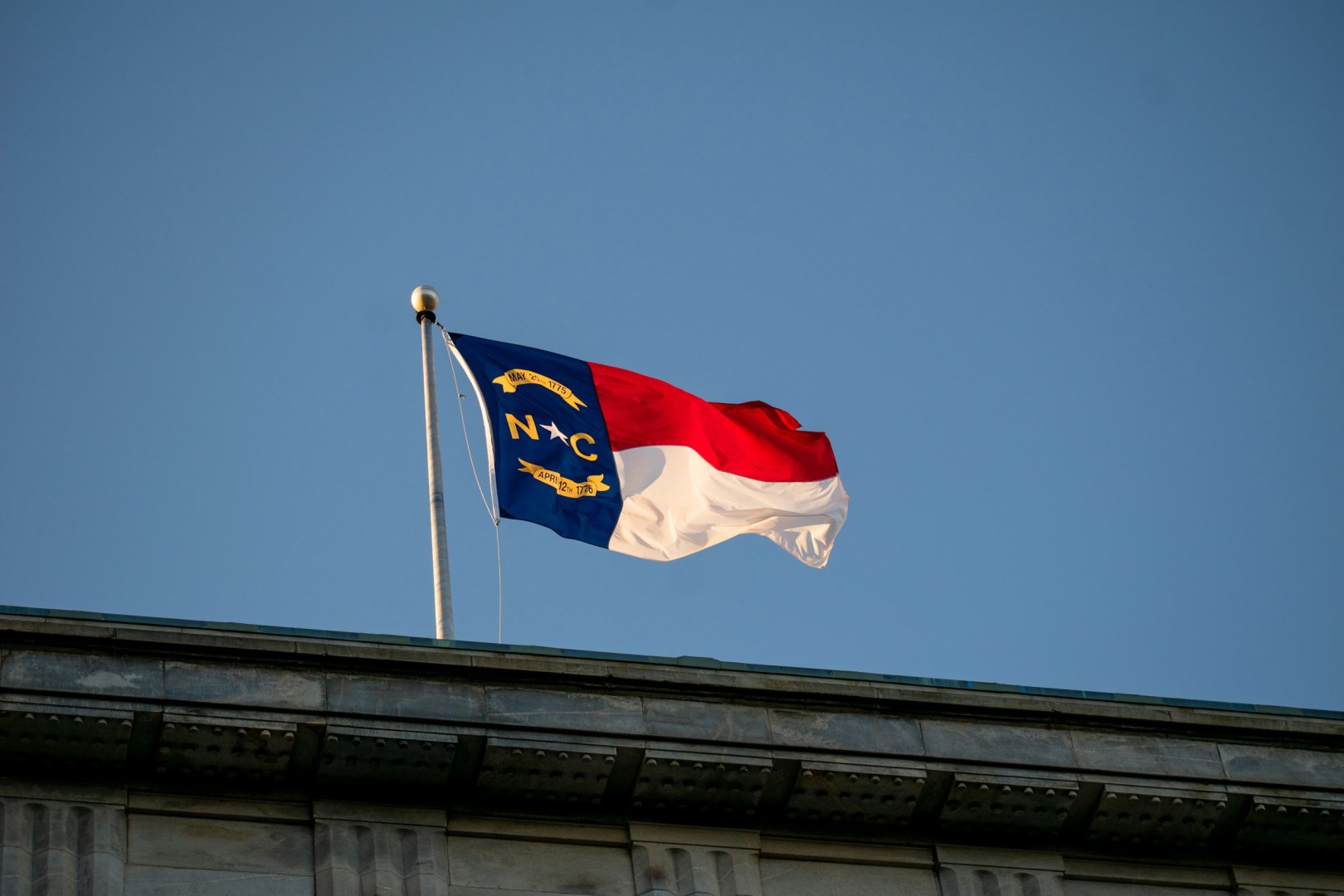
Raleigh
Raleigh is the capital of the state of North Carolina; located in the east central part of the state. It is home of the largest research park in the country, Research Triangle Park. Visit some of Raleigh's many universities, parks, museums and galleries, including the North Carolina Museum of History and the North Carolina Museum of Art
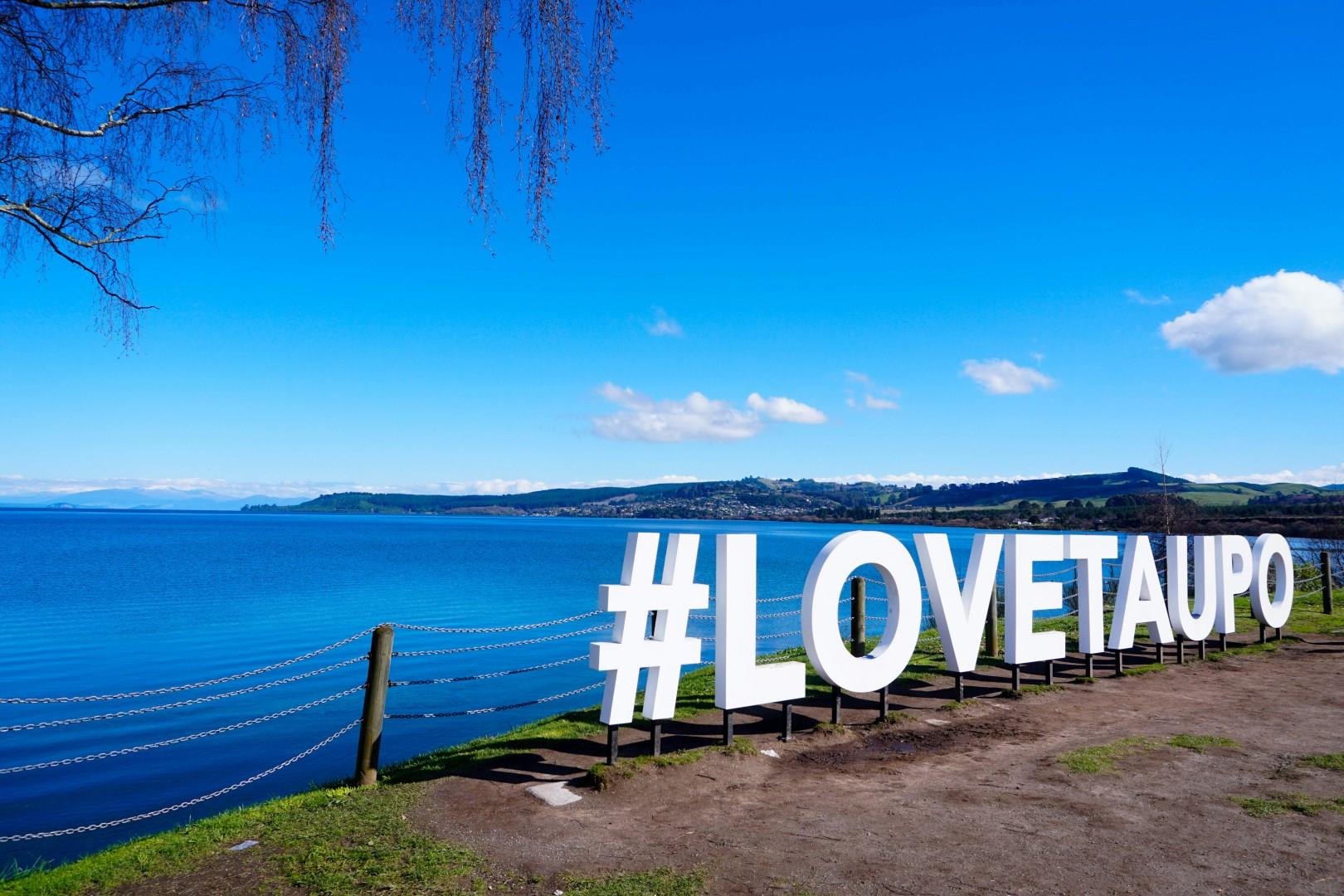
Taupo
Taupō, located in the heart of New Zealand’s North Island, is built along the shores of Lake Taupō, which is the largest freshwater lake in Australasia, formed nearly two thousand years ago by a massive volcanic eruption. That eruption was so powerful, it was recorded in ancient Chinese and Roman texts, even though it occurred halfway across the world. Today, the lake is calm, clear, and central to life in the region, offering everything from trout fishing to kayaking and lakeside cycling.

Basel
Basel is the global center of the pharmaceutical industry, but most travelers visit for the world-famous ART Basel festival, as well as the numerous art galleries, iconic architecture and museums.
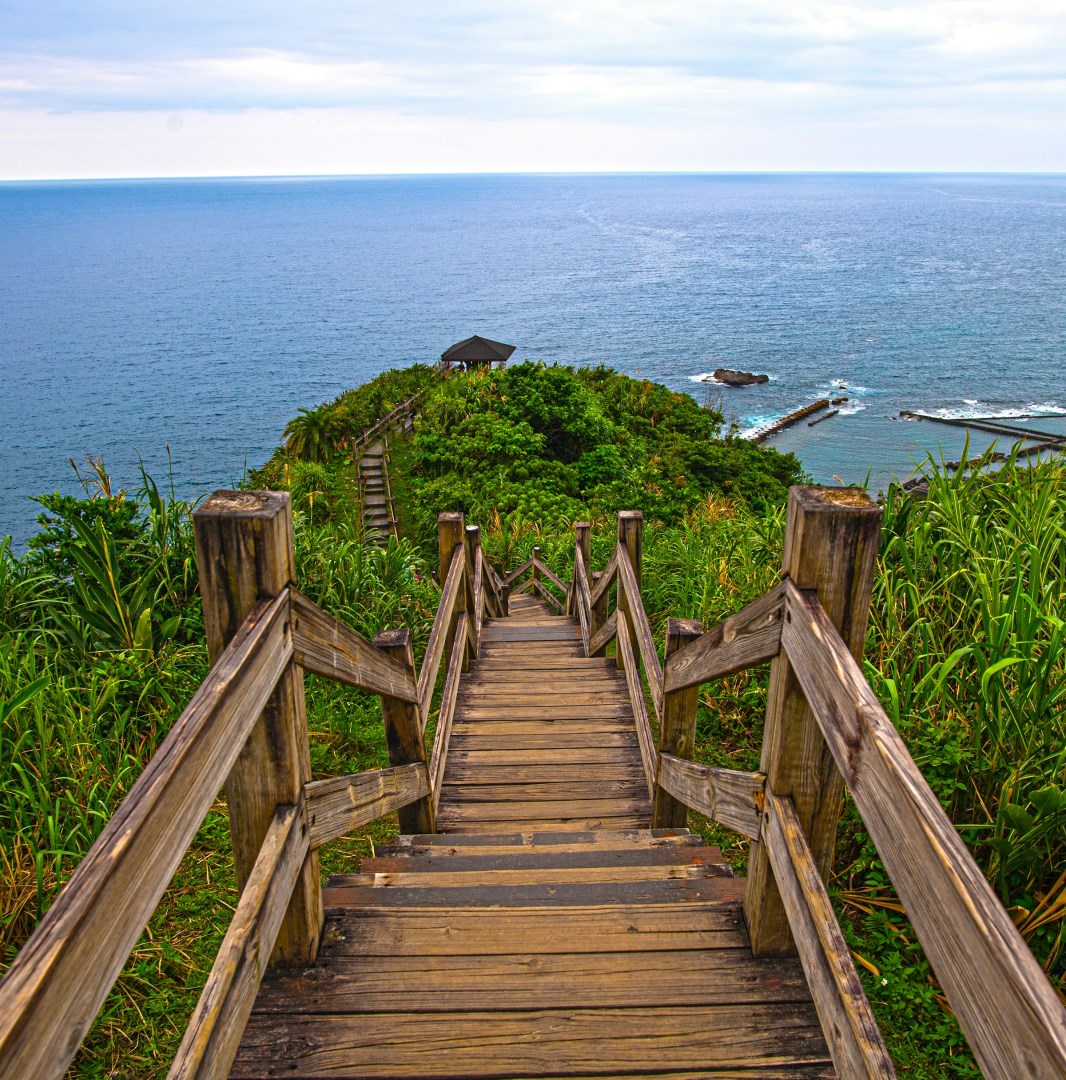
Hualien
Nestled between the Pacific Ocean and the towering Central Mountain Range, Hualien, Taiwan offers an enchanting blend of natural beauty and cultural richness. This coastal city is renowned for its proximity to the stunning Taroko Gorge, a marvel of nature where marble canyons and lush vegetation create a dramatic landscape. Visitors can embark on breathtaking hikes along the Swallow Grotto Trail and the Shakadang Trail, each offering spectacular views of waterfalls and unique rock formations.
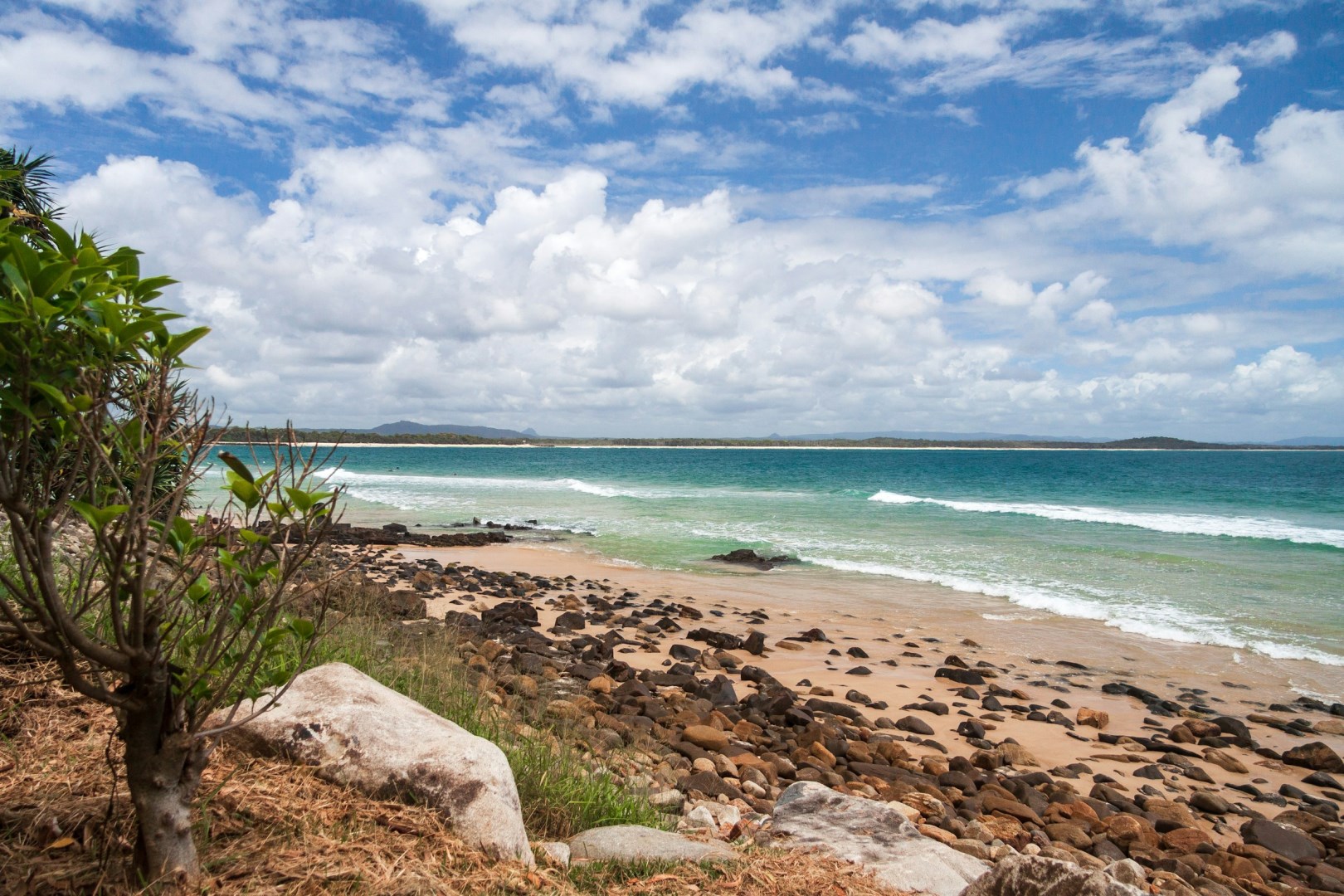
Noosa Heads
Noosa Heads, located on Queensland’s Sunshine Coast, is a coastal town renowned for its pristine beaches, lush hinterland, and relaxed yet sophisticated atmosphere. The town sits at the mouth of the Noosa River, where calm waterways meet the Pacific Ocean, creating ideal conditions for swimming, kayaking, and paddleboarding.


