
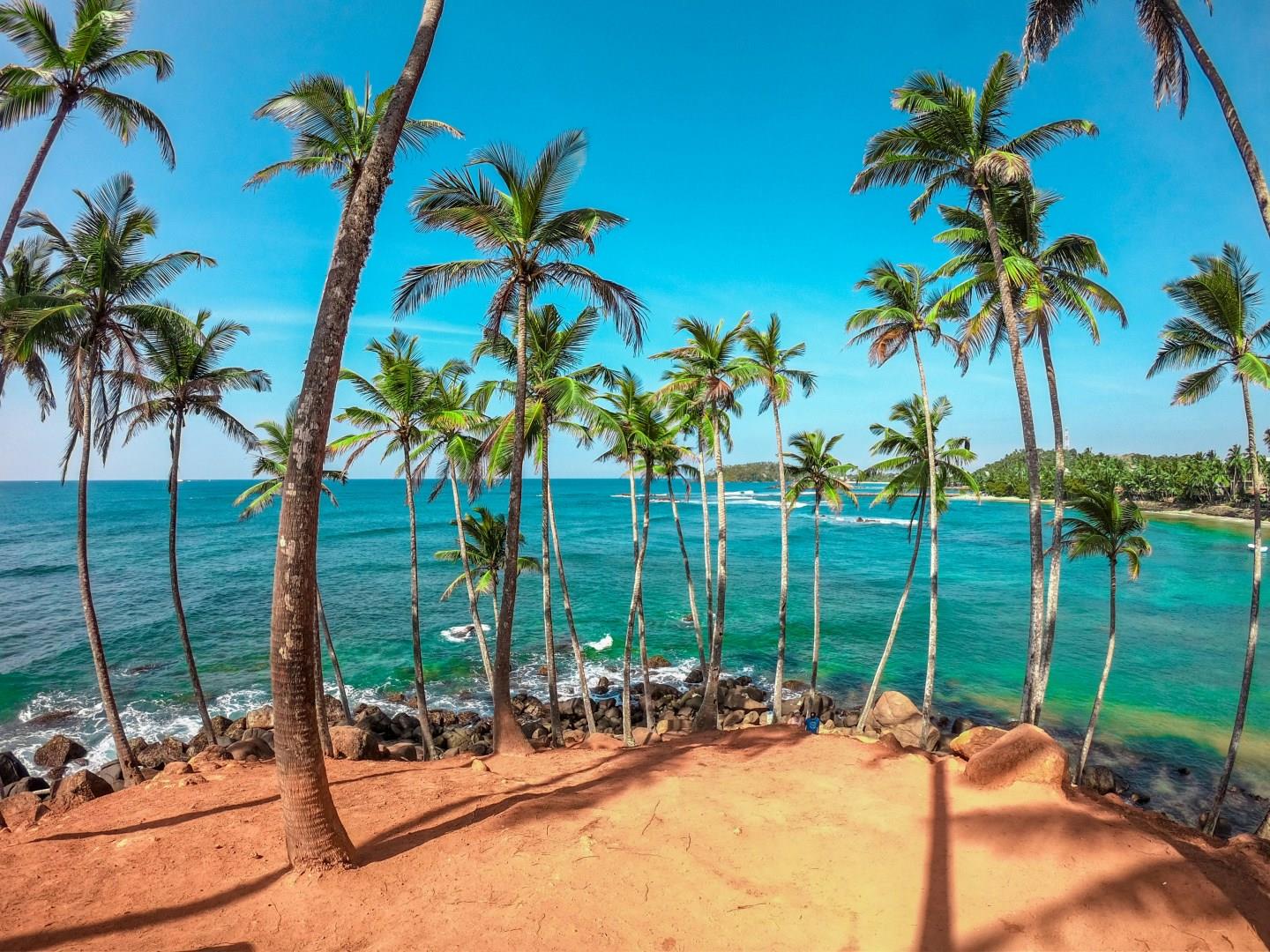
Mirissa
Mirissa, on the southern coast of Sri Lanka, is a seaside town that blends golden beaches, turquoise waters, and a laid-back atmosphere. Known for its crescent-shaped bay fringed with palm trees, it offers one of the island’s most inviting spots for swimming, surfing, and lounging by the sea.

Seattle
Seattle is a city shaped by water, mountains, and innovation. Its skyline, dominated by the Space Needle, tells only part of the story. Beneath it lies a vibrant mix of neighborhoods, each with its own character. Seattle was the birthplace of grunge music and remains a stronghold for independent arts. The Museum of Pop Culture (MoPOP), located at the Seattle Center, celebrates the city’s creative spirit with exhibits on everything from Nirvana and Jimi Hendrix to science fiction and gaming.

Kenya
Kenya, a jewel of East Africa, is a tapestry of vibrant cultures, breathtaking landscapes, and incredible wildlife. Nairobi, the bustling capital, offers a gateway to numerous adventures, from visiting the Giraffe Centre, where you can feed endangered Rothschild’s giraffes, to exploring the Nairobi National Park, where lions roam against a backdrop of city skyscrapers.

Golden Circle
The Golden Circle is Iceland’s premier tourist route, offering a breathtaking journey through some of the country’s most iconic natural wonders. The route typically starts in Reykjavik and circles through Þingvellir National Park, the Geysir geothermal area, and Gullfoss waterfall. At Þingvellir, visitors can stand where the North American and Eurasian tectonic plates meet and explore the site of the world’s oldest parliament, established in 930 AD.
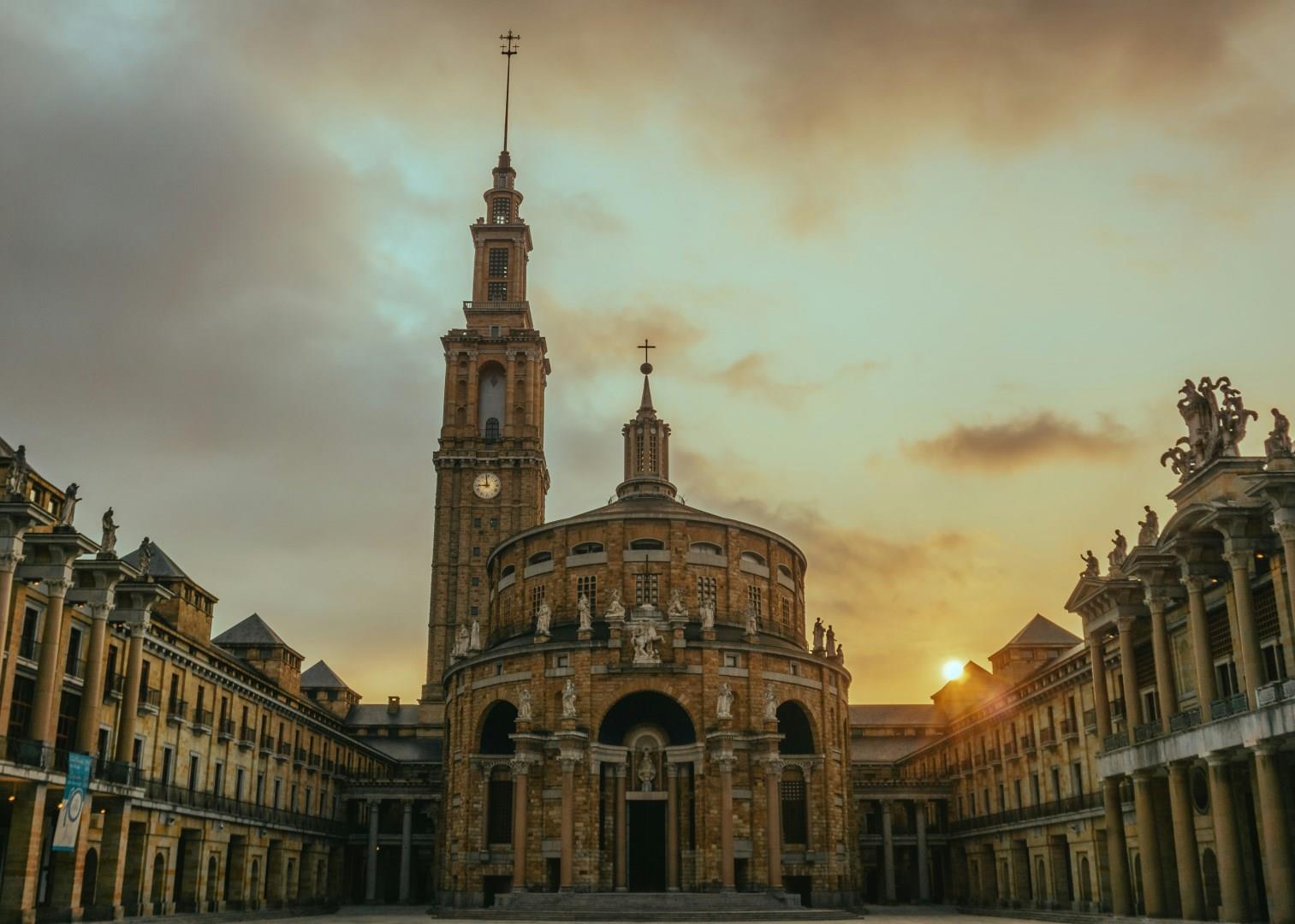
Gijon
Gijón sits on Spain’s northern coast in Asturias, shaped by its long relationship with the Cantabrian Sea. From its origins as a Roman settlement to its later growth as an industrial and port city, Gijón has balanced maritime work with civic life.


