
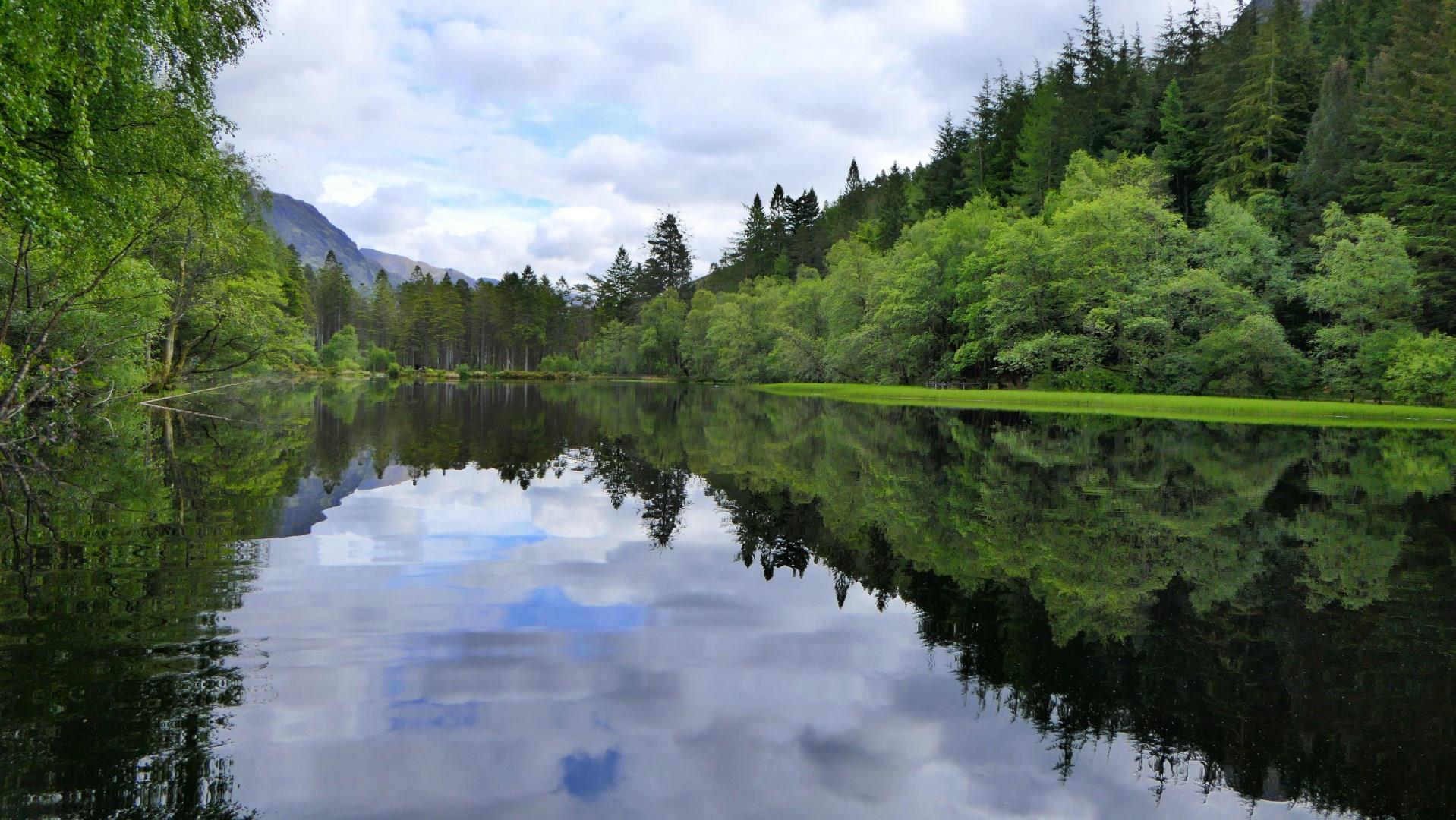
Fort William
Fort William, located on the western edge of the Scottish Highlands, is often referred to as the “Outdoor Capital of the UK,” but there’s more here than rugged landscapes. Ben Nevis draws hikers from across the world, but visitors don’t need to climb to its summit to experience the scenery. Not far from town, Glen Nevis offers film fans a familiar view, scenes from *Braveheart*, *Harry Potter*, and *Highlander* were all filmed in this dramatic valley.

Motril
Motril, Spain, is located near the Guadalfeo River on the Mediterranean coast in the province of Granada. Sugar cane refineries form the backbone of Motril's economy, though tourism is also an essential industry.
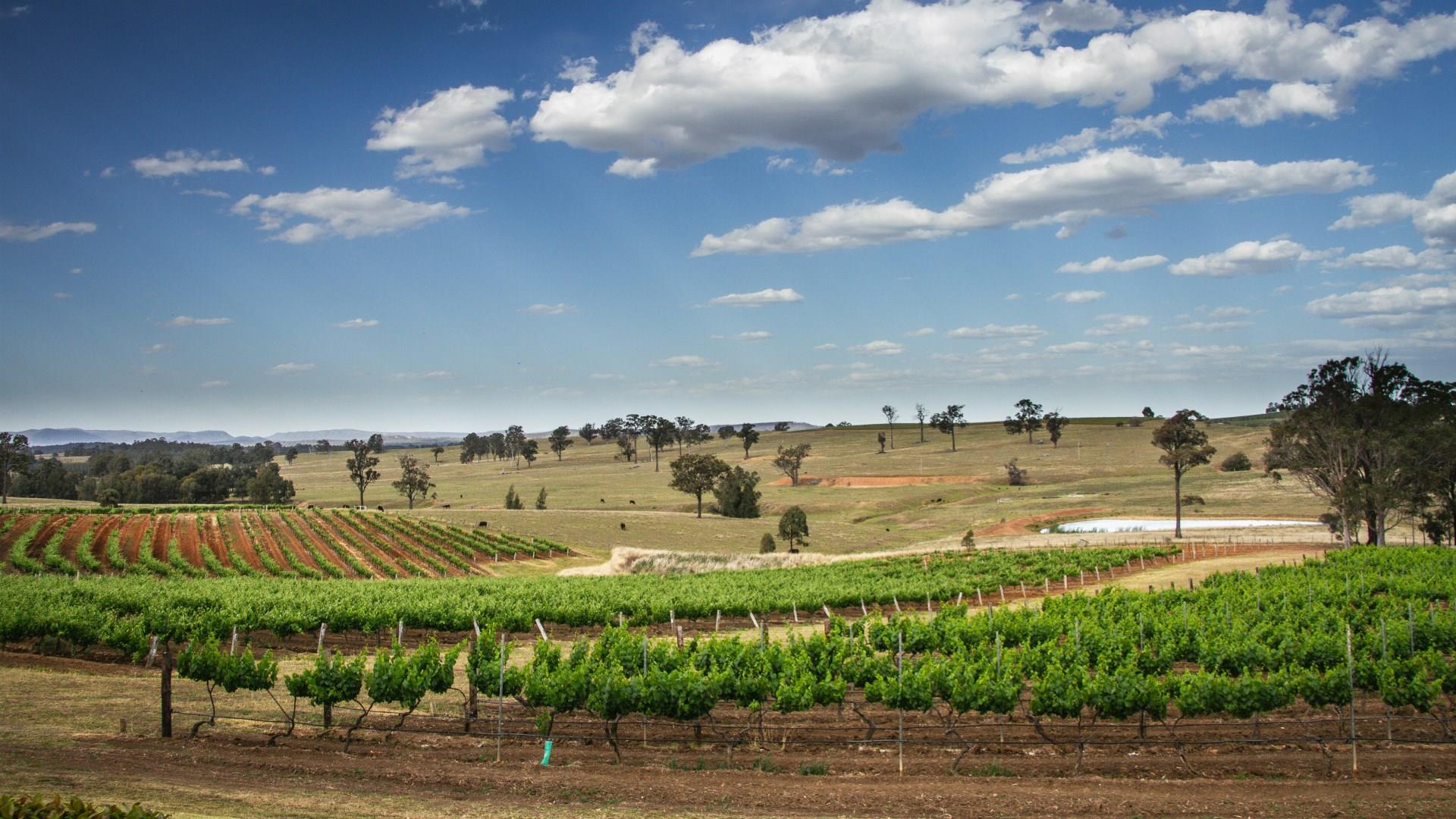
Hunter Valley
Hunter Valley in New South Wales is one of Australia’s oldest and most celebrated wine regions, shaped by European settlement in the early 1800s.
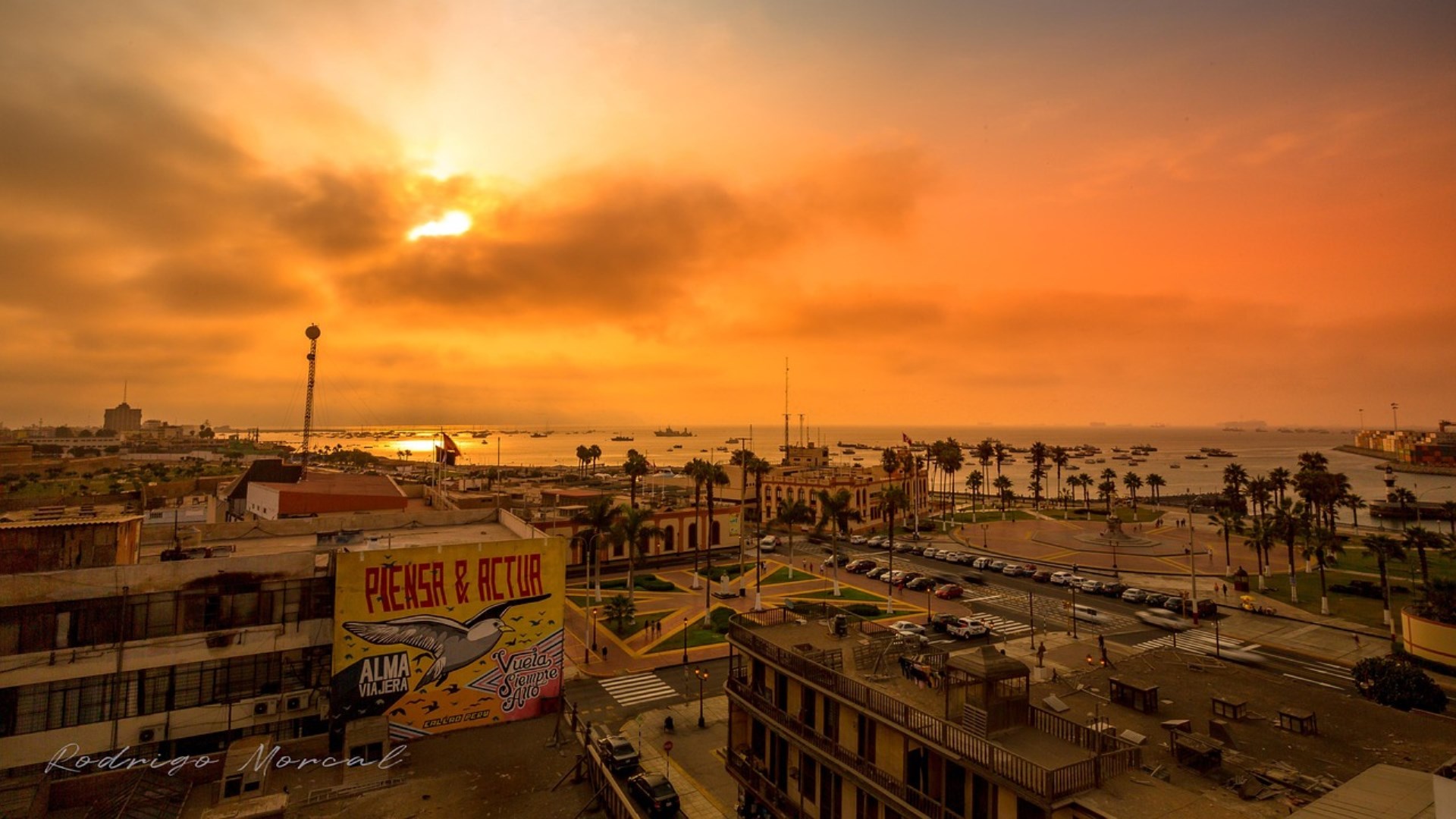
Callao
Callao, Peru, is a city that seamlessly blends its rich maritime heritage with vibrant contemporary culture, making it an enticing destination for travelers seeking both history and adventure. As Peru's main seaport and one of the most important on the Pacific coast of South America, Callao has long been a gateway to the world, with a history dating back to the Spanish colonial era. The city is home to the Real Felipe Fortress, a massive 18th-century structure that once defended the port from pi
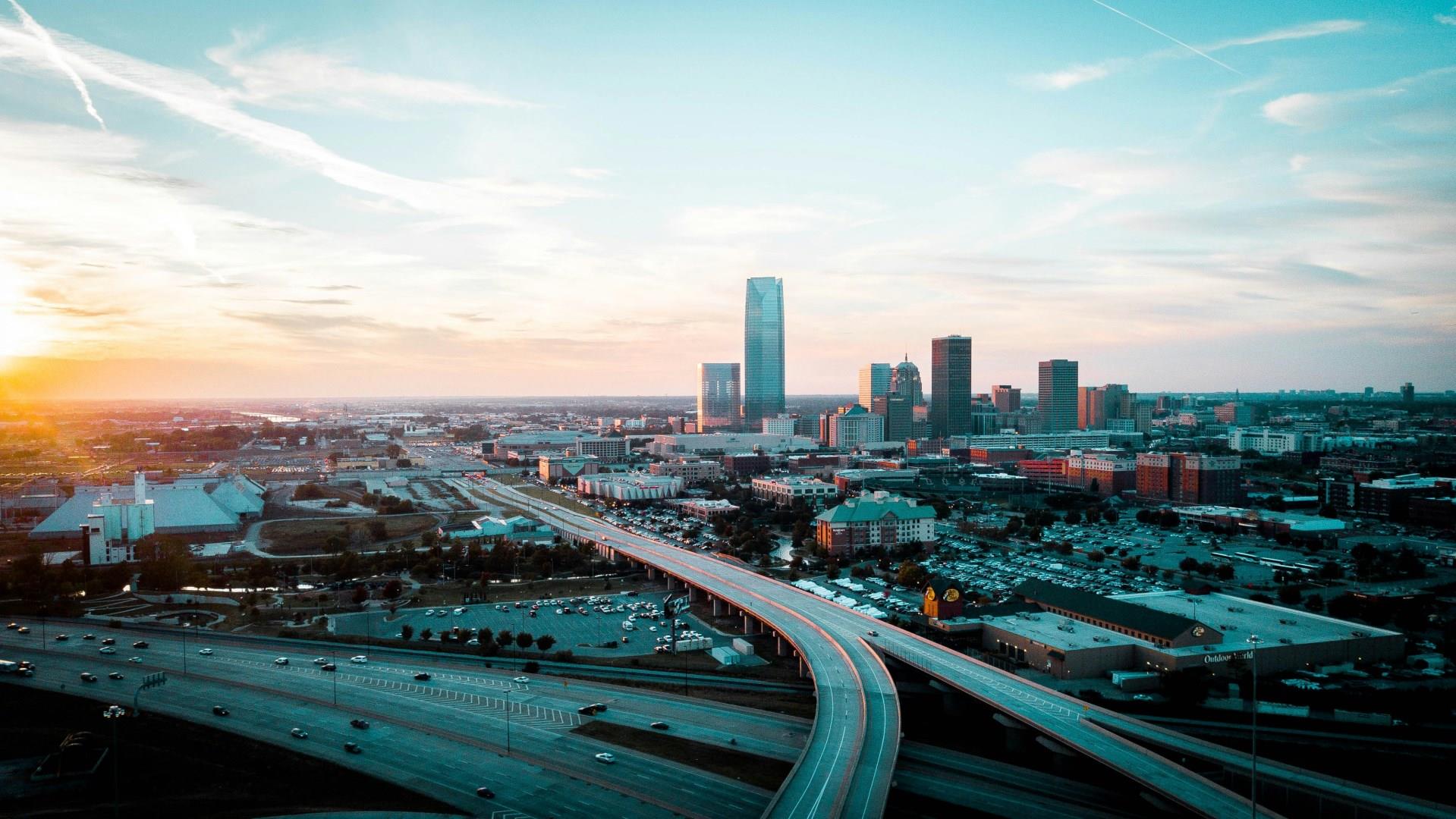
Oklahoma City
Oklahoma City stands at the crossroads of Western tradition and modern energy. It’s a place where cowboy boots walk into sleek coffee shops, and horse shows take place just a few miles from contemporary art galleries. A good starting point is the National Cowboy & Western Heritage Museum, home to one of the largest collections of Western art and artifacts in the world.


