

Netherlands Antilles
The former Netherlands Antilles was a group of Caribbean islands once unified under Dutch administration, dissolved as a political entity in 2010.
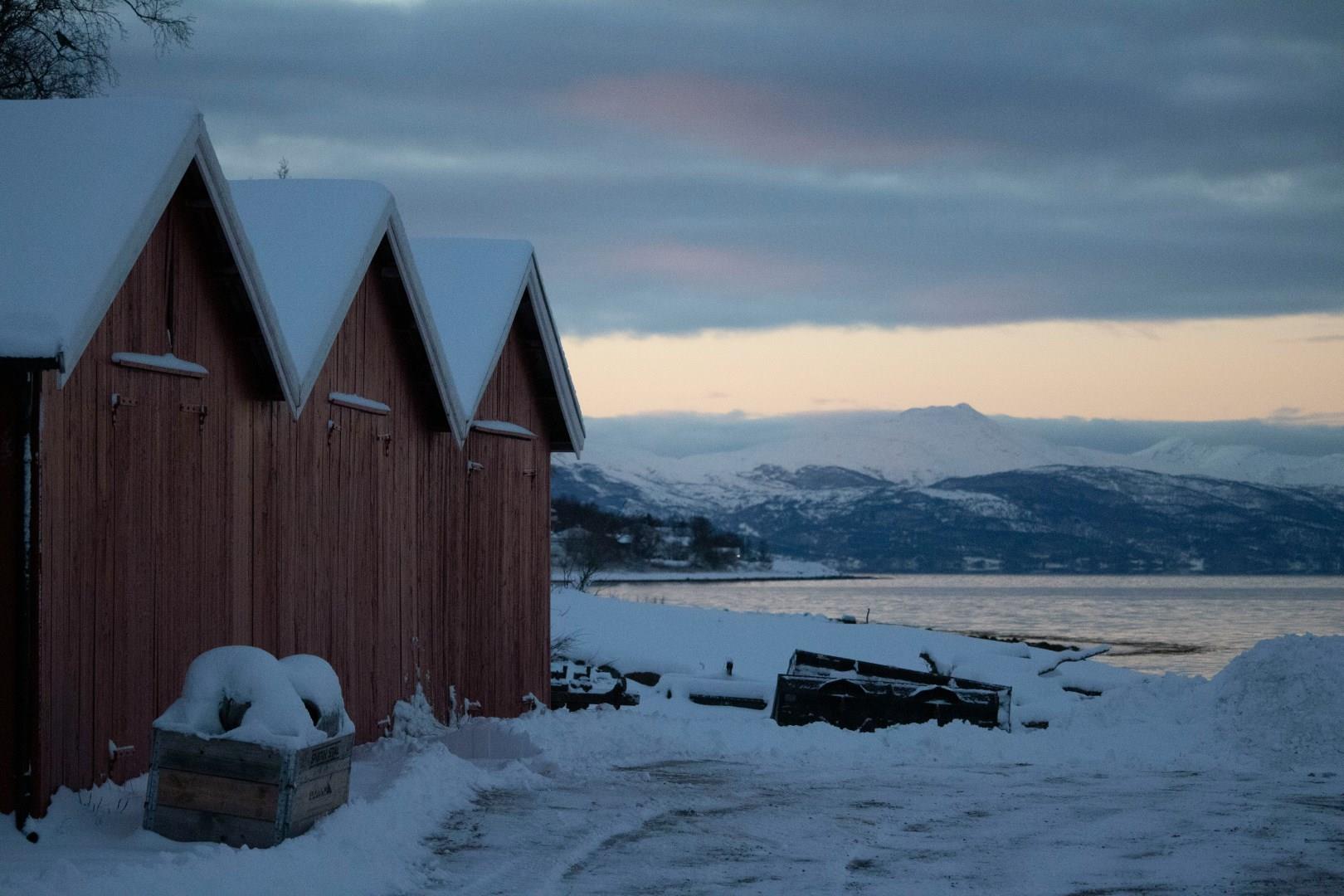
Narvik
Narvik’s most striking features is its natural setting. The town sits between steep fjords and rugged mountains, making it one of the few places in Norway where visitors can ski with ocean views. Narvikfjellet, the local mountain resort, operates in both winter and summer. During the colder months, it's popular for alpine skiing and northern lights viewing; in summer, the gondola runs for hikers and photographers eager to take in views of the Ofotfjord from the summit.

Aalborg
Aalborg is the fourth largest city in Denmark and constitutes a natural center for the North Jutland region. In addition Aalborg is Denmark's largest conference center, outside Copenhagen. Aalborg has many cultural attractions which appeal to a wide variety of tastes; a varied night-life and more than 300 restaurants, bars and clubs.

Puerto Rico
Puerto Rico, an unincorporated territory of the United States, is a Caribbean island rich in history, culture, and natural diversity. Its capital, San Juan, is a vibrant hub where centuries-old Spanish forts, pastel-colored colonial buildings, and lively plazas tell the story of the island’s complex past.

Geneva
Geneva is a cosmopolitan metropolis proud of her traditions. It is the international meeting place of many worldwide organizations including the United Nations and W.H.O. The symbol of the city, the Jet D'Eau is located on the picturesque lake which is surrounded by the splendid gardens and parks. The elegant city has an astonishing variety of boutiques and department stores filled with every imaginable item.


