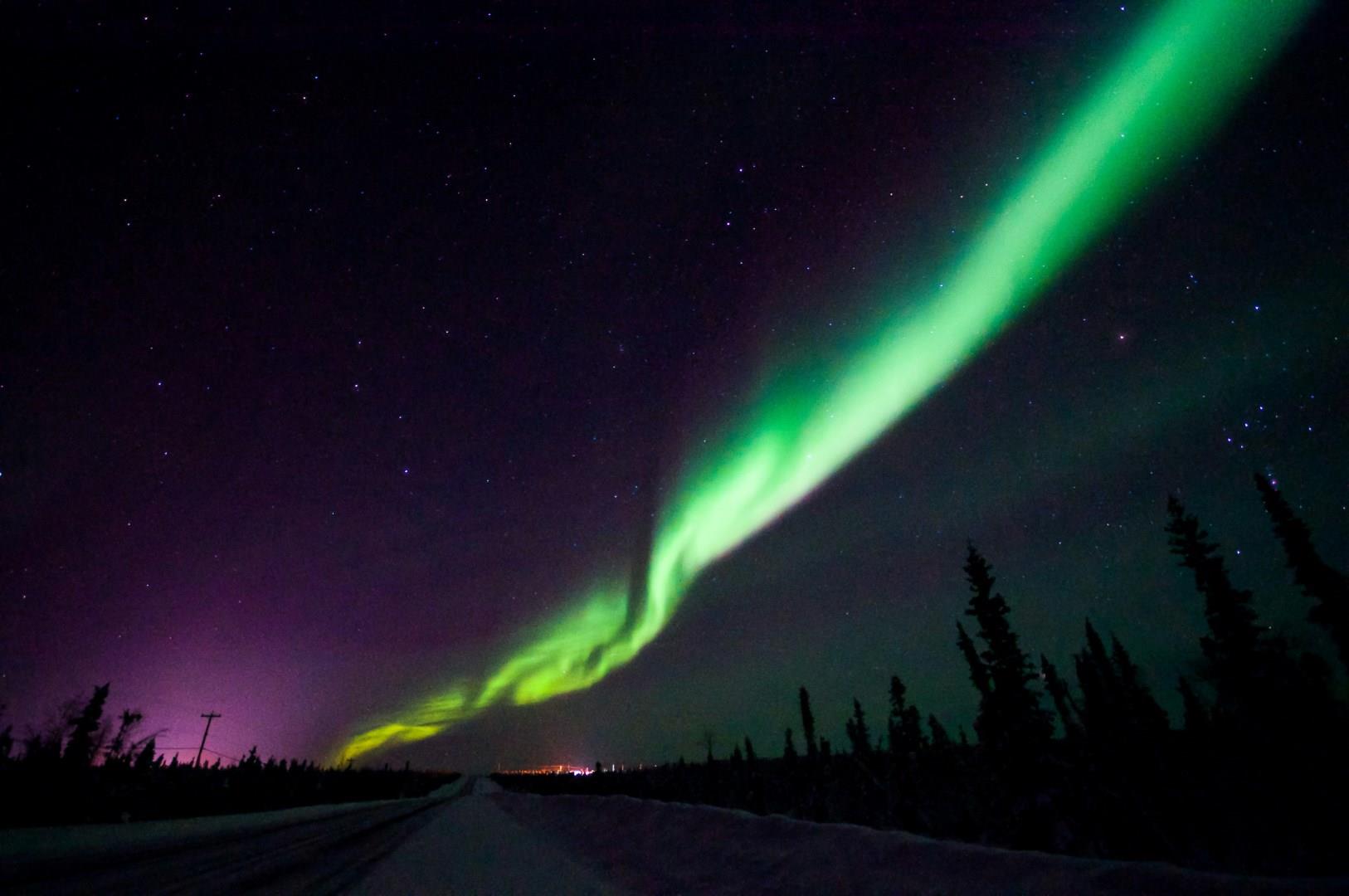
Inuvik
Summer in Inuvik brings the surreal experience of the Midnight Sun where the region experiences 56 days of continuous daylight from late May through mid-July. This natural phenomenon creates ideal conditions for exploring the dramatic tundra landscape and the nearby Mackenzie River Delta, one of the largest in North America. Adventurers can paddle through winding channels, spot migratory birds, or visit Tuktoyaktuk via the Inuvik-Tuktoyaktuk Highway.
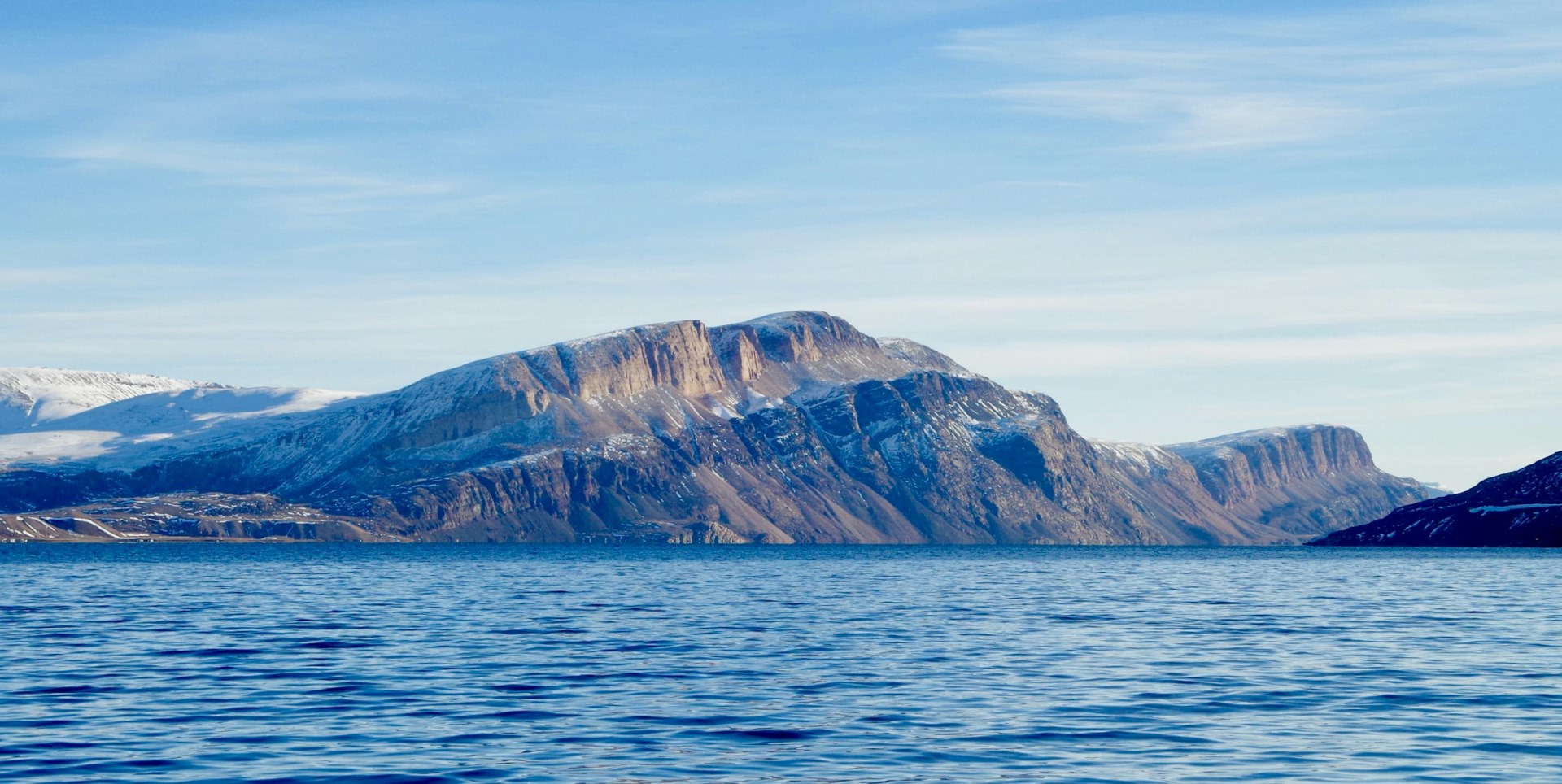
Arctic Bay
Arctic Bay is a small Inuit community on the northern coast of Baffin Island in Nunavut, situated beside Adams Sound in a landscape of mountains, sea ice, tundra, and rocky shoreline. The community is surrounded by low Arctic terrain and lies within a region known for long periods of winter darkness, seasonal sea ice, and cool summers.
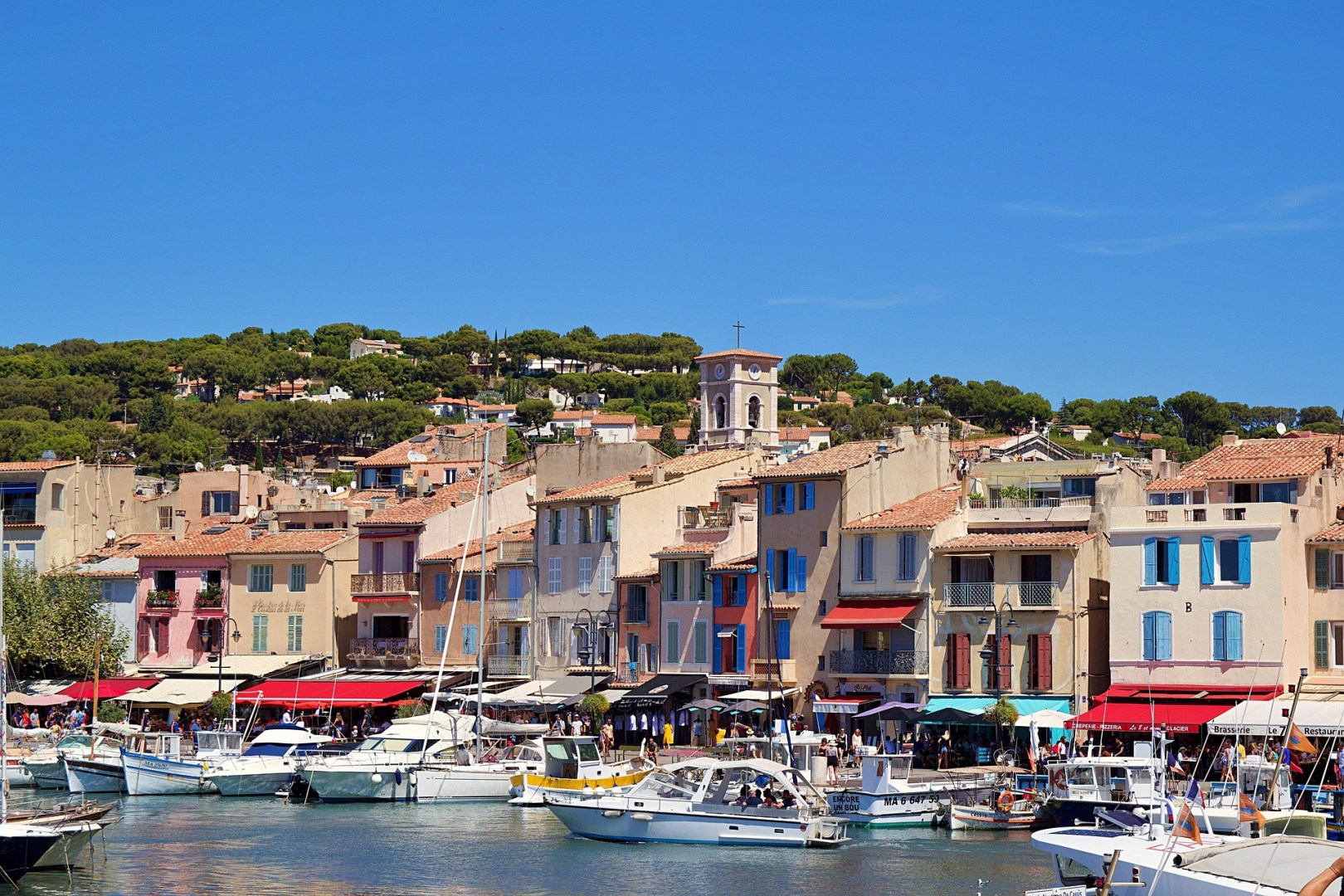
Cassis
Thanks to the high hills which surrounds the town, (The cliffs of Gardiole) Cassis is well protected from the cold winds, which makes for mild winters. Strolling along the port or walking in the Calanques on a sunny Christmas day is an experience that you will never forget.
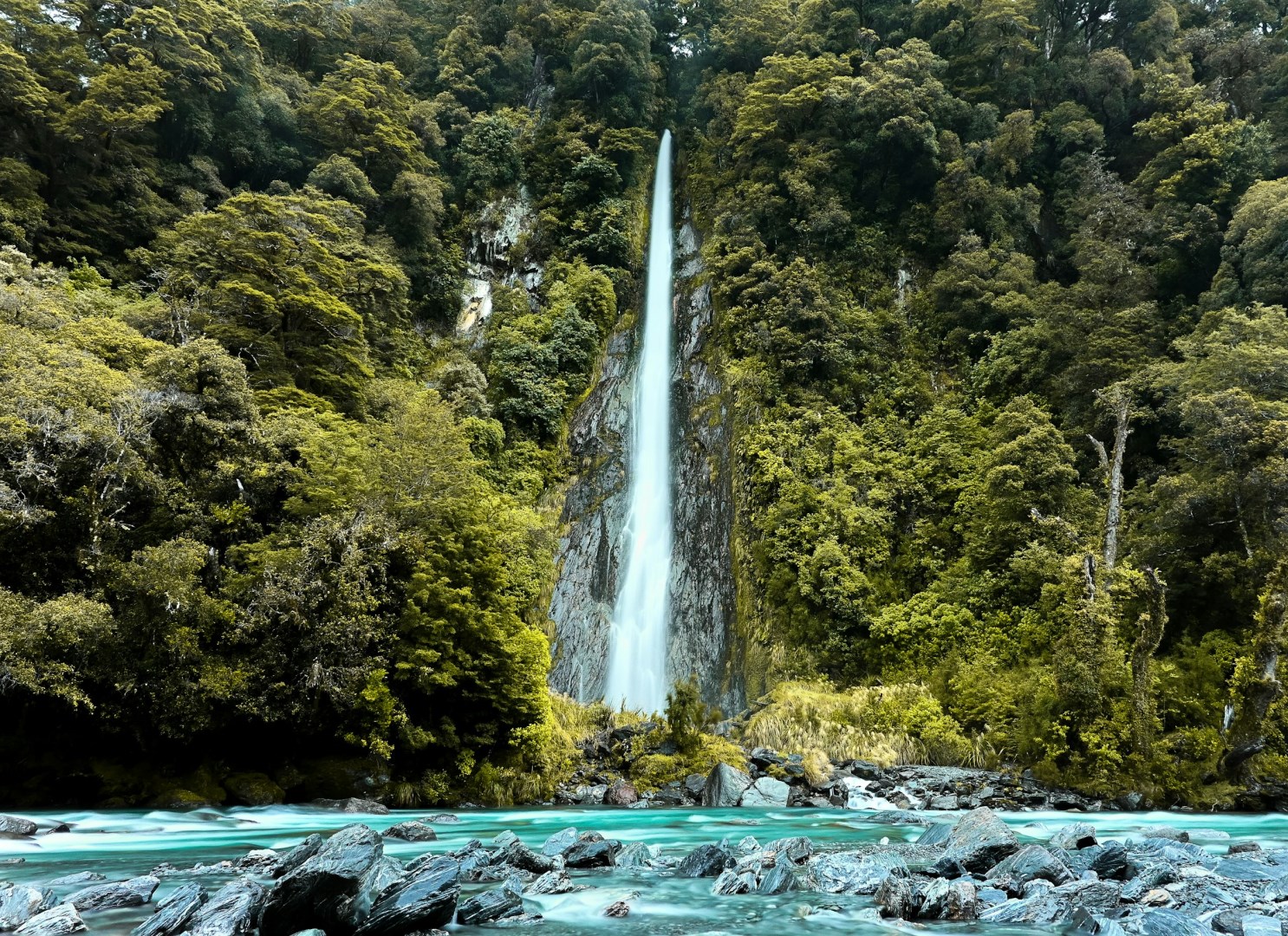
Mount Aspiring National Park
Mount Aspiring National Park occupies a large section of the Southern Alps in New Zealand’s South Island, extending across remote mountain country between Wānaka, Glenorchy, and the Haast Pass area. Covering more than 350,000 hectares, the park contains high peaks, glacial valleys, rivers, forests, alpine lakes, and extensive wilderness.
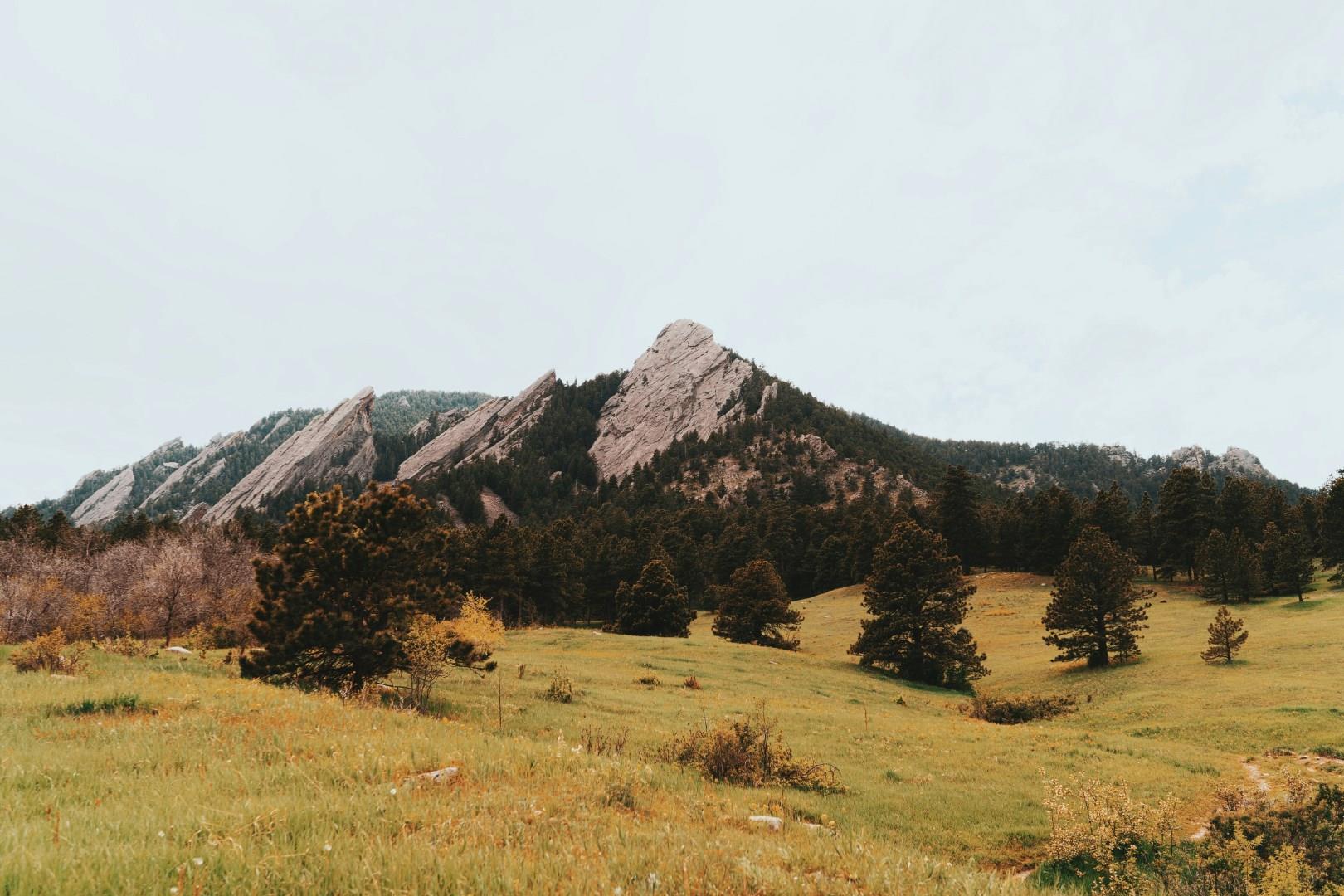
Boulder
Boulder, a beautiful 2,500 foot high oasis of green lawns and clean trees-shaded streets where the sun shines over 320 days a year, overlooks the Lake Mead National Recreation Area. Recognized as truly a family oriented and community minded city, one only has to visit for a short time to confirm this reputation.