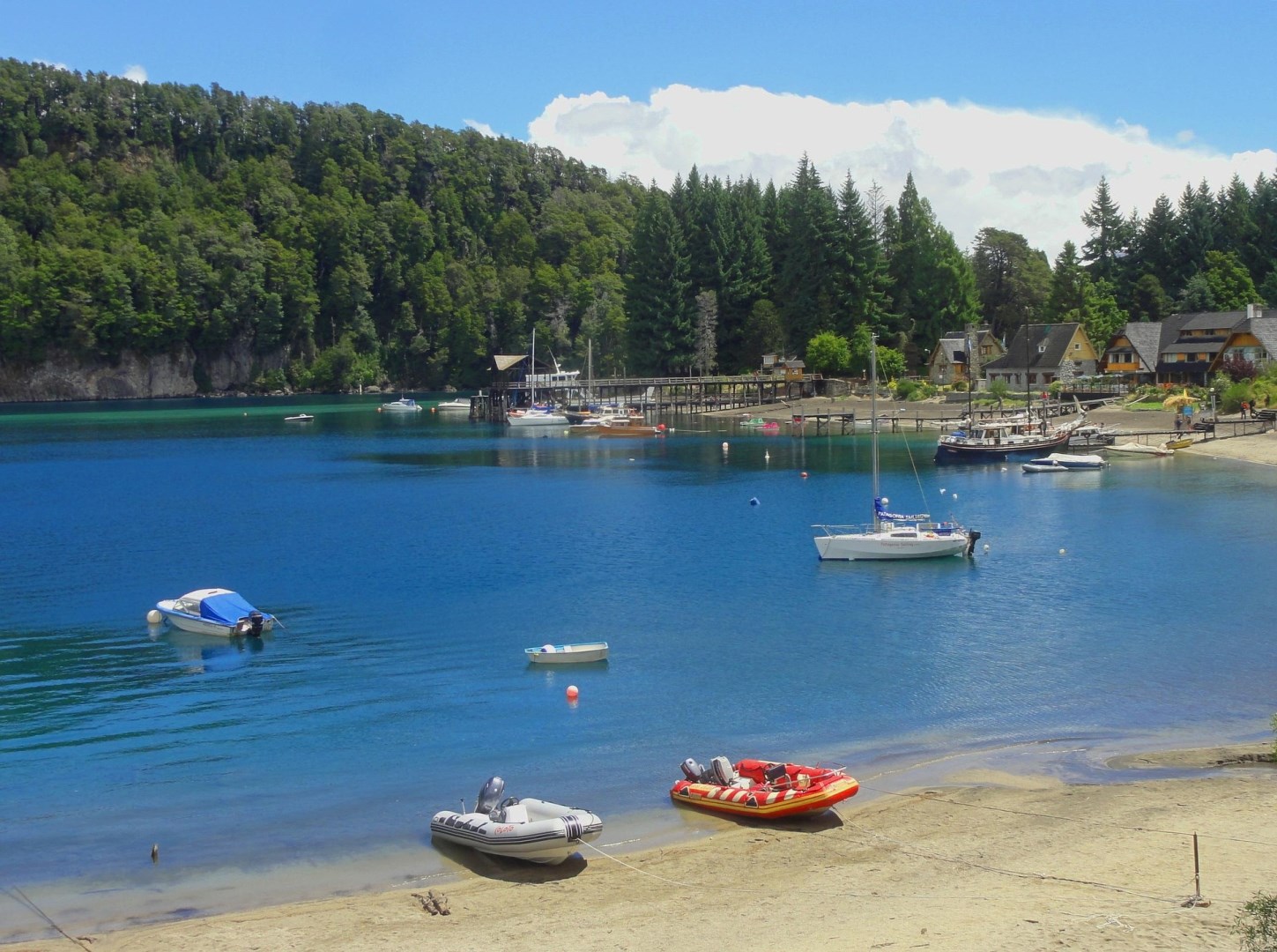
Province of Neuquen, Argentina is located near the Andes Mountains. It has attractive and wild scenery, virgin land, and lots of natural non-contaminated water springs. Its vegetation consists of small shrubs and Pampa grass. Various forms of wildlife can also be seen here such as ostriches, gray and red foxes, Patagonian Hares called "Maras" and many species of birds.
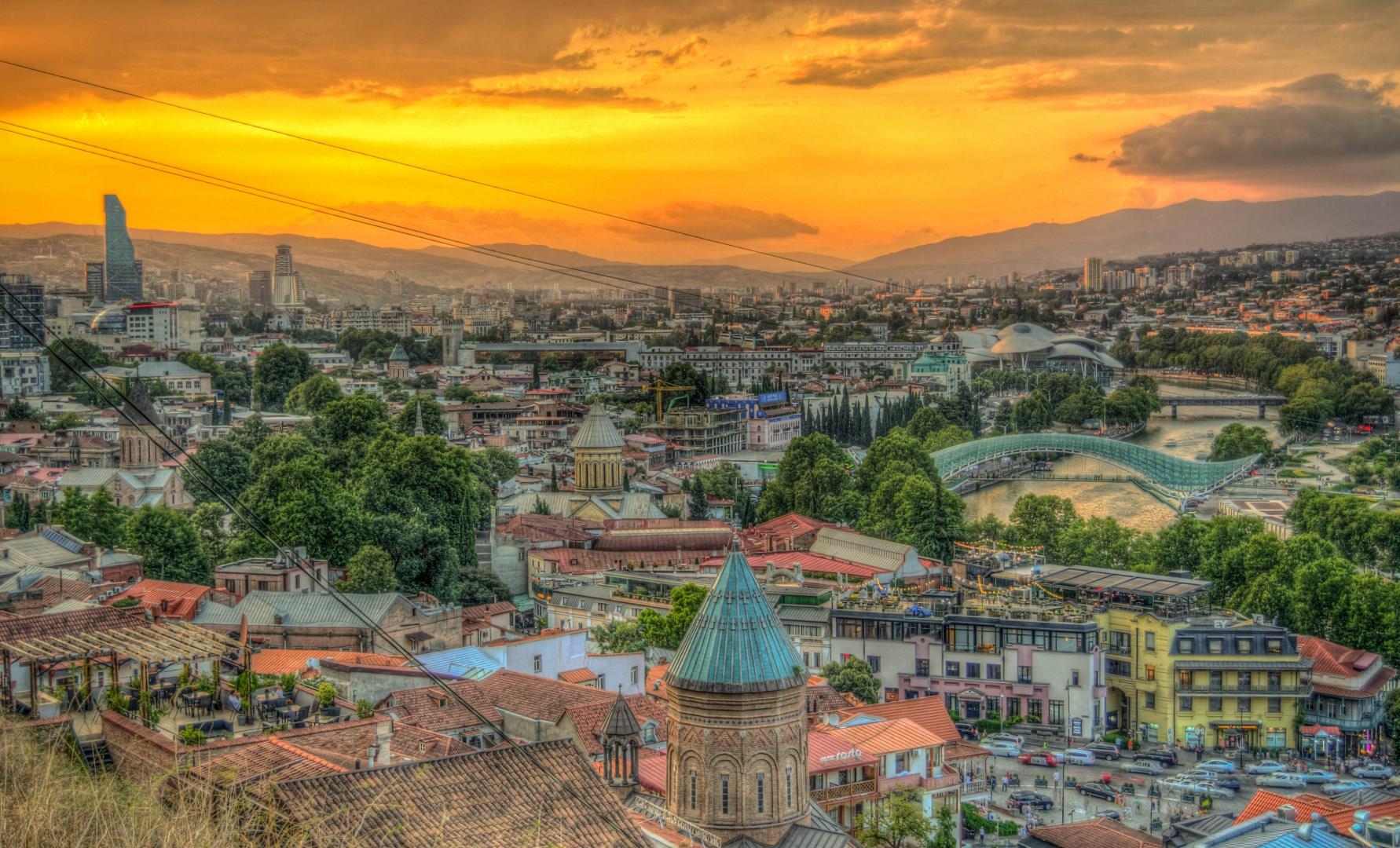
Tbilisi, the capital of Georgia, is a city where tradition and modern life blend seamlessly. Set along the banks of the Kura River and surrounded by hills, its layout reflects centuries of change and cultural exchange. The Old Town, with its cobbled lanes and wooden balconies, is a living museum of architecture, showcasing influences from Persian, Ottoman, and Russian eras. Above it all, the Narikala Fortress stands watch, offering sweeping views of the city below.
Saudi Arabia is revealing chapters long unseen by tourists. Al-Ula is home to Hegra, the first UNESCO World Heritage Site in the kingdom and hosts to ancient Nabatean tombs carved in sandstone cliffs. Nearby, the mirrored Maraya Concert Hall reflects the desert sky, its design both unexpected and elegant amid the sands. Visitors can wander through narrow canyons, step inside rock-hewn facades, and feel the weight of ancient civilizations still echoing across the dunes.
Valparaíso, Chile, is a city that beckons travelers with its vibrant street art, steep hillsides, and bohemian spirit. Known as the "Jewel of the Pacific," Valparaíso's historical importance as a major port during the 19th century has left an indelible mark on its architecture and culture.
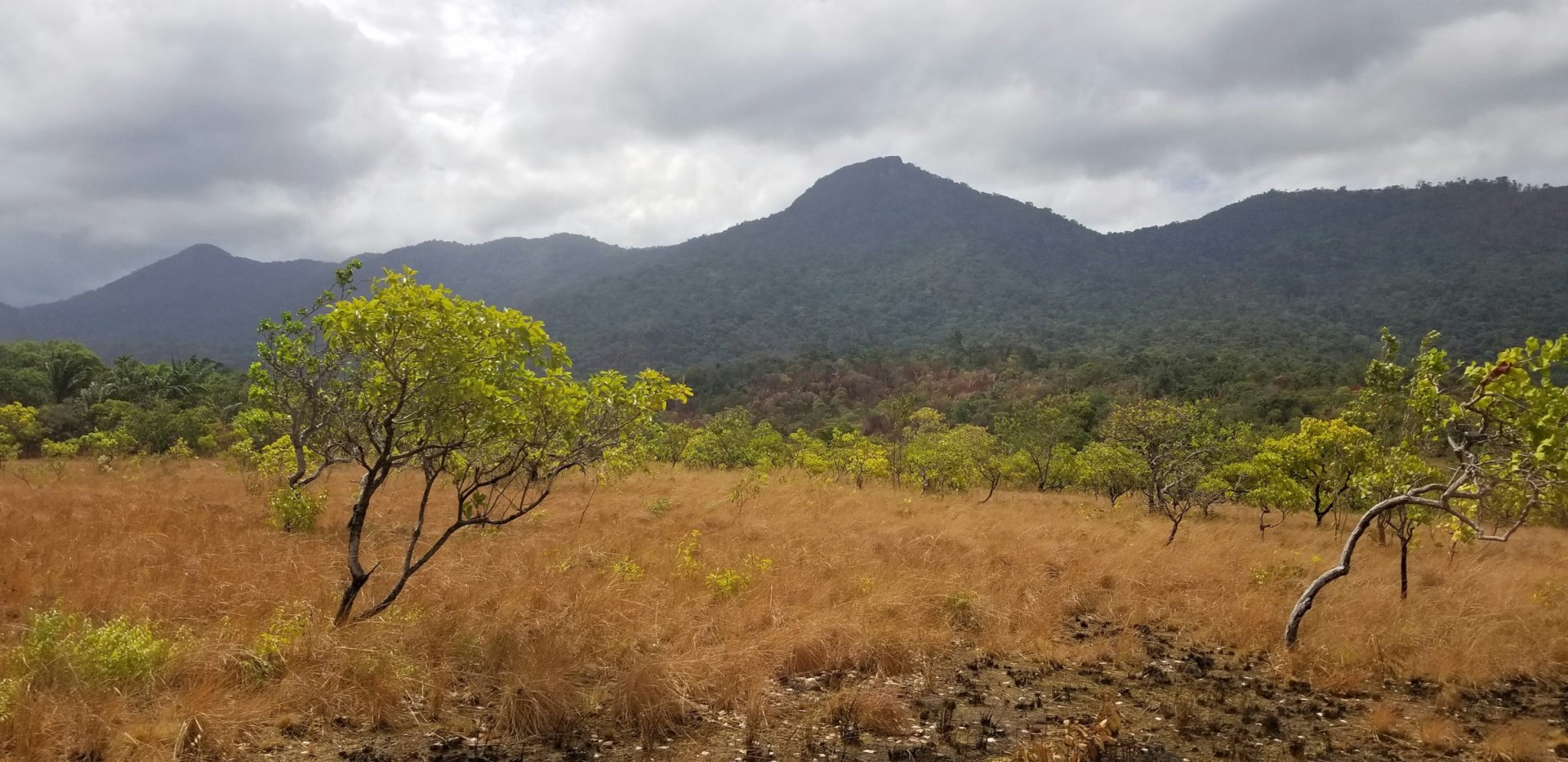
Guyana, perched on South America’s northern coast, is often overlooked by mass tourism, but those who venture here quickly discover a country defined by its wild landscapes and strong cultural identity. As the only English-speaking country on the continent, it offers travelers a smoother entry into South America while maintaining a distinct Caribbean rhythm.
Photo Credit: Photo by Kimberly Roldan on Unsplash
Photo Credit: Photo by Armand Mckenzie on Unsplash
Photo Credit: Photo by Rafael Peier on Unsplash
Photo Credit: Photo by Armand Mckenzie on Unsplash
Photo Credit: Photo by Rafael Peier on Unsplash
Photo Credit: Photo by Stephanie Morcinek on Unsplash
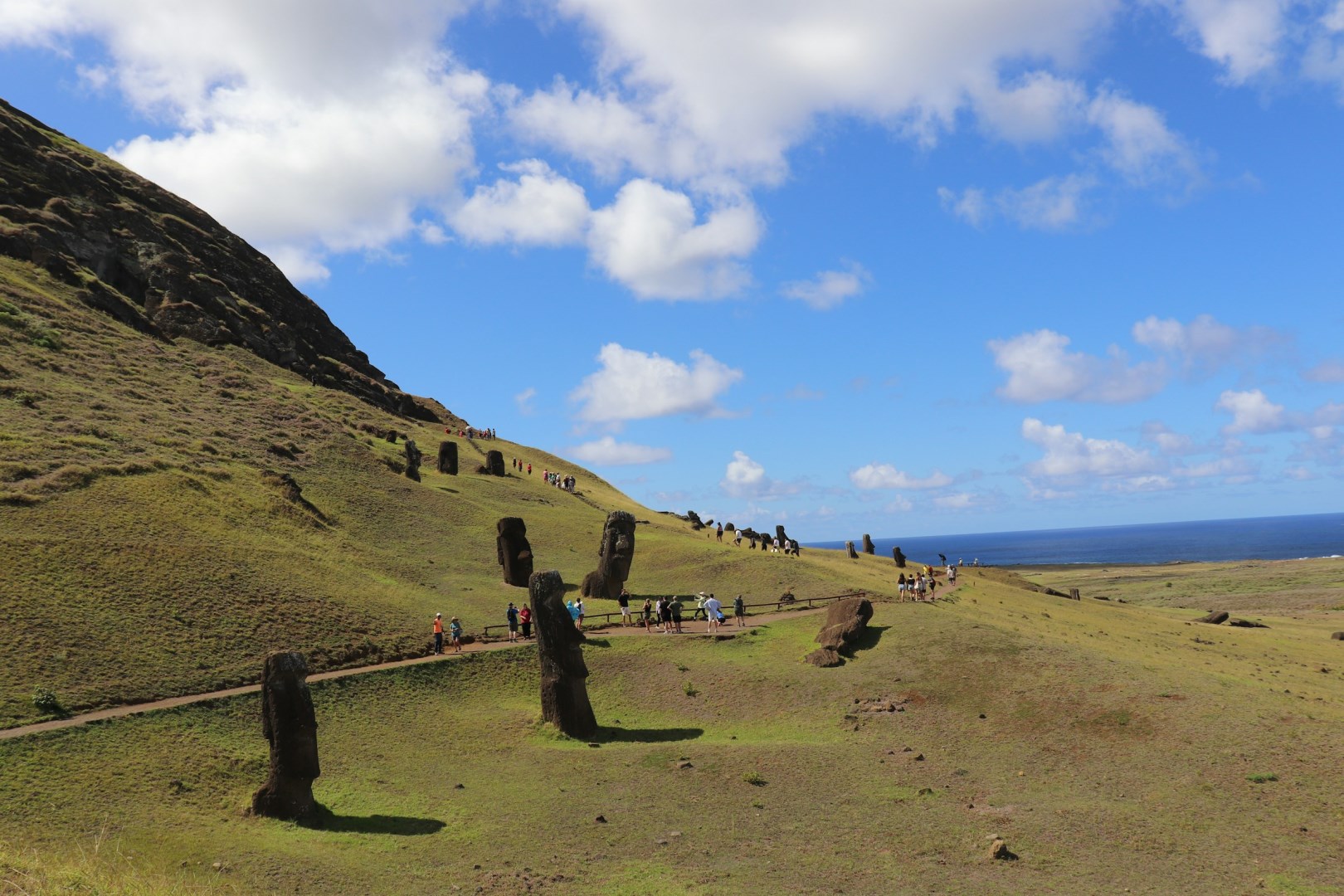
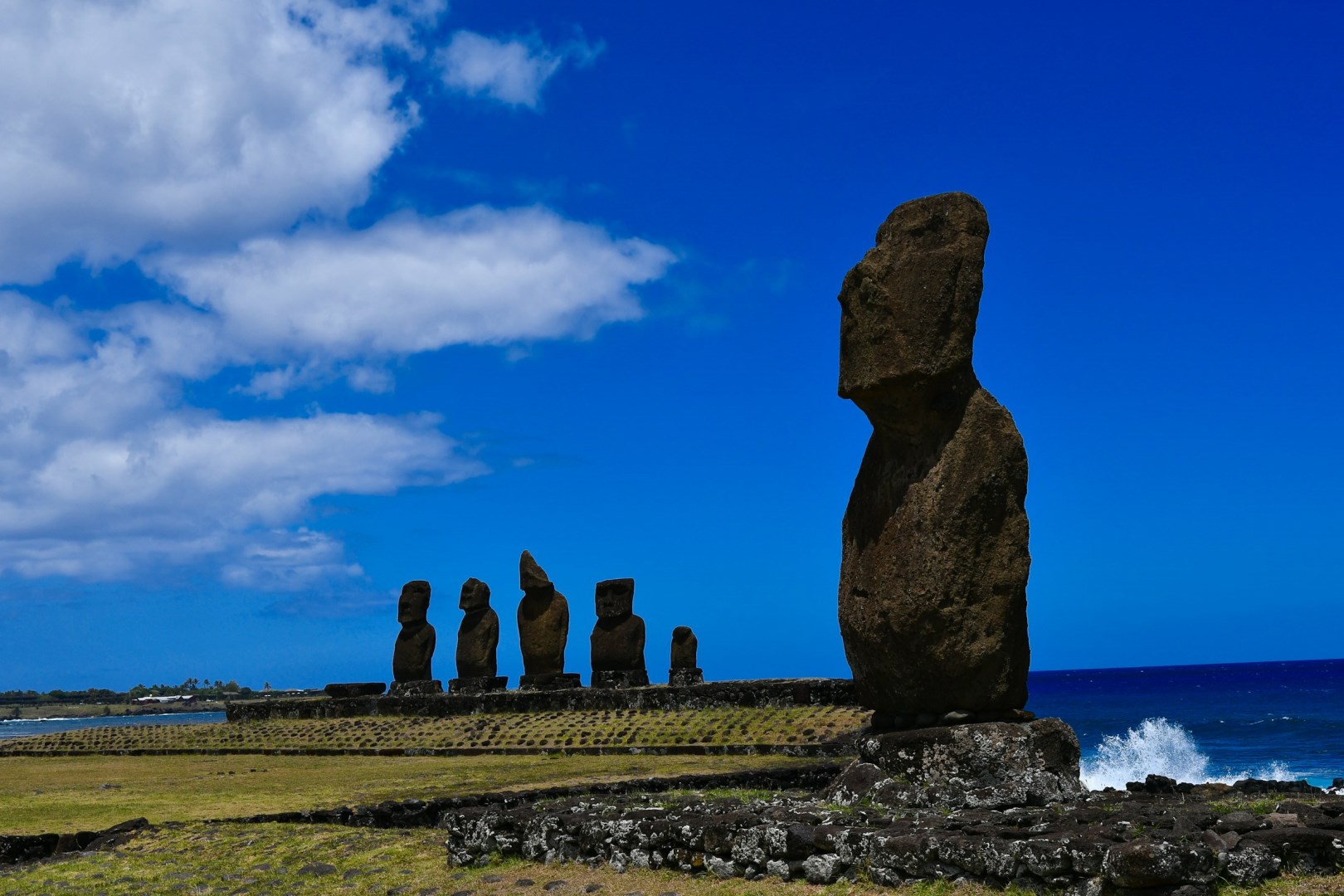
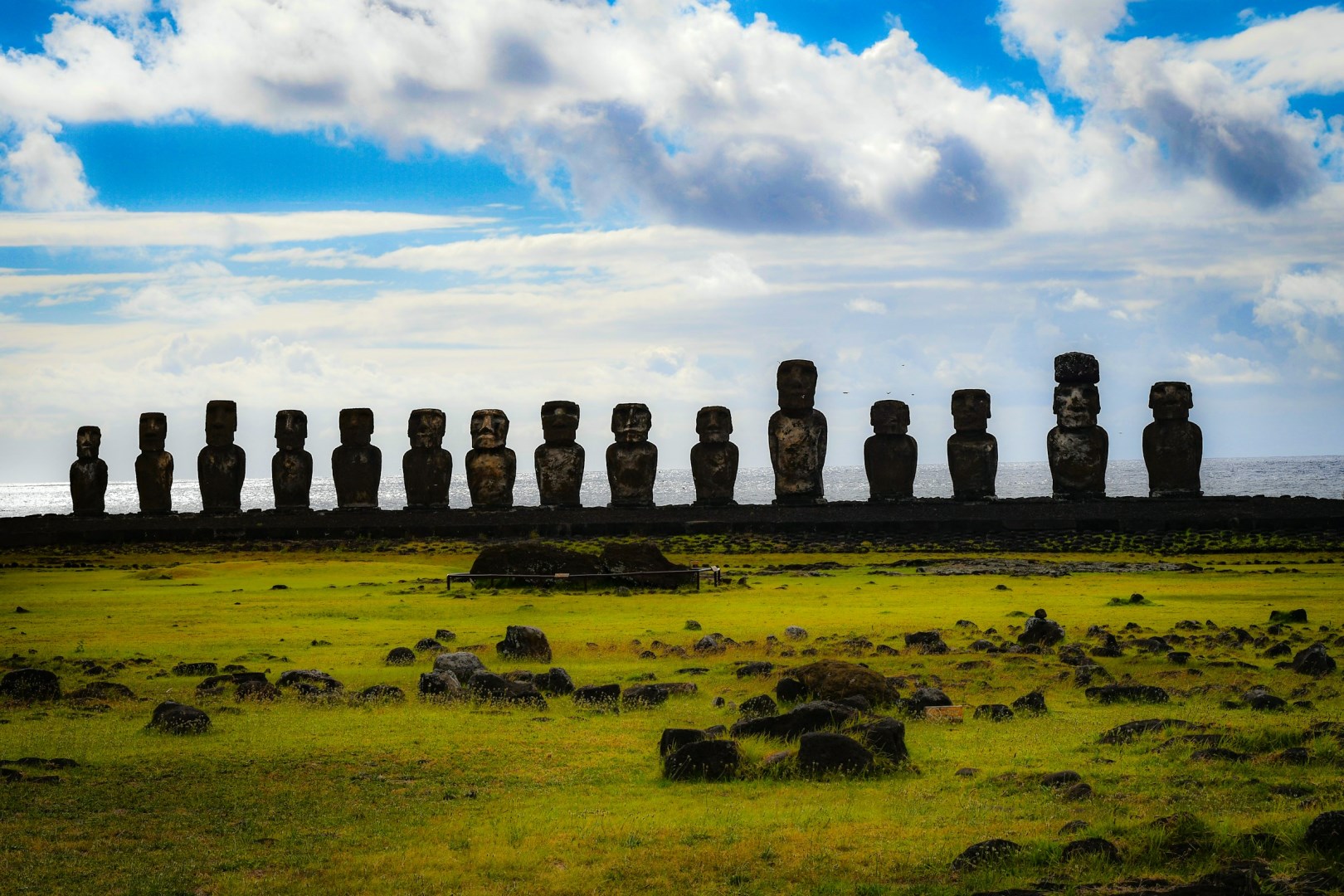
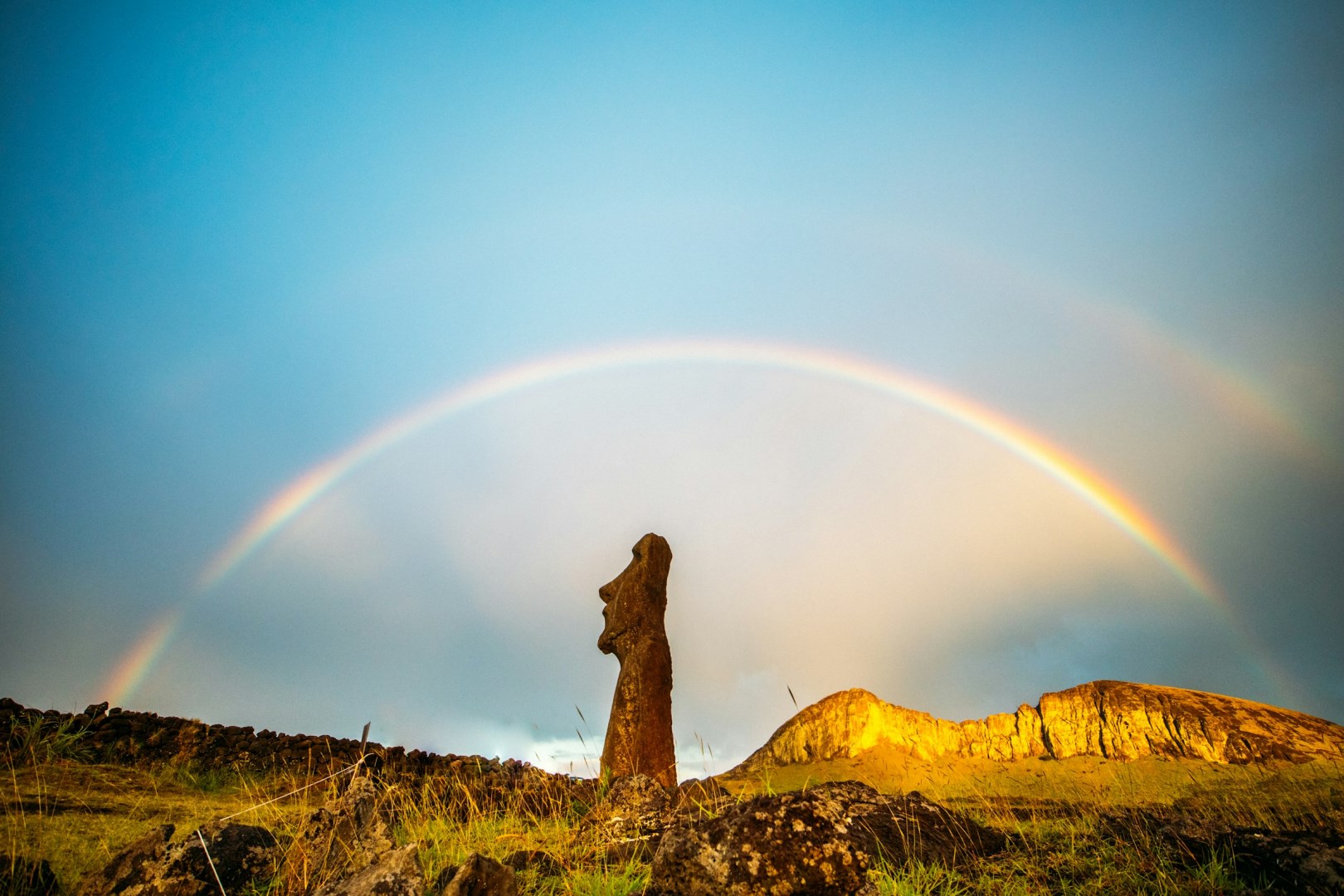
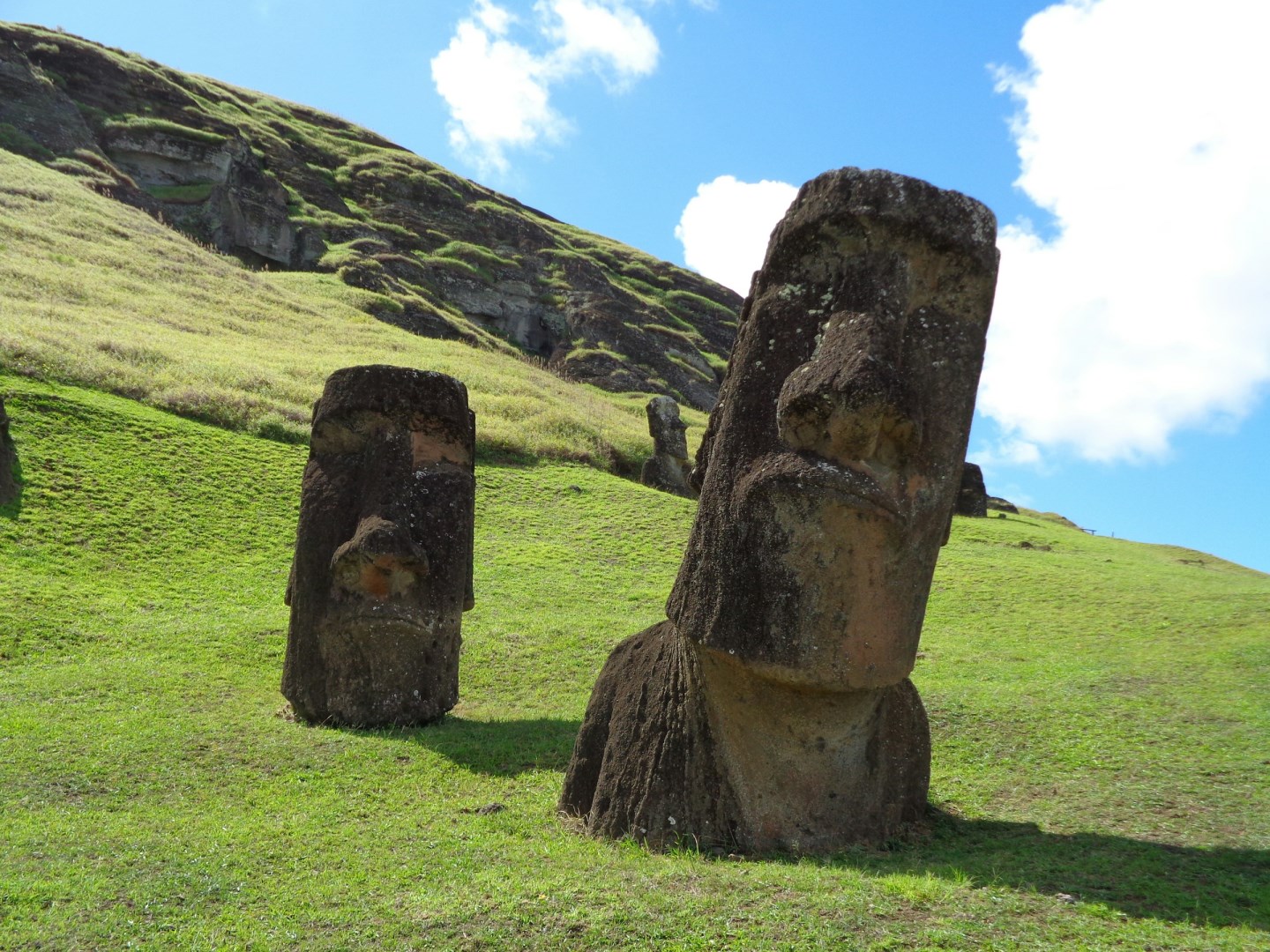
Easter Island, or Rapa Nui, is a remote gem in the southeastern Pacific Ocean that promises an extraordinary journey into the mysteries of Polynesian culture and history. Famous for its monumental stone statues known as moai, Easter Island captivates visitors with its enigmatic past. These colossal statues, crafted between 1400 and 1650 AD, are scattered across the island and are a testament to the islanders' sophisticated artistry and social organization. The moai can be explored at various archaeological sites, such as Rano Raraku, the quarry where these statues were carved, and Ahu Tongariki, which boasts the island’s largest moai platform with 15 statues.
The island’s rich cultural heritage is also on display at the Rapa Nui National Park, a UNESCO World Heritage Site that encompasses most of the island’s archaeological treasures. Visitors can delve into the island's history at the Museo Antropológico Sebastián Englert, which houses artifacts and exhibits on the island's unique Polynesian culture and the history of the moai statues. The island’s traditional dance and music performances offer an immersive experience into the local customs and traditions, with vibrant, rhythmic performances that bring the island’s cultural tapestry to life.
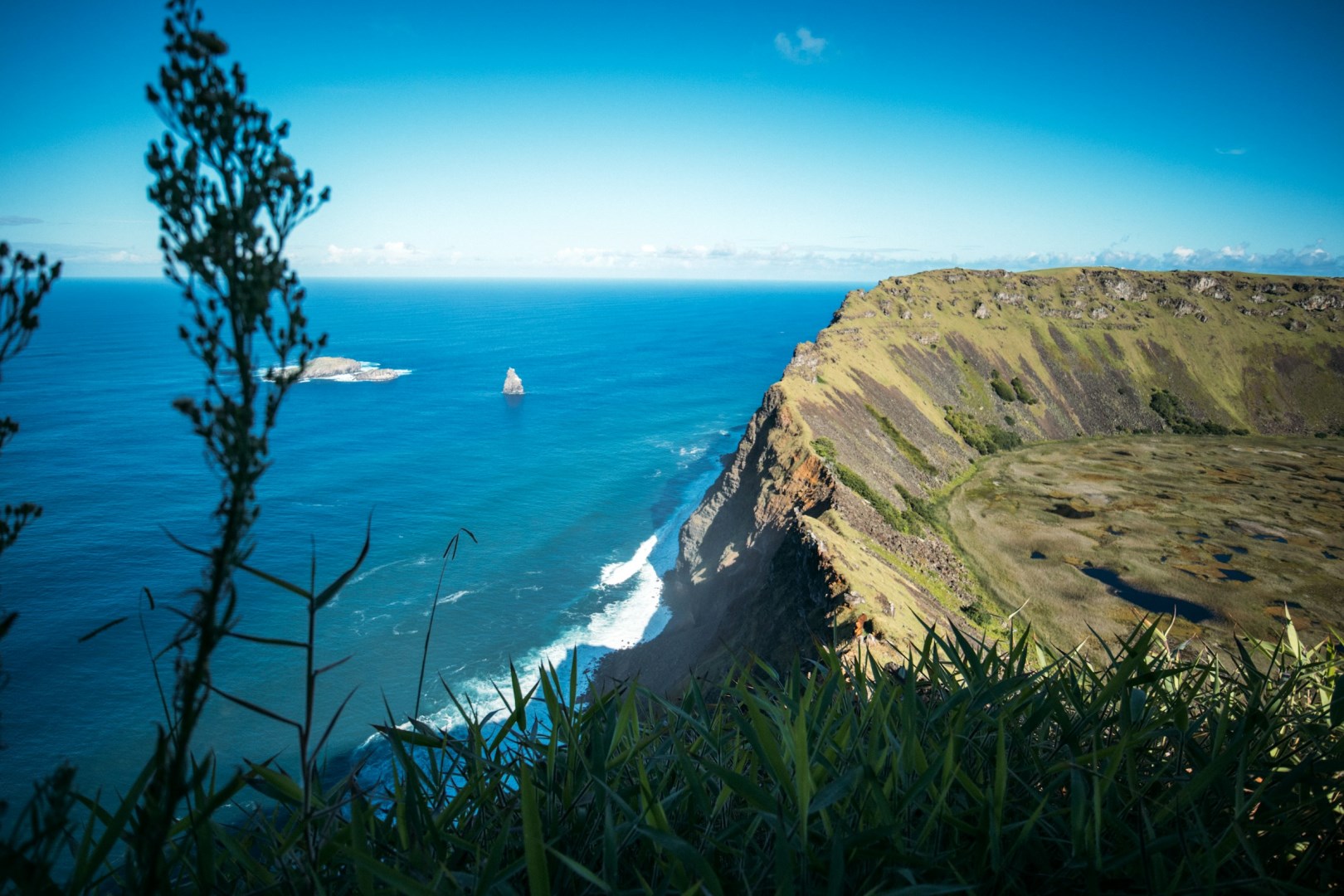
Natural beauty complements the historical allure of Easter Island. The island features stunning landscapes, including the volcanic craters of Rano Kau and the lush scenery of the island’s interior. The beaches of Anakena, with their white sand and turquoise waters, provide a perfect spot for relaxation and swimming. Hiking enthusiasts can enjoy trails leading to panoramic views from the island’s volcanic peaks or explore hidden caves and lava tubes.
Fun fact: Easter Island is one of the most remote inhabited islands in the world, situated over 2,000 miles (3,200 kilometers) from the nearest continental landmass, making it a true journey to the edge of the world.