
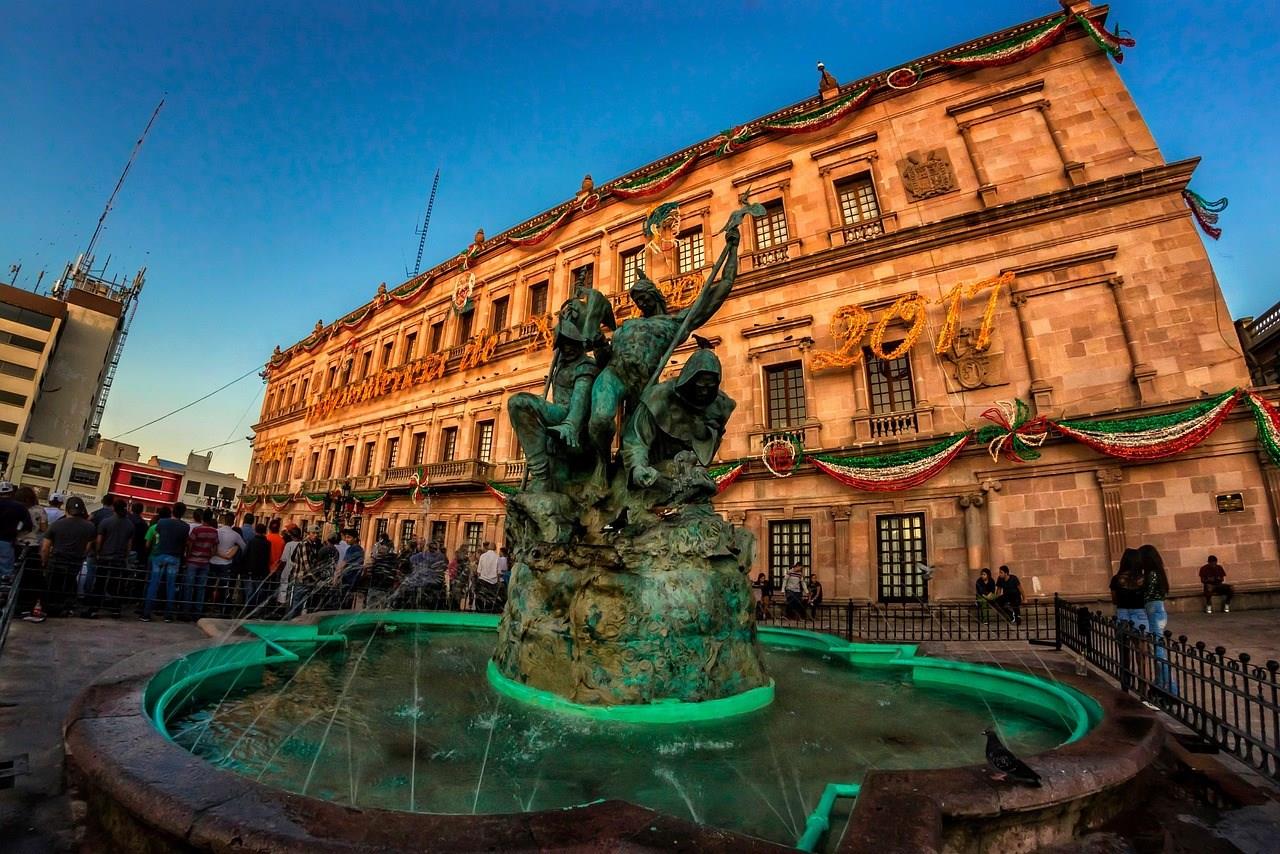
Saltillo
Saltillo, the capital of Coahuila, blends centuries of tradition with a quiet confidence that rewards travelers looking for something different. Founded in 1577, the city’s colonial heritage is on full display in its well-preserved downtown, where the Catedral de Santiago towers above Plaza de Armas. Just steps away, the Alameda Zaragoza park offers shaded paths and fountains, providing a peaceful break between stops at nearby museums.

Molde
Nestled along the fjord-studded coastline of Norway, Molde is renowned for its breathtaking natural beauty and rich cultural heritage. Often called the "City of Roses" for its flourishing gardens and floral displays, Molde offers visitors a stunning panorama of 222 mountain peaks visible from its scenic viewpoints, including the renowned Varden Viewpoint. This spot provides an unparalleled vista of the surrounding fjords and peaks, making it a must-see for any nature enthusiast.
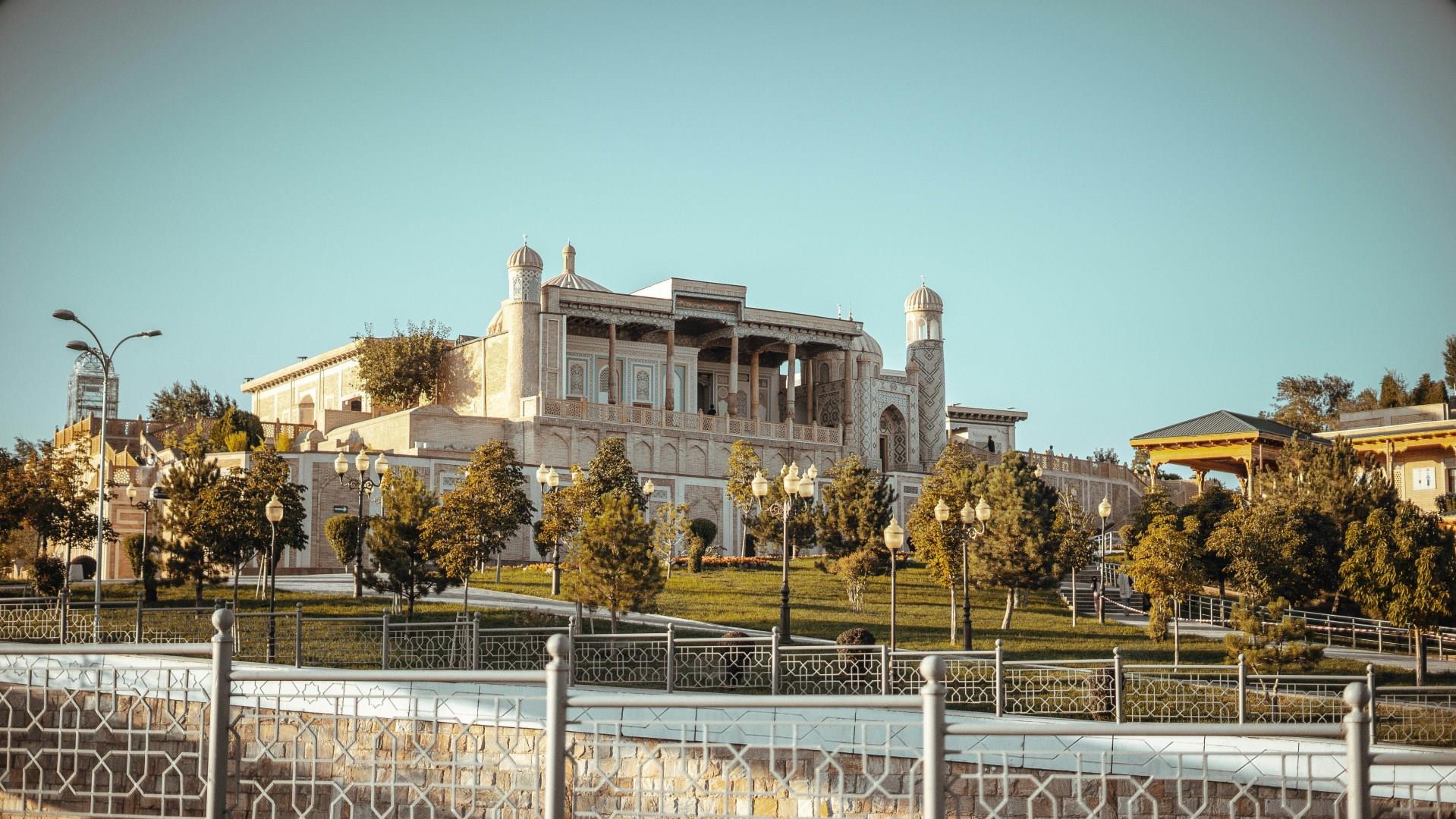
Samarkand
Samarkand is one of Central Asia’s most storied cities, famed for its role as a crossroads of culture, science, and trade along the Silk Road. The heart of the city is the Registan, a grand square framed by three ornate madrasas decorated with vivid mosaics, intricate tilework, and soaring arches.
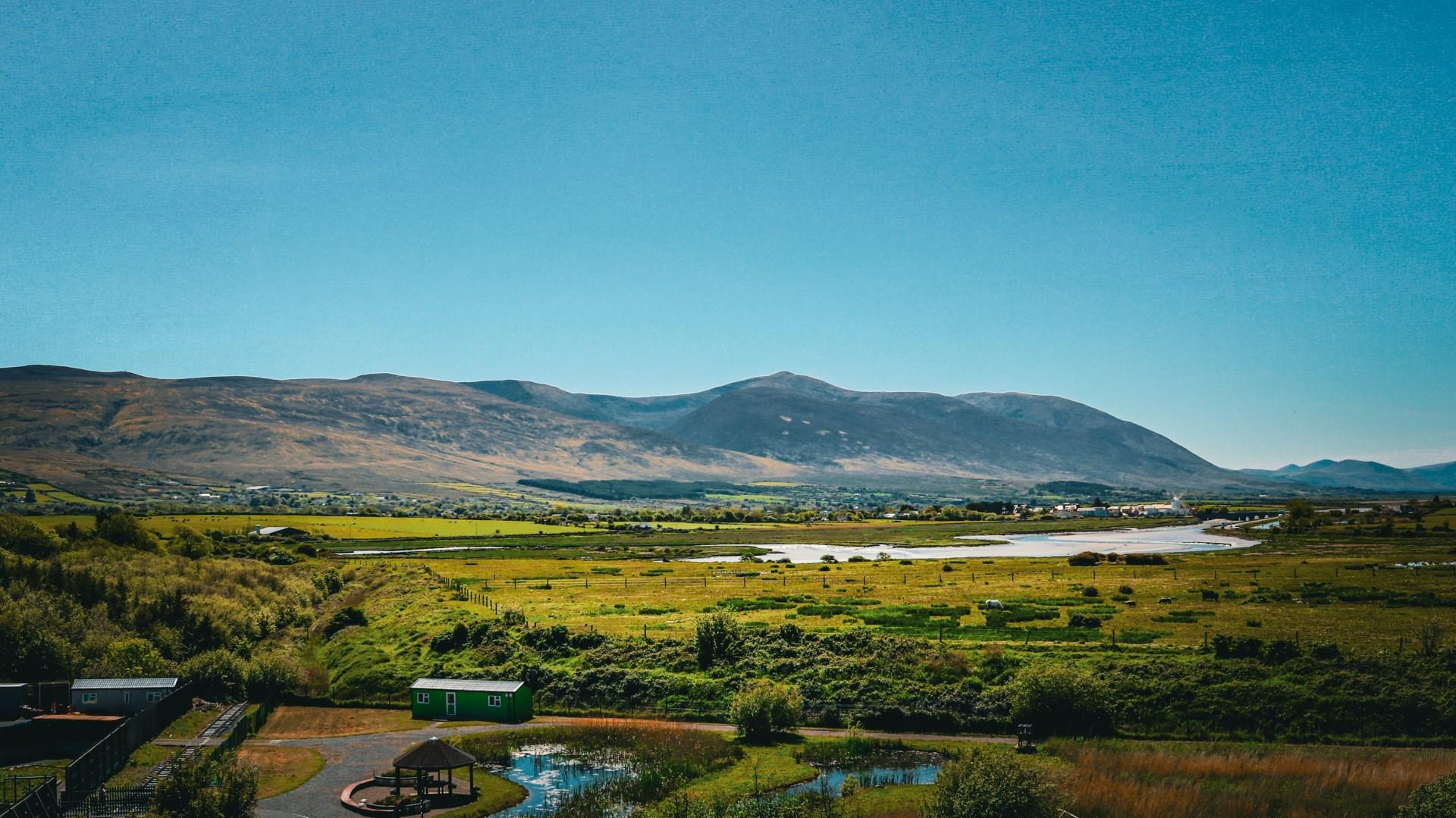
Tralee
Tralee is the county town of Kerry, set between Tralee Bay and the foothills of the Dingle Peninsula in southwest Ireland.

Cape Verde
Located off the coast of West Africa, Cape Verde is an archipelago that is sure to enchant visitors with its unique blend of African and Portuguese influences. This group of ten volcanic islands boasts dramatic landscapes, from the barren, rugged mountains of Fogo Island to the lush, green hills of Santo Antão. With its stunning landscapes, lively culture, and warm hospitality, Cape Verde offers a wide range of activities for all sorts of travelers.


