
Whether exploring its iconic landmarks, indulging in its flavorful cuisine, or enjoying its lively nightlife, visitors are sure to fall in love with the charm and energy of Madrid.
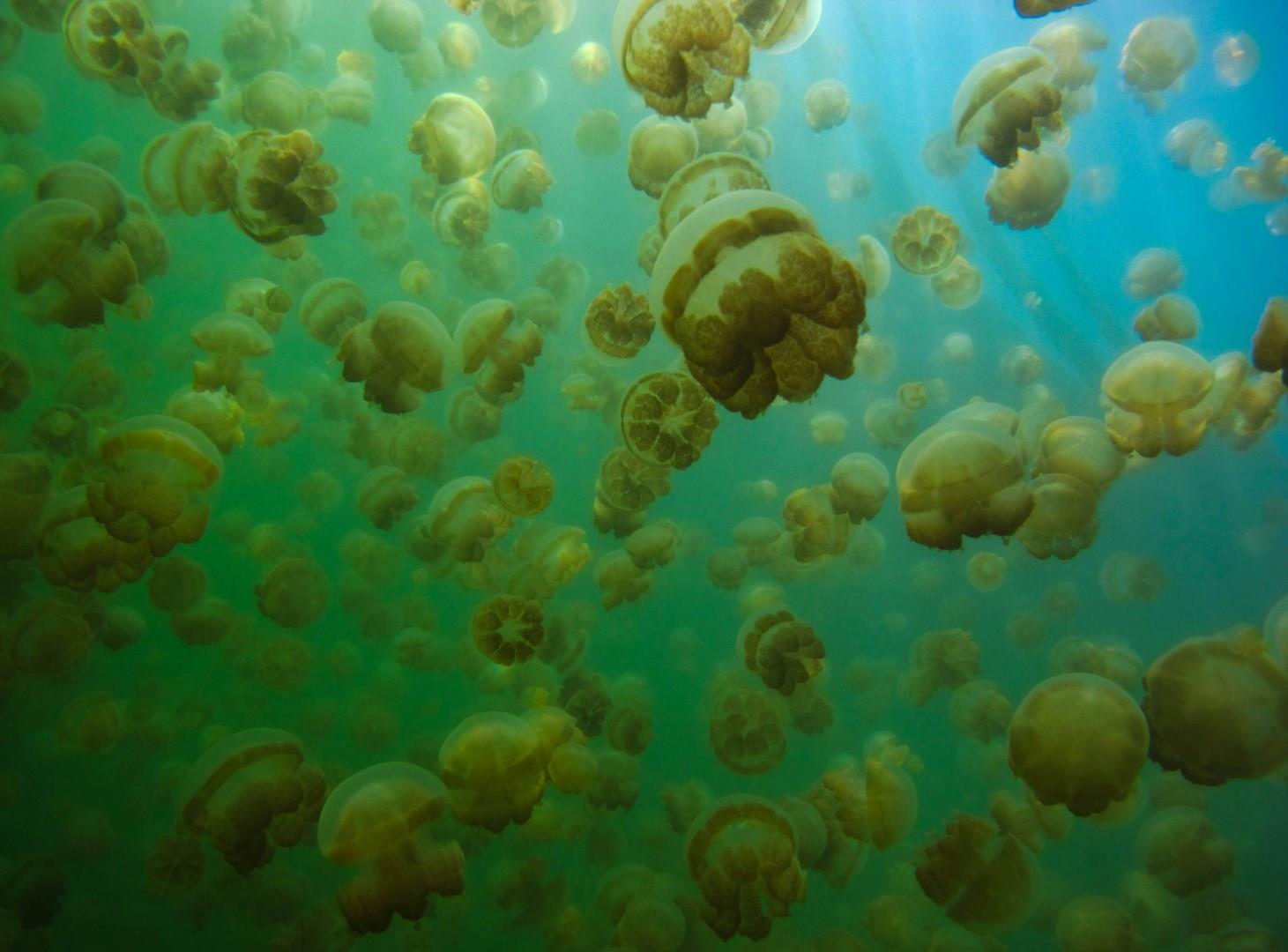
Jellyfish Lake is a shadowed oasis hidden among the mushroom-like Rock Islands of Palau. This forest‑fringed saltwater lake invites visitors to float with millions of gentle, stingless jellyfish that glow like drifting amber clouds under emerald light. The lake formed about 12,000 years ago, when rising seas flooded an ancient reef basin that was gradually cut off from the ocean. Over centuries, its jellyfish evolved in isolation, shedding their stings and multiplying without predators in sight.
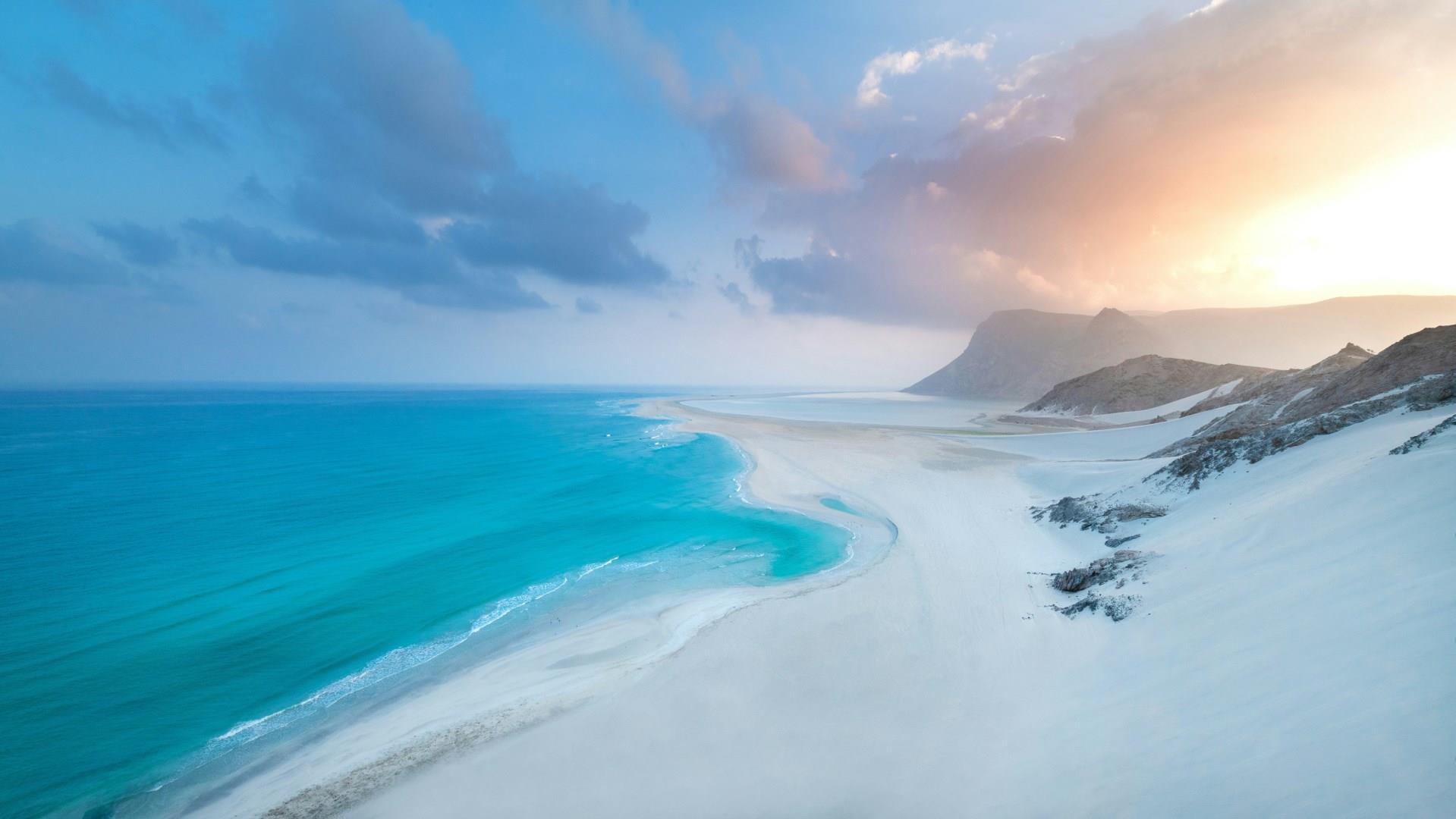
Socotra rises from the Arabian Sea like a world apart, its landscapes shaped over millennia. The Dragon’s Blood Trees, with their umbrella-shaped crowns and deep red sap, stand among the most iconic sights here. In places like Dixam Plateau and Homhil Forest, these trees gather in sparse formations, creating scenes that feel both ancient and alien. The resin remains valued for traditional dyes and remedies.
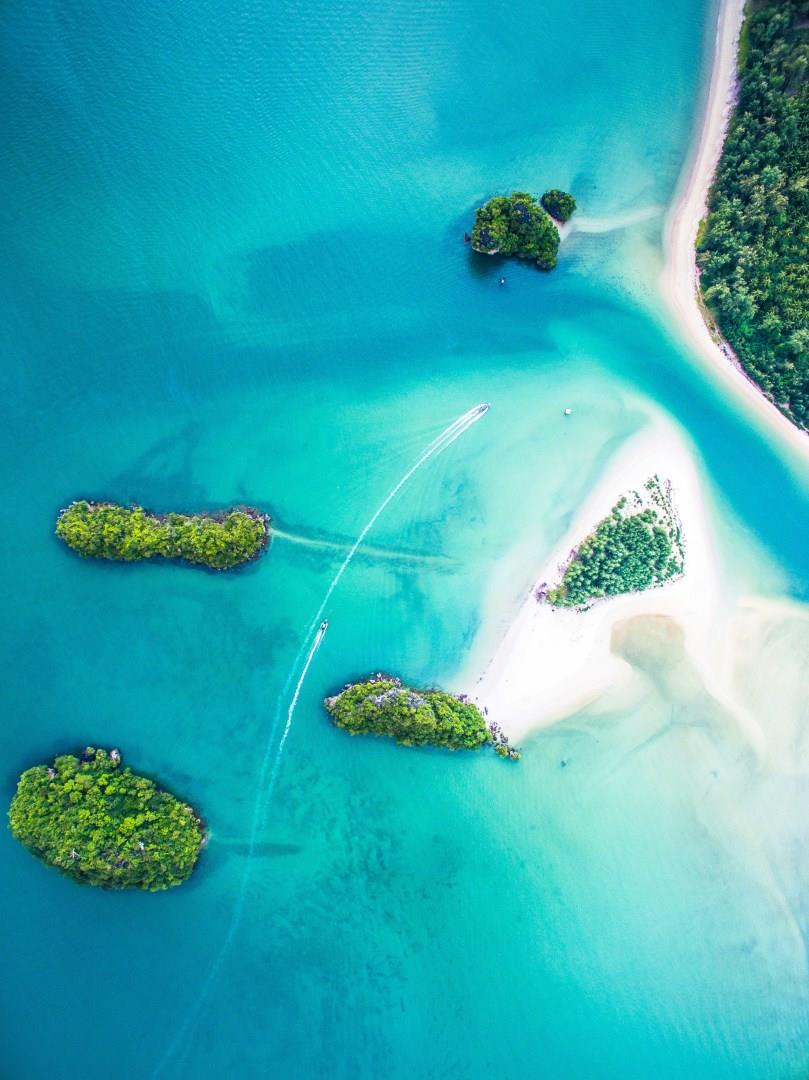
Ao Nang is a coastal town in Thailand’s Krabi province, set against a backdrop of limestone cliffs that rise abruptly from the shoreline. Once a quiet fishing village, it has grown into a lively seaside hub while still retaining strong ties to the surrounding landscape.
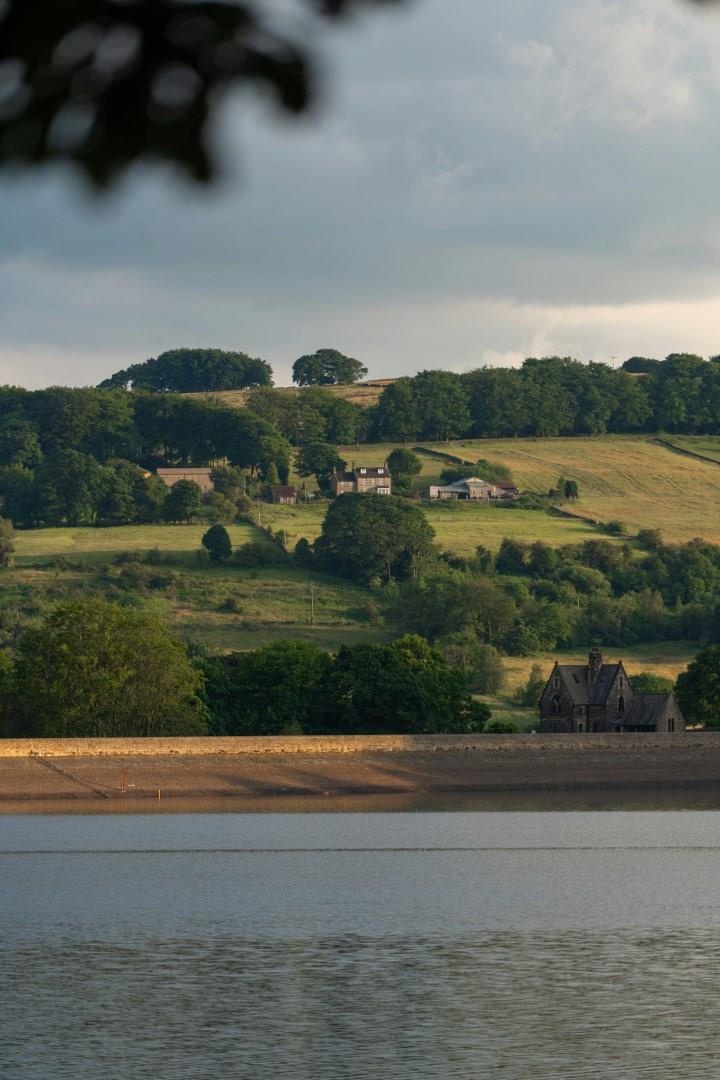
Sheffield, once the global heart of the steel industry, has evolved into a city where industrial heritage meets green landscapes and a growing creative scene. Known historically for innovations like stainless steel, Sheffield still celebrates its roots at sites like the Kelham Island Museum, where restored machinery and interactive exhibits tell the story of the city’s engineering legacy.
Dutch Harbor, Alaska, located on Unalaska Island in the Aleutian chain, is a remote yet captivating destination that offers a unique blend of natural beauty, rich history, and vibrant culture. As the epicenter of the U.S. commercial fishing industry, Dutch Harbor is famous for its bustling harbor, where you can witness the impressive fleet of crab boats featured in the popular television show "Deadliest Catch". The sight of these rugged vessels returning with their hauls against the backdrop of snow-capped mountains and icy waters is nothing short of breathtaking.
History buffs will find Dutch Harbor's role in World War II particularly intriguing. The area was one of the few sites in North America that saw direct combat during the war, with the Japanese bombing of Dutch Harbor in 1942 leaving a lasting impact. Visitors can explore the remnants of this past at the Aleutian World War II National Historic Area, which includes bunkers, gun emplacements, and a museum that offers a poignant look at the region's wartime history. The Museum of the Aleutians also provides insight into the indigenous Unangan (Aleut) people, whose culture has shaped the island for thousands of years.
Nature enthusiasts will be drawn to Dutch Harbor for its incredible wildlife and rugged landscapes. The surrounding waters are teeming with marine life, making it a prime spot for whale watching, sea kayaking, and fishing. Bird watchers will be thrilled by the chance to see a variety of seabirds, including the iconic bald eagle, which is abundant in the area. For those who enjoy hiking, the island's trails offer stunning views of volcanic peaks, rolling tundra, and wildflower-filled meadows.
Fun fact: Dutch Harbor is the largest fishing port in the United States by volume, consistently ranking first in the nation for seafood landings, primarily due to its lucrative king crab and pollock fisheries. This makes it not only a vital part of Alaska's economy but also a fascinating place to witness the scale and intensity of commercial fishing operations up close .
