

Latvia
Latvia invites visitors to explore a land where medieval streets meet vast forests and a lively coastline. Riga, the country’s capital, is home to one of the largest and best-preserved collections of Art Nouveau architecture in Europe. Walking through the Old Town, visitors can admire intricate facades and cobblestone streets that lead to landmarks like the House of Blackheads and St. Peter’s Church, whose tower offers panoramic views of the city.

Fort Lauderdale
Fort Lauderdale is known for its sun-soaked beaches, diverse culture, and network of scenic canals that stretch over 300 miles. Visitors can take a water taxi or book a sunset cruise to explore the city from a different perspective.

Cruz Bay
Cruz Bay is the welcoming gateway to St. John in the U.S. Virgin Islands, where vibrant Caribbean life meets rich island history. Stepping off the ferry from nearby St. Thomas, visitors find themselves in a lively waterfront town filled with cafés, bars and boutiques that lead toward sandy streets and shimmering views of the bay. This small town is also home to the Cruz Bay Visitor Center, a helpful place to start planning outings into Virgin Islands National Park and to learn about the island.
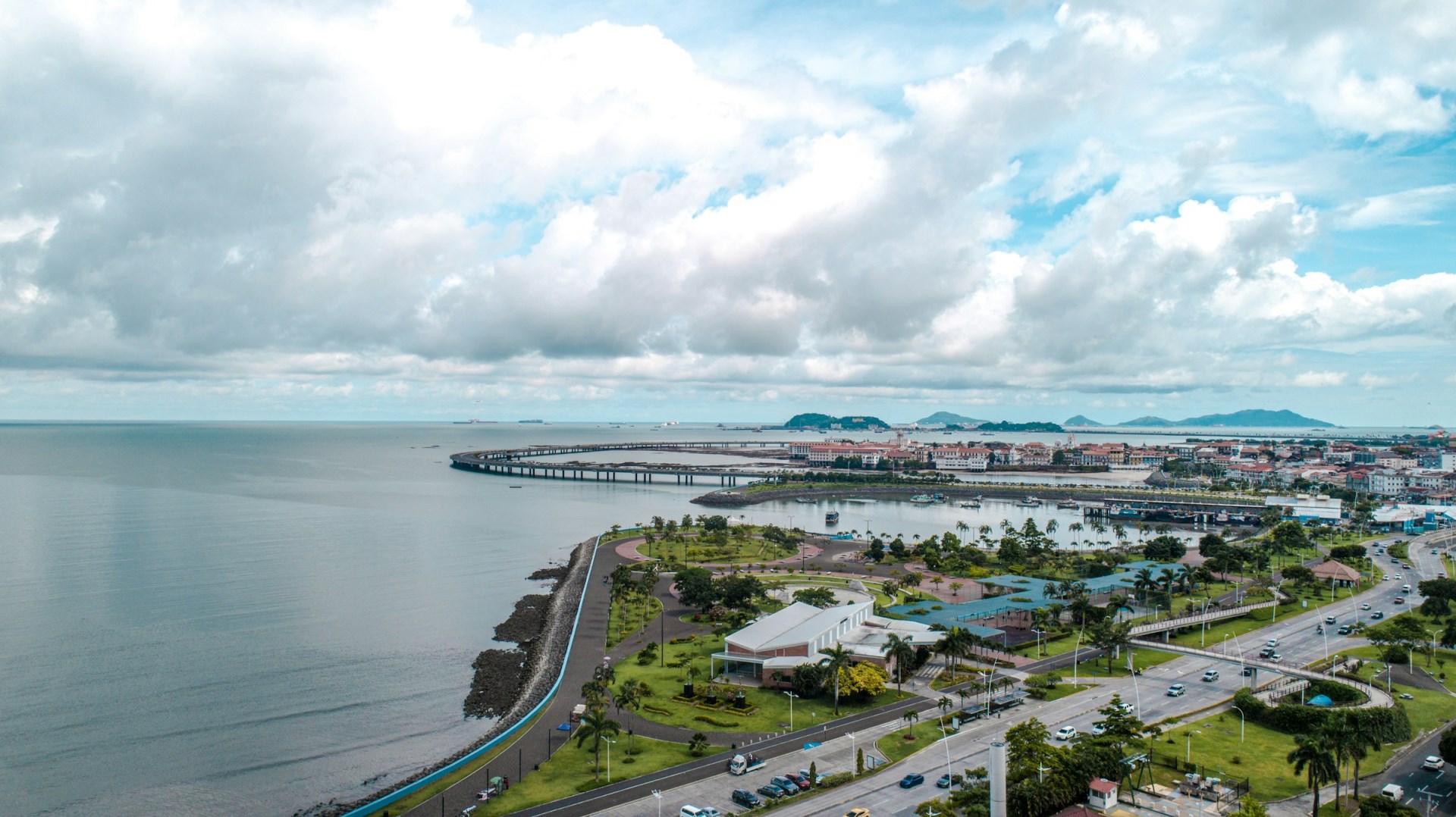
Balboa
Balboa, Panama rests on the Southern tip of the Panama Canal, with the capital city of Panama lying just on the opposite side. It is a wonderful tourist community for anyone visiting the Panama Canal.

San Sebastián
San Sebastián, or Donostia, is a gem nestled on Spain's northern coast, renowned for its stunning beaches, world-class cuisine, and vibrant cultural scene. With its picturesque bay, La Concha, often ranked among the world's most beautiful city beaches, this Basque city offers a perfect blend of natural beauty and urban sophistication.


