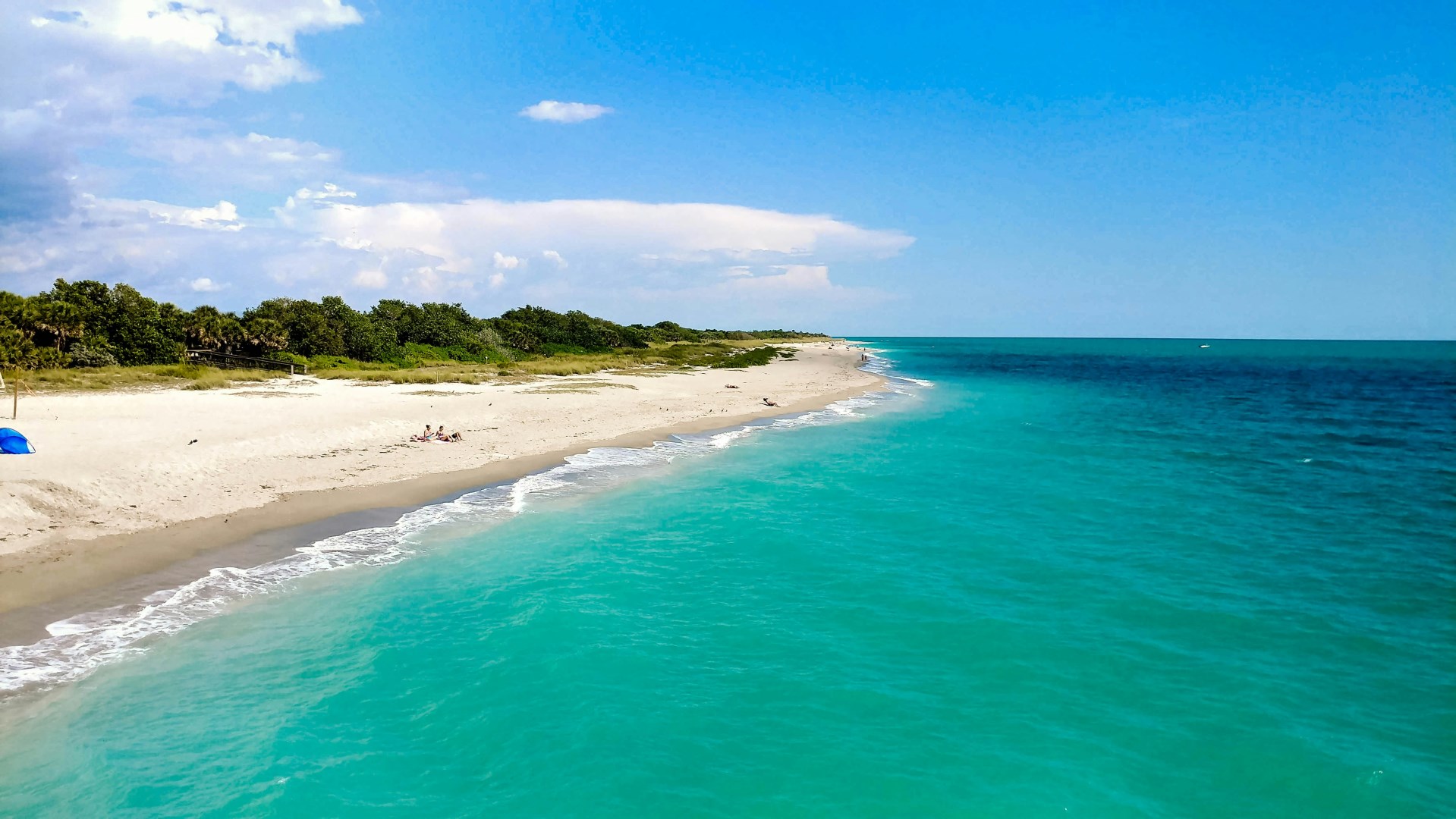
Venice
Venice, Florida, a charming coastal city on the Gulf of Mexico, is a perfect blend of natural beauty and relaxed ambiance.
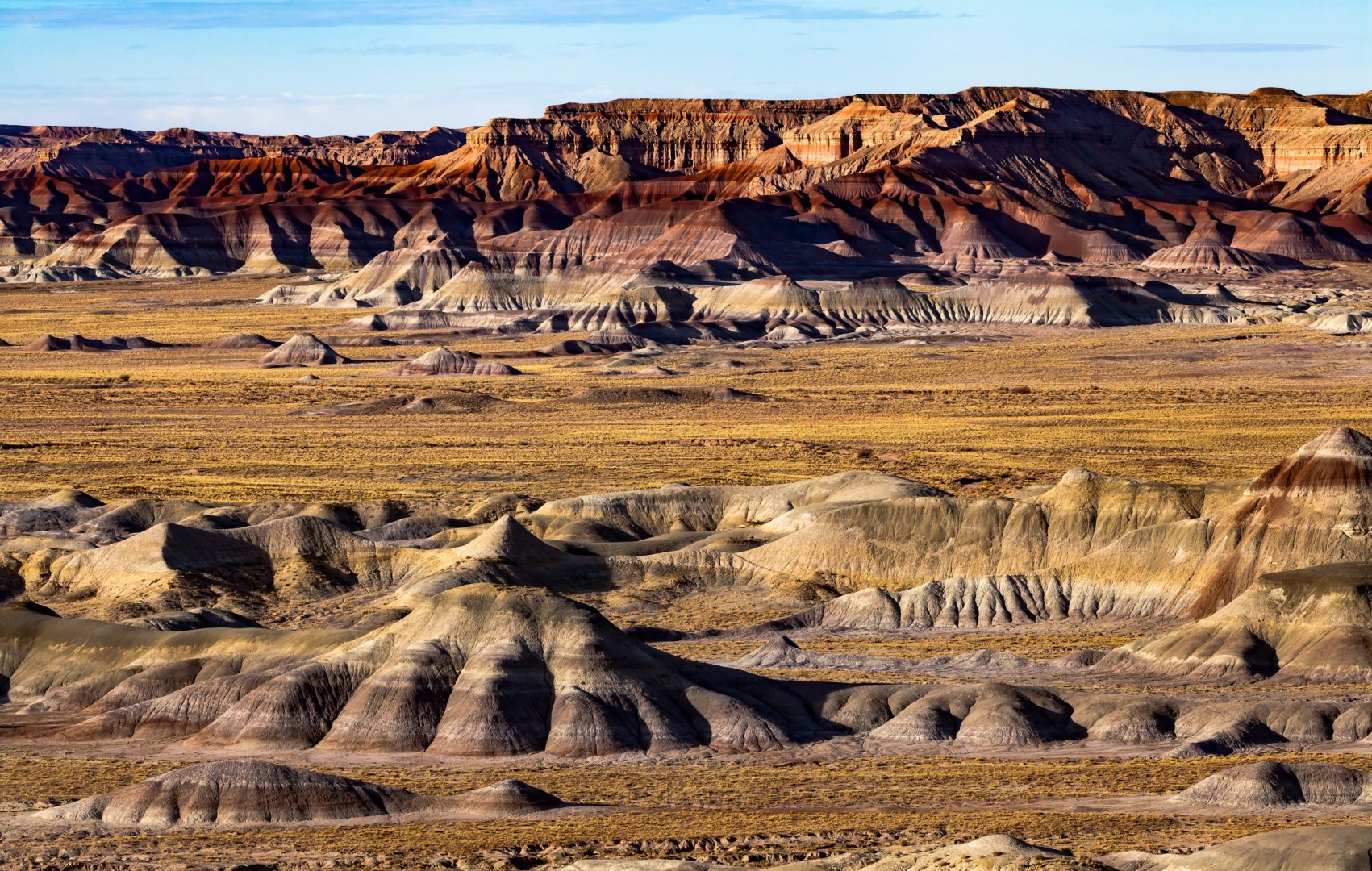
Winslow
Winslow is a small city in northeastern Arizona, located on the high desert along the historic Route 66 corridor. Its setting combines broad grasslands, distant mesas, and the Little Colorado River with a compact downtown shaped by railroad and highway travel. Winslow is particularly associated with the Santa Fe Railway, which made the community an important transportation center, and with the famous Route 66 song lyric that brought the city wider recognition.
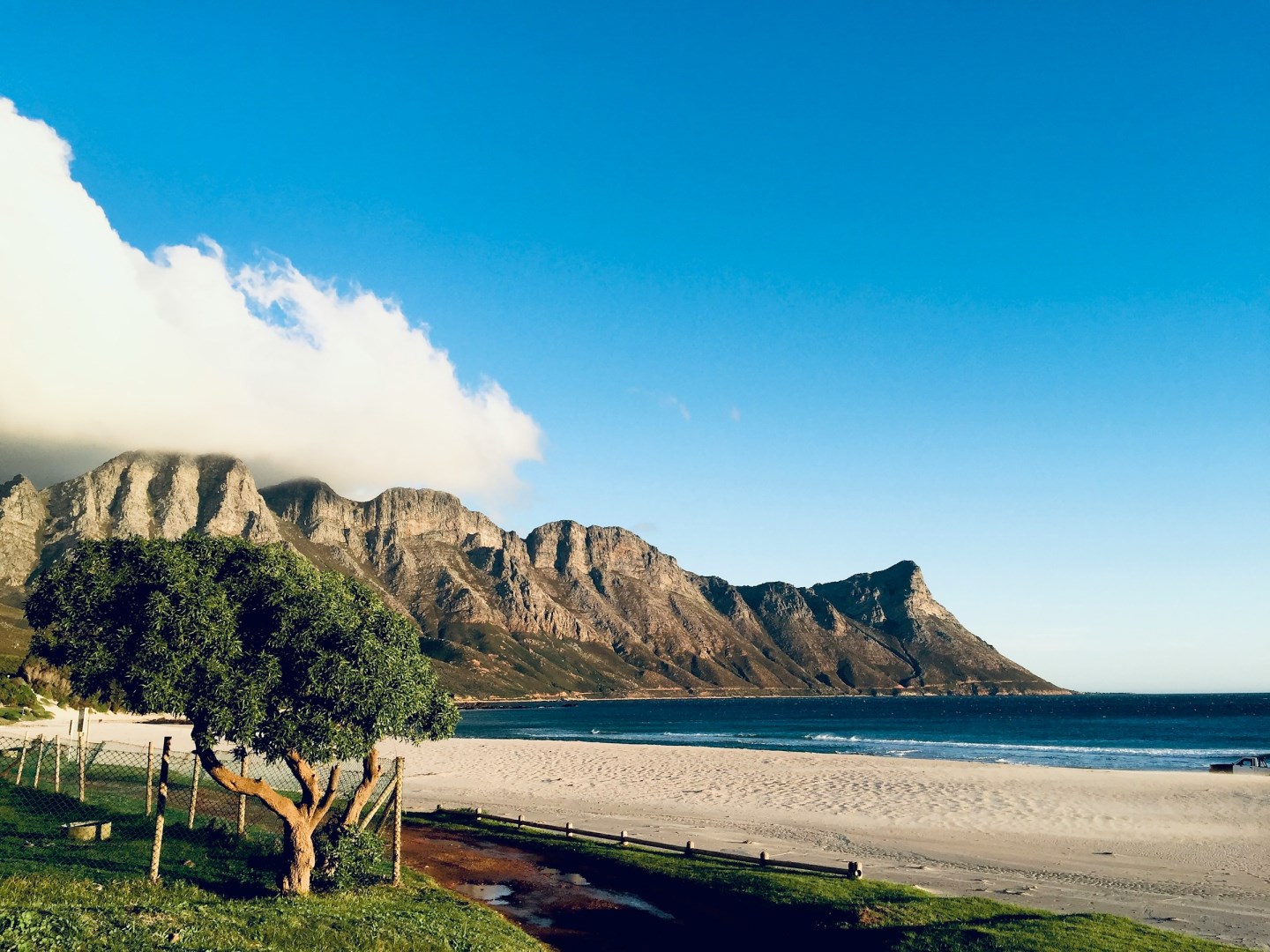
Western Cape
Western Cape is a province in southwestern South Africa, extending from the Atlantic coast across the Cape Fold Mountains, inland valleys, and dry Karoo landscapes. Cape Town is its provincial capital and largest city, while towns such as Stellenbosch, George, Hermanus, and Oudtshoorn represent different parts of the region.
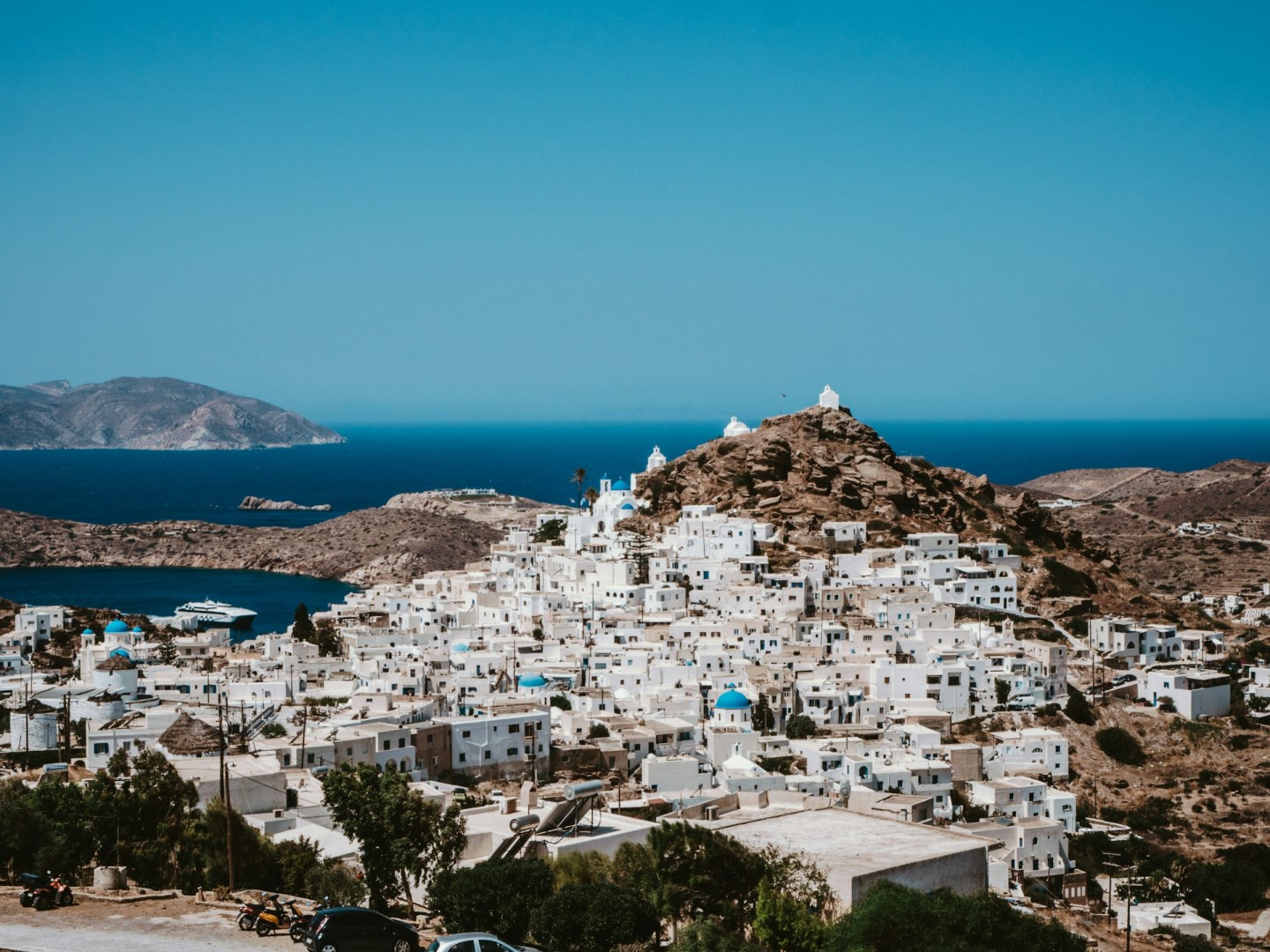
Ios
The coastline of this mountainous island is dotted with chapels, olive trees, vineyards and small exotic coves.
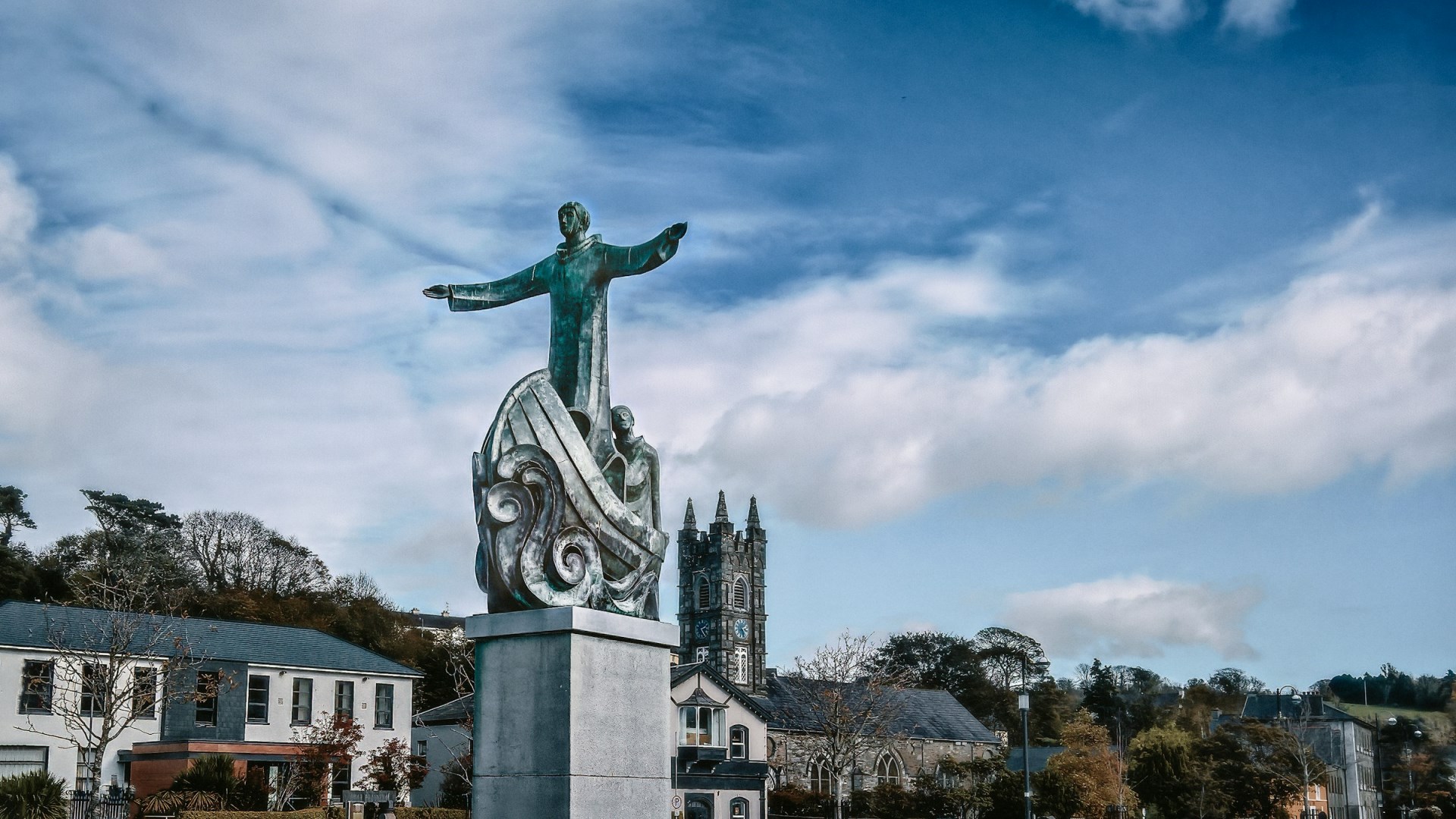
Bantry
Bantry is a market town on the northern shore of Bantry Bay in County Cork, where the coast opens toward the Atlantic Ocean. The town is surrounded by wooded hills, farmland, and a sheltered bay dotted with islands and peninsulas. Its harbor remains an important feature, while the main square and streets contain shops, cafés, pubs, and other local businesses serving the surrounding communities.