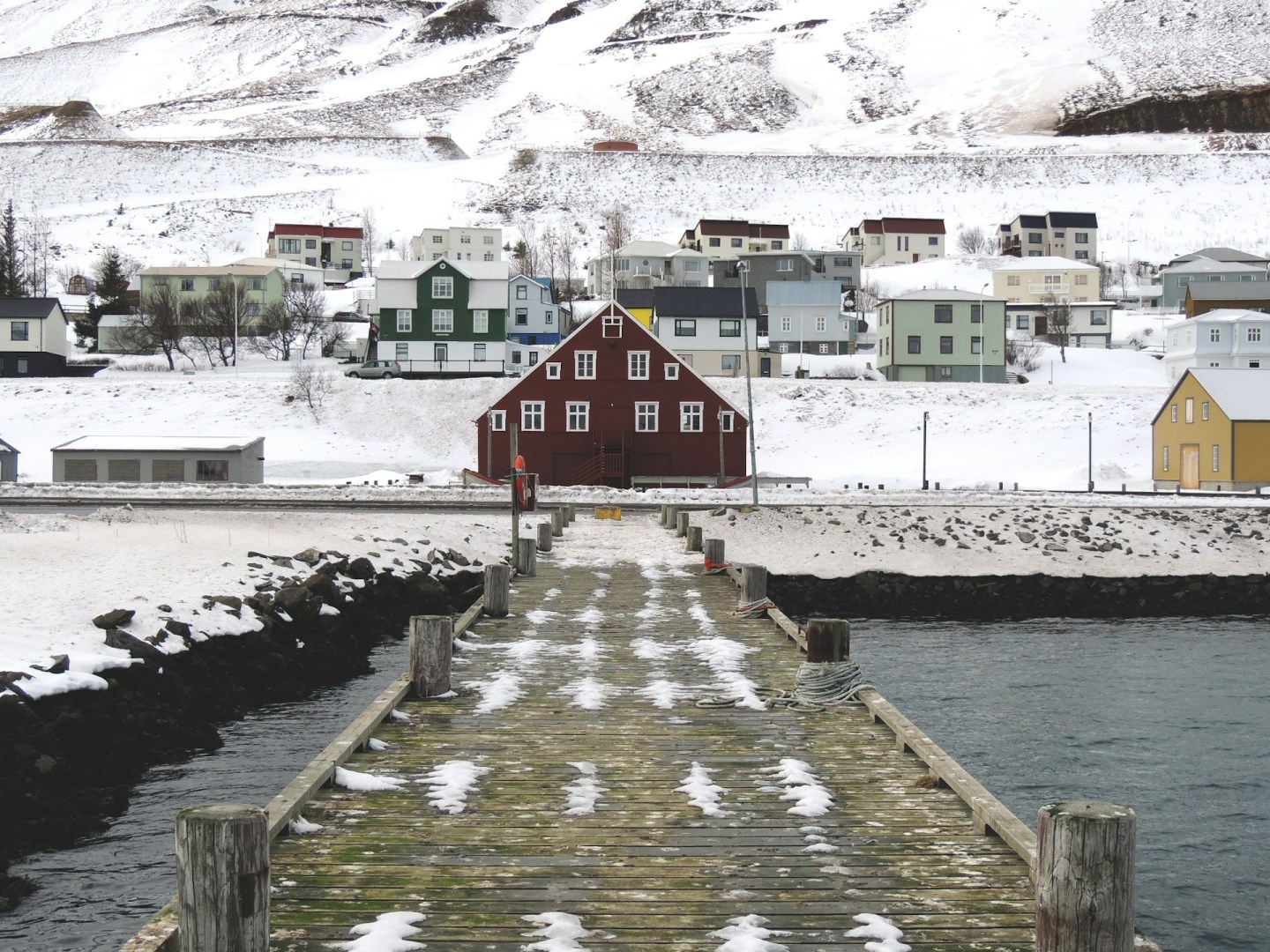
Siglufjörður
Siglufjörður is Iceland’s northernmost mainland town, set at the head of a narrow fjord on the mountainous Trollaskagi Peninsula. Steep slopes rise closely around the harbor, giving the settlement a compact setting shaped by the sea and mountains. Fishing remains central to local life, while the harbor, small streets, cafés, galleries, and museums reflect the town’s role as a regional community.
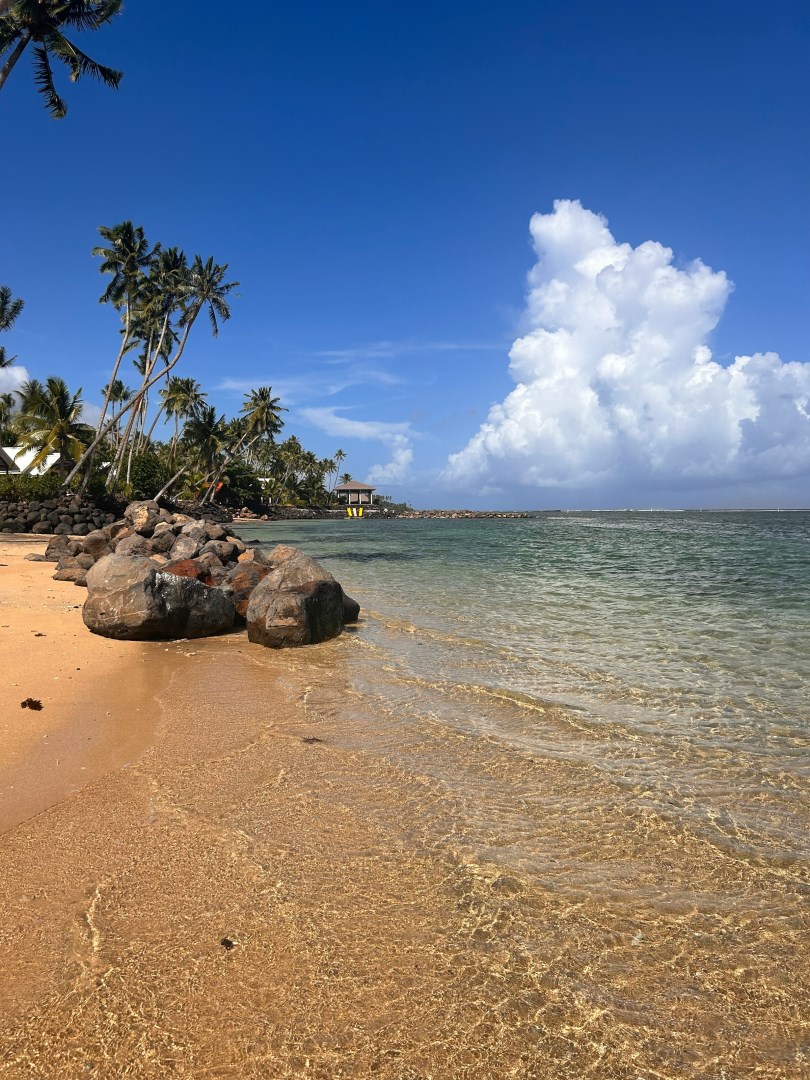
Upolu
Upolu is the more populated of Samoa’s two main islands and is home to Apia, the country’s capital and principal urban center. The island stretches from volcanic mountains in the interior to a deeply indented coastline of bays, beaches, and coral reefs. Lush vegetation covers much of the landscape, with villages, plantations, and gardens occupying the lower slopes and coastal areas.
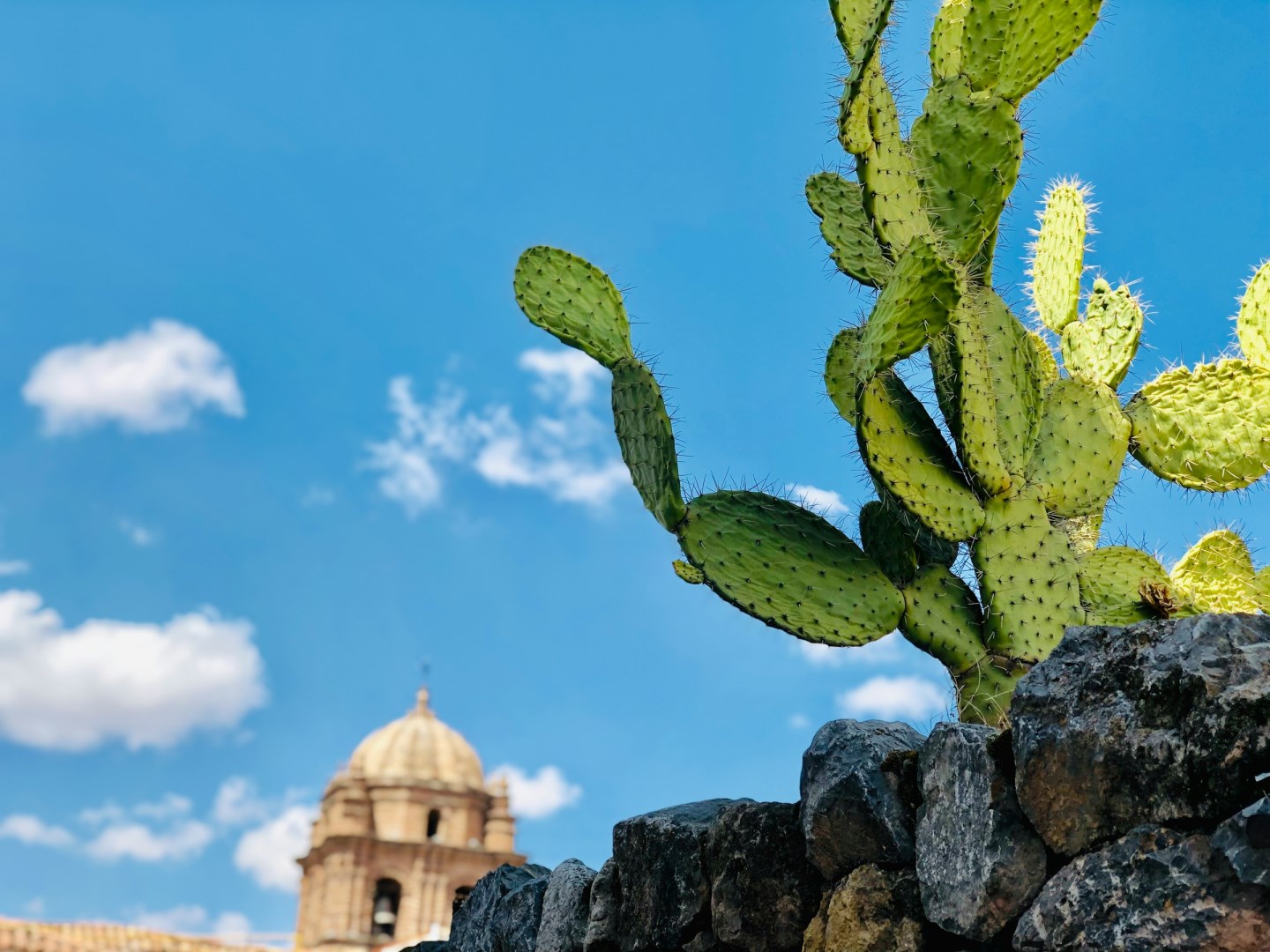
Cusco
Cusco once served as the heart of the Inca Empire, and that legacy still shapes every corner of the city even as it serves as a gateway to Machu Picchu. Outside the historic center, the ruins of Sacsayhuamán overlook the city from a nearby hilltop. This ceremonial complex is best known for its massive zigzag stone walls, some weighing over 100 tons. During the Inti Raymi festival in June, thousands gather here to reenact ancient Andean rituals.
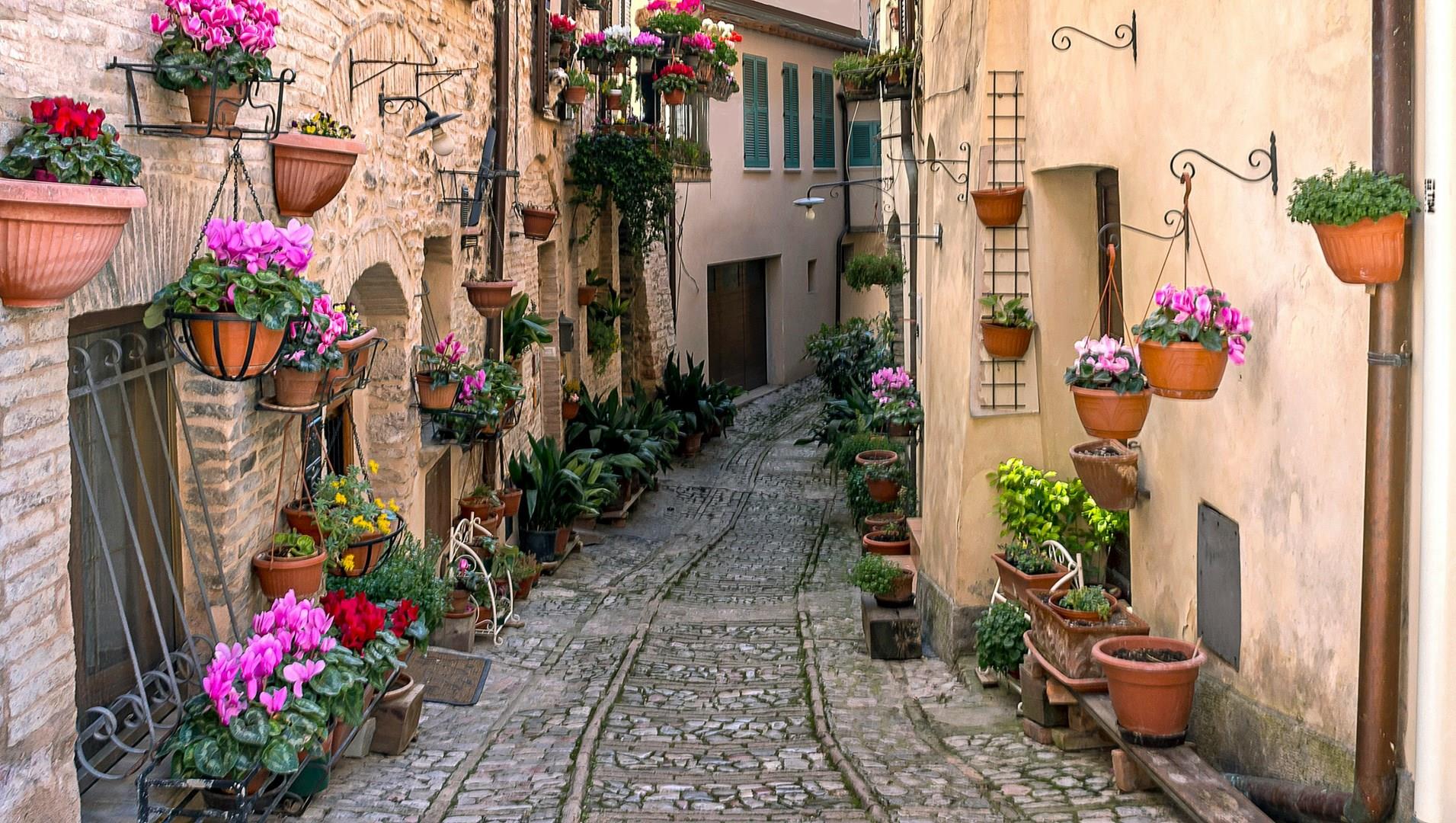
Spello
Spello sits high on the slopes of Mount Subasio in the heart of Umbria, where visitors step into a place shaped by centuries of history. Each year, Spello’s streets become a living canvas during the Infiorate di Spello, a long-standing celebration tied to Corpus Christi. Residents work through the night before the feast to lay flower petals along the town’s main thoroughfares, creating patterns and images that stretch for over a mile.

Machu Picchu
Machu Picchu is a story carved into stone, perched nearly 2,500 meters above sea level in the cloud forests of southern Peru. Built in the 15th century and later abandoned, this Inca citadel was unknown to the outside world until 1911, when explorer Hiram Bingham brought it to international attention. Today, it remains remarkably well-preserved, with more than 150 stone structures, terraced fields, ceremonial fountains, and temples aligned with astronomical events.