Puerto Maldonado
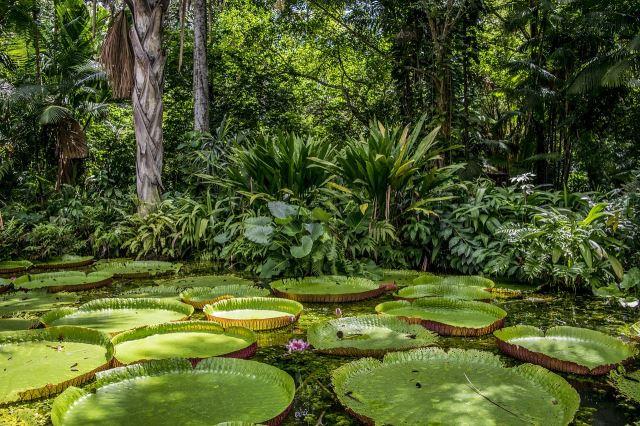
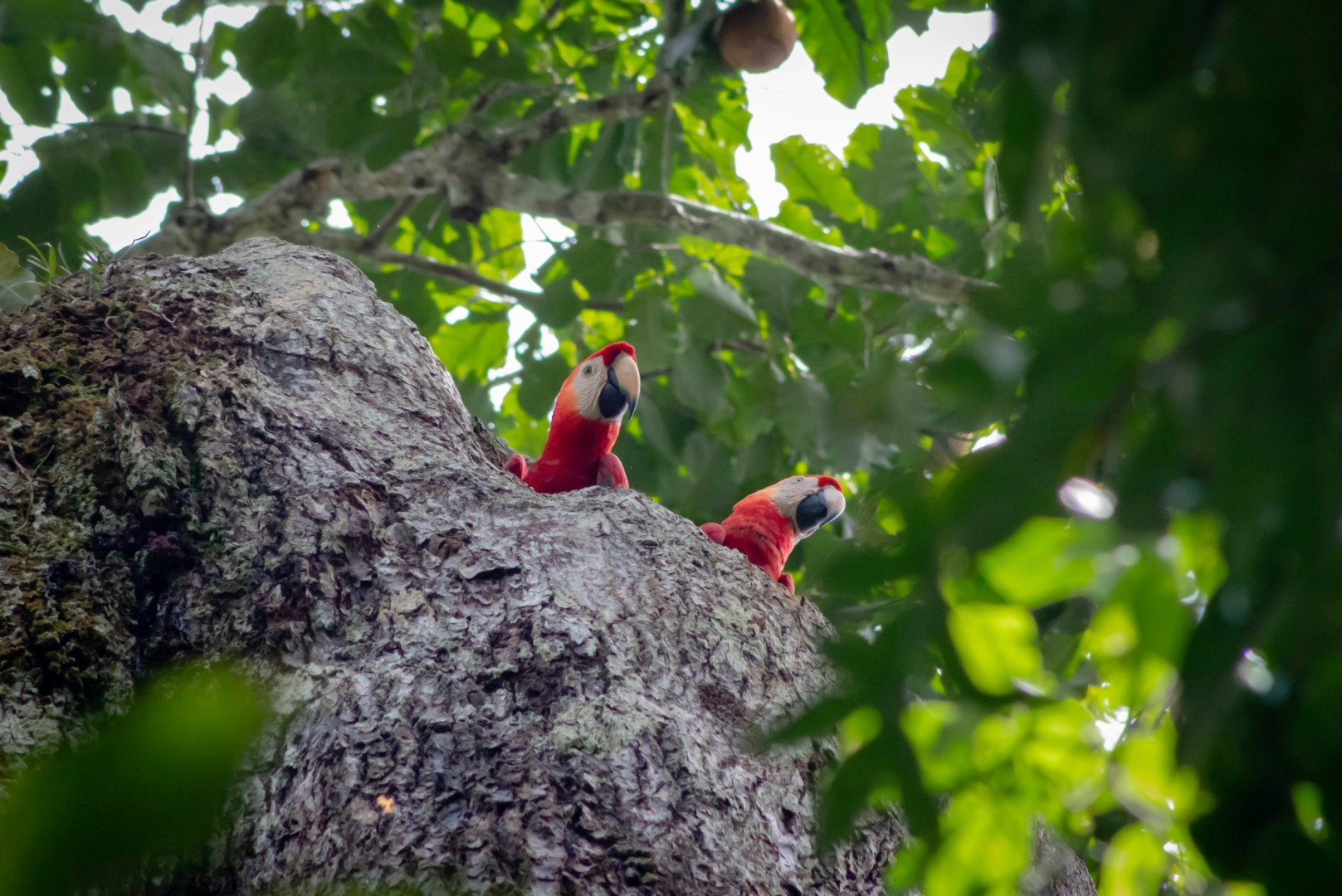
Nestled in the heart of Peru's Amazon rainforest, Puerto Maldonado serves as a gateway to one of the world's most biodiverse regions. This vibrant city, often referred to as the gateway to the Peruvian Amazon, offers a unique opportunity to explore lush rainforests, encounter exotic wildlife, and experience the rich culture of the Amazonian tribes. The nearby Tambopata National Reserve and Manu National Park are prime destinations for eco-tourists and adventurers alike.

St. Louis
St. Louis is a major city in the state of Missouri, United States, located along the western bank of the Mississippi River. It is widely recognized for the Gateway Arch, which defines its skyline and reflects its historical role as a point of movement toward the western parts of the country.
Port Antonio
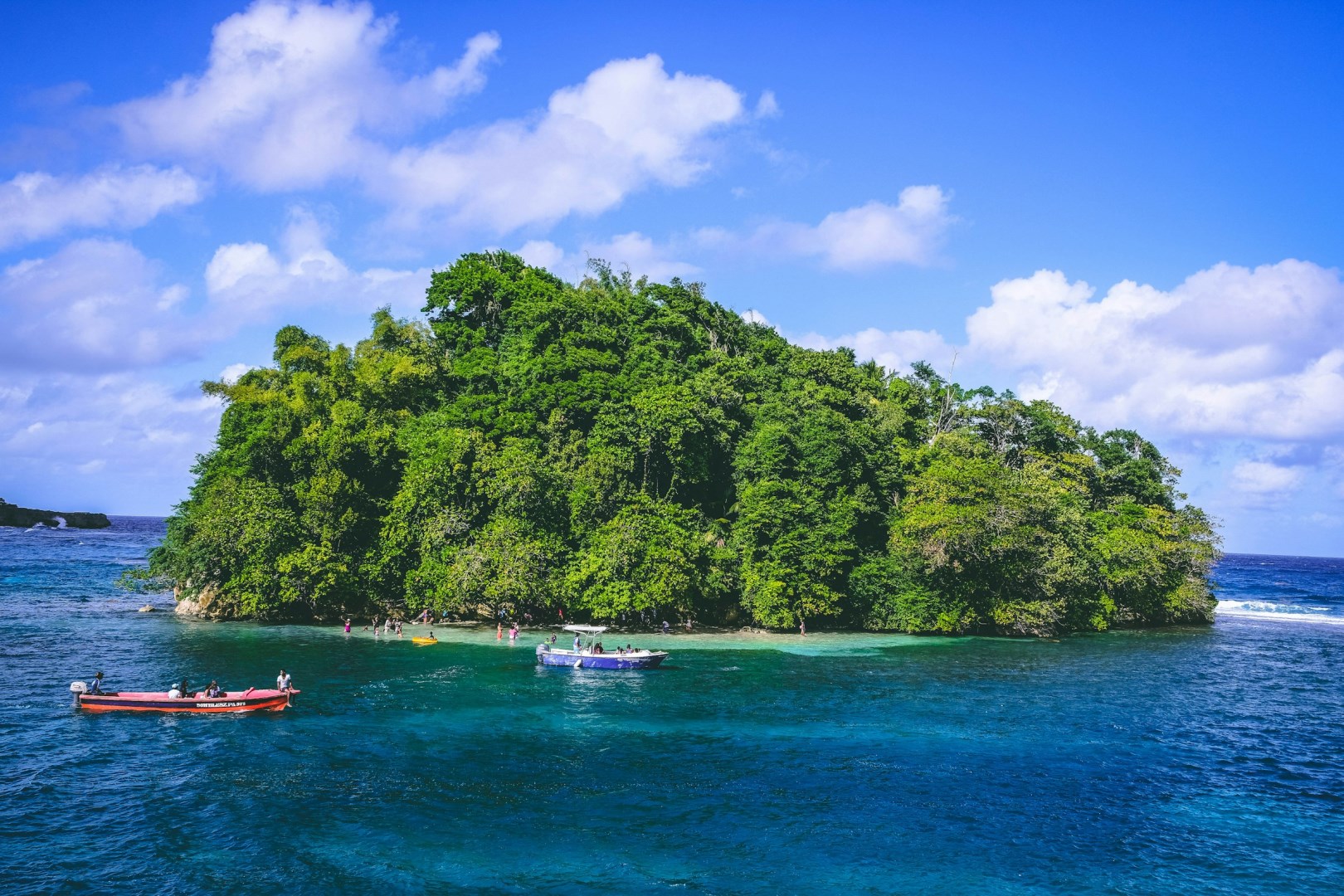
Port Antonio is a coastal town in northeastern Jamaica, serving as the capital of Portland Parish and sitting between the Caribbean Sea and the foothills of the Blue Mountains. The town is surrounded by steep green hills, rivers, bays, and tropical vegetation, with the natural harbour formed by Navy Island and the mainland providing a sheltered setting.

Canterbury
Steeped in history, Canterbury, England is a must-visit destination for lovers of medieval charm and religious significance. The centerpiece of this historic city is Canterbury Cathedral, a UNESCO World Heritage Site that has been a place of Christian worship since the 6th century. As the seat of the Archbishop of Canterbury, it is one of the most important religious buildings in England.

Faro
This is the most Moorish part of Portugal, the rich plain south of the Serra do Caldeirao, scalloped by the beaches and headlands of the Algarve. It is where, in early spring, blossoming almond trees carpet the still-brown hillsides with drifts of snow-like flowers, and the plain white facades of little houses are topped by intricately pierced chimneys that look like ice-cream cones.