Maroon Bells
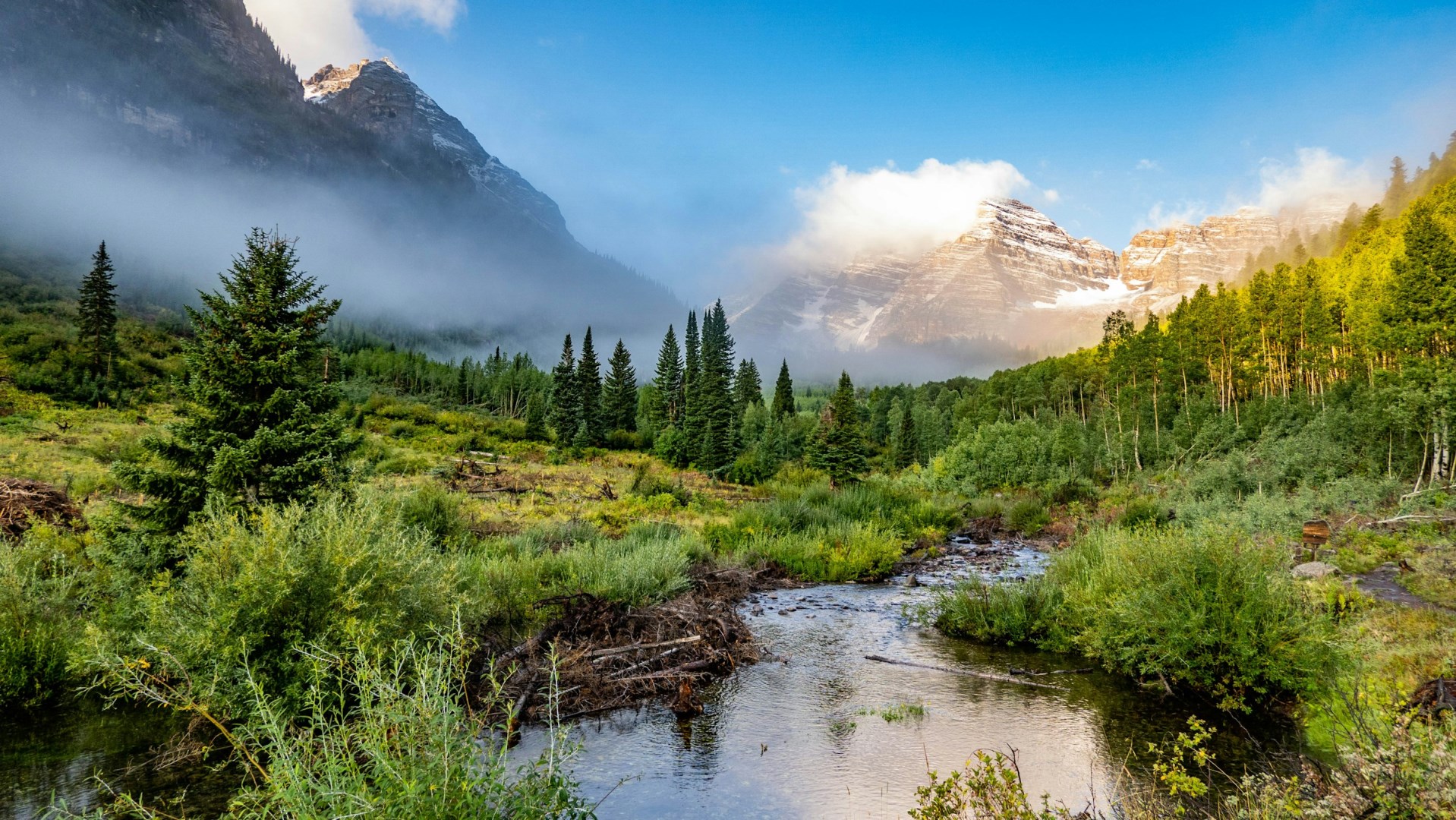
Maroon Bells is a famous mountain landscape near Aspen, Colorado, centered on two distinctive bell-shaped peaks rising above the Maroon Creek Valley. Maroon Peak and North Maroon Peak reach more than 14,000 feet, with their dark red mudstone slopes creating a strong contrast against the surrounding forests and alpine terrain.

Dominica
Dominica, known as the “Nature Island of the Caribbean,” is a haven for eco-tourists and adventure seekers. Nestled between the French islands of Guadeloupe and Martinique, this lush island boasts a remarkable landscape of volcanic mountains, dense rainforests, and stunning waterfalls. Dominica’s most iconic natural wonder is the Boiling Lake, the second-largest hot spring in the world.

Soufriere
Soufriere sits on the southwest coast of St. Lucia, framed by steep hills and the twin Pitons that rise sharply from the sea. Once the island’s original capital, the town carries deep historical roots tied to colonial rivalries and the development of plantation culture.

Liverpool
Northwest England seaport city and the birthplace of the Beatles. Tourism is centered around the city's docks, and no visit is complete without The Beatles Story tour. Live music can be found from day to night at the Cavern Club.
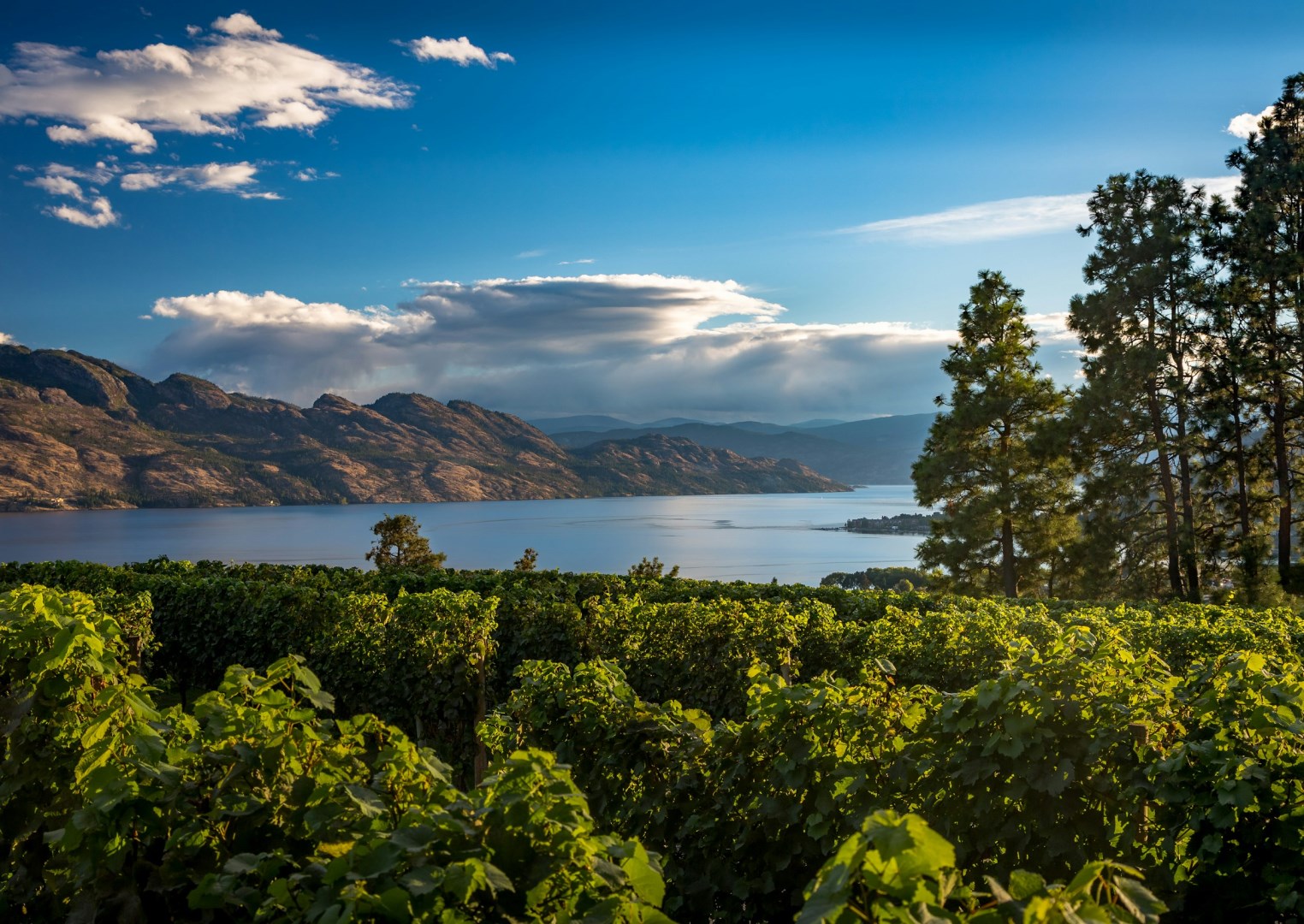
Kelowna
In the Penticton area of central British Columbia, it is known for its winter sports.