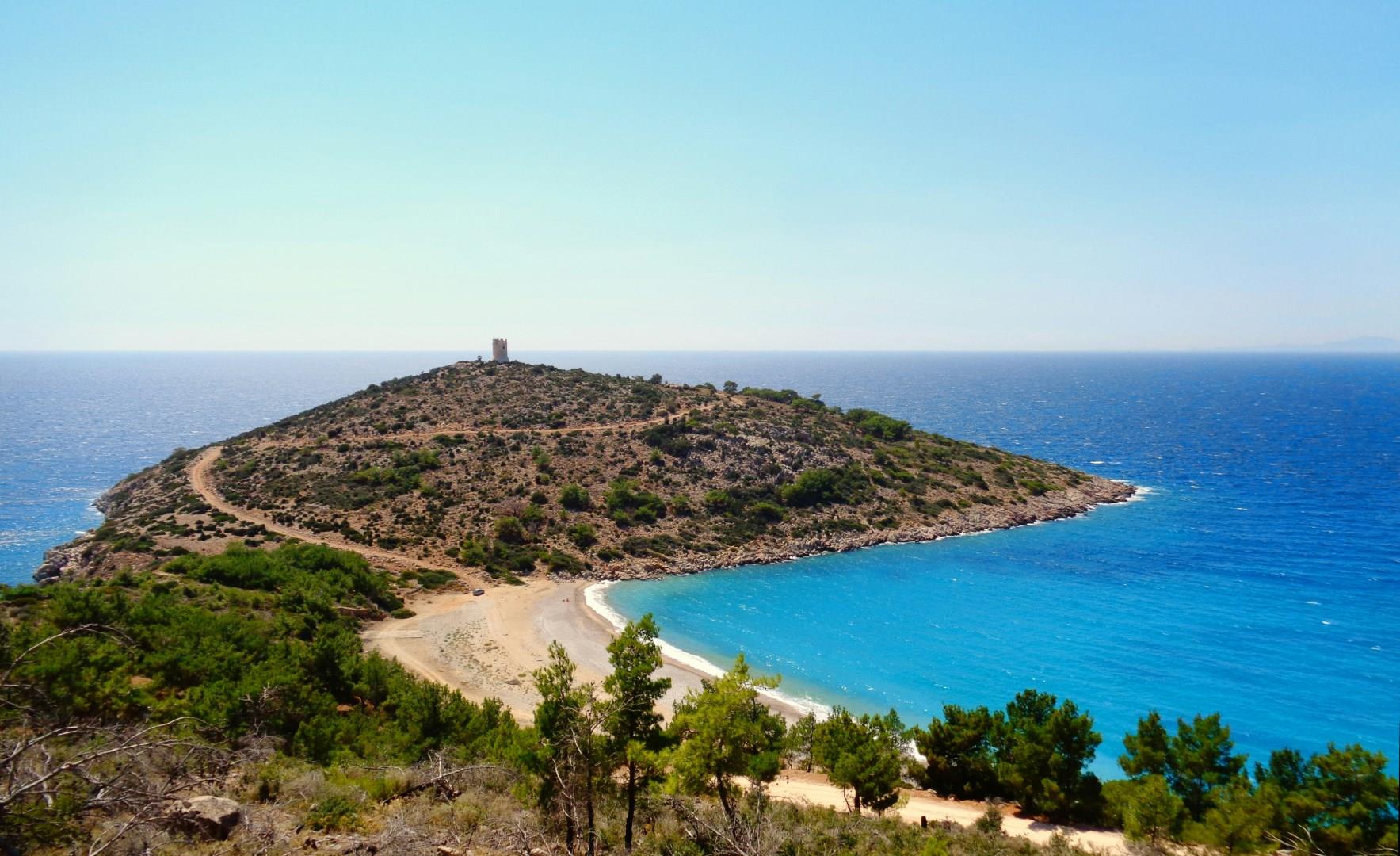
Chios
Chios lies in the northeastern Aegean, close enough to the Turkish coast that the mainland feels present in daily life.
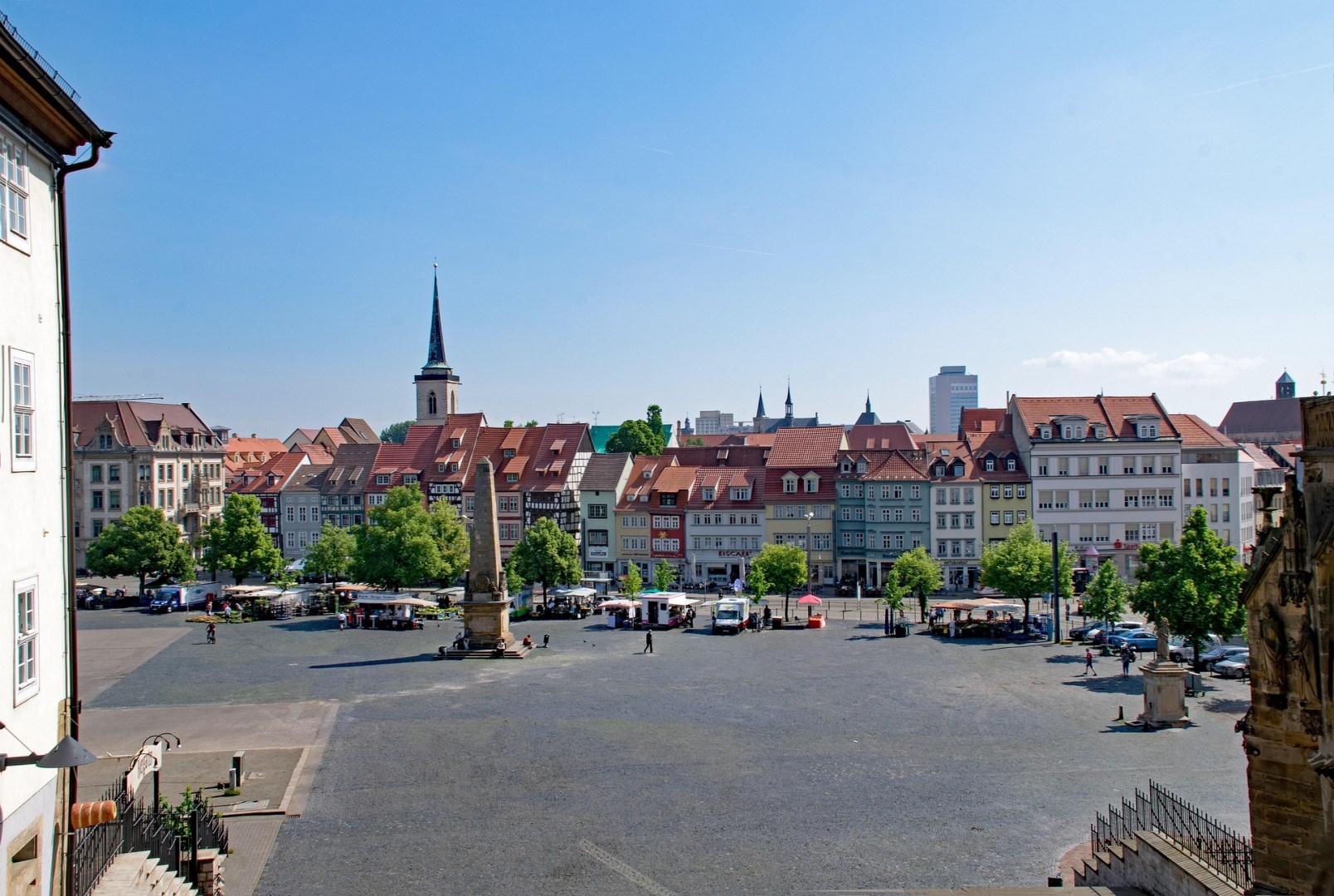
Erfurt
The skyline of Erfurt is shaped by dozens of churches, monasteries, and convents thrusting their pointed steeples upward to the sky. In the Middle Ages, Erfurt was known as "Thuringian Rome" because of its religious orders. The impressive twin churches on the Domberg (Cathedral Hill), the Roman Catholic St. Mary's Cathedral (14th century) and the Roman Catholic Parish church St. Severus with a flight of 70 outdoor steps leading from the Cathedral Square up the hill to the churches.

Corfu
Eluding Ottoman oppression sure makes you beautiful! Besides breathtaking beaches and lovely pools, this Greek island in the Ionian Sea offers many charms, from its Old Town (a UNESCO World Heritage Site) to Venetian fortresses to cypresses waving in the ocean breeze.

Verona
Verona is situated at a bend of the Adige River in northern Italy. It is hard to imagine that antique arts, monuments that date back to Roman times, and the shadows of the world's most famous tragic lovers can add up to a smiling, buzzing city. Yet they do, thanks perhaps to Verona's talent for melding her past and her present, her ancient and new so gracefully that everything blends in easy harmony.

Chiapas
This southern Mexican state borders Guatemala. Its mountainous highlands and dense rainforest are dotted with several Mayan archaeological sites and Spanish colonial towns.