Portofino
Portofino, Italy, is a jewel on the Italian Riviera, famed for its colorful buildings, glamorous yachts, and charming harbor. This picturesque fishing village, with its pastel-colored houses that cascade down to the emerald-green waters, exudes a quaint yet luxurious atmosphere. The Piazzetta, the heart of Portofino, is a lively square where visitors can sip an espresso or enjoy fresh seafood while watching the elegant boats bobbing gently in the harbor.
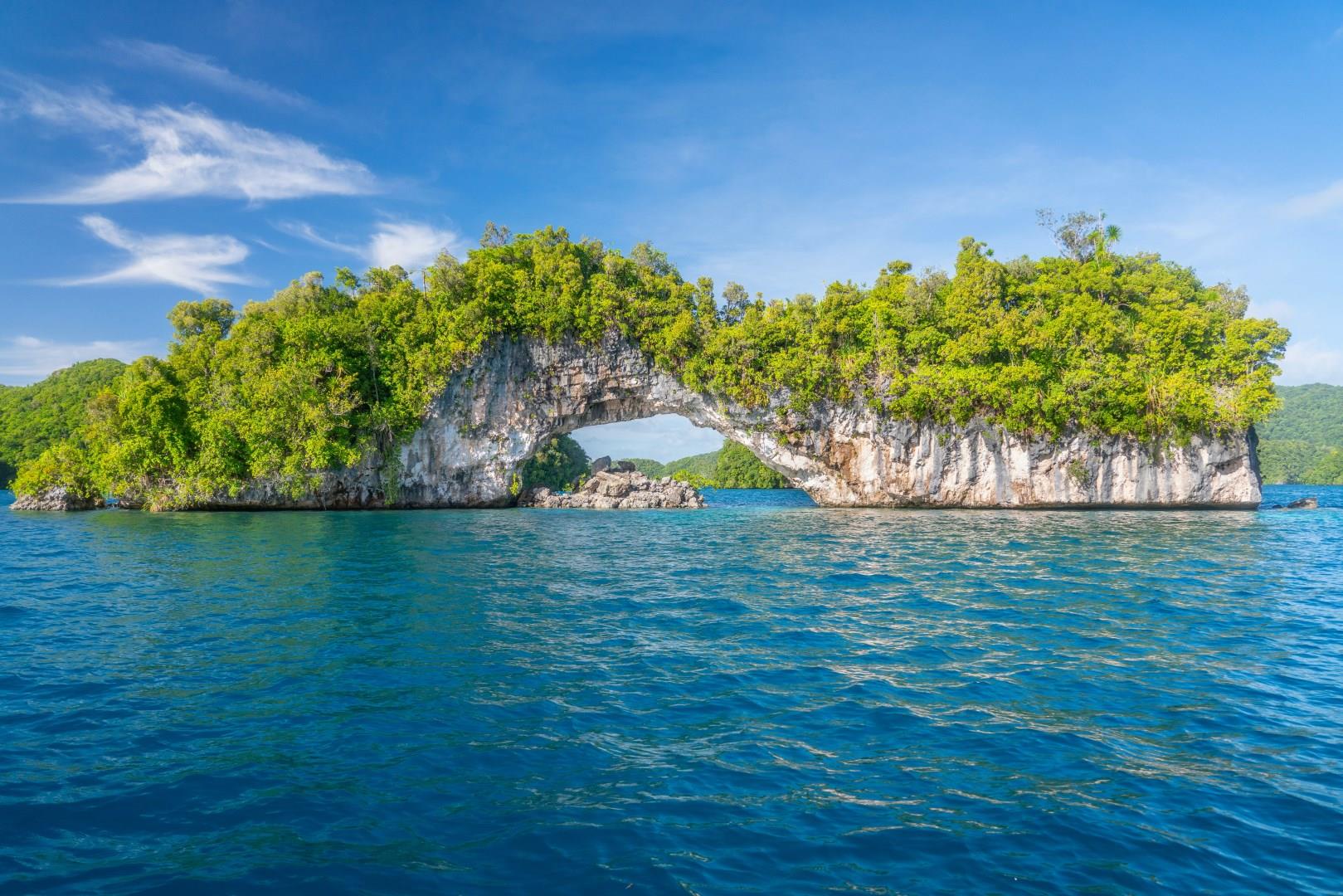
Palau
Palau, a Pacific island nation made up of over 500 islands, offers a one-of-a-kind experience for travelers who want to discover something both ancient and alive. Located between the Philippines and Guam, this small country is known for its otherworldly seascapes, but its appeal runs far deeper than its turquoise waters.

Bryce Canyon
Bryce Canyon, tucked into the high plateaus of southern Utah, offers one of the most unusual landscapes in the American Southwest. It’s not actually a canyon but a series of natural amphitheaters carved into the edge of the Paunsaugunt Plateau. What makes Bryce unique is its dense collection of hoodoos which are tall, thin spires of rock formed over millions of years by frost-wedging and erosion.

Klaksvik
Klaksvík, the second-largest town in the Faroe Islands, is a must-visit destination for those seeking a blend of nature, culture, and modern amenities. Nestled between two majestic fjords, this picturesque fishing town is surrounded by towering mountains and offers a stunning natural backdrop at every turn.

Cologne
This cultural capital and university city holds more than 2,000 years of history and is the cultural hub of Germany. Marvel at the gorgeous twin-spired Cologne Cathedral, known for its gilded medieval reliquary and sweeping river views, or lose yourself in one of Colonge's many museums for a few hours. Cologne boasts of having most pubs per person in Germany, so make sure you sit down for a refreshing regional Kölsch beer during your travels!