Pangnirtung
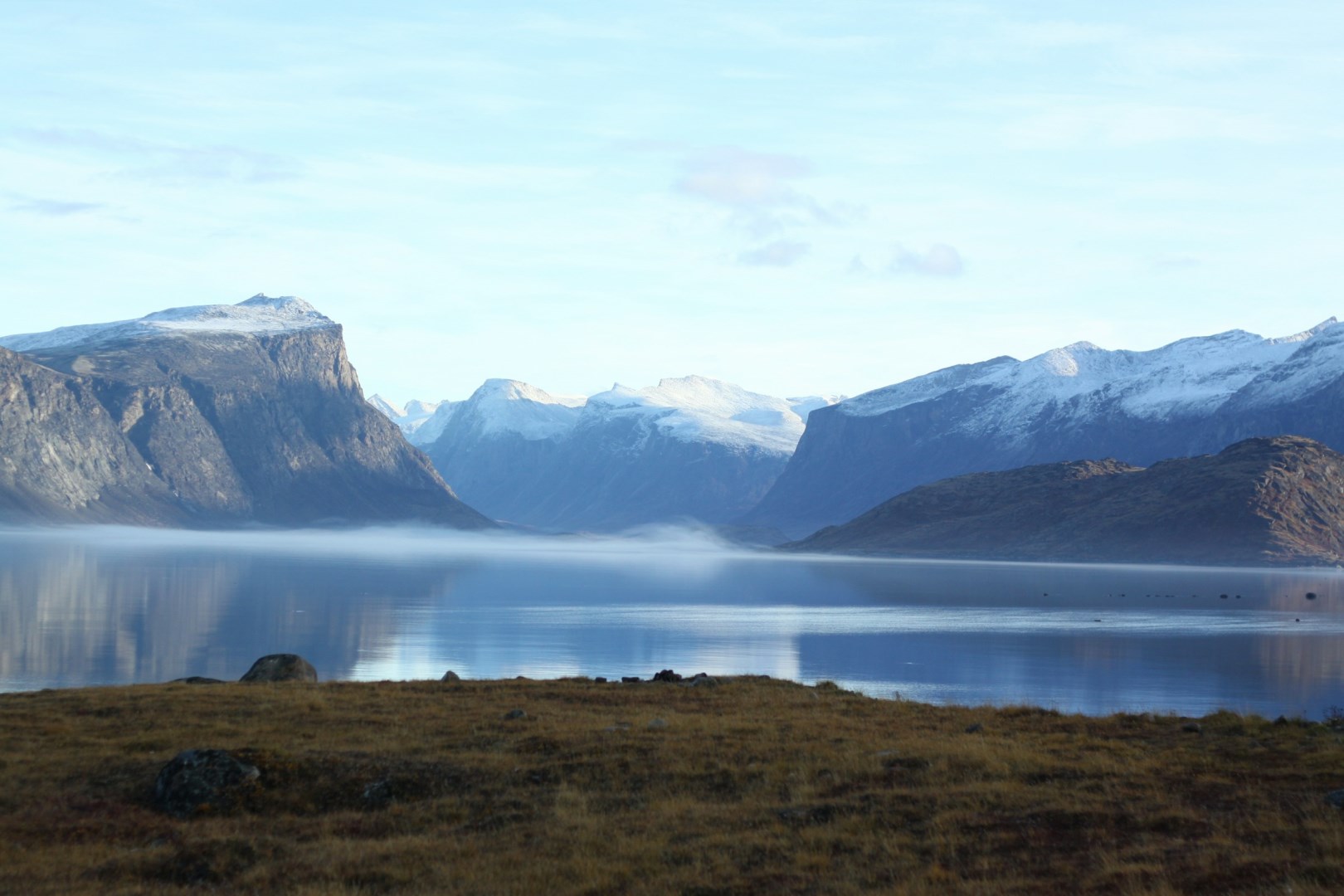
Pangnirtung is an Inuit community on the eastern shore of Cumberland Peninsula on Baffin Island, Nunavut, overlooking the sheltered waters of Pangnirtung Fiord. Steep mountains and rocky slopes rise around the settlement, while the fiord opens toward the larger waters of Cumberland Sound. The community is often called the gateway to Auyuittuq National Park, which lies nearby across dramatic Arctic terrain.
Dewey Beach
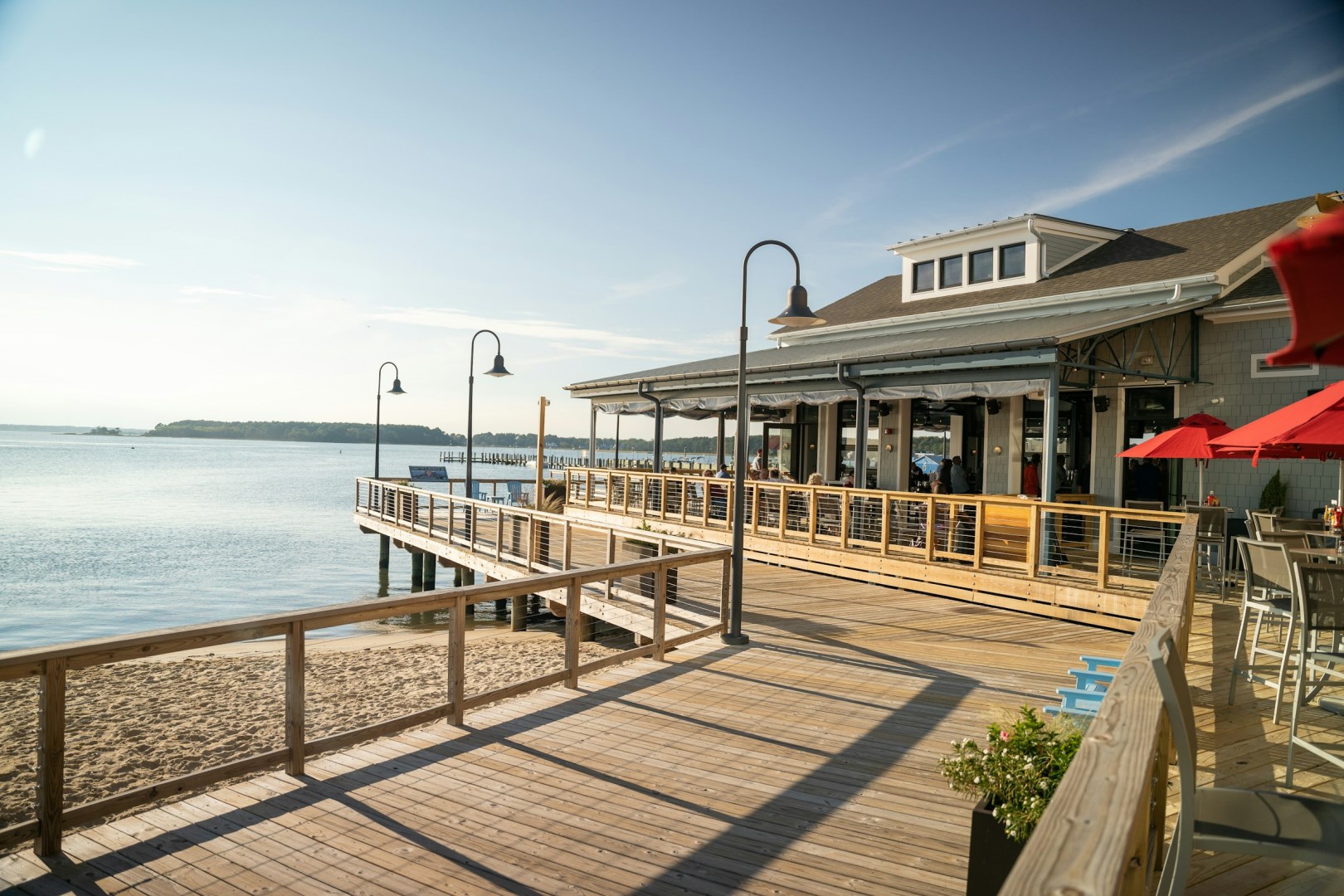
Dewey Beach is a compact coastal town in Sussex County, Delaware, situated on a narrow barrier island between the Atlantic Ocean and Rehoboth Bay. The community is known for its walkable layout, ocean beach, bayfront sunsets, and concentration of restaurants, bars, and live music venues. Its small footprint gives the town a distinct character, with most businesses and accommodations located within a few blocks of the water.

Niagara Falls
Niagara Falls, Canada, is a destination that captures the imagination with its breathtaking natural beauty and vibrant atmosphere. Straddling the border between Canada and the United States, Niagara Falls is a world-renowned wonder that consists of three powerful waterfalls: the Horseshoe Falls, the American Falls, and the Bridal Veil Falls. The Canadian side is famous for offering the most spectacular views of these cascading waters.
Bath
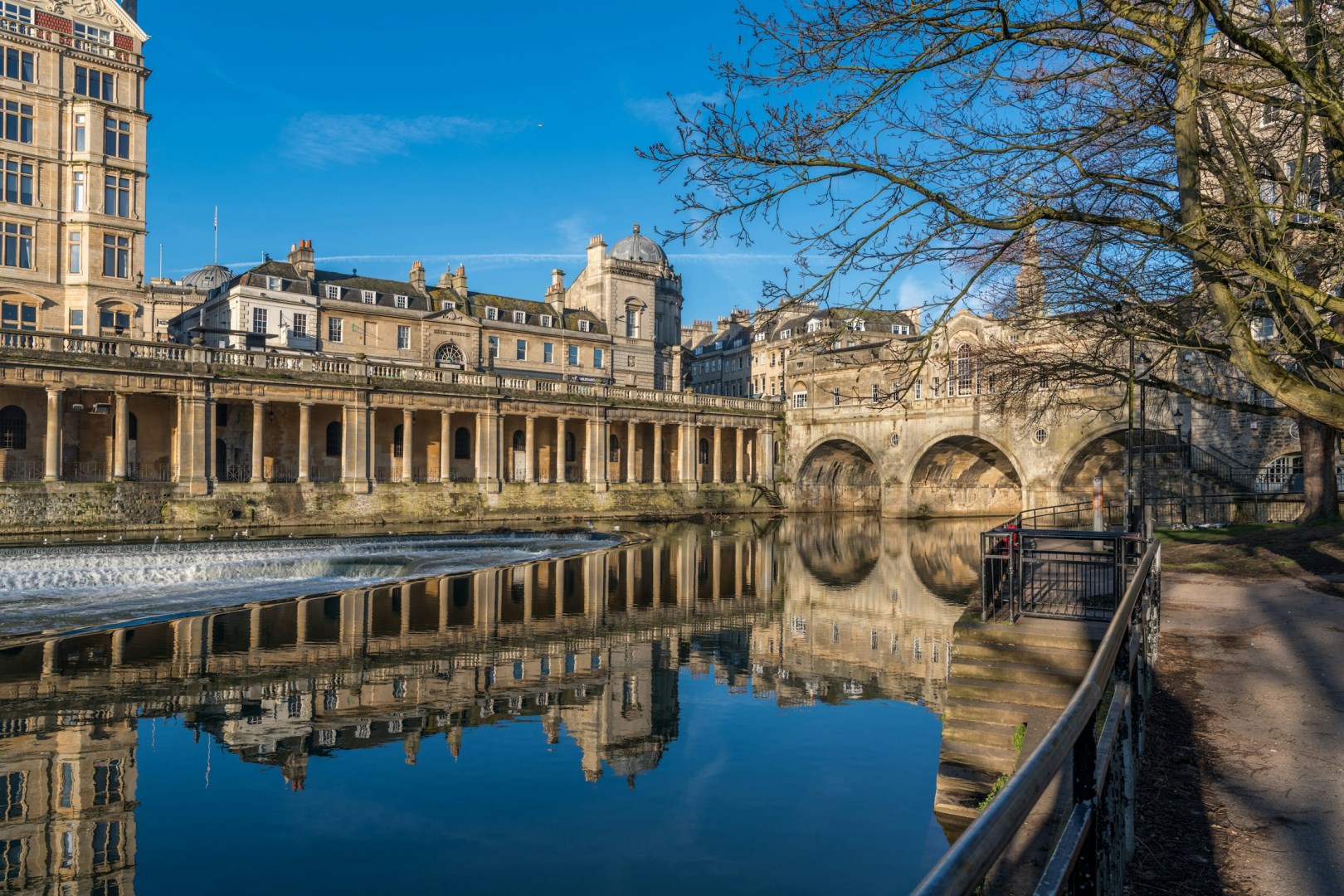
Bath is a city full of history and culture. Romans trekked many miles to bathe in the hot, soothing mineral waters of the Roman Bath. Majestic art collections were contributed to Bath from many different civilizations. The fan-vaulting at Bath Abbey has 614 memorial tablets that creates an extensive mural cenotaph to the people that contributed to the grandeur of Bath.

Karpathos
Karpathos is marked by the peculiar Karpathian houses, built of carved stone, full of embroidery and characteristic interior decorations. From Pigadia you may visit Kyra Panagia, a picturesque bay with a marvelous beach and a monastery of the same name. A little further, on the northern promontory of Karpathos, lies the Diafani village; on the nearby little island of Saria we see Palatia, with ruins of the ancient city of Nisyros.