Le Tampon
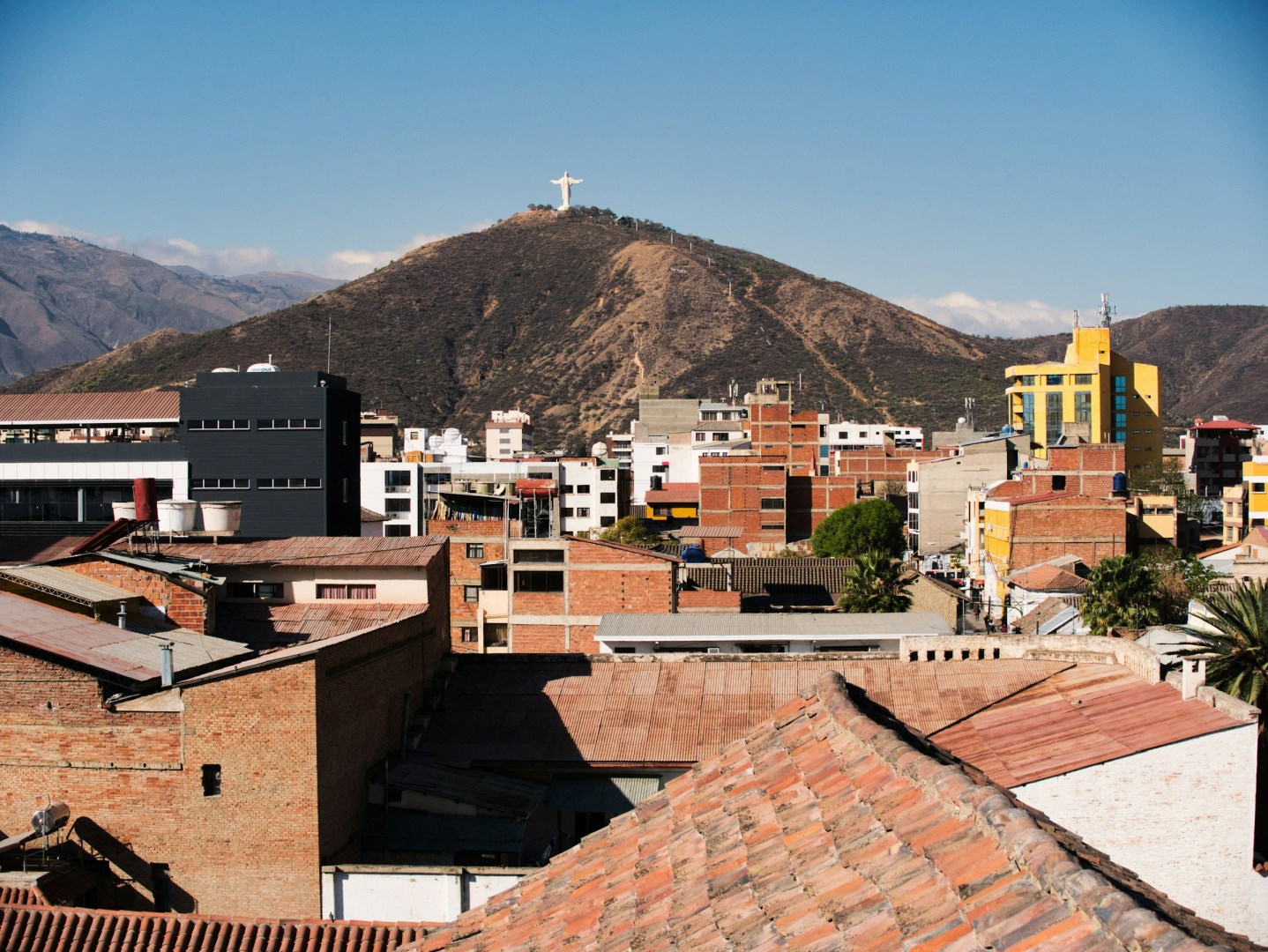
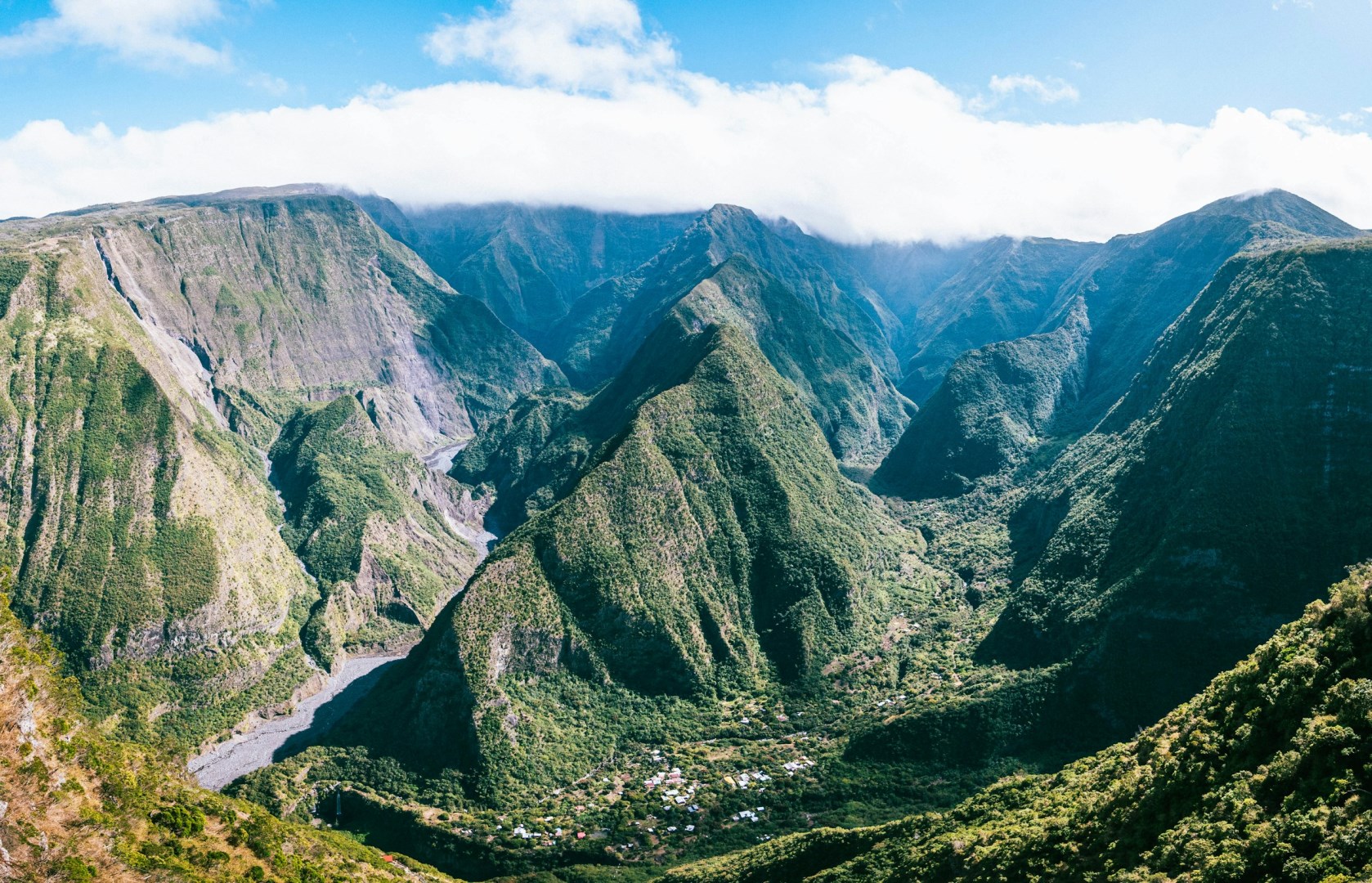
Le Tampon is a commune in the southern highlands of Réunion, a French island in the southwestern Indian Ocean.
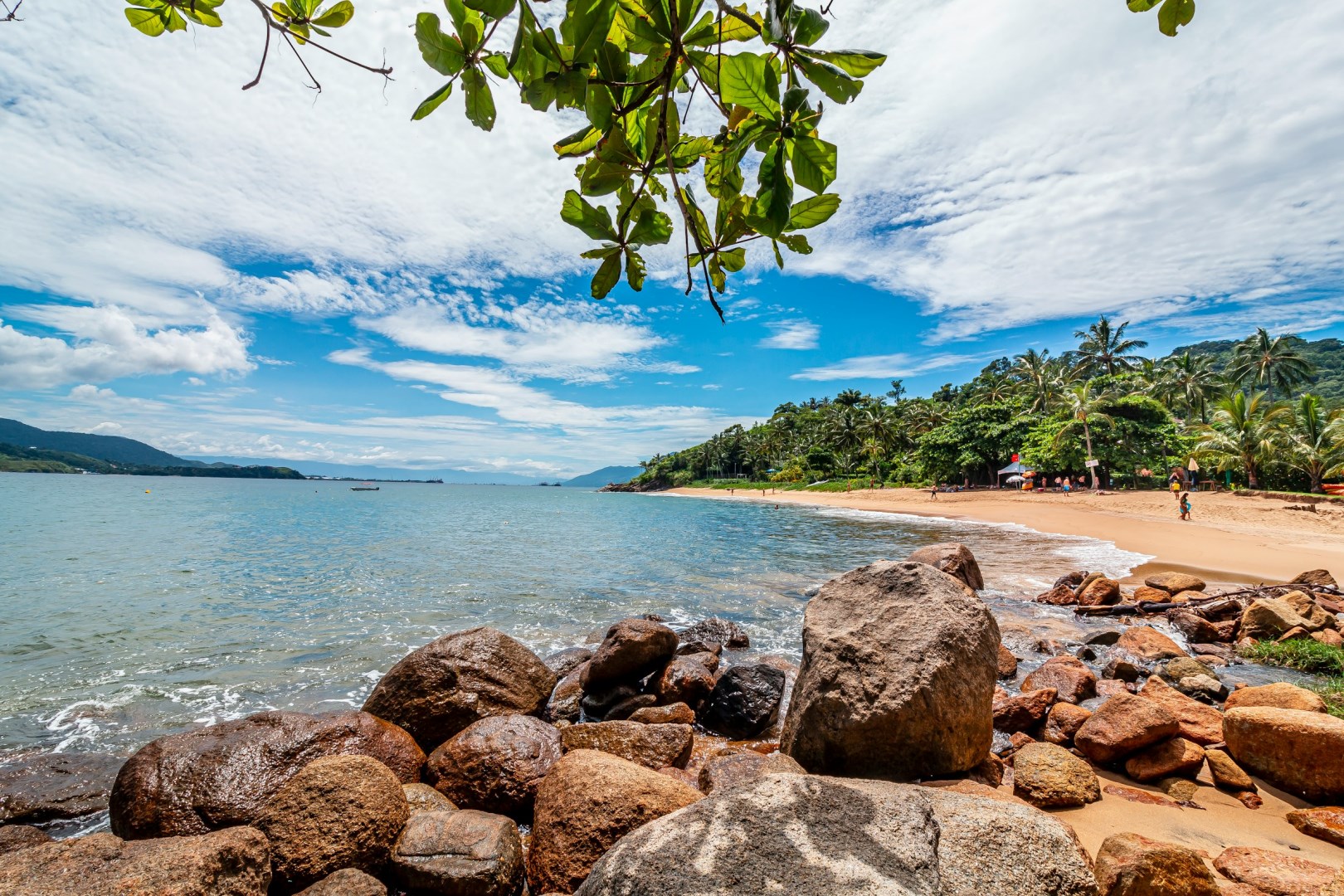
Ilhabela
Ilhabela is an archipelago municipality on the northern coast of São Paulo, separated from the mainland by the São Sebastião Channel. Its main island combines a developed coastal area with extensive Atlantic Forest, while smaller islands and islets form part of the same municipality. The town is known for sailing, beaches, waterfalls, and maritime activities, and it holds the official title of National Capital of Sailing.

Portsmouth
Whether it’s delving into naval history, enjoying panoramic views, or soaking in the coastal charm, Portsmouth offers an engaging and memorable experience for all who visit.
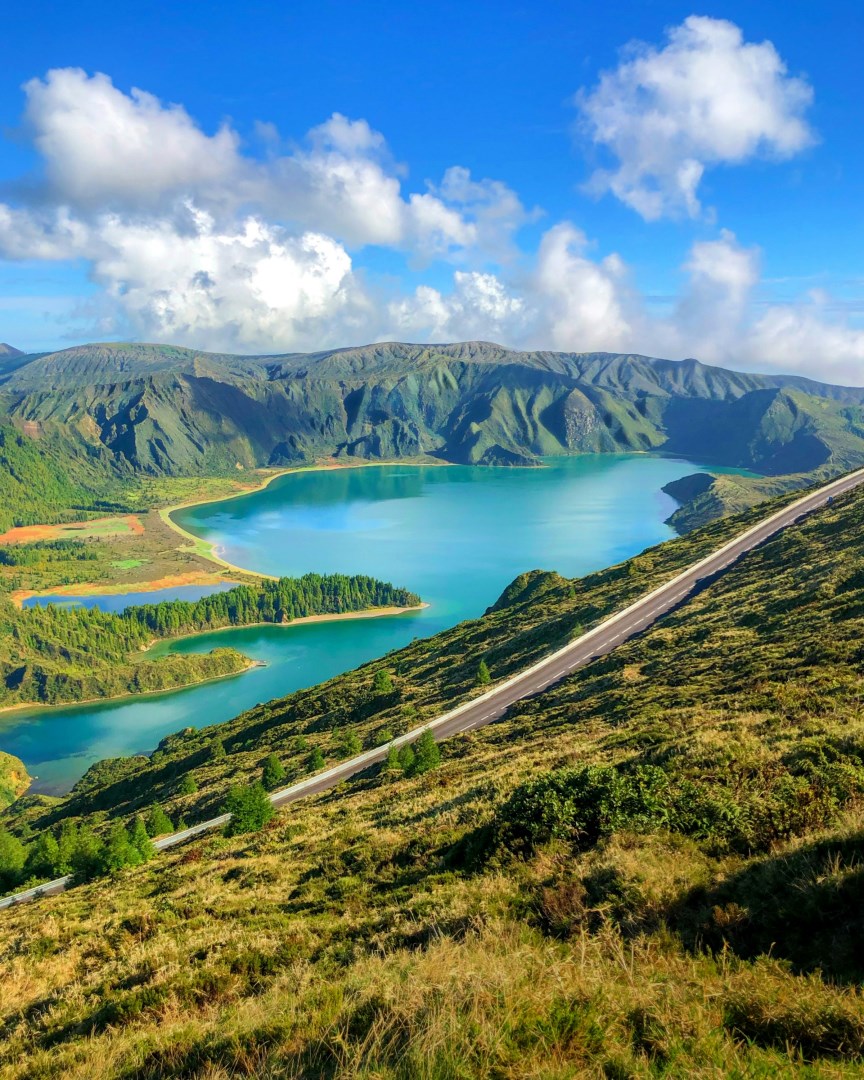
Lagoa do Fogo
Lagoa do Fogo is a volcanic crater lake on São Miguel Island in Portugal’s Azores archipelago. Set within a protected landscape in the island’s central highlands, the lake occupies a large caldera surrounded by steep slopes covered with native vegetation. Its remote setting and undeveloped shoreline distinguish it from the more settled areas of São Miguel.
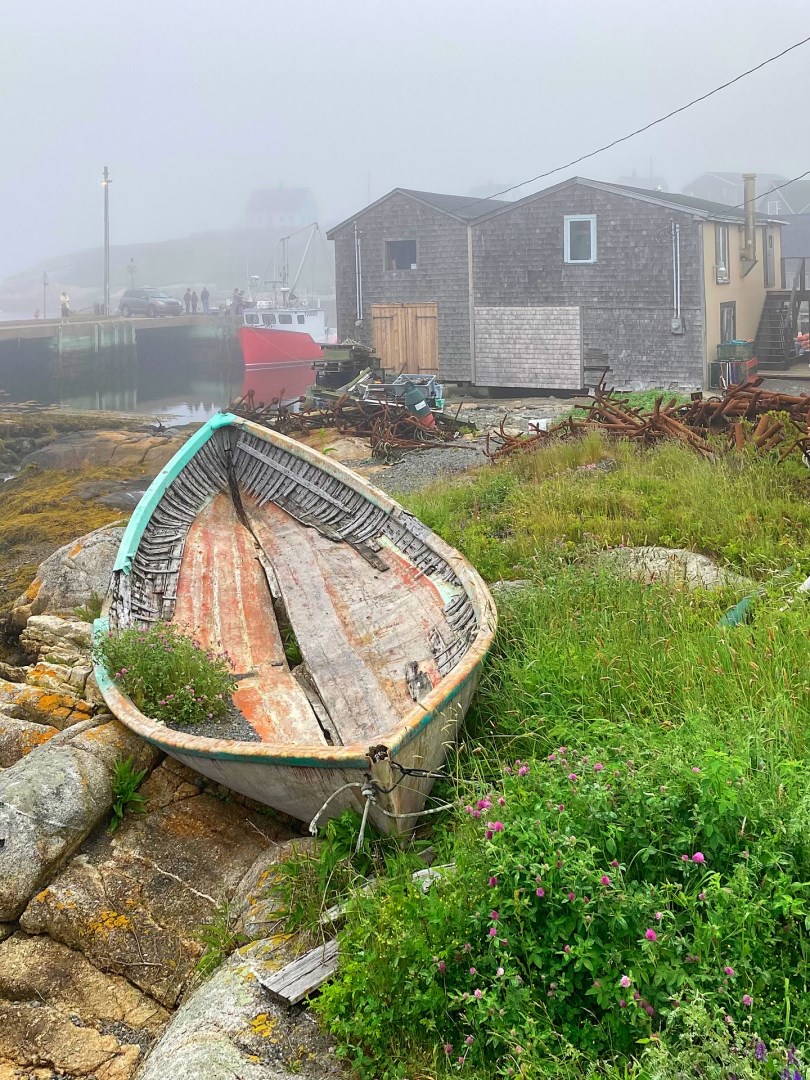
Peggy's Cove
Peggy's Cove is a small coastal community on the eastern shore of St. Margarets Bay in Nova Scotia, known for its granite shoreline, working harbour, and distinctive lighthouse. Large exposed rocks surround the village, shaped by glaciers and Atlantic weather, while spruce and fir forests cover the inland areas.