Kaziranga National Park
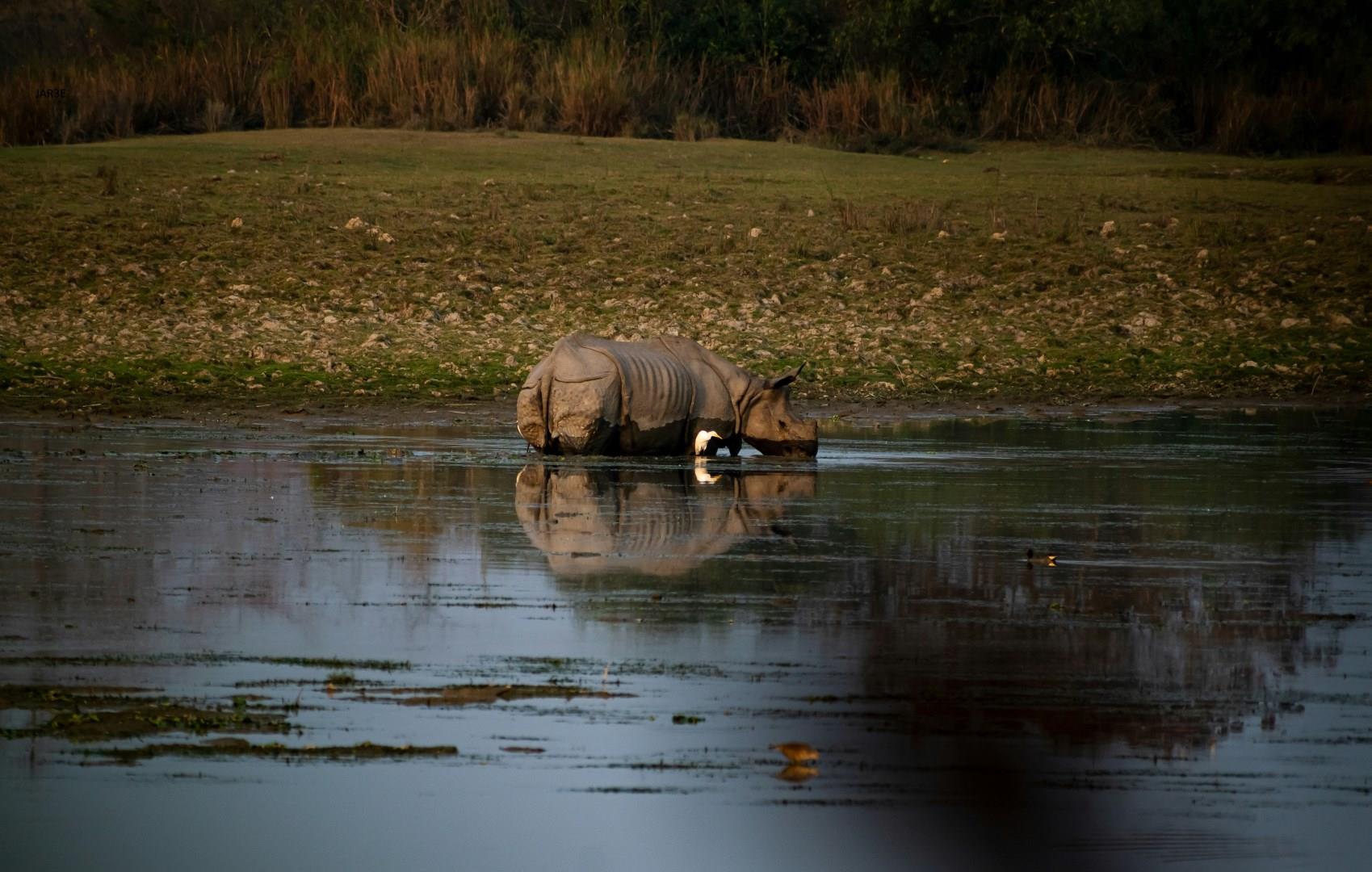
Kaziranga National Park stretches across the floodplains of the Brahmaputra River in Assam, shaped as much by water as by wildlife. Established in the early 20th century, it became central to conservation efforts in India, most notably for the greater one-horned rhinoceros. The park’s history reflects a long negotiation between protection, seasonal flooding, and the human communities that live around its edges.
Santa Margherita Ligure
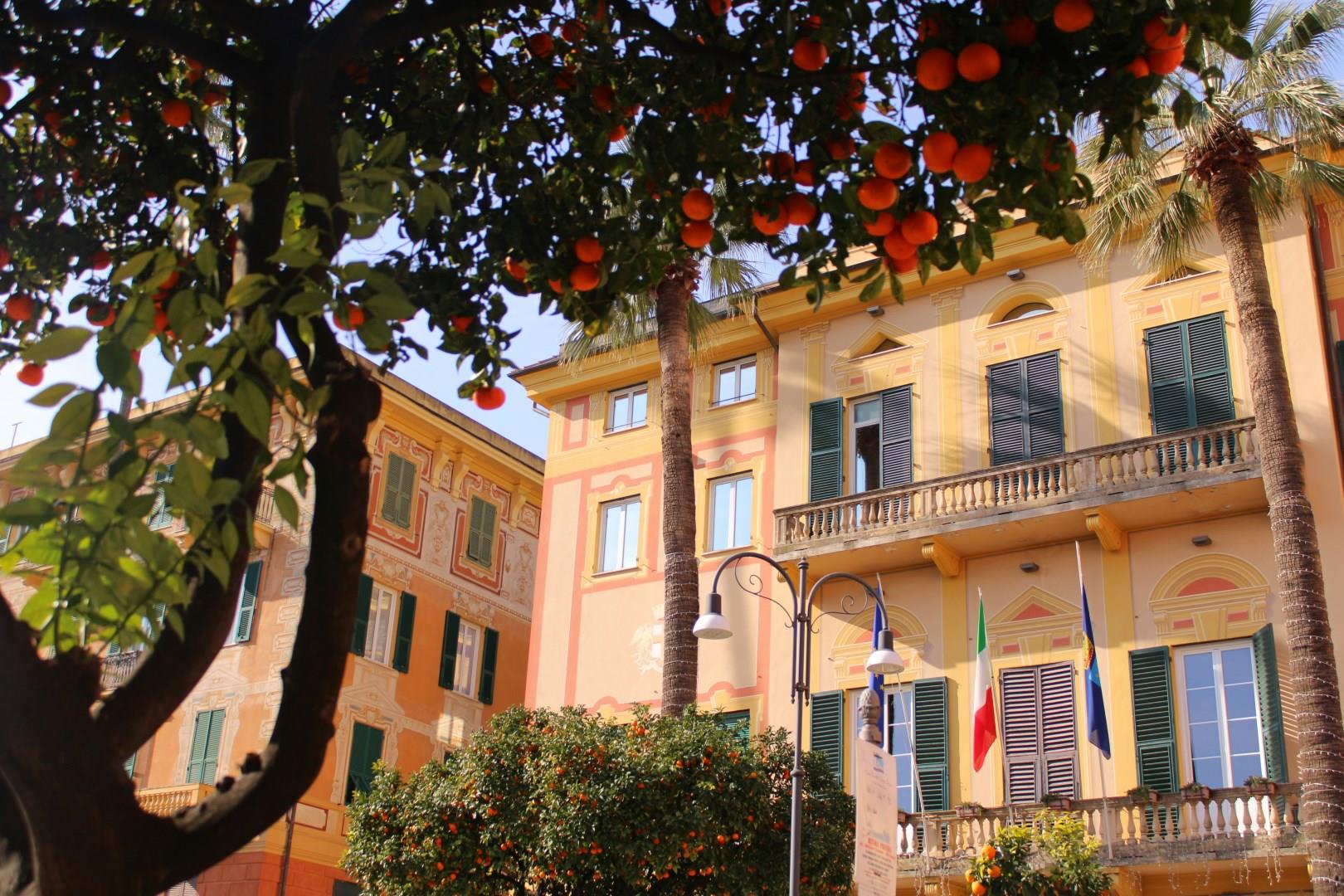
Santa Margherita Ligure is a coastal town on the Italian Riviera in the Liguria region of northwestern Italy. Positioned along the Gulf of Tigullio, the town is known for its palm-lined waterfront, pastel-colored buildings, fishing harbor, and hillside villas overlooking the Ligurian Sea.
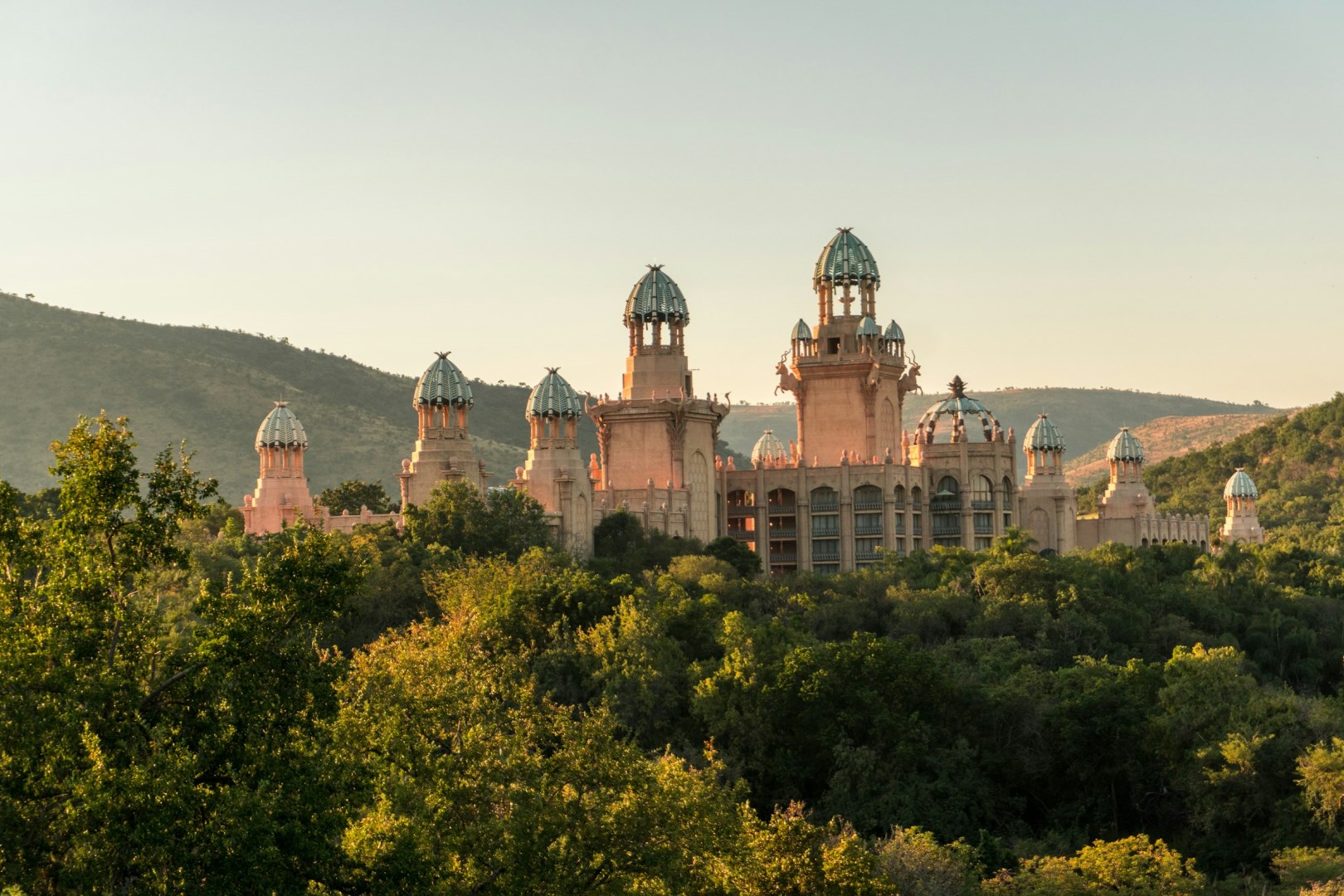
Sun City
Suncity South Africa is internationally renowned as Africa 's premier holiday resort. Suncity offers a myriad of different entertainment and relaxation opportunities, as well as enough attractions and activities to keep everyone busy.
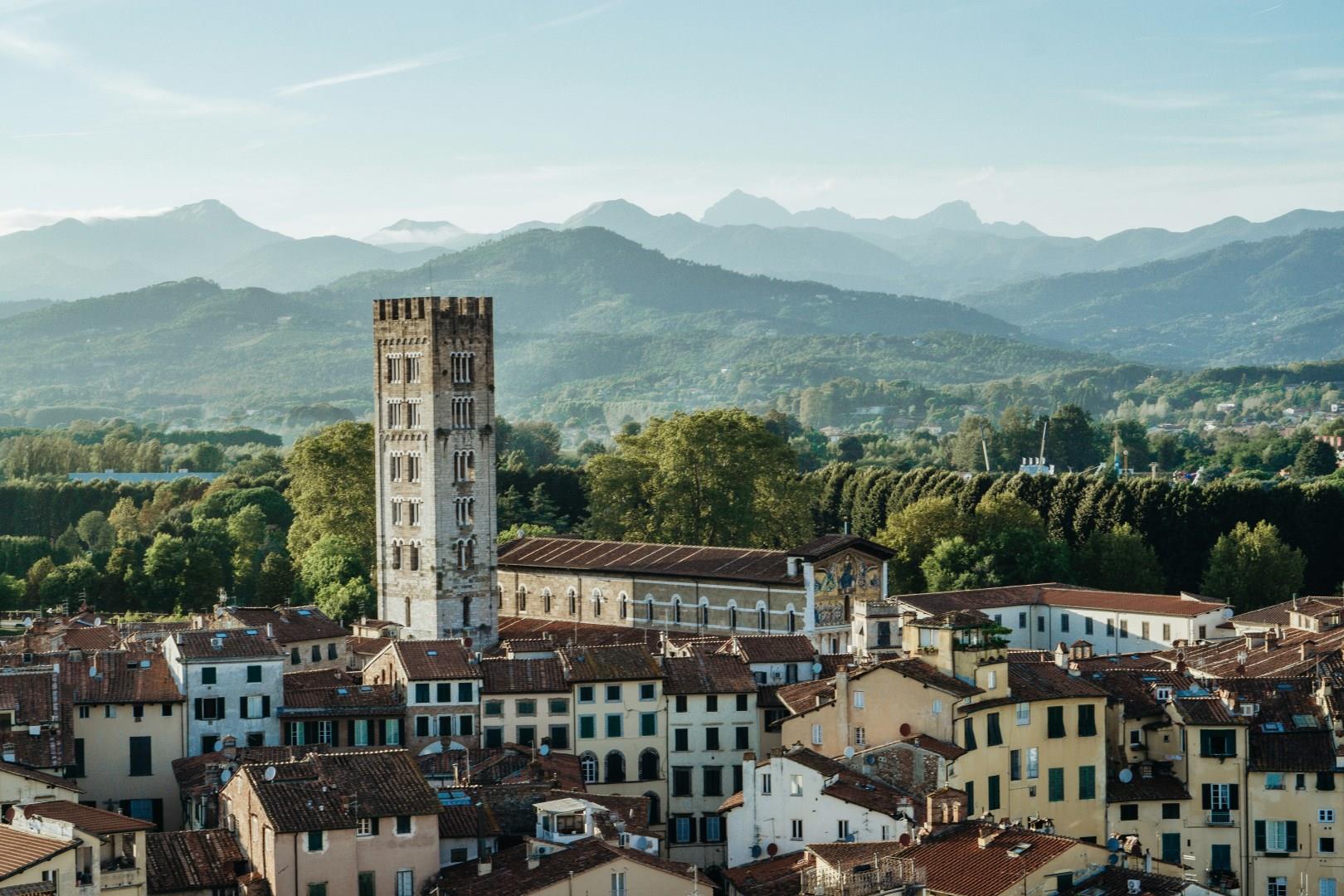
Lucca
Lucca, a Tuscan city surrounded by remarkably intact Renaissance walls, offers more than just postcard views. Known for its quiet streets and grand piazzas, Lucca stands apart with its circular street layout, still following the lines of a Roman amphitheater from centuries ago. The walls, now repurposed as a 4-kilometer tree-lined park, are a favorite route for locals and visitors who explore them on foot or by bike, passing old bastions and panoramic viewpoints along the way.

Osaka
Osaka is a city that thrives on contrasts with centuries-old castles sit just blocks from neon-lit arcades and high-speed trains. Once known as “Japan’s kitchen” during the Edo period, Osaka played a key role in rice trading and food distribution across the country. Today, visitors can walk the grounds of Osaka Castle, originally built in the 16th century by Toyotomi Hideyoshi, and take in panoramic city views from the top floor of its museum.