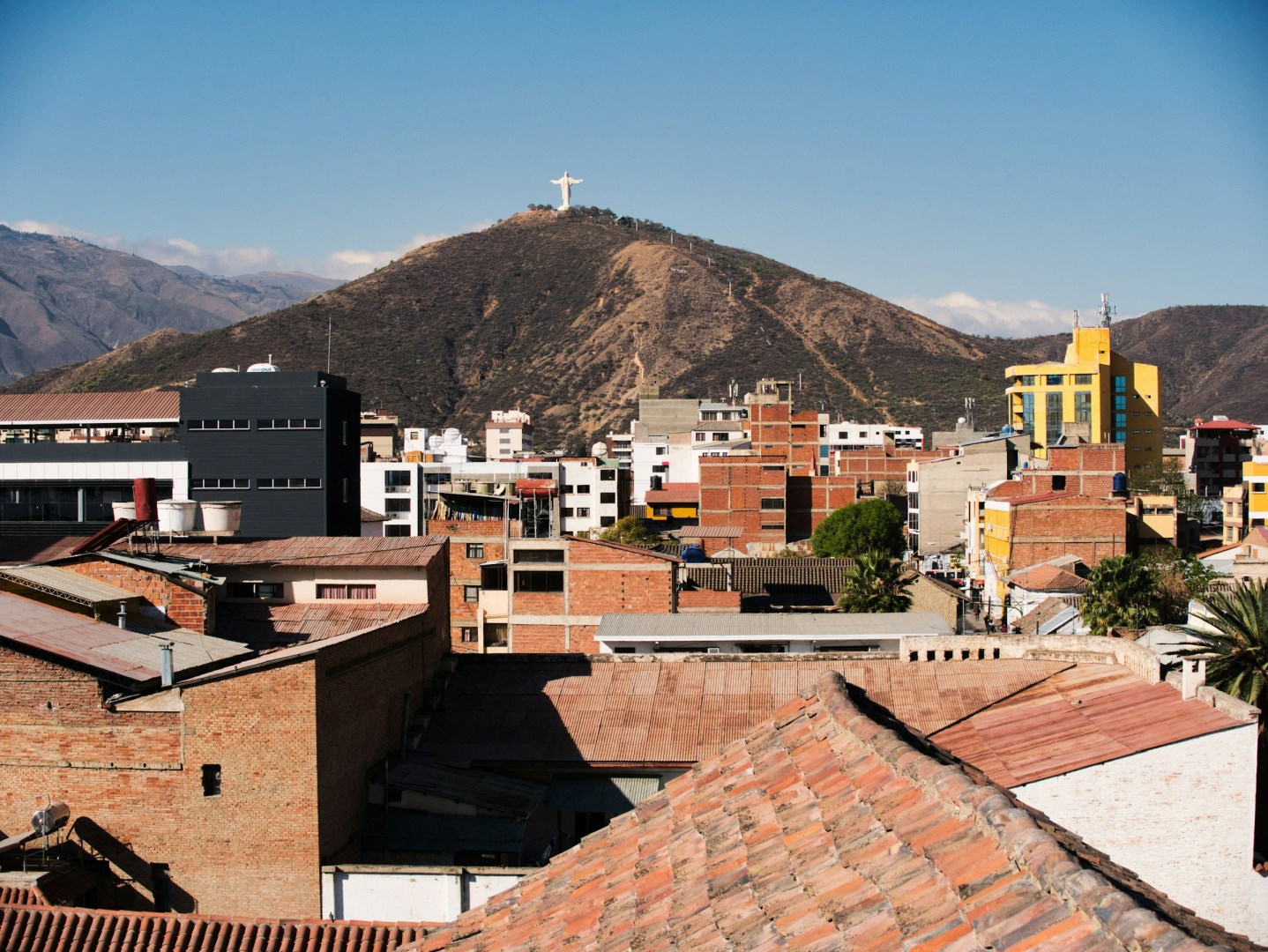
San Sebastián
San Sebastián, or Donostia, is a gem nestled on Spain's northern coast, renowned for its stunning beaches, world-class cuisine, and vibrant cultural scene. With its picturesque bay, La Concha, often ranked among the world's most beautiful city beaches, this Basque city offers a perfect blend of natural beauty and urban sophistication.
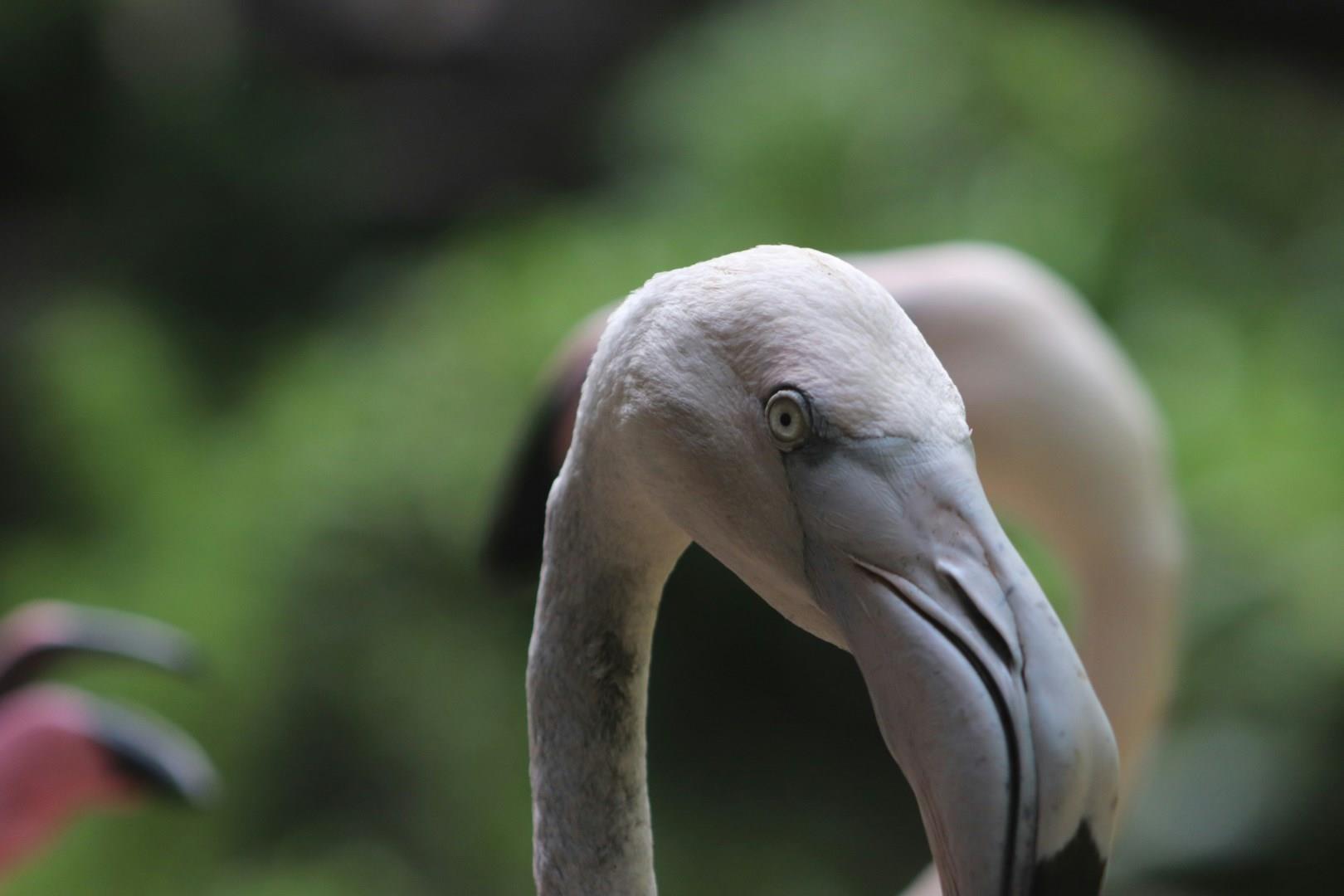
Kanchanaburi
Kanchanaburi, a province in western Thailand, is best known for its poignant history and lush landscapes. It was here that Allied prisoners of war and Asian laborers were forced to build the infamous Death Railway during World War II, including the Bridge over the River Kwai, which remains a powerful symbol of resilience.
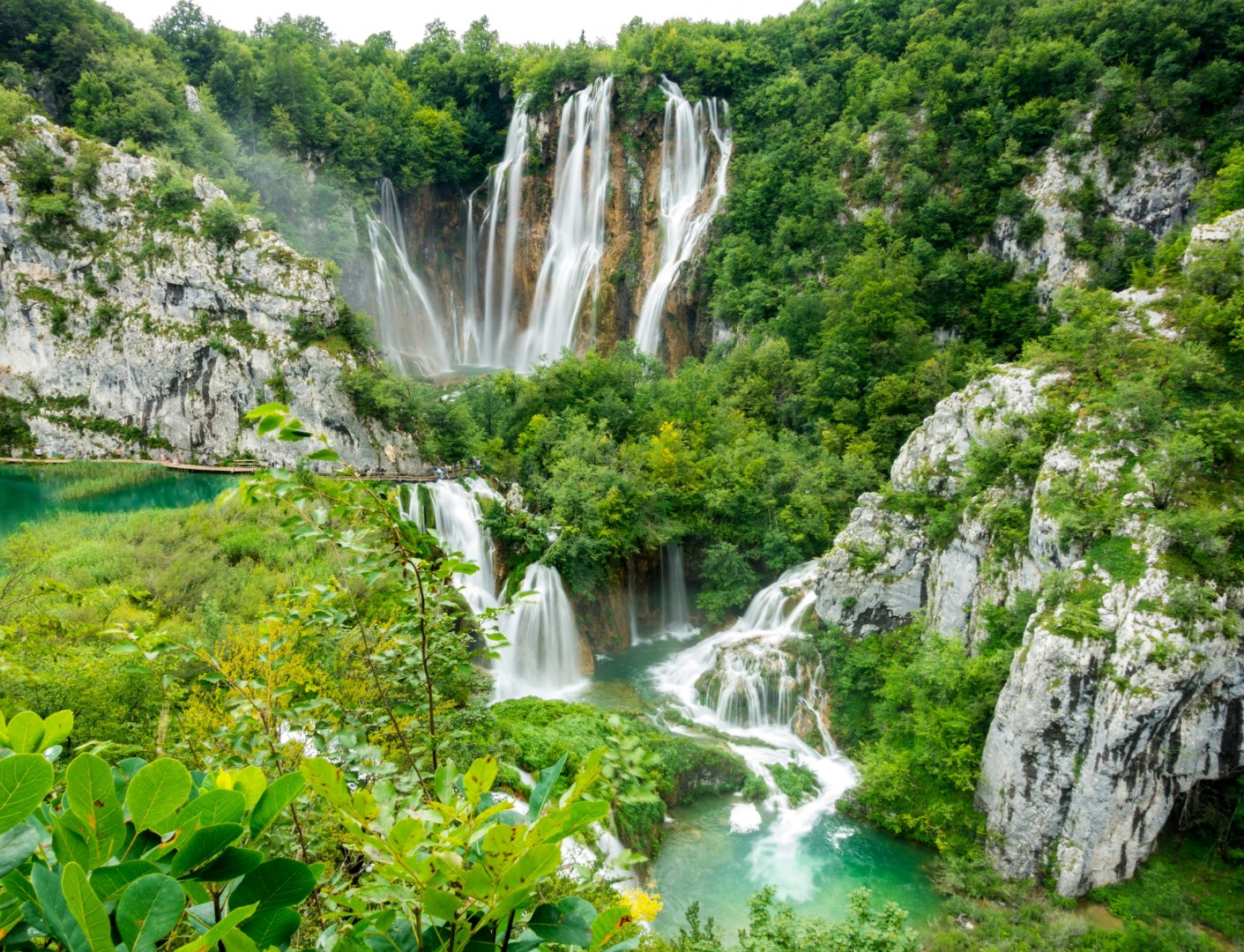
Plitvice Lakes
Plitvice Lakes National Park, a UNESCO World Heritage Site since 1979, is one of Croatia’s most captivating natural wonders. Located in the heart of the country, this mesmerizing park is renowned for its cascading lakes, lush greenery, and a network of waterfalls that create an enchanting landscape. The park’s 16 terraced lakes, connected by a series of waterfalls, range in color from emerald green to sapphire blue due to the unique mineral content and the reflection of sunlight. Visitors can ex

Bilbao
Bilbao’s unique blend of modern architecture, rich history, and natural beauty makes it a destination like no other. Whether you’re exploring cutting-edge art, savoring Basque cuisine, or simply soaking in the stunning scenery, Bilbao offers an experience that will captivate your senses and leave you wanting more.
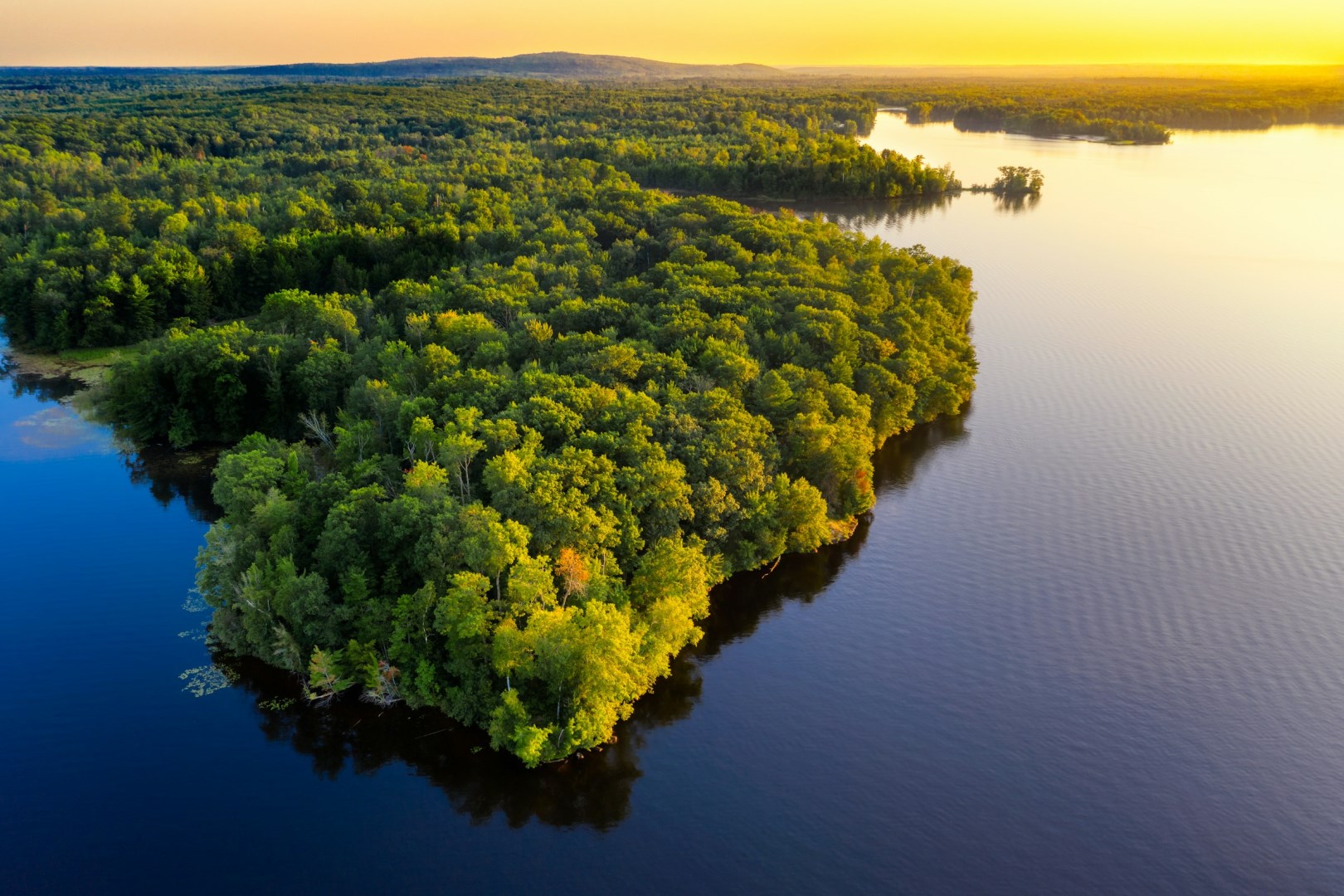
Wisconsin
Wisconsin offers a diverse array of experiences that draw visitors year-round. The state proudly showcases its cheese heritage with countless cheese factories and festivals, where visitors can sample local favorites like aged cheddar and gouda. Beyond its culinary fame, Wisconsin’s history is equally rich, with cities like Milwaukee boasting a deep brewing tradition and landmarks such as the Pabst Mansion and Harley-Davidson Museum that celebrate its industrial roots.